An attic work platform is a simple yet transformative addition to any home with unfinished attic space. It turns a hazardous, cramped area into a functional, safe zone for storage, maintenance, and projects. If you're tired of balancing on joists or risking a fall through the ceiling, this guide is for you. We'll cover everything you need to know.
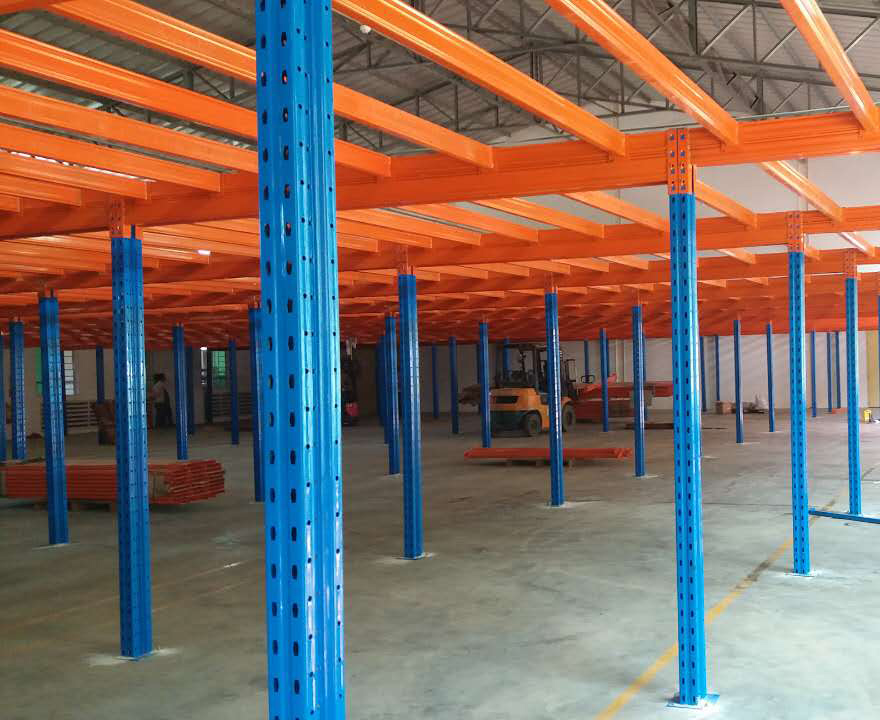
An attic work platform, sometimes called an attic deck or storage platform, is a sturdy, walkable surface installed over the floor joists in your attic. It creates a safe path and a stable area to stand and store items.
Unlike just throwing plywood down, a proper platform is securely fastened and designed to bear weight safely. It protects your ceiling drywall below and prevents accidents. For anyone who needs to access their attic regularly, it's a crucial safety upgrade.
The core purpose is to make attic access secure and efficient. Whether you're retrieving holiday decorations, running new cables, or inspecting your roof structure, a platform gives you solid footing.
Not all attic flooring solutions are the same. The right choice depends on your attic's structure and your intended use.
Modular Panel Systems: These are interlocking wood or composite panels designed to sit on top of joists. They are often DIY-friendly and can be installed without nailing into the joists. They offer good airflow and are easy to reposition.
Plywood Decking: The classic, cost-effective method. This involves cutting and screwing sheets of plywood directly to the joists to create a continuous floor. It's solid and permanent but requires more precise cutting and can restrict ventilation if not planned correctly.
Integrated Platforms with Safety Features: Some systems include integrated guardrails, non-slip surfaces, and built-in hatches. These are ideal for attics with high roofs or for those who want maximum safety. They represent a more comprehensive attic safety solution.
Lightweight vs. Heavy-Duty: Consider weight capacity. A light-duty platform for occasional storage differs from a heavy-duty one meant for supporting HVAC units or frequent work.
Selecting the perfect attic storage platform involves a few key considerations. Making the right choice ensures safety, functionality, and value.
First, assess your attic access. Measure your access hatch or pull-down stairs. Can a 4x8 foot panel fit through? If not, modular panels or custom-cut plywood are your best bets.
Next, evaluate your attic's structure. Know your joist spacing (typically 16 or 24 inches on center) and their depth. This determines the required thickness of your platform material to prevent sagging. A professional can help if you're unsure.
Think about your primary use. Is it solely for box storage in attic? Or do you need a work platform for repairs? Storage-only needs less weight capacity than a platform meant for a person plus equipment.
Consider ventilation. Your attic needs airflow to prevent moisture buildup. Look for designs that use lattice-style panels or leave gaps at the eaves to avoid blocking soffit vents.
Finally, ponder installation. Are you a confident DIYer, or will you hire a pro? Modular systems are easier for homeowners. Complex, large-area decks might need a contractor.
Proper installation is non-negotiable for attic safety. A poorly installed platform is a major hazard.
Always step on the joists until the platform is fully secured. Use a sturdy plank as a temporary work surface if needed. Wear a hard hat to protect against roofing nails, and use a high-quality headlamp for hands-free lighting.
When fastening, use long enough screws to penetrate the joists securely. For plywood, follow local building codes for fastener spacing. Never rely on insulation to support the platform; it must contact the joists directly.
For added attic fall protection, consider installing a safety railing around the access opening and any open edges, especially if your attic has significant height. A simple harness system anchored to a roof truss can be a lifesaver for extensive work.
Always be mindful of what's below you. Distribute weight evenly and avoid concentrating heavy loads between joists.
The price of an attic work platform varies widely. Understanding the factors helps you budget effectively.
For a DIY plywood deck, material costs are relatively low. You'll pay for plywood sheets (thickness impacts price), screws, and possibly rental tools. The main investment is your time and labor.
Modular panel kits are more expensive per square foot but save significant installation time. They offer a clean, uniform look and are often easier to remove if needed.
Professional installation costs depend on attic size, complexity, and your location. You're paying for labor, expertise, and liability insurance. A pro will ensure the structure doesn't compromise your roof or ceiling and will handle any obstacles like wiring or ducts.
Get multiple quotes. A detailed quote should include materials, labor, cleanup, and a plan for managing insulation and ventilation. Remember, the cheapest option isn't always the safest or most durable.
Once your attic flooring is installed, use it wisely. Designate clear walking paths and specific zones for storage. Use uniform, stackable bins labeled clearly. Place heavier items directly over joists or load-bearing walls.
For a true attic work platform, create a dedicated station. Mount a small workbench, add tool hooks to a rafter, and keep a portable toolkit stored securely. Good lighting is essential—consider installing LED strip lights powered by a remote battery pack.
Maintenance is simple. Periodically inspect the platform for any signs of sagging, loose fasteners, or water stains from roof leaks. Check that storage items aren't compressing insulation below, as this reduces its effectiveness.
Keep the area around the access clear. A cluttered hatch is a tripping hazard. Your attic access platform should remain a safe and organized entry point to this new usable space.
Q1: What is the main difference between an attic work platform and just laying down plywood?
A1: A proper attic work platform is engineered and secured for safety. While laying down loose plywood sheets creates a surface, it can shift or tip. A true platform is firmly fastened to the joists, often designed with weight distribution and fall prevention in mind, creating a reliably stable and safe area.
Q2: How much weight can a typical attic storage platform hold?
A2: Weight capacity varies by design and materials. A basic DIY plywood deck on standard 16-inch joists can often support 25-30 lbs per square foot for live loads (people walking). Modular systems have published ratings. For heavy storage (e.g., file boxes, luggage), it's best to place items directly over joists and consult a structural engineer if planning for very heavy loads.
Q3: Can I install an attic platform myself, or do I need a professional?
A3: Many homeowners successfully install DIY attic flooring kits or plywood decks. It requires comfort working in tight spaces, basic tool skills, and careful attention to safety. If your attic has complex wiring, HVAC systems, or you are unsure about joist integrity, hiring a professional is strongly recommended to ensure a safe and code-compliant installation.
Q4: Will an attic platform damage my ceiling or affect my insulation?
A4: When installed correctly, it should not damage your ceiling. The platform distributes weight along the joists, which are designed to carry it. However, it can compress insulation if not managed. Using raised platforms or materials that allow insulation to maintain its loft underneath is crucial for preserving your home's energy efficiency.
Q5: Where can I purchase a good quality attic work platform system?
A5: Attic work platform kits and components are available at major home improvement stores, online retailers, and through specialized safety and storage companies. Look for suppliers with clear specifications, weight ratings, and good customer reviews. For custom solutions, local carpentry or contracting services can build a platform tailored to your exact attic dimensions.

 Wechat
Whatsapp
Wechat
Whatsapp