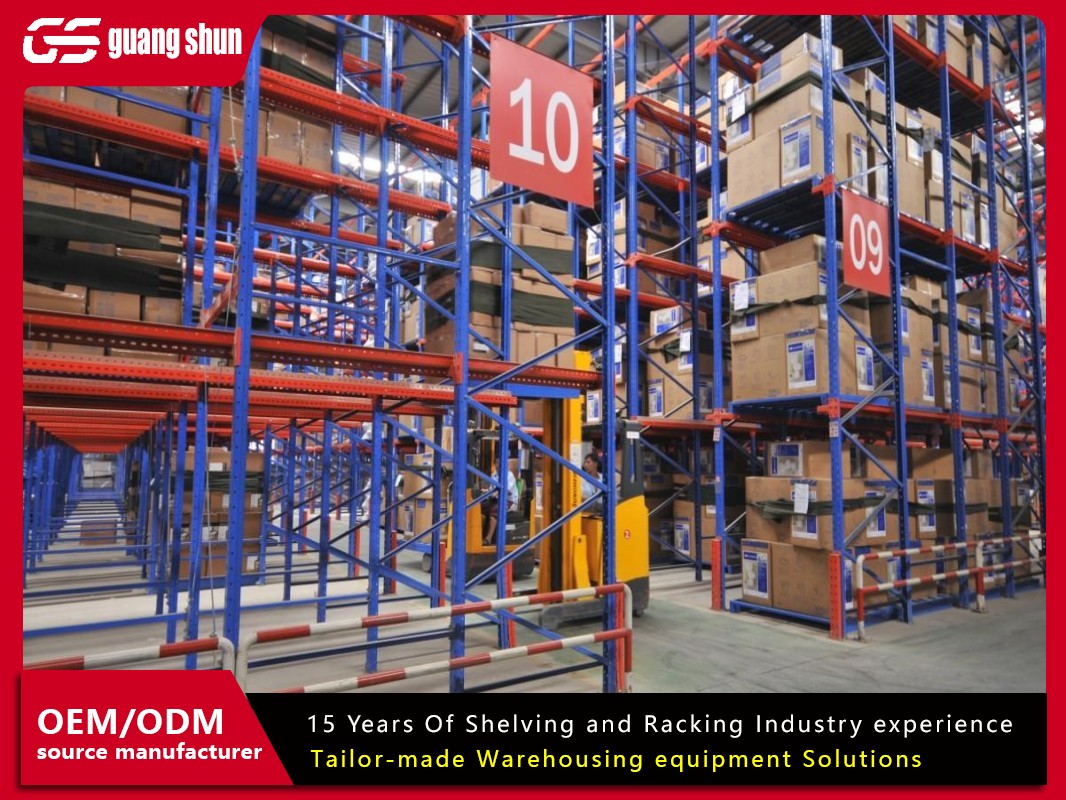
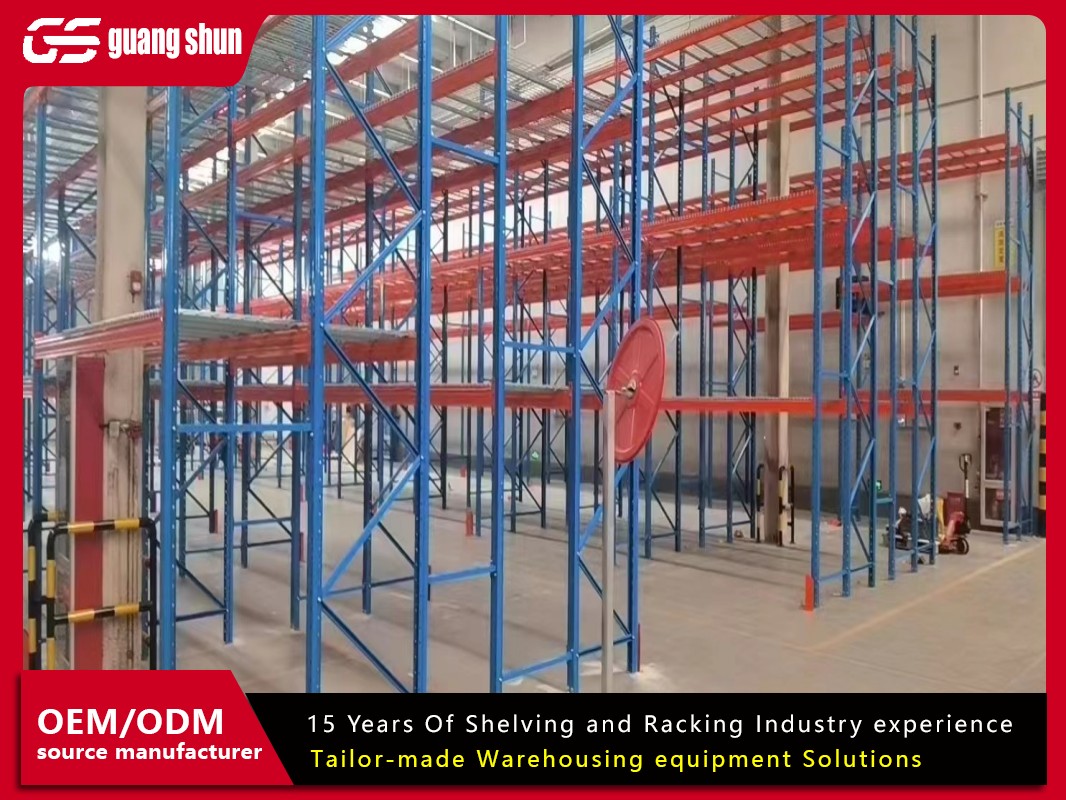
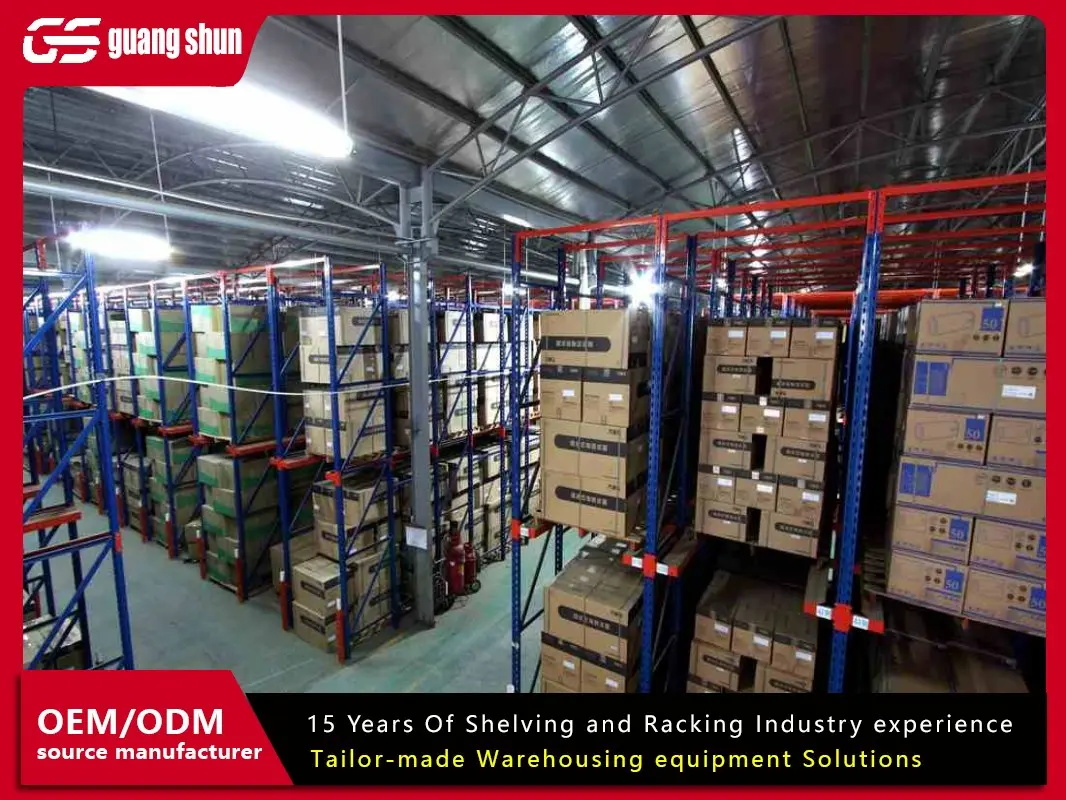
If you need more space in a warehouse, factory, or even a commercial building, looking up is often the smartest move. An elevated steel platform, sometimes called a steel mezzanine or industrial platform, creates a secure second level within your existing facility.
This article breaks down everything you need to know. We’ll cover what these platforms are used for, how to choose one, and what goes into the cost. You’ll get clear information to help you decide if this is the right solution for your space crunch.
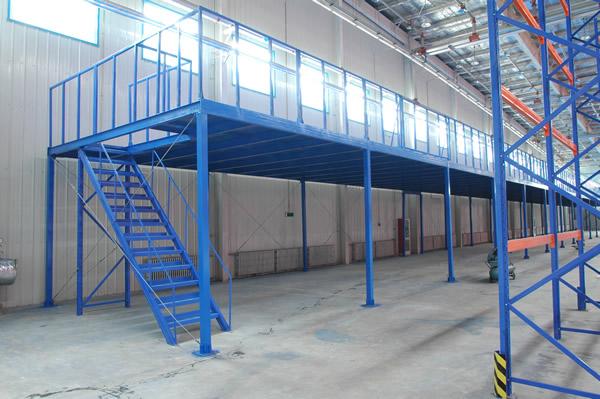
An elevated steel platform is a freestanding structure built from steel columns, beams, and a deck. It sits above the floor, creating a new usable level without needing exterior walls or a roof. It uses the vertical airspace that often goes wasted in buildings with high ceilings.
It’s different from a simple shelf or racking. A true industrial steel platform is designed as a floor. It can support heavy equipment, pallet storage, office space, or production lines. The design focuses on live loads (the weight of people and movable items) and concentrated loads (heavy machinery).
These structures are highly customizable. They can be a simple storage deck or a complex multi-tier system with stairs, gates, and conveyors. The key advantage is maximizing cubic footage, not just square footage.
The uses for a steel mezzanine floor are incredibly diverse across industries. In warehousing and distribution, they are prime real estate for bulk storage, picking modules, or housing conveyor systems overhead.
Manufacturing plants use them for additional production lines, assembly stations, or equipment platforms. They free up valuable main-floor space for larger machinery or workflow.
In retail environments, a commercial steel platform might serve as a stockroom over the back office. In automotive shops, they create parts storage above the service bays. Offices use them for expanded work areas or breakout rooms.
Anywhere floor space is expensive or limited, but ceiling height is available, an elevated access platform becomes a viable option. It’s a capital investment that often costs less than moving or building an addition.
Why choose steel? The primary reason is strength and durability. A heavy-duty steel platform offers superior load-bearing capacity compared to wood or aluminum alternatives. It can handle pallet jacks, forklifts (on appropriately rated models), and industrial loads.
Steel is also incredibly rigid. It minimizes bounce or deflection, which is crucial for safety and operator comfort when used for workstations or with precision equipment.
Fire resistance is another factor. Steel does not combust, which can be a critical requirement for building codes and insurance. It’s also resistant to rot, insects, and degradation that can affect other materials.
Finally, steel structures are adaptable. They can be modified, extended, or even relocated with relative ease compared to permanent concrete constructions. This flexibility is a major asset for growing businesses.
Selecting the right elevated steel platform requires careful planning. First, define the intended use. Will it be for archival storage, active warehouse picking, or heavy machinery? The use dictates the required load capacity (e.g., 150 PSF vs. 250+ PSF).
Next, consider dimensions and layout. Measure your available space, including clear height. Account for sprinkler heads, lights, and ductwork. The platform must integrate with these systems, often requiring coordination with a fire protection professional.
Access is critical. You’ll need a safe steel mezzanine staircase and guarded openings. Decide if you need ramps for carts or gates at the top of stairs. Egress and safety are governed by local building codes.
Also, think about the decking surface. Options include steel bar grating (allows light and air through), plywood over steel supports, or heavy-duty steel plate. The choice depends on your need for under-platform visibility, fire rating, and surface traction.
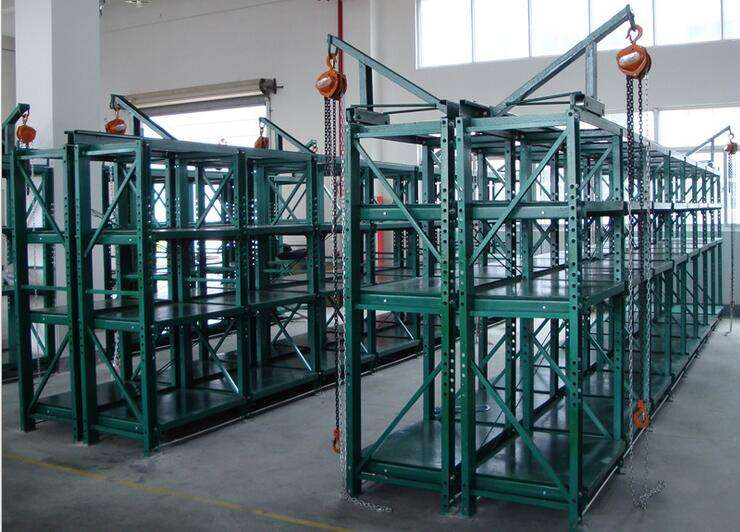
Installing a significant industrial elevated platform is not a typical DIY project. It requires professional engineering and installation. The process usually starts with a site survey and consultation to understand your needs.
A qualified supplier will then create design drawings and engineering calculations. These plans are often submitted for a building permit, as mezzanines must comply with local codes regarding structural integrity, fire safety, and egress.
Once approved, the components—prefabricated columns, beams, and decking—are delivered. An experienced erection crew assembles the structure. This involves setting columns, connecting primary and secondary beams, and installing the decking and safety features like handrails and toe-kicks.
The final stage involves inspections to ensure everything matches the approved plans and is safe for use. A professional install provides peace of mind that the structure is sound and compliant.
The price of an elevated steel platform isn’t a single number. It’s a sum of several variables. Size is the most obvious factor; cost is generally calculated per square foot, with larger platforms often having a lower cost per unit area.
Load capacity dramatically affects price. A platform rated for 150 pounds per square foot (PSF) costs less than one engineered for 300 PSF. Specifying for forklift traffic will increase costs due to the need for heavier beams and decking.
Complexity adds expense. Multiple levels, long-span designs (requiring larger beams), and numerous stairs or gates will raise the price. The type of decking material also changes the cost.
Finally, don’t forget “soft costs.” This includes the engineering design, potential building permit fees, and any required modifications to existing sprinkler or lighting systems. Always get detailed quotes that break down these elements.
Your choice of partner is crucial for a successful steel platform project. Look for companies that specialize in industrial structures, not just general contractors. Experience in mezzanines is key.
A good supplier will ask detailed questions about your use, loads, and site conditions. They should offer to conduct a site visit. Be wary of anyone who gives a firm quote without understanding these specifics.
Check their credentials. Do they have in-house engineering capabilities? Can they provide references from past projects similar to yours? Look for membership in relevant trade associations.
The best suppliers act as consultants. They guide you through the code requirements, help optimize the design for your budget, and manage the installation process from fabrication to final inspection. They ensure your custom steel work platform is both safe and fit-for-purpose.
Q1: Do I need a building permit for an elevated steel platform?
A1: In almost all cases, yes. A permanent elevated steel platform is considered a structural change to a building. Local building departments require permits to review the engineering plans for safety and compliance with codes regarding loads, egress, and fire protection. Your supplier should typically manage this process.
Q2: How high can a typical steel mezzanine be built?
A2: There is no universal maximum height, but practical and code-driven factors apply. The platform must provide sufficient clear height both above and below for its intended use (often a minimum of 7-8 feet clearance under). Building codes also dictate requirements for guards and railings as height increases. The limiting factor is usually your existing building’s clear ceiling height and sprinkler system.
Q3: What is the difference between a roll-formed and structural steel platform?
A3: This refers to the type of steel used. Roll-formed components are made from lighter gauge steel cold-formed into shapes. They are cost-effective for lighter-duty storage (e.g., sub-125 PSF). Structural steel mezzanine systems use hot-rolled I-beams and columns. They are necessary for heavier loads, longer spans, and industrial applications requiring superior strength and rigidity.
Q4: Can I relocate my steel platform if I move facilities?
A4: One of the advantages of a bolted elevated steel platform is its potential for relocation. Unlike welded structures, bolted systems can often be disassembled, moved, and reassembled in a new location, provided the new site conditions are suitable. There will be costs for disassembly, transport, and re-installation, and some components may need modification.
Q5: How long does it take from order to completion for a typical platform?
A5: The timeline varies with size and complexity. Generally, allow 2-4 weeks for design and engineering. Fabrication of materials can take 4-8 weeks. On-site installation for a moderately sized, straightforward platform might take 1-3 weeks. Overall, a project duration of 10-16 weeks from signing an order to completion is common. Always discuss the specific schedule with your supplier.

 Wechat
Whatsapp
Wechat
Whatsapp