An attic storage platform is a smart flooring system designed to create safe, accessible, and organized storage space in your home's attic. Unlike simply laying boards over joists, a proper platform provides a stable, level surface that protects your home's insulation and structural integrity.
For many homeowners, the attic is the final frontier of storage. It's often a cluttered, underutilized space. A dedicated attic storage solution changes that, transforming a precarious area into a valuable extension of your living space.
This article will help you understand how these platforms work, their key benefits, and what to consider before installing one in your home.
The primary reason is safety. Walking or storing items directly on attic joists is risky. You can easily miss a step and put your foot through the ceiling below. An atttic floor system eliminates this danger by creating a continuous walkable surface.
It also protects your home's efficiency. Attic insulation is crucial for regulating temperature. Compressing it with random boards reduces its R-value. A raised storage platform is designed to sit above the insulation, preserving its thickness and performance.
Furthermore, it maximizes space. A well-designed loft storage platform allows you to use the entire available area logically. You can store bins, suitcases, and seasonal items neatly, making everything easy to find and retrieve.
A typical attic storage platform consists of a framework and a decking surface. The framework is usually made of sturdy lumber or engineered metal brackets. This frame elevates the decking above the insulation.
The decking material is key. It's often plywood, oriented strand board (OSB), or specially designed interlocking panels. These materials are strong enough to hold stored items and support a person's weight during access.
The system is installed perpendicular to the existing attic joists. This distributes weight evenly across multiple joists. Proper installation never attaches the platform to the bottom chord of trusses, which could compromise the roof structure. It's a freestanding, non-invasive unit.
When evaluating an attic storage solution, focus on these features. Strength and weight capacity are paramount. Ensure the system can handle the load you plan to store, plus a person's weight. Look for clear weight ratings.
Material quality is next. The framework should be made from kiln-dried lumber or corrosion-resistant metal. The decking should be thick enough to resist sagging. A heavy-duty attic platform will use higher-grade materials.
Ease of assembly is a practical concern. Some systems use modular, interlocking parts that require no cutting or complex tools. Others may need more carpentry skill. Consider your DIY comfort level.
Finally, think about adaptability. The best modular attic storage can be configured to fit around obstructions like chimneys, ducts, or wires. It should also be expandable if your storage needs grow.
You can build a basic attic storage platform yourself. This involves purchasing lumber, measuring your attic space, and constructing a grid-like frame before adding decking. It requires time, tools, and a good understanding of attic safety.
A DIY project offers cost savings and complete customization. However, mistakes can be costly, both for your belongings and your home's structure. You must be certain not to damage wiring, plumbing, or the roof framing.
Professional installation of a prefab attic floor system is simpler. Suppliers often offer kits with pre-cut components and hardware. An experienced installer can complete the job quickly and guarantee it's done correctly. They will assess your attic's specific conditions and ensure the platform is safe and optimal.
The choice depends on your budget, skill, and the project's complexity. For large or tricky attic spaces, professional help is usually worth the investment.
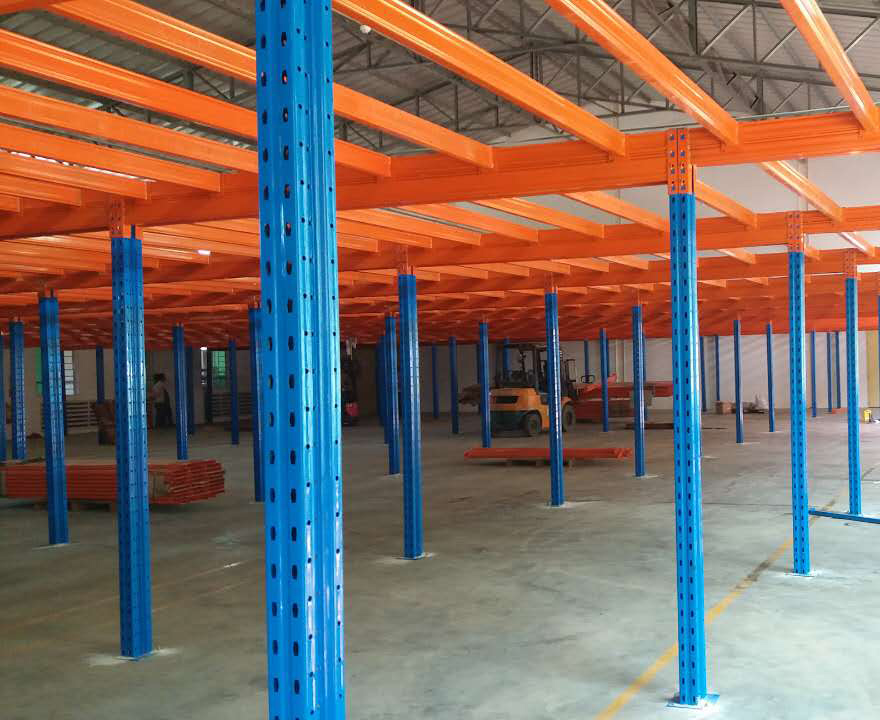
The price of an attic storage platform varies widely. For a DIY build using basic lumber and plywood, you might spend a few hundred dollars for a small space. Costs rise with material quality and attic size.
Prefabricated attic storage kit prices depend on materials and brand. Basic particle board or OSB kits are more affordable. Kits made from higher-grade plywood or featuring metal bracket systems will cost more. Expect a range from a moderate investment to a more significant sum for large, premium systems.
Professional installation adds to the cost but includes labor, expertise, and often a warranty. Get multiple quotes. The total should include materials, labor, and any necessary site preparation, like adding lighting or a permanent access ladder.
Consider this an investment in your home. A proper platform increases your functional storage space, which can add to property value and prevent costly damage from insulation compression or ceiling punctures.
Start by assessing your attic. Measure the available space, noting the height, joist spacing, and any obstructions. Check the depth of your insulation; the platform must clear it. Ensure your attic access is large enough to bring materials inside.
Define your storage needs. Are you storing lightweight holiday decorations or heavy boxes of books? This determines the required weight capacity. Also, consider how often you'll need to access the items.
Match the system to your skill level. If you're not confident in your carpentry, a modular attic storage kit or professional service is the wise path. If you enjoy DIY, a custom-built platform can be a rewarding project.
Finally, think long-term. Choose materials that will withstand your attic's temperature and humidity fluctuations. A well-chosen attic flooring system should last for decades, providing reliable, safe storage.
Q1: Can any attic support a storage platform?
A1: Not all attics are suitable. The structure must be able to bear the additional load. Homes with traditional rafters and ceiling joists are often good candidates. Attics with engineered trusses may have restrictions; you must never attach anything to the bottom chord without an engineer's approval. Always consult a structural professional if unsure.
Q2: How much weight can a typical attic platform hold?
A2: Capacity varies by product. A well-constructed DIY platform or a commercial heavy-duty attic platform can often hold 25-50 pounds per square foot for storage loads, plus a person's weight during access. Always check the manufacturer's specifications and do not exceed them. Distribute weight evenly.
Q3: Will installing a platform damage my insulation?
A3: A correctly installed raised storage platform is designed to protect insulation. The framework elevates the decking, allowing the insulation to remain uncompressed and fully effective. This is a key advantage over simply laying plywood directly on the joists.
Q4: Do I need a building permit for this installation?
A4: Permit requirements vary by location. In many areas, a non-structural, freestanding storage floor may not require a permit. However, if the work involves altering framing, electrical, or access points, a permit might be needed. Always check with your local building department before starting the project.
Q5: Can I install lighting or a fan after the platform is in?
A5: It's much easier to add electrical components before the attic storage platform is installed. Once the decking is down, accessing wiring and junction boxes becomes difficult. Plan for any desired lighting, outlets, or ventilation fans during the initial design phase. If adding them later, you may need to temporarily remove sections of the decking.

 Wechat
Whatsapp
Wechat
Whatsapp