That dark, difficult-to-reach space above your head holds more than just dusty holiday decorations. Your attic represents valuable square footage, often wasted because getting items up and down is a chore, if not a hazard. If you've ever wrestled a bulky storage bin up a wobbly pull-down ladder or feared for your safety carrying heavy boxes, you've experienced the problem firsthand.
There's a solution that transforms this daunting task into a simple push-button operation: the attic lift platform. This smart home upgrade is moving from industrial settings into residential homes, changing how homeowners interact with their attics.
Forget everything you know about difficult attic access. Let's talk about reclaiming your storage space—and your peace of mind.
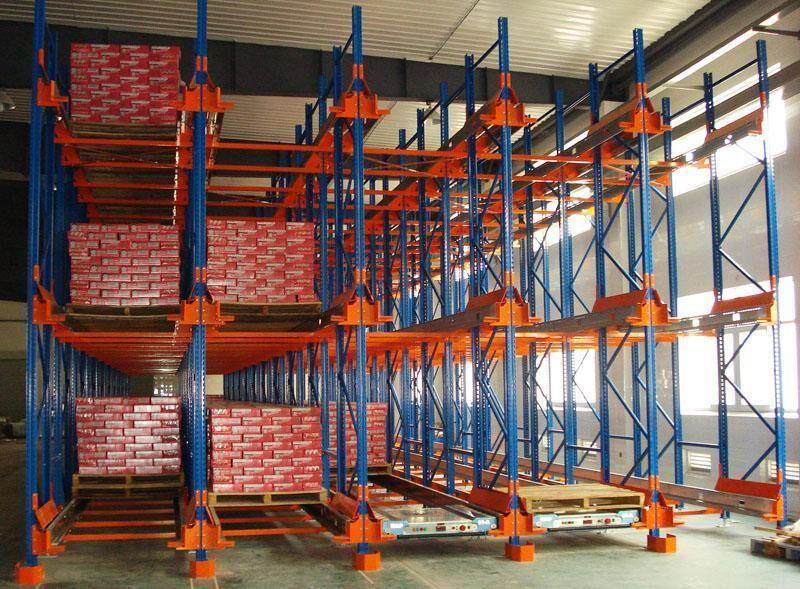
An attic lift platform is a motorized lifting system designed to safely and effortlessly transport items between your living space and your attic. Think of it as a small, dedicated freight elevator for your home.
The core system consists of a sturdy platform, typically made of steel or aluminum, that travels vertically within a framed shaft or directly through an enlarged attic opening. It's powered by a quiet, low-voltage motor and controlled by a simple wall switch or remote.
Unlike trying to balance items on a ladder, you load the platform at floor level, press a button, and it smoothly ascends or descends. It's the ultimate tool for turning your attic into a genuinely functional, easy-to-use storage area.
Most people tolerate terrible attic access because they don't know a better option exists. The traditional pull-down ladder presents multiple issues.
It's a significant fall risk, especially when your hands are full. It limits what you can store to items light enough to hoist overhead. The awkward angle and narrow steps strain your back and knees. Finally, the hassle often means we underutilize the attic, leaving us cramped in our main living areas.
An attic lift platform directly solves these problems. It eliminates the need to carry heavy loads on a ladder. It allows you to store heavier, bulkier items like furniture, cases of water, or archival boxes. It makes retrieving anything a one-person job that takes seconds, not a two-person ordeal.
The advantages extend far beyond simple lifting. Installing a residential attic lift reshapes your relationship with your home's full capacity.
First is safety. This is the most critical benefit. By keeping both feet on the ground during loading and unloading, you remove the risk of ladder-related falls entirely. Many systems also include safety sensors and non-slip platform surfaces.
Next is preserved living space. By making your attic a primary storage destination, you can declutter bedrooms, closets, and garages. That seasonal gear, memorabilia, and spare supplies have a dedicated, out-of-sight home.
You also gain accessibility. For aging homeowners or those with mobility concerns, an attic lift platform makes the storage space usable for a lifetime. It also allows younger family members to help with storage tasks safely.
Finally, it can increase home value. As a specialized, practical upgrade, it appeals to buyers looking for smart storage solutions and modern conveniences.
The versatility of an attic lift platform might surprise you. The most common installation is in a garage. This is ideal because it usually has high, unobstructed access to the attic space above and the concrete floor provides a solid base.
A second-floor hallway or laundry room closet is another excellent spot. It creates a discreet, interior access point. The lift's shaft can be framed and finished to look like a regular closet when the doors are closed.
For homes with a tall, unfinished basement ceiling and an attic above, a through-floor lift can sometimes be configured to service both levels, creating a three-floor material transport system.
The key is having adequate vertical clearance and a structural framework (like attic joists) that can support the system's mounting points and load.
Attic lift platforms are not one-size-fits-all. They come in various weight capacities and platform sizes to suit different needs.
Residential models typically range from 150 to 500-pound capacities. A 150-200 lb model is perfect for boxes, luggage, and decorations. If you plan to store heavier items like furniture or building materials, a 300-500 lb capacity is a wiser investment.
Platform dimensions are crucial. Common sizes are around 2' x 3' or 3' x 4'. Measure your largest anticipated item—like a plastic-wrapped mattress or a large trunk—to ensure it will fit. The platform should also fit comfortably through your finished attic opening.
The Installation Process: What to Expect
Professional installation is highly recommended for an attic lift platform. It involves structural, electrical, and framing work.
A qualified installer will first assess your attic's structure to ensure the joists can support the mount points and the intended load. They will then frame the vertical shaft, which acts as a guide for the platform and prevents items from contacting walls.
The motor unit is mounted in the attic, and the track or cable system is installed. The electrician will wire the low-voltage motor to a dedicated circuit and install the control switch. Finally, the platform is attached and tested.
While it is a significant project, a proficient crew can often complete it in one to two days, with minimal disruption to your home.
Today's attic lift platforms offer more than just an up/down button. Look for models with keyed switches or remote controls to prevent unauthorized use, especially by children.
Some integrate with home automation systems. Imagine asking your smart home assistant to lower the platform or checking a status sensor to see if it's currently at floor level. Safety lighting that turns on when the platform is accessed is another useful feature.
These modern touches elevate the system from a simple hoist to an integrated part of a functional, modern home.
Consider an attic lift platform if you frequently access your attic for storage, if you have heavy or bulky items to store, or if safety on a ladder is a concern. It's also a logical choice if you're planning to finish areas like the garage or basement and need to relocate storage.
Evaluate the cost against the value of your time, safety, and the reclaimed space in your home. For many, the long-term benefits far outweigh the initial investment.
Start by consulting with a specialist. They can provide a realistic assessment of your space, recommend a suitable model, and give you a clear picture of the transformation a reliable attic lift platform can bring to your home.
Q1: How much does a typical attic lift platform installation cost?
A1: Total costs vary by capacity, features, and installation complexity. For a mid-range residential attic lift platform with professional installation, homeowners can expect a total investment typically ranging from $3,000 to $6,000. This includes the unit, framing materials, and labor.
Q2: Can the lift platform carry a person?
A2: No. A standard attic lift platform is designed and rated for materials and goods only, not for human transportation. It is a freight device, not a passenger elevator. Riding on it is extremely dangerous and violates all safety standards.
Q3: Will installing one damage my attic or roof structure?
A3: A professionally installed system should not cause damage. Installers mount the motor and supports to the structural framing (joists and headers), distributing the load appropriately. They will ensure the installation complies with building codes and does not compromise the integrity of your roof structure.
Q4: What kind of maintenance does an attic lift require?
A4: Maintenance is minimal. An annual check is advisable to ensure all moving parts are clean, cables are in good condition, and safety mechanisms are functional. The motor is usually a sealed, lifetime-lubricated unit. Keeping the platform tracks free of dust and debris is the primary homeowner task.
Q5: Can I install it myself if I'm handy?
A5: While some advanced DIY enthusiasts attempt it, it is strongly discouraged. The installation involves precise structural mounting, electrical wiring, and alignment to ensure safe, reliable operation. Improper installation can lead to mechanical failure, property damage, or voided warranties. Hiring a certified professional is the safest and most reliable path.

 Wechat
Whatsapp
Wechat
Whatsapp