If you're looking to maximize space, improve workflow, or create a safe, dedicated area in your industrial, commercial, or even residential setting, you've likely searched for solutions. One structure consistently stands out for its strength, versatility, and cost-effectiveness: the steel platform with stairs.
This isn't just a simple metal structure. It's a engineered system that can transform your vertical space into usable, efficient square footage. Whether you call it a mezzanine, a work platform, an access deck, or an equipment landing, the core benefits remain the same.
Let’s break down exactly why investing in a steel platform with stairs is a decision that pays off.
The primary advantage of choosing a steel platform with stairs is its inherent strength. Steel, as a material, offers an exceptional strength-to-weight ratio.
This means the structure can support significant loads—be it heavy machinery, pallet storage, or constant foot traffic—without requiring excessively bulky components. A properly engineered steel platform is built to last for decades, resisting deformation, wear, and environmental factors far better than wood or concrete alternatives.
The stairs integrated into the design are equally robust, providing secure and stable access day in and day out. You gain peace of mind knowing the entire assembly is designed for safety and longevity from the ground up.
No two spaces are identical. That's where the true power of a custom steel platform with stairs shines. Unlike prefabricated solutions, these structures can be tailored to your exact needs.
The platform's dimensions—length, width, and height—are determined by your available space and intended use. The stairs can be designed as straight run, switchback, or even spiral configurations to fit tight spaces. You can specify handrail styles, anti-slip treads on both the stairs and platform deck, and choose from various finishes.
Need to integrate a conveyor pass-through, specific electrical conduits, or safety gates? A customized steel platform with stairs can accommodate these features seamlessly. This flexibility ensures you get a perfect fit, not a compromise.
The utility of a steel platform with stairs spans countless sectors. Its adaptability makes it a universal tool for space optimization and safety.
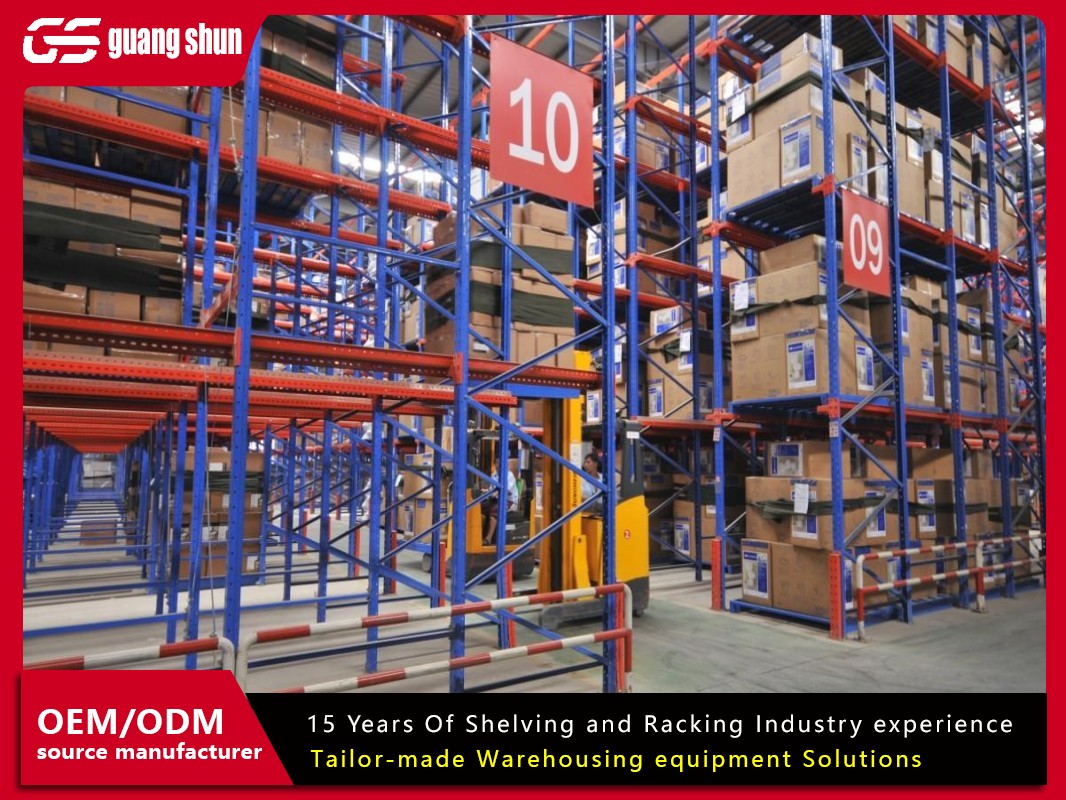
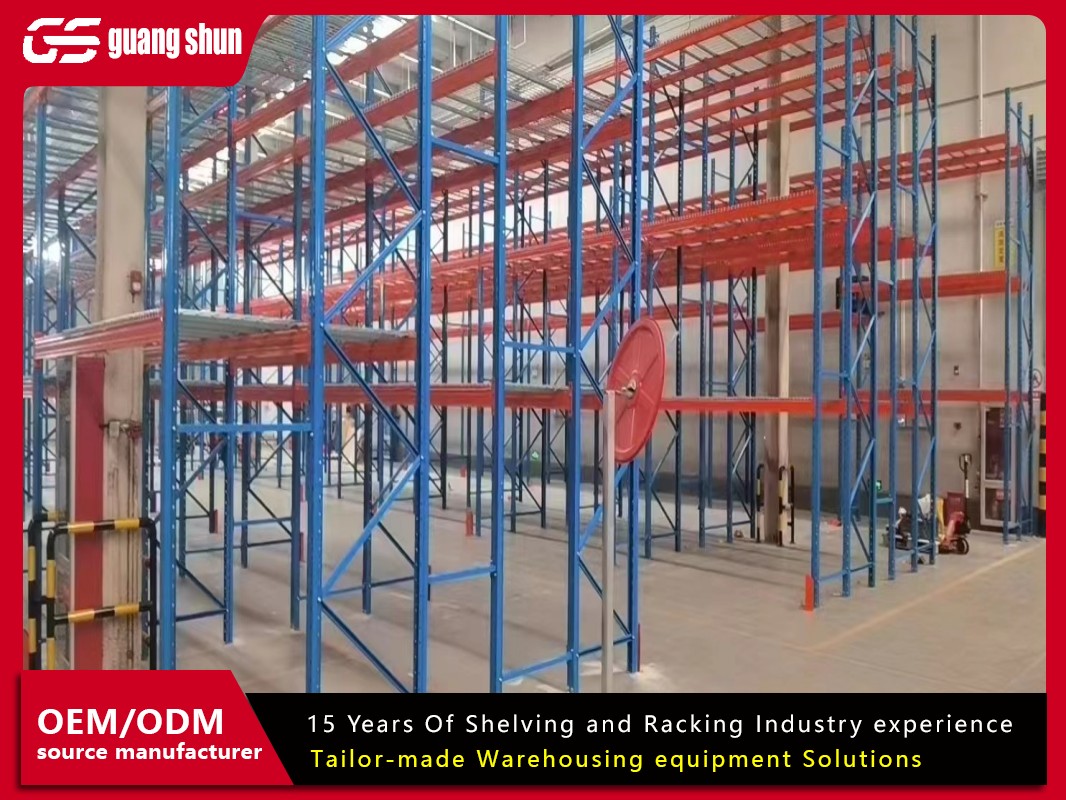
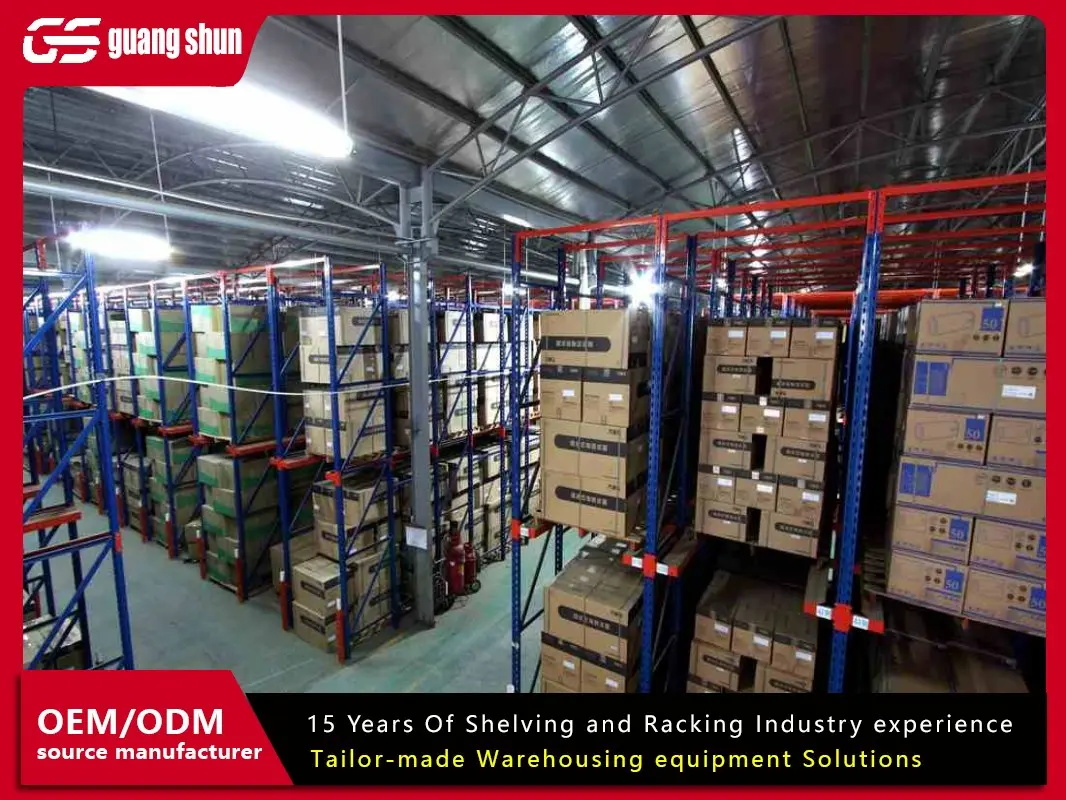
In warehouses and distribution centers, a steel platform with stairs creates a mezzanine level for additional storage, picking operations, or office space. The integrated stairs ensure efficient and code-compliant access for employees.
Manufacturing facilities use these platforms to create elevated walkways for supervisors, access points for maintenance on large equipment, or safe enclosures for machinery. The sturdy steel platform provides a stable base for tools and personnel.
Even in commercial settings like gyms, event halls, or retail backrooms, a steel platform with stairs can serve as a secure storage loft, a lighting catwalk, or a raised technical area. The clean, industrial look of steel often fits well in modern designs.
You cannot have a functional platform without safe access. This is why the stairs component is so critical and is almost always designed as part of the overall system. Attaching a standalone ladder to a steel platform is a safety hazard and often violates occupational health and safety regulations.
A purpose-built steel platform with stairs includes code-compliant stairways with uniform riser height, adequate tread depth, proper width, and secure handrails on both sides. This design drastically reduces the risk of slips, trips, and falls—the leading cause of workplace injuries.
The stairs provide a natural, easy flow of traffic, allowing workers to carry tools or materials up and down safely. This integration of the platform and stairs into one cohesive unit is a hallmark of professional, safety-first design.
Many people are concerned about the disruption of installing a steel platform with stairs. The reality is that professional installation is typically swift and efficient.
The components are often fabricated off-site with precision. On installation day, the main support columns are set, primary beams are connected, and secondary joists are placed. The decking (often heavy-duty steel grating or plate) is then laid down and secured.
Finally, the prefabricated stairs are attached to the steel platform structure at the predetermined location. A professional crew can often complete a sizeable installation in a matter of days, minimizing downtime for your operations. Proper installation is key to ensuring the structure's rated load capacity and safety.
Choosing a steel platform with stairs is an investment in long-term value. The initial cost is offset by years of reliable service and the creation of valuable new space without the expense of moving or building an addition.
Maintenance is straightforward. A periodic inspection of connections, a check for any surface damage, and a simple cleaning regime are usually all that's required. The stairs, with their anti-slip surfaces, should be kept clear of debris. A coat of paint every few years can protect against corrosion in certain environments, preserving the structure for the long haul.
This low upkeep, combined with durability, makes a steel platform with stairs an incredibly cost-effective solution over its lifespan.
Before commissioning a steel platform with stairs, consider your primary use. What weight needs to be supported? How many people will need access simultaneously? What are the local building codes and safety regulations?
Consulting with a reputable fabricator is essential. They can conduct a site survey, discuss your needs, and provide engineered drawings for a steel platform with stairs that is not only functional but also compliant with all relevant standards.
By focusing on quality materials, professional design, and proper installation, you secure a asset that enhances productivity, safety, and organization for years to come.
Q1: How much weight can a typical steel platform with stairs hold?
A1: The load capacity varies greatly based on design, steel gauge, and structural support. Light-duty platforms may hold 75-100 lbs per square foot (psf), while heavy-duty industrial steel platform with stairs systems can be engineered for 250 psf or more. A professional will calculate the required capacity based on your intended use.
Q2: Do I need a building permit for a steel platform with stairs?
A2: In most municipalities, yes. A permanent steel platform with stairs is often considered a structural modification. Your fabricator should be familiar with local codes and can frequently assist with or provide the necessary documentation for the permitting process.
Q3: What are the decking options for the platform surface?
A3: Common choices include steel bar grating (excellent for drainage and light passage), checker plate (solid and sturdy), and expanded metal. The choice depends on need for slip resistance, weight, visibility below, and whether small items might be dropped.
Q4: Can a steel platform with stairs be relocated if I move my facility?
A4: Yes, one of the advantages of a bolted steel platform with stairs is that it can often be disassembled and reinstalled in a new location, unlike a concrete or welded-in-place structure. This adds to its long-term value.
Q5: What's the typical lead time from order to installation?
A5: Lead times depend on complexity and fabricator workload. For a standard custom steel platform with stairs, expect 3 to 8 weeks for fabrication and delivery, with installation often taking 1 to 5 days depending on size and site preparation.

 Wechat
Whatsapp
Wechat
Whatsapp