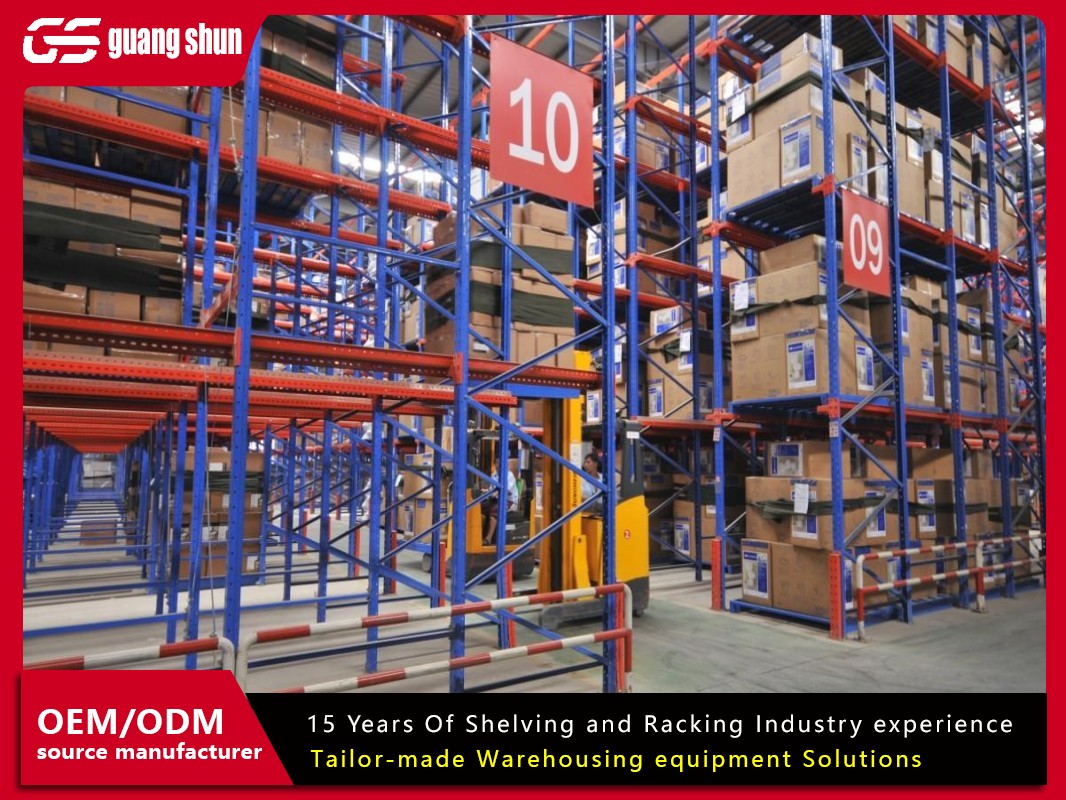
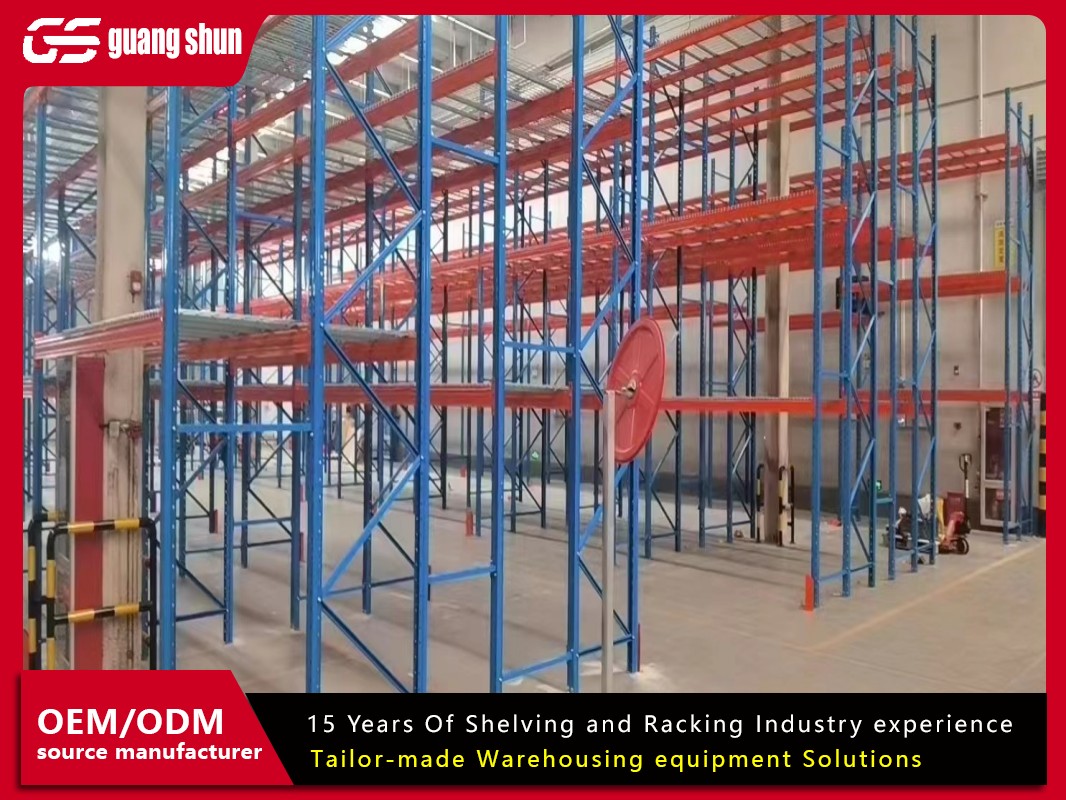
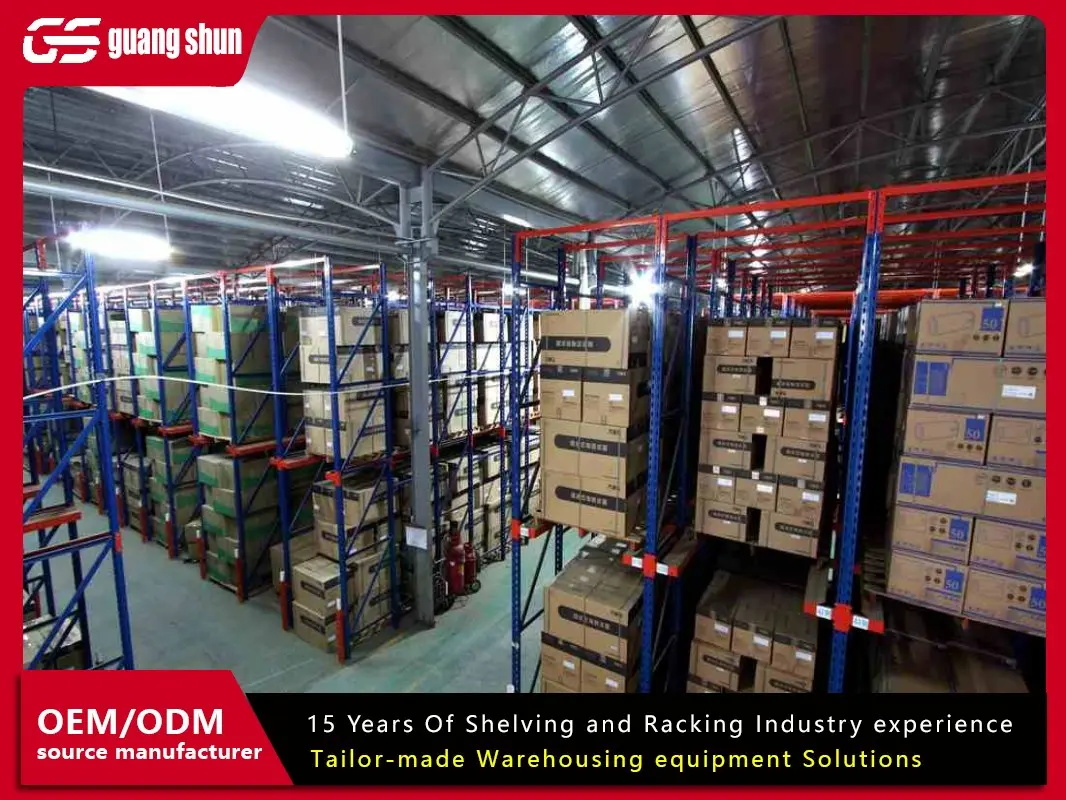
Every square foot of your warehouse is valuable real estate. How you use that vertical and horizontal space directly impacts your operational efficiency, safety, and bottom line. At the heart of any efficient storage strategy is effective logistics racking.
Choosing the wrong system can lead to wasted space, damaged inventory, slow order picking, and unsafe working conditions. This article cuts through the complexity to help you understand your options and make an informed decision.
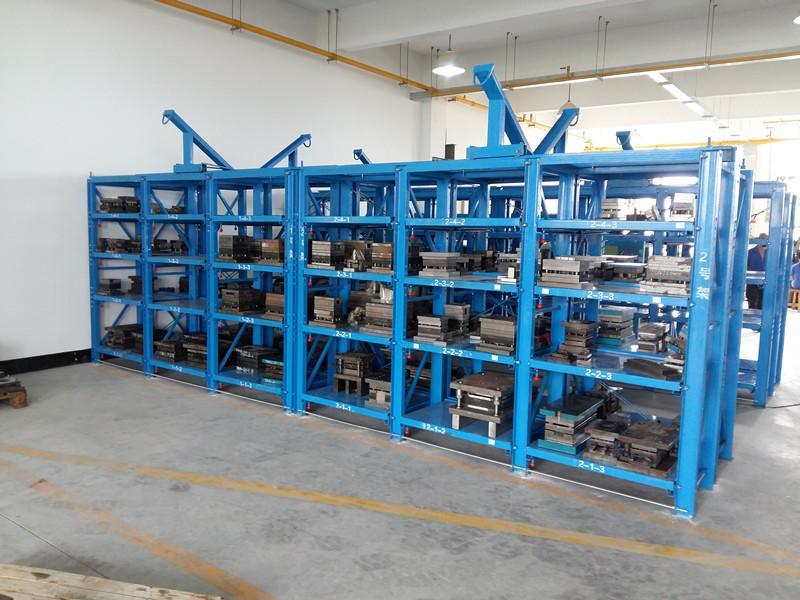
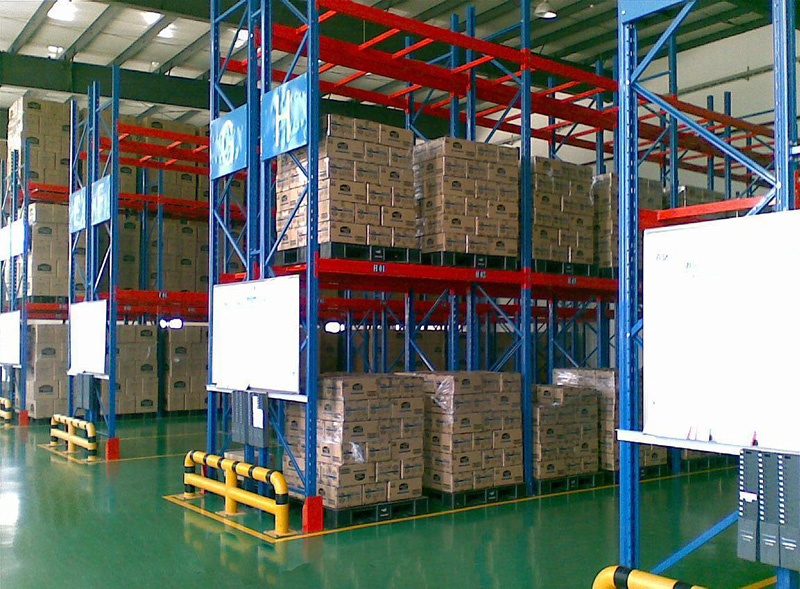
Logistics racking refers to the engineered storage systems designed to hold palletized or non-palletized goods in a systematic, accessible, and secure manner within a warehouse or distribution center. It is the foundational framework upon which inventory management, order fulfillment, and material flow are built. An optimized racking system maximizes storage density, improves accessibility, and supports efficient material handling equipment movement.
Main Types of Logistics Racking Systems
Not all storage needs are the same. The ideal logistics racking solution depends on your inventory profile, throughput, and building characteristics.
Selective Pallet Racking
This is the most common and versatile type of warehouse racking. It allows direct access to every single pallet, making it ideal for a wide variety of SKUs with high selectivity needs.
Drive-In/Drive-Through Racking
In this high-density system, forklifts drive directly into the rack structure to place or retrieve pallets. Drive-in racking has one entrance; drive-through has two.
Push Back Racking
Pallets are stored on nested carts on inclined rails. When a new pallet is loaded, it pushes the previous pallets back. Retrieval works in reverse.
Pallet Flow Racking
A dynamic system using gravity. Loaded pallets are placed at the high end of a slightly inclined rail and flow to the pick face at the low end.
Cantilever Racking
This system features horizontal arms extending from vertical columns, ideal for storing long, bulky items like timber, pipes, or furniture.
Mezzanine Systems
While not racking in the traditional sense, mezzanines create a second or third level within a warehouse, effectively doubling or tripling usable floor space for storage, offices, or packing stations.
Selecting a racking system is a significant investment. Follow this practical guide.
1. Analyze Your Inventory Profile.
What are you storing? List your pallet dimensions, weights, and load types. Note product variety (SKU count) and how many pallets you have of each SKU. This determines needed beam strength, rack configuration, and density requirements.
2. Evaluate Your Throughput and Access Needs.
How quickly do goods move? High-turnover items need to be at the pick face in a selective racking system. Slower-moving bulk items can go into high-density drive-in racking.
3. Calculate Your Space and Height Utilization.
Measure your available floor space and clear ceiling height. The goal of modern logistics racking is to use the full cubic volume of the building. Taller buildings can benefit from very narrow aisle (VNA) racking with specialized forklifts.
4. Consider Future Growth and Flexibility.
Choose a racking system that can adapt. Most selective racking is adjustable and reconfigurable. Can your chosen system be easily expanded or modified as your business changes?
5. Integrate with Material Handling Equipment (MHE).
Your racking and your forklifts must be compatible. Aisle width is dictated by the turning radius of your MHE. The weight capacity of both must align.
The price of logistics racking varies widely based on type, size, capacity, and required seismic ratings. Selective racking is often the most cost-effective entry point per position, while high-density automated systems have a higher upfront cost.
Consider total cost of ownership:
Logistics racking is a structural system. Safety is paramount.
Load Capacity and Engineering.
Every component has a Rated Load Capacity (RLC). Never exceed it. Systems must be designed by qualified engineers to meet local building codes and seismic standards.
Professional Installation.
Improper installation is a leading cause of rack failure. Always use certified installers who follow the manufacturer’s specifications and use proper torque on bolts.
Regular Inspections and Damage Protocol.
Implement a scheduled inspection program. Any significant damage (especially to upright frames) must be assessed immediately by a rack safety professional. Racking systems should never be modified (e.g., welded, cut) without engineering approval.
Look for a partner, not just a vendor.
Prepare questions about their design process, lead times, warranty, and post-installation support. A good supplier will ask detailed questions about your operation to recommend the best solution.
Your logistics racking is the backbone of your warehouse. A well-planned, professionally installed, and properly maintained system is not an expense—it’s a strategic asset that drives efficiency, safety, and profitability. By carefully assessing your needs and partnering with a reputable expert, you can build a storage infrastructure that supports your business for years to come.
Q1: What is the most common type of logistics racking used?
A1: Selective pallet racking is by far the most common type. Its versatility, direct access to every pallet, and relatively low cost make it suitable for the vast majority of warehouse applications handling diverse SKUs.
Q2: How do I know if my floor can support a new racking system?
A2: A professional rack supplier or engineer will conduct a site survey. They will assess floor flatness, compressive strength, and the location of existing elements. In many cases, warehouse floors are designed for high loads, but verification is a critical first step before installation.
Q3: Can I mix different types of racking in one warehouse?
A3: Absolutely. This is often the best approach. For example, you might use selective racking for fast-moving items, push-back racking for medium-turnover bulk goods, and a small cantilever section for long products. This hybrid strategy optimizes both space and accessibility.
Q4: How often should warehouse racking be inspected?
A4: The industry standard, supported by safety organizations, is to have a formal, documented inspection conducted by a trained professional at least annually. However, forklift operators and warehouse staff should be trained to perform and report basic visual inspections for damage daily or weekly.
Q5: Is used or refurbished racking a safe option to save money?
A5: It can be, but caution is essential. Only purchase from a reputable supplier who can certify the components' history, capacity, and condition. Critical elements, especially upright frames, should be carefully examined for straightness and any signs of repair. Never mix components from different manufacturers or systems without engineering approval.

 Wechat
Whatsapp
Wechat
Whatsapp