A dynamic racking system is a key tool for modern warehousing. It moves pallets automatically from the loading to the picking face. This approach is different from traditional static storage. It is designed for high-throughput operations with many SKUs. Understanding how a dynamic racking system works can help improve your logistics. This article explains its core functions and practical uses.
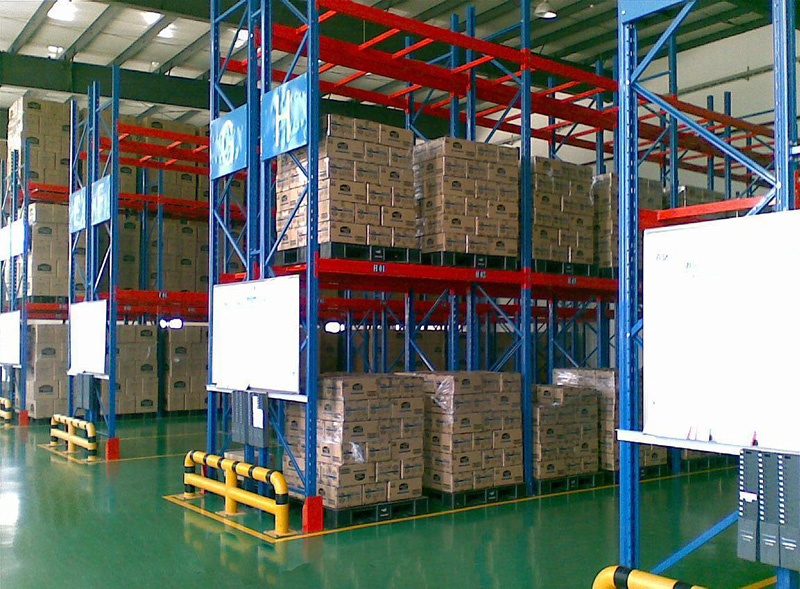
A dynamic racking system uses gravity or mechanical drives to move goods. The main goal is to ensure stock rotation and reduce manual handling. Goods are loaded at the higher end of a lane. They then move slowly to the lower end for picking.
The system relies on inclined rails with wheel or roller tracks. Gravity provides the force for movement. Speed controllers manage the flow of pallets. This prevents collisions and ensures smooth operation.
Load pallets at the rear (high end) of the lane.
Pallets glide forward on rollers due to the slope.
Pick from the front (low end) in a strict sequence.
Automatic braking systems control descent speed.
This setup creates a continuous flow. It is a key feature of any dynamic racking system.
Several designs fall under the dynamic racking system category. Each type suits specific inventory profiles. The choice depends on product weight, turnover, and space.
This is the most common type. It uses gravity for dense storage of palletized goods. Lanes can be deep, holding many pallets behind each other.
Ideal for high-volume items with FIFO rotation.
Suitable for perishable goods or dated products.
Requires a slight but consistent floor slope for installation.
Designed for smaller cases and cartons, not full pallets. It uses smaller rollers within shelving frames. Perfect for order picking in distribution centers.
Used for broken-case picking operations.
Often integrated into mezzanine or shelving systems.
Improves picker productivity by bringing items forward.
Both pallet and carton flow are efficient forms of a dynamic racking system.
Some high-density systems incorporate dynamic concepts. While not purely gravity-based, they optimize movement. They allow forklifts to drive into the rack structure to store/retrieve loads.
Maximizes cube utilization in a given footprint.
Better for lower SKU count with very high volume.
Requires skilled forklift operators for safe use.
Adopting a dynamic racking system offers clear operational advantages. These benefits justify the investment for many businesses.
These systems use warehouse cube more effectively. They allow for deeper lanes compared to selective racking. This increases storage density without expanding the building.
Reduce aisle space needed for access.
Store more pallets in the same square footage.
Free up floor space for other operations.
First-In, First-Out stock rotation is automatic. Products are picked in the exact order they were stored. This is vital for industries with expiry dates.
Eliminates risk of older stock being forgotten.
Reduces product spoilage and waste.
Simplifies inventory accounting and control.
A dynamic racking system enforces this discipline by design.
Pickers don't need to travel or search within aisles. The next pallet or carton is always at the front face. This cuts walk time and speeds up order fulfillment.
Increase picks per hour significantly.
Reduce physical fatigue for warehouse staff.
Lower labor costs over the long term.
The price of a dynamic racking system is higher than standard racking. Several elements contribute to the total investment. Planning for these is essential.
The mechanical components add cost. Rollers, speed controllers, and rails are more complex than static beams. Quality and load capacity directly influence price.
High-capacity rollers for heavy loads cost more.
Braking systems vary in sophistication and price.
Custom lane depths require specific engineering.
Installation is not a DIY project. It requires precise leveling and sloping of the floor. Professional installation is a major part of the budget.
Site survey and potential floor preparation work.
Specialized installers with experience in dynamic systems.
Possible need for building modifications.
These factors make the initial outlay for a dynamic racking system substantial.
Consider maintenance and energy use. While labor costs drop, system upkeep is needed. Moving parts will wear over time.
Regular inspection of rollers and brakes.
Cleaning of tracks to ensure smooth flow.
Potential replacement of worn components.
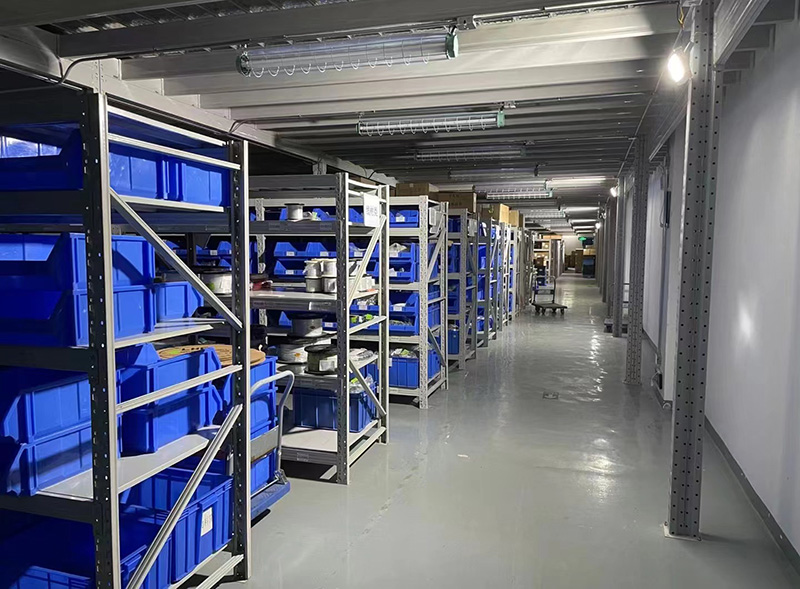
A dynamic racking system is not a universal solution. It excels in specific scenarios. Evaluate your operation against these criteria.
This system works best where product rotation is critical. It fits operations with predictable, high-volume flows.
Food and beverage distribution (FIFO essential).
Cooled and frozen storage facilities.
Manufacturing with high-volume raw material staging.
Distribution centers for fast-moving consumer goods.
There are cases where a different solution may be better. For example, if you have many slow-moving SKUs or need direct access to every pallet.
Operations with very low turnover rates.
Warehouses storing large, irregularly shaped items.
Businesses with extremely tight upfront budgets.
Consulting with a storage expert can help determine if a dynamic racking system matches your needs.
A dynamic racking system is a powerful tool for efficient warehouse management. It boosts density, enforces stock rotation, and improves picking speed. The investment is significant but can offer a strong return through space and labor savings. Careful analysis of your product profile, volume, and processes is the first step. If your operation aligns with its strengths, implementing a dynamic racking system can be a transformative upgrade for your logistics.
Q1: What is the main difference between static and dynamic racking system?
A1: The main difference is movement. In a static system, pallets stay in place until a forklift removes them. A dynamic racking system uses gravity or mechanics to move pallets automatically to the picking face, following a FIFO sequence.
Q2: How fast do pallets move in a typical dynamic racking system?
A2: Speed is controlled and relatively slow. Brakes and regulators ensure pallets move steadily to prevent damage. The speed is not about rapid transport but about reliable, continuous flow from the back to the front of the lane.
Q3: Can a dynamic racking system handle different pallet sizes in the same lane?
A3: Generally, no. For smooth operation, lanes are typically dedicated to one pallet size and type. Mixing sizes can cause jams or uneven movement. Proper planning involves grouping SKUs with similar load specifications.
Q4: What kind of maintenance does a dynamic racking system require?
A4: Regular maintenance includes inspecting rollers for wear, ensuring brakes function correctly, and keeping tracks clean from debris. A scheduled check by technicians is recommended to prevent unexpected downtime and ensure safety.
Q5: Is a dynamic racking system compatible with warehouse automation like AGVs?
A5: Yes, it can be highly compatible. Automated Guided Vehicles (AGVs) or forklifts can be programmed to load pallets at the rear of the system. This creates a highly automated storage and retrieval process, reducing manual intervention further.

 Wechat
Whatsapp
Wechat
Whatsapp