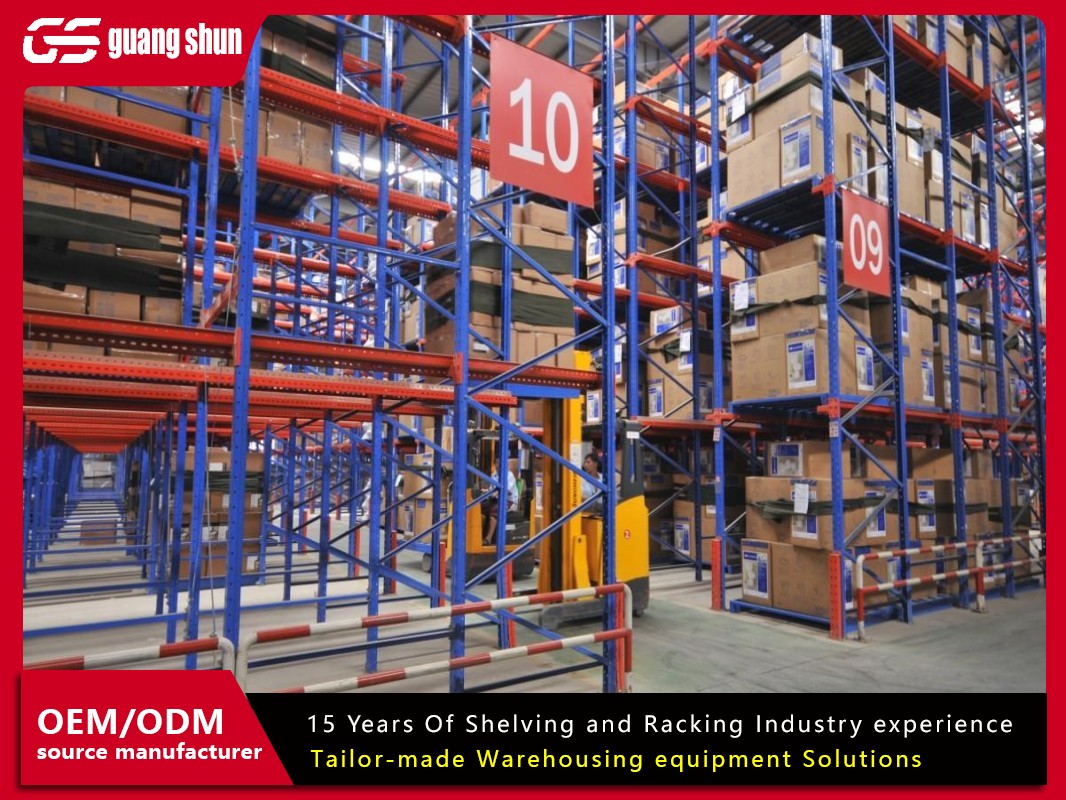
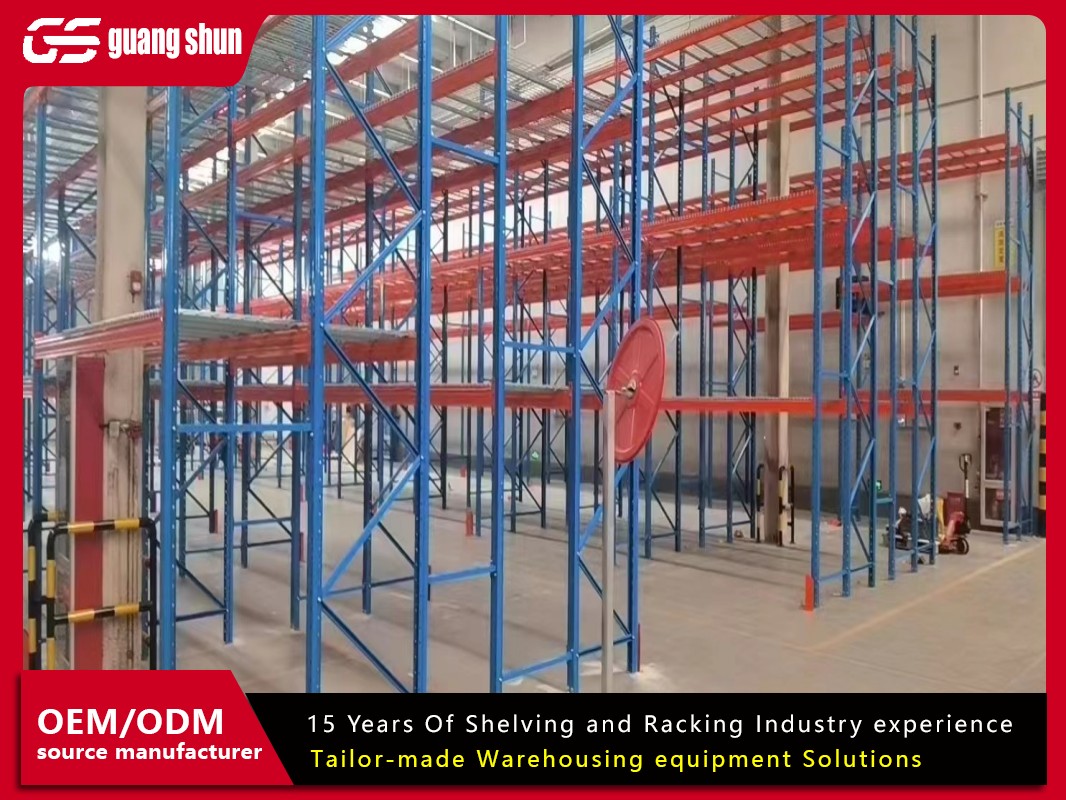
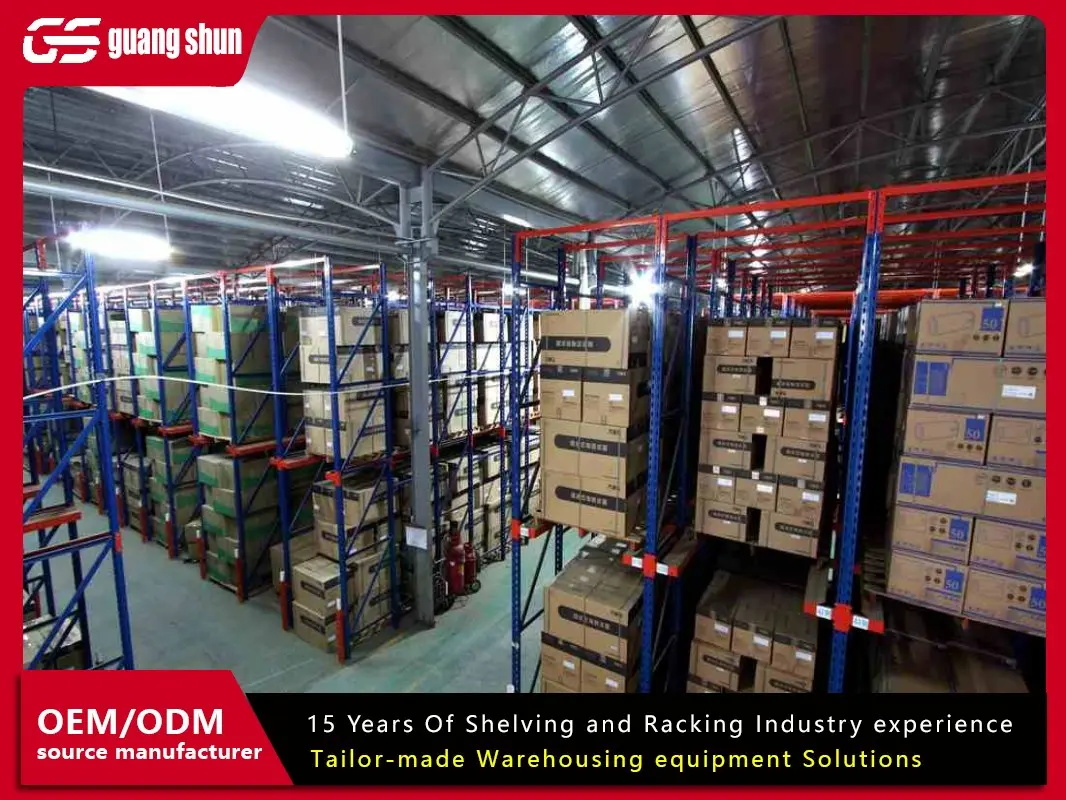
When planning a warehouse or storage facility, understanding the racking system price is crucial. Costs can vary widely based on multiple elements. This guide provides a detailed look at what influences pricing. It helps you budget effectively and choose the right solution. Knowing the racking system price upfront can prevent surprises. It ensures you get value for your investment.
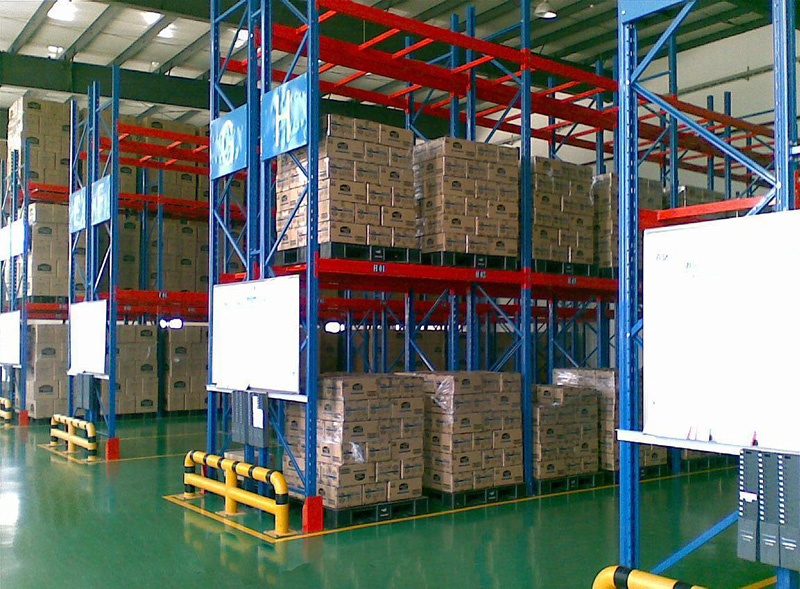
The racking system price depends on several core factors. Each aspect adds to the overall cost. By evaluating these, you can estimate expenses accurately.
Materials used directly impact cost. Steel is common but comes in grades. Higher-grade steel increases durability and price.
Galvanized steel resists corrosion but costs more.
Powder-coated options offer color choices at moderate prices.
Thicker beams and uprights raise the racking system price due to more material.
Different racking types have varied price points. Simple designs are affordable. Complex setups require engineering, raising costs.
Selective pallet racking is often budget-friendly.
Drive-in systems need more structure, increasing the racking system price.
Custom designs for odd spaces can be expensive.
Installation adds to the total racking system price. Labor rates vary by region. Professional installation ensures safety but incurs fees.
DIY installation saves money but risks errors.
Site preparation like flooring upgrades can add costs.
Permits and inspections may involve extra charges.
It helps to compare racking system price across types. Each system serves unique needs. Prices reflect functionality and capacity.
This is a popular choice for accessibility. Costs are generally lower. The racking system price for selective racking starts modestly.
Basic systems: $100-$200 per bay.
Mid-range with adjustments: $200-$400 per bay.
High-capacity versions: $500+ per bay.
These systems maximize density. They often have higher racking system price due to complex builds.
Drive-through for faster access: $350-$700 per position.
Costs rise with depth and height requirements.
Ideal for long items like pipes. The racking system price here depends on arm length and load capacity.
Single-sided cantilever: $200-$500 per arm.
Double-sided units: $400-$800 per arm.
Heavy-duty models for industrial use cost more.
Estimating the racking system price involves a few steps. Start by assessing your needs. Then, gather quotes from suppliers.
Measure storage space and inventory volume.
Decide on racking type based on access frequency.
Factor in future expansion to avoid early replacements.
Request detailed quotes including installation and taxes.
Online calculators can provide rough estimates. However, professional consultations give accurate racking system price details. Always compare multiple vendors.
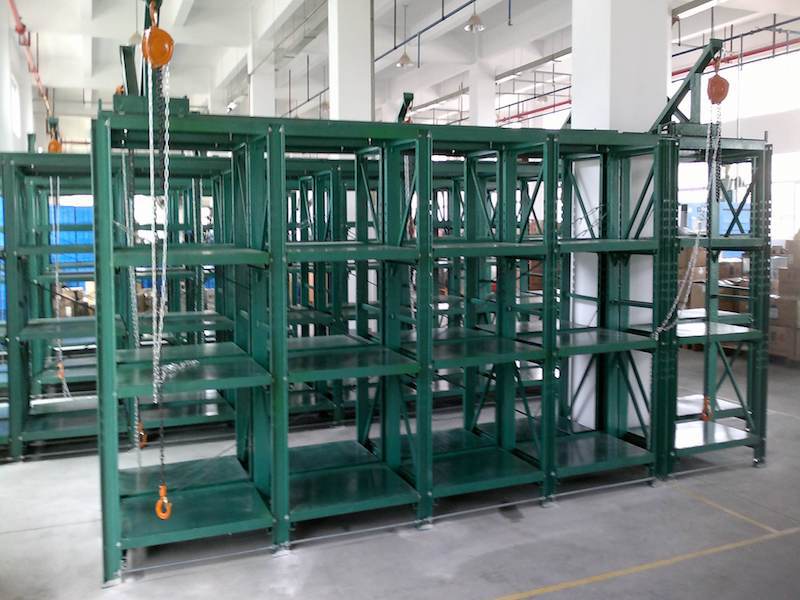
You can manage the racking system price without compromising quality. Smart strategies help cut costs effectively.
Efficient layouts use space well. This reduces the number of racks needed. Thus, lowering the overall racking system price.
Use vertical space to minimize footprint.
Standardize rack sizes to avoid custom fees.
Plan for easy access to reduce maintenance costs.
Used racking systems are often cheaper. They can be a good fit for tight budgets. Inspect for wear and safety.
Buy from reputable dealers with warranties.
Check for compatibility with your inventory.
Refurbished units may offer near-new performance at lower racking system price.
Buying in bulk can lead to discounts. Negotiate with suppliers for better rates. This directly affects the racking system price.
Order complete systems rather than piecemeal.
Ask for package deals including installation.
Time purchases during off-seasons for promotions.
Understanding the racking system price is key to a successful purchase. It involves balancing cost with quality and needs. By considering factors like material, type, and installation, you can make informed choices. Remember to compare options and seek savings. Ultimately, a well-planned racking system price investment improves storage efficiency and pays off over time.
Q1: What is the average racking system price for a small warehouse?
A1: The average racking system price for a small warehouse ranges from $2,000 to $10,000. It depends on the system type, material, and installation. Selective pallet racking might cost less, while drive-in systems are higher. Get quotes based on your specific layout.
Q2: How does racking system price vary by load capacity?
A2: Racking system price increases with load capacity. Light-duty systems cost less, often under $150 per bay. Medium-duty ranges from $150-$300 per bay. Heavy-duty systems, supporting over 10,000 lbs, can exceed $500 per bay. Always match capacity to your inventory weight.
Q3: Can installation significantly affect the total racking system price?
A3: Yes, installation can add 20-30% to the total racking system price. Labor costs, site preparation, and permits contribute. DIY installation saves money but requires expertise. Professional installers ensure safety and compliance, which may justify the extra cost.
Q4: Are there hidden costs in racking system price?
A4: Hidden costs in racking system price can include taxes, shipping fees, and maintenance. Some suppliers charge for design consultations or modifications. Always ask for a detailed breakdown to avoid surprises. Factor in long-term upkeep like repairs or replacements.
Q5: How can I verify the quality relative to racking system price?
A5: To verify quality, check materials, certifications, and warranties. Look for systems meeting safety standards like OSHA or RMI. Read reviews and request samples. A higher racking system price often indicates better durability, but compare features to ensure value.

 Wechat
Whatsapp
Wechat
Whatsapp