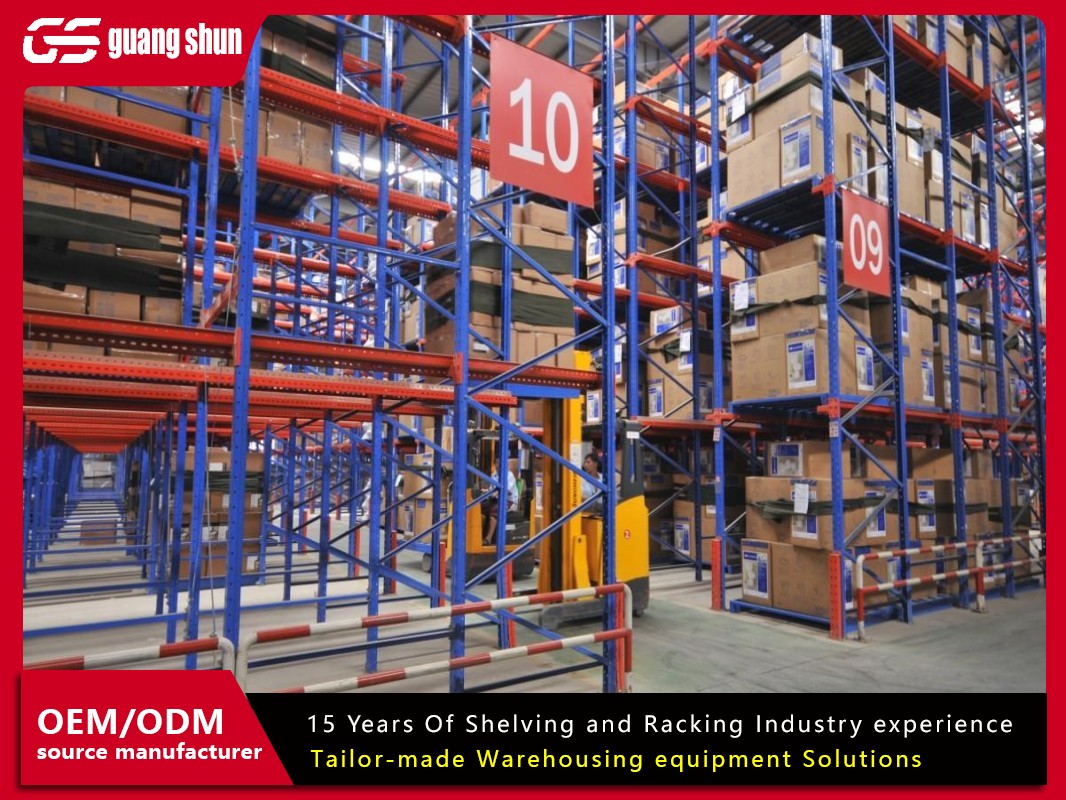
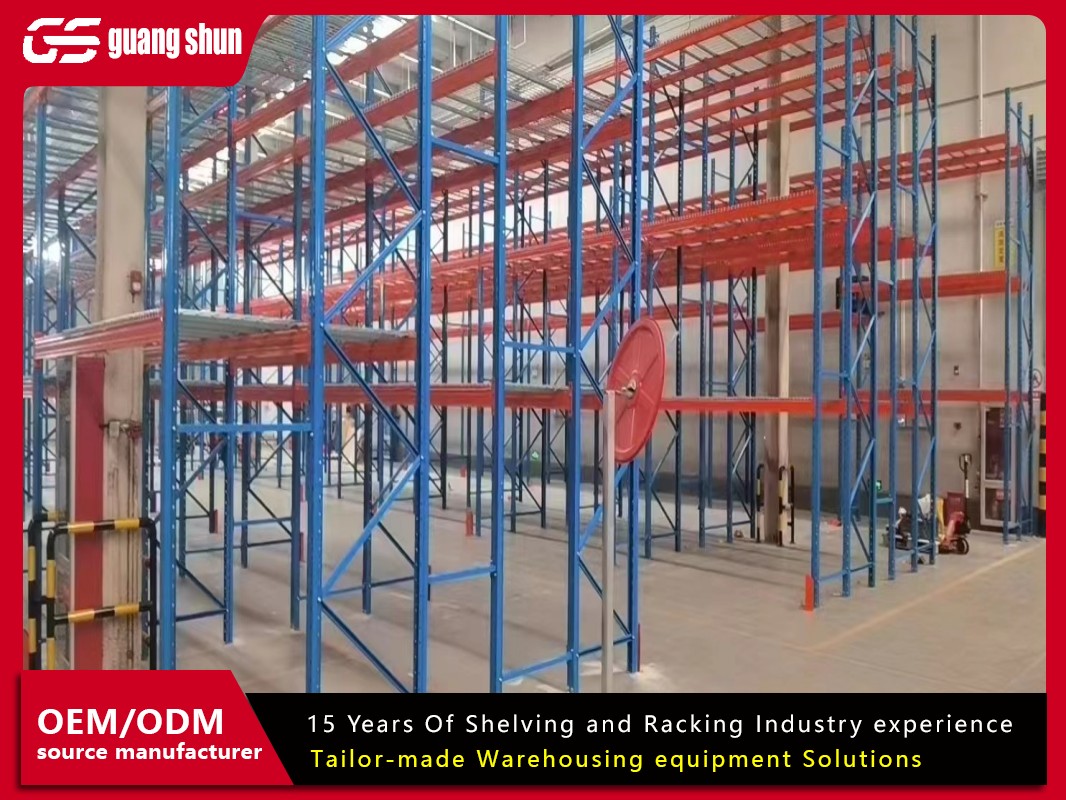
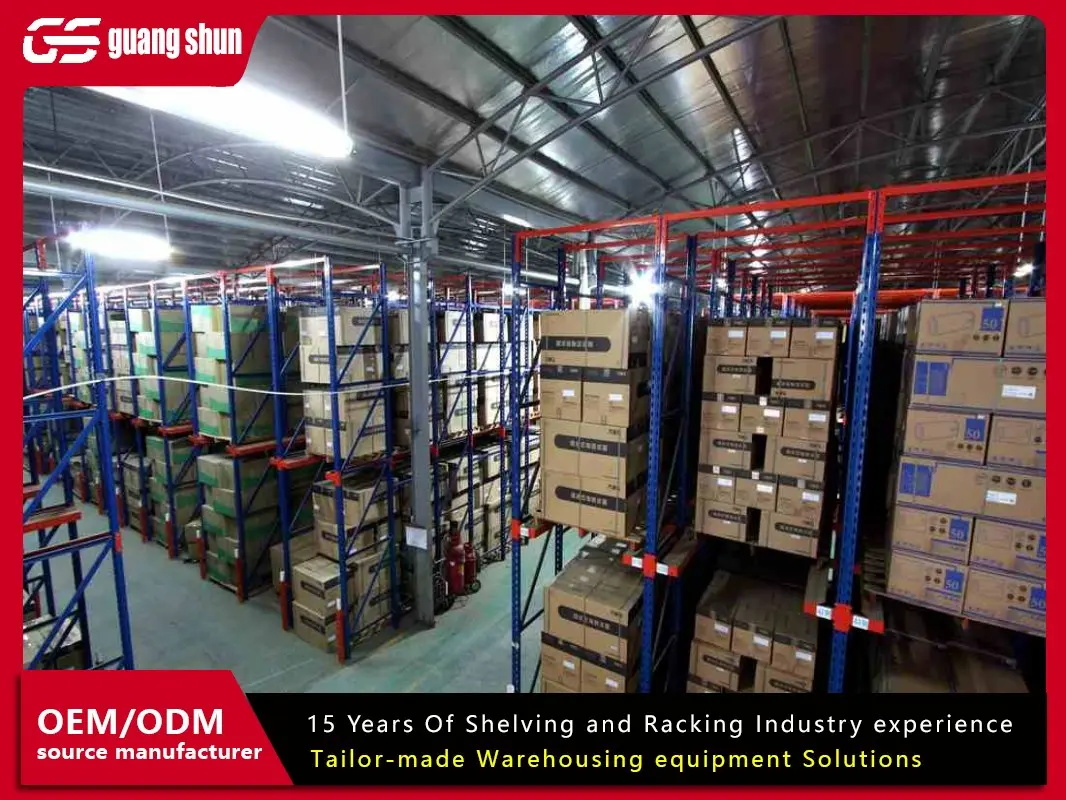
Industrial storage often requires solutions for long and bulky items. A metal cantilever rack is designed to meet this need, offering durability and flexibility. This system uses arms extending from a central column for easy access. In this article, we explore key aspects to help you understand and select the right rack.
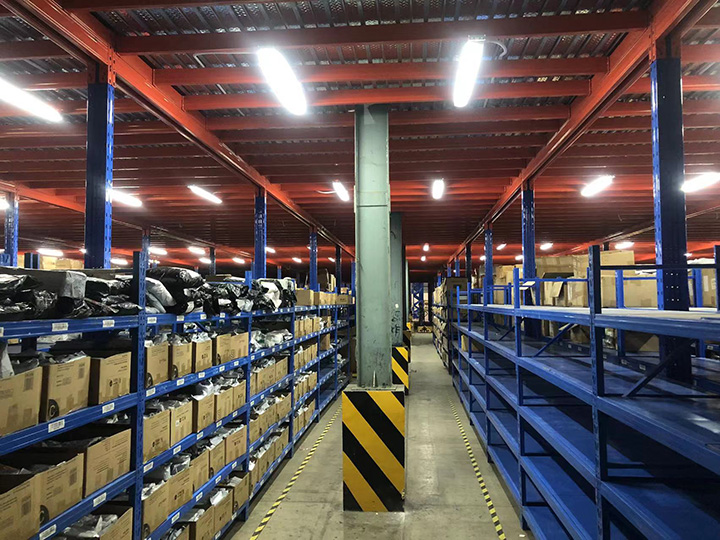
A metal cantilever rack is a storage unit built without front columns. This allows unobstructed access to stored goods. It is commonly used for items like lumber, pipes, and furniture.
The rack consists of vertical columns and horizontal arms. Arms can be adjusted to fit different lengths. Most are made from steel for strength and longevity.
Design: Arms extend from one or both sides of columns.
Materials: Typically high-grade steel with protective coatings.
Capacity: Can support heavy loads, often over 1,000 pounds per arm.
Understanding the parts helps in maintenance and selection. Each component plays a role in stability and function.
The vertical columns are the main support structure. They are anchored to the floor for safety. Horizontal arms attach to these columns to hold items.
Columns: Upright frames made from sturdy metal.
Arms: Adjustable shelves that slide into columns.
Base plates: Secure the rack to the ground.
Bracing: Adds lateral stability to prevent tipping.
Different designs cater to various storage needs. Choosing the right type improves efficiency and space use.
This type has arms extending from one side of the column. It is ideal for placement against walls. A single-sided metal cantilever rack saves space in tight areas.
It is often used in retail backrooms or small warehouses. Load capacity is typically lower than double-sided versions.
Arms extend from both sides of the columns. This design maximizes storage in open areas. It allows access from two aisles for convenience.
A metal cantilever rack of this type suits large warehouses. It can hold more items per unit floor space.
This system includes wheels or tracks for movement. It is useful in facilities requiring flexible layout changes. Mobile racks can be condensed to save space.
They often feature locking mechanisms for safety. Consider floor strength when using mobile designs.
Built with reinforced arms and columns, this type handles extreme weights. It is common in construction or manufacturing settings. Load capacity can exceed 5,000 pounds per arm.
Installation requires professional assessment. Regular inspections are crucial for safety.
Arms and columns can be easily reconfigured. This allows adaptation to changing storage needs. Adjustable racks are versatile for seasonal items.
They may include pin-based or bolt-less systems. This simplifies maintenance and adjustments.
Implementing a metal cantilever rack offers several advantages for businesses. These benefits enhance storage efficiency and safety.
First, it provides excellent accessibility. Without front columns, workers can easily load and unload items. This speeds up operations in busy environments.
Space efficiency: Maximizes vertical storage while reducing aisle clutter.
Flexibility: Arms adjust to accommodate various item sizes and shapes.
Durability: Steel construction resists wear and tear over time.
Safety: Stable design reduces risk of collapses when properly installed.
Cost-effective: Long lifespan lowers replacement costs.
Organization: Improves inventory management with clear visibility.
Scalability: Easy to expand by adding more columns or arms.
These benefits make it a popular choice for industrial settings. Investing in a quality rack can lead to long-term savings.
Metal cantilever rack systems are used across many industries. Their design suits items that are long, bulky, or irregular.
In warehouses, they store materials like steel bars or plastic tubes. Manufacturing plants use them for raw material organization. Retail stores keep furniture or carpets on these racks.
Construction: Holds lumber, piping, and scaffolding.
Automotive: Stores parts, tires, and metal sheets.
Archiving: Keeps rolled maps or blueprints safe.
Distribution: Manages inventory of long-handled tools.
Proper application ensures optimal use of space and resources. Always match the rack type to your specific items.
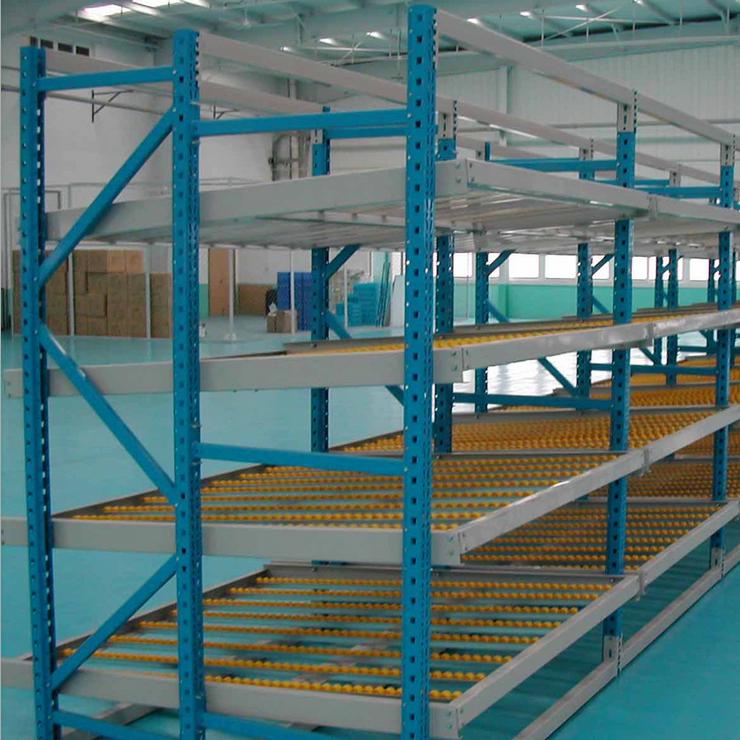
Selecting the best metal cantilever rack involves careful planning. Consider these factors to avoid common pitfalls.
Determine the types and weights of items to store. Measure item lengths to ensure arm adjustments fit. Plan for future growth to avoid quick upgrades.
List all requirements before consulting suppliers. This helps in getting accurate quotes and recommendations.
Measure available floor space and ceiling height. Consider aisle widths for equipment access. A well-planned layout improves workflow efficiency.
Tip: Allow enough space for safe loading and unloading.
Goal: Balance storage density with accessibility needs.
Verify the rack's load rating per arm and overall. Include safety margins for unexpected heavy items. Look for features like locking arms or reinforced bases.
A metal cantilever rack should meet industry safety standards. Consult guidelines from organizations like OSHA or RMI.
Choose steel with coatings for corrosion resistance. In humid areas, galvanized or powder-coated finishes are ideal. Avoid materials that may degrade quickly.
Factor in temperature extremes or chemical exposure. This affects the rack's longevity and performance.
Compare prices from different suppliers. Focus on value rather than just low cost. Check warranties and customer reviews for reliability.
Invest in a system that offers good support and service. This ensures help with installation or maintenance issues.
Proper installation is key for a safe metal cantilever rack. Follow these steps to ensure stability and function.
Start by preparing the site. The floor should be level and clean. Anchor points must be marked accurately for drilling.
Step 1: Assemble vertical columns according to instructions.
Step 2: Attach arms at desired heights, ensuring they are level.
Step 3: Secure the rack to the floor using base plates and bolts.
Step 4: Add bracing for extra stability, especially for tall racks.
Step 5: Conduct a load test with gradual weight increase.
Always hire trained professionals if unsure. Incorrect installation can lead to accidents or damage.
Safety must be a priority when using a metal cantilever rack. Simple practices prevent injuries and equipment failure.
Never exceed the stated load capacity. Distribute weight evenly across arms. Avoid placing items that protrude beyond arm ends.
Regular inspections: Check for bends, cracks, or loose bolts monthly.
Employee training: Teach staff proper loading and unloading techniques.
Clear labeling: Mark weight limits and storage zones visibly.
Emergency plans: Have protocols for spills or structural issues.
Report any damage immediately and repair it promptly. A proactive approach reduces risks significantly.
Routine maintenance extends the life of your metal cantilever rack. It also ensures consistent performance and safety.
Clean the rack periodically to remove dust and debris. Inspect for rust or corrosion, especially in joints. Lubricate moving parts if your rack has adjustable features.
Schedule: Perform thorough checks every six months.
Document: Keep records of inspections and repairs.
Action: Replace damaged arms or columns without delay.
Avoid unauthorized modifications to the rack design. Changes can weaken the structure and void warranties. Consult the supplier for any customization needs.
A metal cantilever rack is a versatile and durable storage solution for various industries. By understanding types, benefits, and selection criteria, you can optimize your storage space. Proper installation and maintenance further enhance safety and efficiency.
Investing in the right system improves organization and reduces operational costs. For reliable options, consider trusted suppliers with proven expertise in storage solutions.

 Wechat
Whatsapp
Wechat
Whatsapp