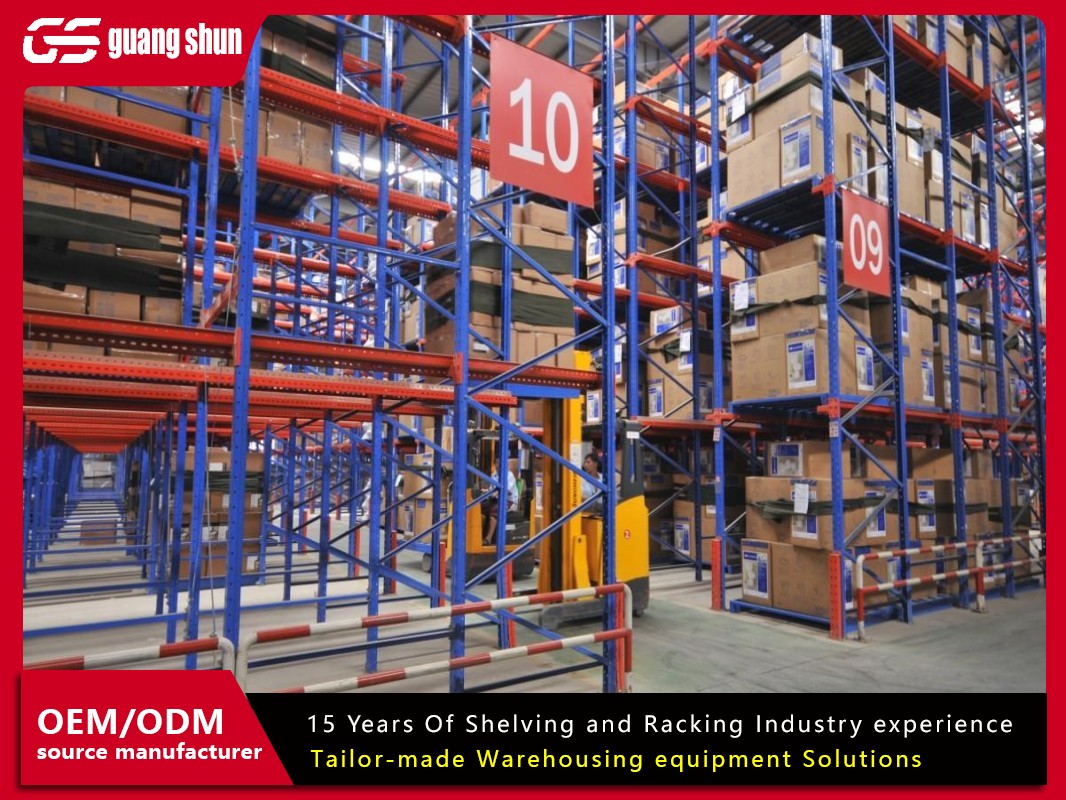
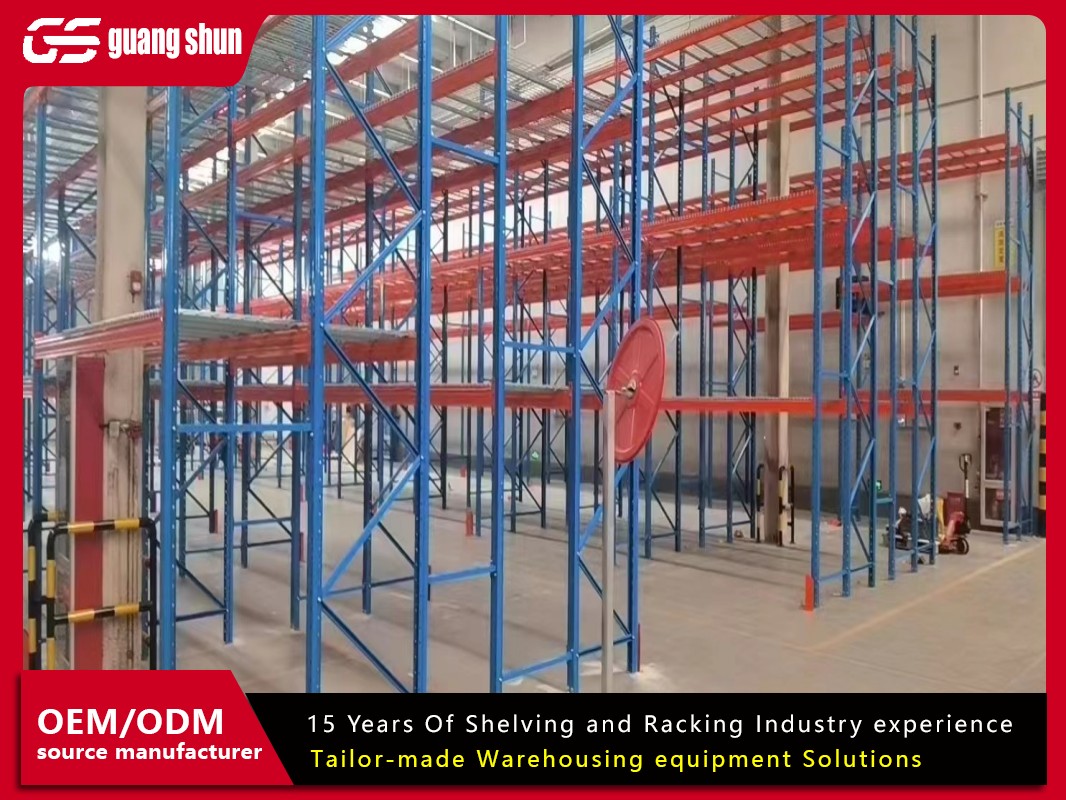
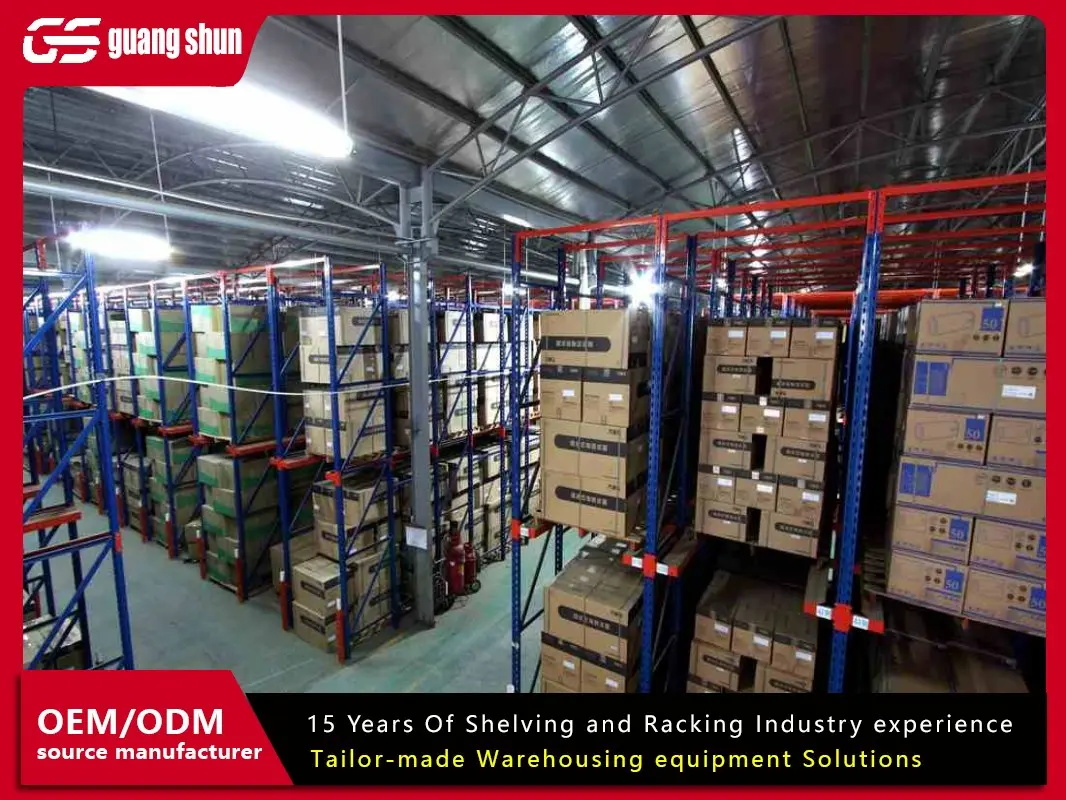
Industrial and warehouse operations often require robust storage solutions to handle substantial weight. Heavy load shelving is designed for this purpose, offering durability and organization. This article explores various aspects of these systems to help you make informed decisions.
Heavy load shelving refers to storage units built to support significant loads, typically from hundreds to thousands of pounds. These systems are common in warehouses, factories, and retail backrooms.
They are engineered with strong materials like steel. This ensures stability and safety under pressure. Key features include adjustable shelves and reinforced frames.
Capacity: Can hold items from 500 lbs to over 10,000 lbs per shelf.
Materials: Often made from high-grade steel or reinforced metal.
Applications: Used in logistics, manufacturing, and archival storage.
Different designs cater to specific storage needs. Understanding these types helps in selecting the right system.
Pallet racking is a popular form of heavy load shelving. It stores palletized goods efficiently. Common variants include selective and drive-in racking.
Selective racking: Allows direct access to each pallet.
Benefits: Improves warehouse space utilization and airflow.
This system is ideal for long, bulky items like pipes or lumber. It features arms extending from a central column. Cantilever racking simplifies loading and unloading.
It is a versatile option for irregular shapes. Maintenance involves checking arm stability regularly.
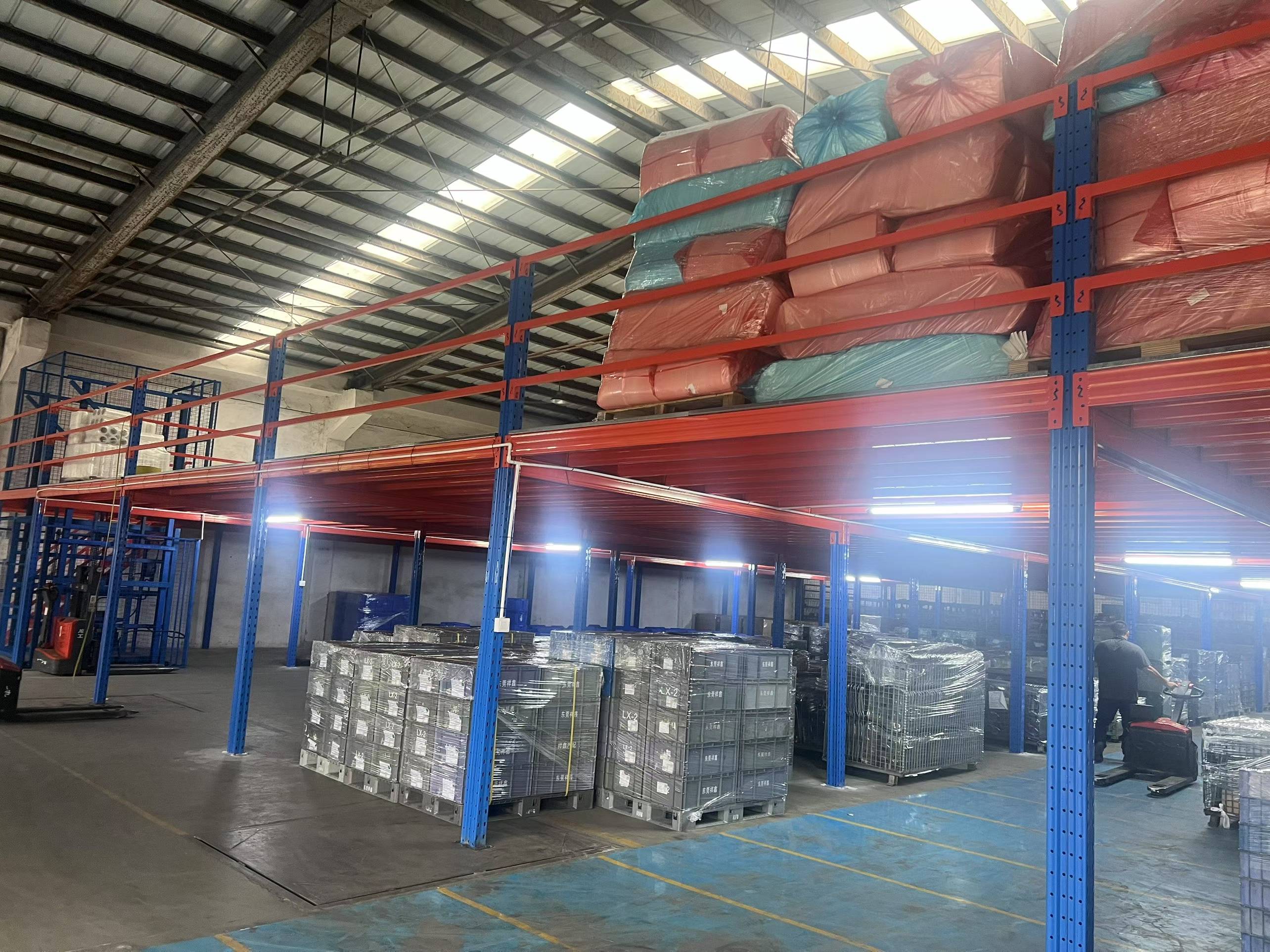
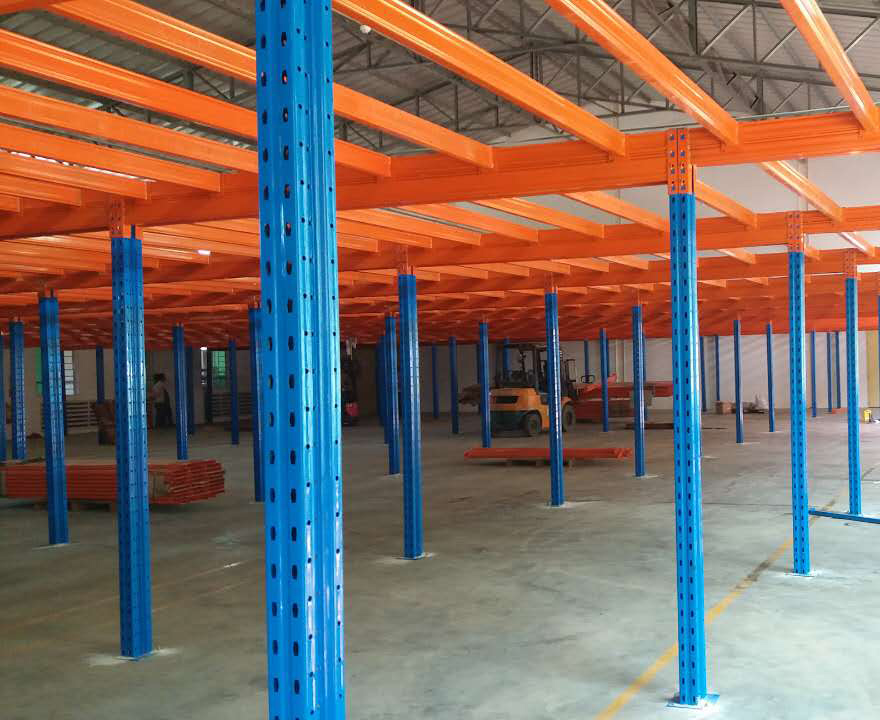
Mezzanine shelving adds vertical storage levels. It uses heavy load shelving to create multi-tiered platforms. This is useful in facilities with high ceilings.
Advantage: Doubles or triples storage without expanding footprint.
Consideration: Requires proper planning for load distribution.
Bolted racking systems are assembled with bolts for extra strength. They handle dynamic loads well. This type is common in environments with frequent changes.
Installation needs precision to ensure safety. Regular inspections are recommended.
Implementing heavy load shelving offers numerous advantages for businesses. These systems enhance operational efficiency and safety.
They provide organized storage, reducing clutter. This leads to faster inventory retrieval. Workers can locate items quickly, boosting productivity.
Space optimization: Maximizes vertical and horizontal space.
Durability: Long-lasting with minimal maintenance needs.
Safety: Reduces risks of collapses or accidents when installed correctly.
Scalability: Easy to expand as storage needs grow.
Cost savings come from reduced damage to goods. Efficient storage also lowers labor costs over time.
Selecting appropriate heavy load shelving involves several factors. Consider your specific requirements to avoid overspending or underperformance.
Determine the maximum weight each shelf must hold. Include future needs to ensure scalability. Overloading can lead to failures.
Check manufacturer specifications for safety margins. It is wise to choose shelving with a higher capacity than currently needed.
Measure available space in your facility. Consider aisle widths for accessibility. Plan for equipment like forklifts if used.
Tip: Use CAD software or consult experts for layout design.
Goal: Balance storage density with easy access.
Choose materials based on environmental conditions. For humid areas, corrosion-resistant coatings are essential. Steel is standard for most heavy load shelving.
Factor in temperature fluctuations or exposure to chemicals. This affects longevity and performance.
Compare upfront costs with long-term benefits. High-quality systems may cost more initially but save money over time. Look for warranties and support.
Consider installation expenses and potential downtime. Investing in durable shelving reduces replacement frequency.
Proper installation is crucial for heavy load shelving safety. Follow guidelines to prevent accidents and ensure stability.
Always use trained professionals for assembly. Check that the floor is level and can support the load. Secure units to walls or columns if needed.
Step 1: Read manufacturer instructions thoroughly.
Step 2: Use appropriate tools and hardware.
Step 3: Conduct load tests before full use.
Regular safety inspections are mandatory. Look for signs of wear, such as bent beams or loose bolts. Train staff on weight limits and proper usage.
Maintaining heavy load shelving extends its lifespan and ensures safety. Simple routines can prevent major issues.
Clean shelves periodically to remove dust and debris. Inspect for rust or damage, especially in joints. Lubricate moving parts if applicable.
Schedule: Perform checks quarterly or after heavy use.
Document: Keep records of inspections and repairs.
Action: Replace damaged components immediately.
Avoid modifications without consulting experts. Unauthorized changes can compromise structural integrity.
Heavy load shelving is a vital component in modern industrial storage. By understanding types, benefits, and selection criteria, you can optimize your operations. Proper installation and maintenance further enhance safety and efficiency.
Investing in the right system pays off through improved organization and cost savings. For reliable options, consider consulting suppliers with proven expertise.

 Wechat
Whatsapp
Wechat
Whatsapp