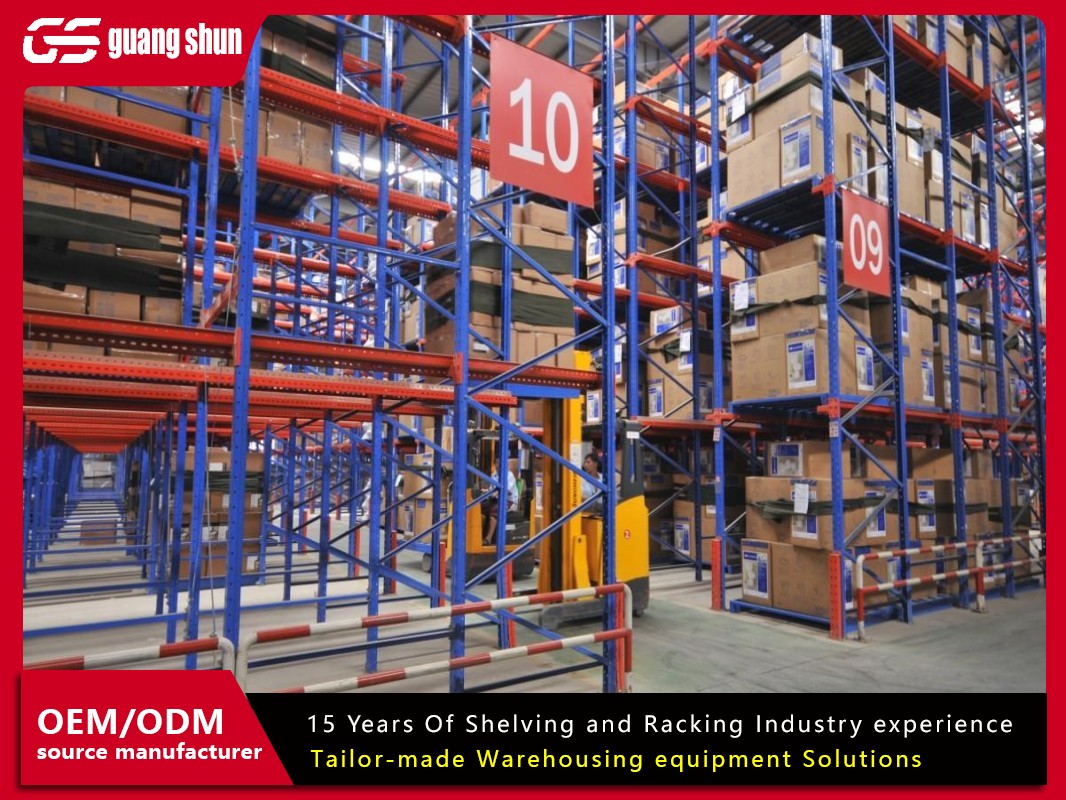
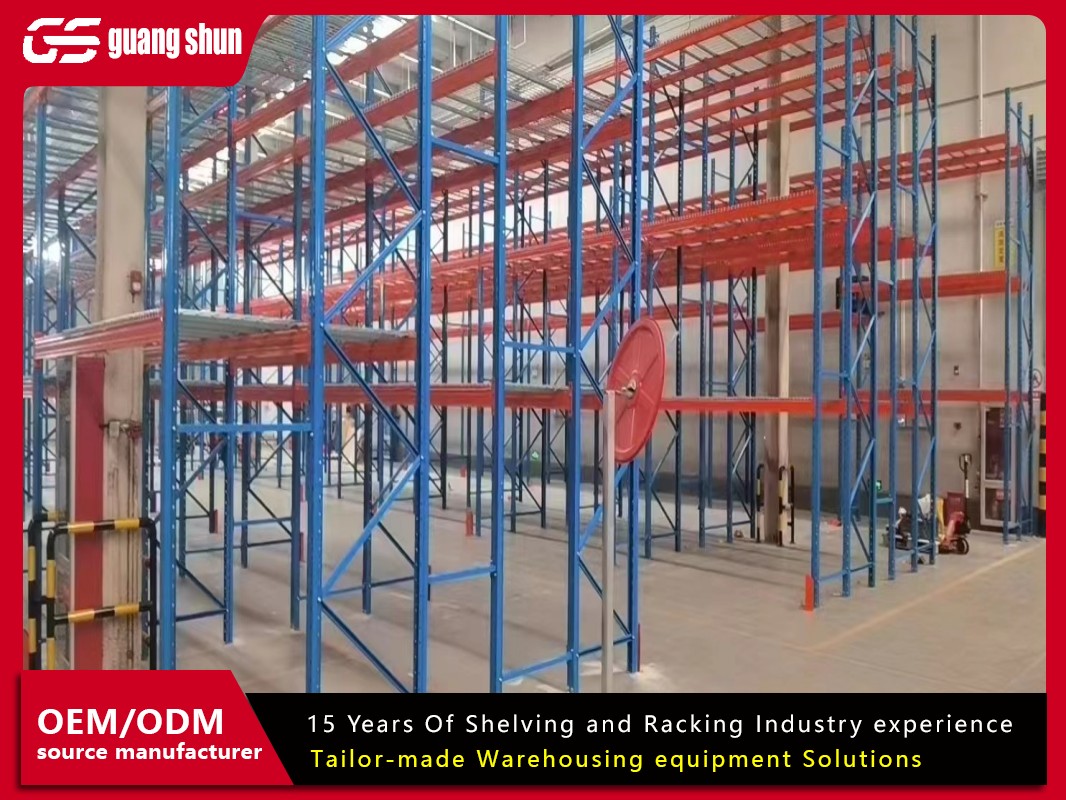
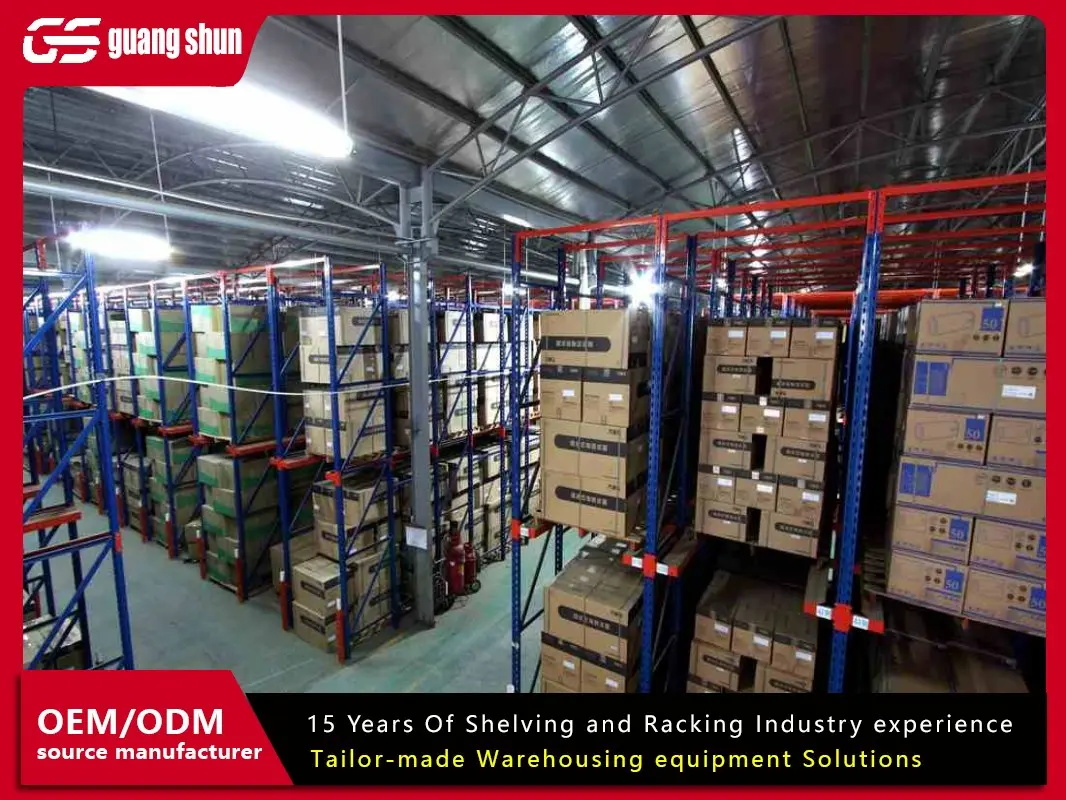
In modern warehousing and distribution, the ability to store long, bulky items efficiently often dictates the overall layout and throughput of a facility. While standard pallet rack beams (typically 96 to 144 inches) serve the majority of unit loads, there is a distinct class of applications that demand significantly longer spans. The specification and engineering of the longest pallet rack beam involve complex trade-offs between material strength, deflection control, and seismic safety. For operations managers and facility engineers, understanding these parameters is essential to avoid structural failures, optimize storage density, and ensure the safe handling of oversize goods.
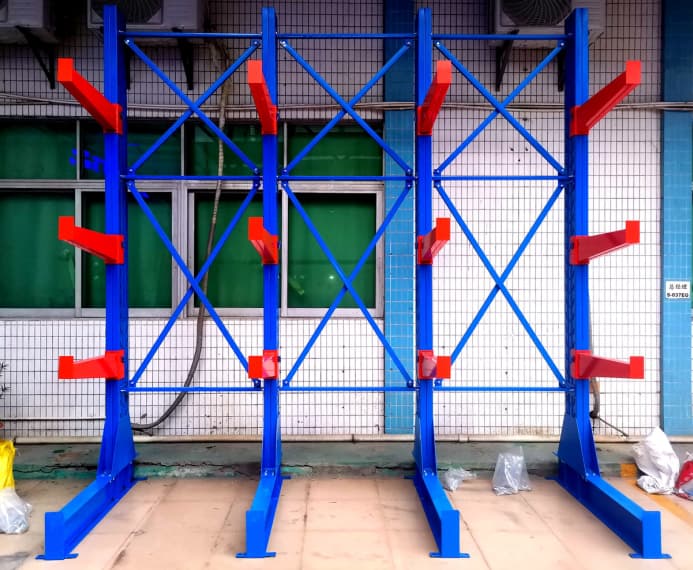
A typical selective pallet rack beam spans between two upright frames, supporting one or two pallets side by side. When the stored product exceeds 144 inches in length—such as lumber, pipes, extrusions, or automotive components—standard beams become inadequate. The term "longest pallet rack beam" generally refers to beams engineered for spans exceeding 20 feet (240 inches), and in some custom installations, up to 30 or even 35 feet. These extended spans allow the rack system to accommodate long items without the need for intermediate uprights, thereby maximizing floor space utilization and simplifying access. However, such lengths introduce significant engineering challenges related to beam stiffness, connection integrity, and dynamic load behavior.
Designing a beam for a 25‑foot span requires a fundamentally different approach than a standard 8‑foot beam. The key considerations revolve around material properties, cross‑sectional geometry, and the interaction with the upright frames.
The load‑bearing capacity of a beam is directly proportional to its section modulus and the yield strength of the steel. For the longest pallet rack beam, manufacturers typically utilize higher‑grade steels such as Q355 or even proprietary high‑strength low‑alloy (HSLA) grades. The beam profile—whether it is a simple roll‑formed C‑section, a structural channel, or a box section—must be chosen to maximize the moment of inertia while keeping the beam depth practical for fork clearances. A deeper beam (e.g., 6 inches versus 4 inches) dramatically increases stiffness, but it also raises the first beam level, potentially affecting the overall rack height. Engineers must balance these factors against the required load capacity and the available lift equipment.
Excessive beam deflection is the primary concern with long spans. Industry standards (RMI MH16.1, FEM 10.2.02) typically limit deflection to L/180 of the span under full design load. For a 300‑inch (25‑ft) beam, this translates to a maximum allowable vertical deflection of 1.67 inches. If this limit is exceeded, the beam may sag visibly, causing pallets to tilt or become unstable, and increasing the risk of load shifts during pallet rack lift operations. Deflection calculations must consider not only the uniformly distributed load but also concentrated loads—for instance, when two heavy pallets are placed at the beam ends. Advanced finite element analysis (FEA) is often employed to verify that the beam’s performance meets the strict criteria before production.
At extreme lengths, the moment transferred to the beam‑end connectors is substantially higher. Standard beam‑to‑column connections may not provide sufficient rotational restraint, leading to premature failure or excessive lateral sway. Therefore, the longest pallet rack beam designs incorporate reinforced end plates, heavy‑duty welded studs, and often dual‑bolt connections. Guangshun utilizes a proprietary connector system that increases the bearing area and ensures positive engagement with the upright slots, even under high moment loads. This attention to connection detail is critical for maintaining the overall stability of the rack structure.
Several industries rely on extended‑span racking to store their core products efficiently:
Lumber and Building Materials: 16‑ to 20‑foot boards require beams that can span the full length without intermediate supports, allowing forklifts to access any board directly.
Pipe and Tube Stock: Steel service centers store long pipes in cantilever racks, but selective racks with longest pallet rack beam configurations offer better density when pipe diameters are consistent.
Aluminum Extrusions: In window framing or aerospace applications, extrusions often exceed 20 feet; placing them on long beams simplifies inventory management.
Automotive Components: Bumpers, side rails, and trim pieces are frequently stored on extended beams to avoid bending or damage.
Furniture Manufacturing: Long panels and frames benefit from beam spans that accommodate full‑length storage without rack dividers.
In each case, the longest pallet rack beam eliminates the need for multiple uprights, reducing obstruction and improving the speed of put‑away and retrieval.
While long beams offer clear space advantages, they also introduce specific risks that must be mitigated through careful design and operation.
As noted, deflection beyond the L/180 limit can cause pallets to slide forward or tilt, potentially falling from the rack. Moreover, repeated loading and unloading can lead to low‑cycle fatigue at the beam center, where stress is highest. To counter this, engineers may specify a heavier beam profile or incorporate intermediate bracing between adjacent beams (e.g., through wire decking or horizontal braces) to share the load. Regular inspections should include measuring the sag of each longest pallet rack beam and comparing it to the original installation baseline.
In seismic zones, long‑span beams alter the dynamic behavior of the rack system. The increased mass and flexibility can amplify lateral forces, potentially exceeding the capacity of standard cross‑aisle bracing. Special seismic designs may include thicker uprights, additional horizontal ties, or base plates with higher pullout resistance. Guangshun offers seismic‑rated systems that have been shake‑table tested to comply with IBC and ASCE 7 requirements, ensuring that even the longest beams remain anchored during an earthquake. It is essential to consult with a structural engineer when planning such installations in high‑risk areas.
Recognizing the growing demand for customized storage, Guangshun has developed a comprehensive line of heavy‑duty beams capable of spanning up to 360 inches (30 feet) while maintaining strict adherence to international standards. Each beam is roll‑formed from high‑strength steel with precise control of dimensions, ensuring consistent quality across long lengths. The company’s in‑house engineering team uses FEA to validate every custom design, and they provide detailed load‑deflection charts for each configuration. By integrating these beams with matching upright frames and safety accessories, Guangshun delivers a complete system that addresses both the static and dynamic demands of long‑span storage.
Proper installation is critical for the performance of any long‑span beam. Because of their length, these beams are more susceptible to misalignment during assembly. The following practices are recommended:
Ensure that the upright frames are perfectly plumb and level before beam installation.
Use shims under baseplates to compensate for floor irregularities; even a 1/4‑inch deviation can affect beam level.
Tighten all beam connectors to the manufacturer’s specified torque, and verify that safety clips are engaged.
After loading, perform a deflection check at the beam center and record the values for future comparison.
Schedule periodic inspections—at least annually—to look for signs of permanent deformation, connector wear, or impact damage.
Because the longest pallet rack beam operates at the limits of structural capacity, any damage should be addressed immediately, often by replacing the affected beam rather than attempting a repair.
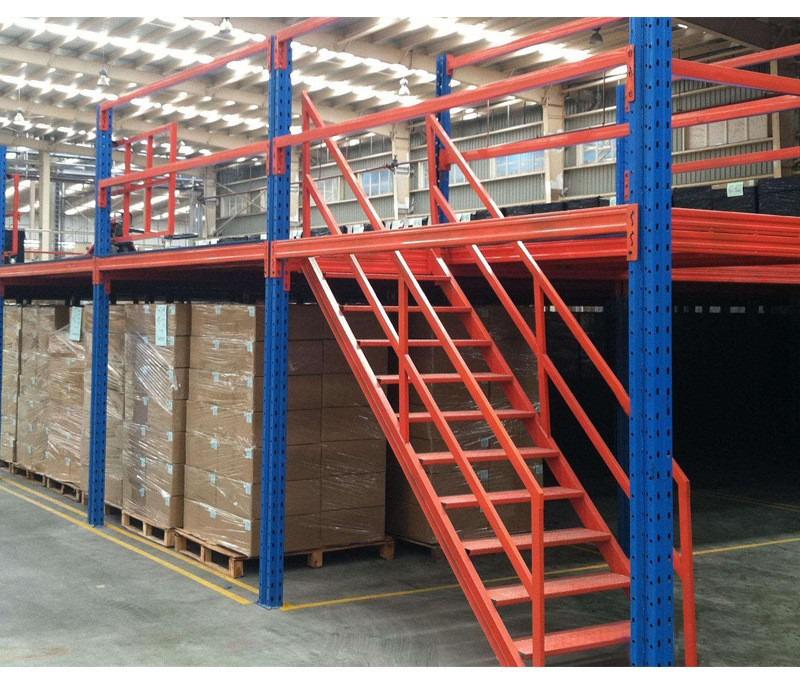
The evolution of materials and automation is pushing the boundaries of beam lengths. Ultra‑high‑strength steels (with yield strengths over 700 MPa) are enabling even longer spans with shallower profiles, which is advantageous for automated storage and retrieval systems (AS/RS) where clearances are tight. Additionally, the integration of sensors to monitor real‑time deflection and load is becoming more feasible, allowing predictive maintenance and reducing the risk of overloading. As e‑commerce and just‑in‑time manufacturing continue to demand flexible storage for diverse product sizes, the role of engineered long‑span beams will only grow. Manufacturers like Guangshun are at the forefront, developing solutions that combine strength, safety, and adaptability.
Q1: What is the maximum available length for a pallet rack beam from Guangshun?
A1: Guangshun can engineer beams up to 360 inches (30 feet) or more, depending on load requirements and application. However, each project requires a structural analysis to determine the optimal beam size and material gauge. Please consult our engineering team for specific needs.
Q2: How does beam deflection affect the safety of the longest pallet rack beam?
A2: Excessive deflection can cause pallets to become unstable or tilt, increasing the risk of falls. It can also lead to beam fatigue over time. Our designs adhere to RMI deflection limits (typically L/180) to ensure safe operation, and we provide deflection data for each custom beam.
Q3: Can the longest pallet rack beams be used in seismic zones?
A3: Yes, but they require additional engineering considerations. The rack system must be designed with proper bracing and connections to withstand lateral forces. Guangshun offers seismic‑rated systems that comply with IBC and ASCE 7, and we recommend a site‑specific seismic analysis for long‑span installations.
Q4: What types of loads are best suited for extended span beams?
A4: Long beams are ideal for storing long, narrow items such as lumber, pipes, extrusions, or furniture components. They can also support standard pallet loads if the beam spacing is adjusted, but the primary benefit is for oversize goods that would otherwise require multiple uprights.
Q5: How do I determine the required beam length for my application?
A5: You need to measure the length of your longest product, add clearance for handling (usually 4‑6 inches on each end), and consider the layout of your storage aisles. Consulting with a rack engineer, like those at Guangshun, ensures you select the right span and capacity while accounting for forklift maneuverability.
Q6: Are longer beams more expensive to install?
A6: They can be, due to heavier steel sections and potentially more complex installation requiring precise leveling. However, they reduce the number of upright frames needed, potentially saving overall system cost. A cost‑benefit analysis that includes floor space utilization and operational efficiency is recommended before finalizing a design.
Q7: How often should I inspect the longest pallet rack beams in my facility?
A7: We recommend a formal inspection at least annually, with monthly visual checks by warehouse staff. Any signs of sagging, connector loosening, or impact damage should be addressed immediately. High‑use racks may require more frequent inspections.

 Wechat
Whatsapp
Wechat
Whatsapp