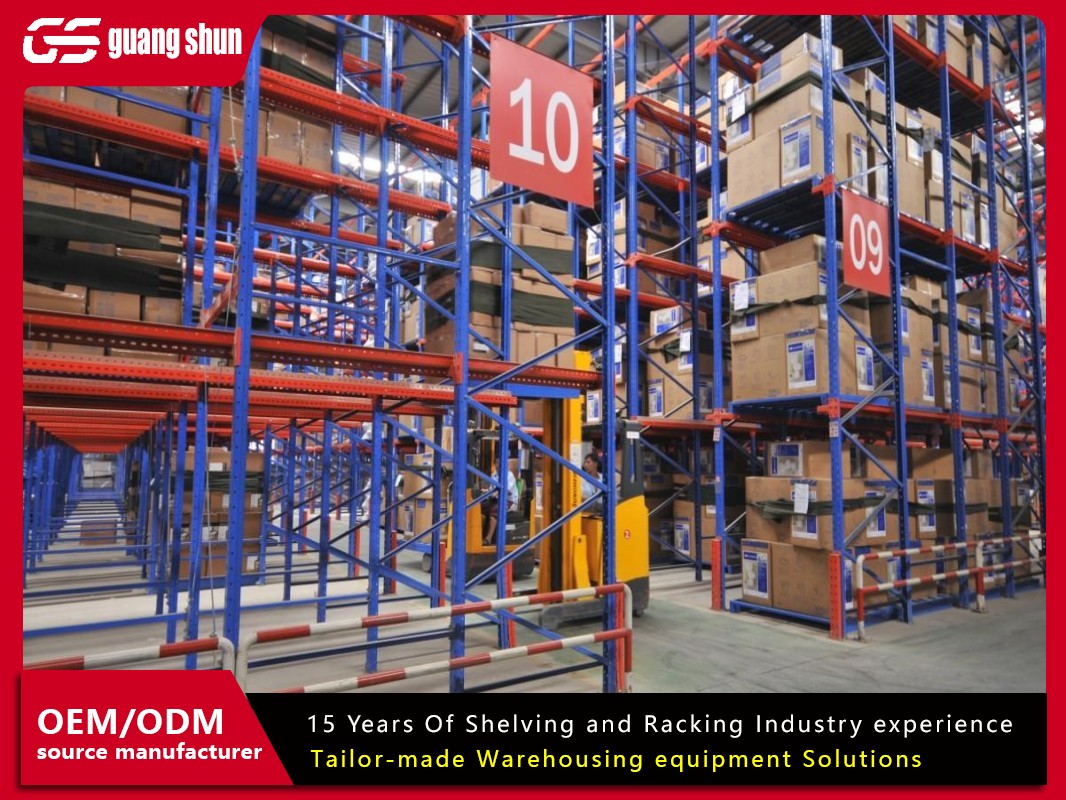
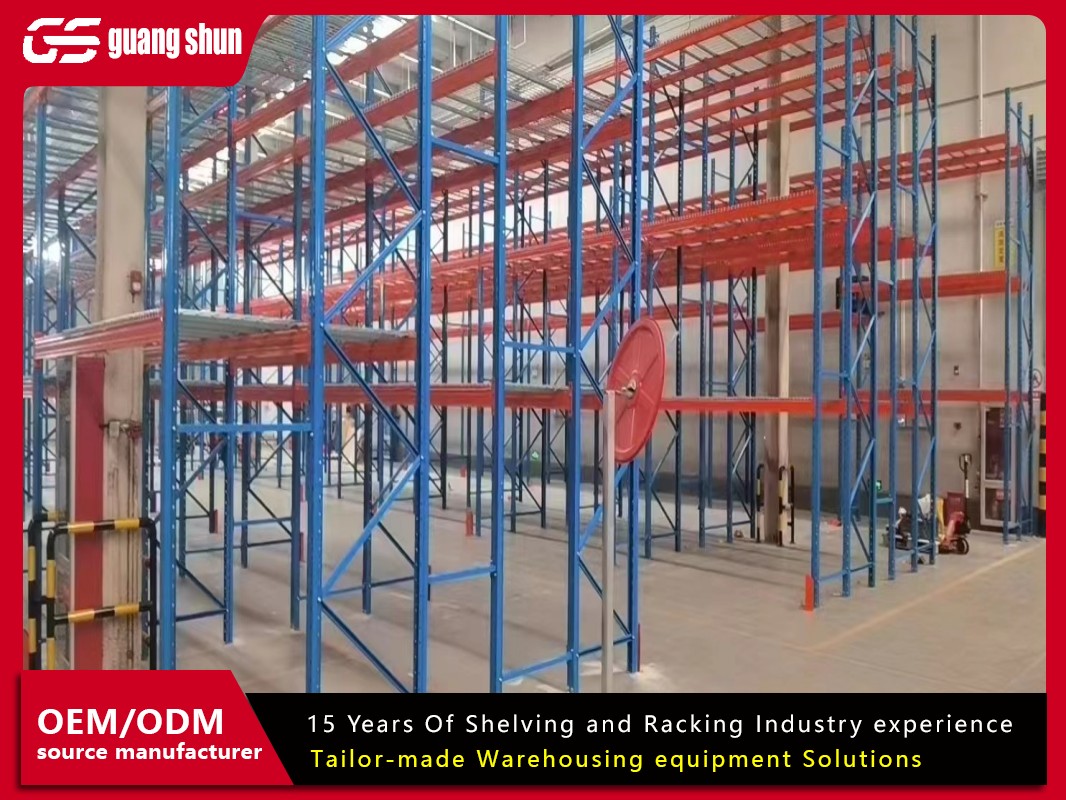
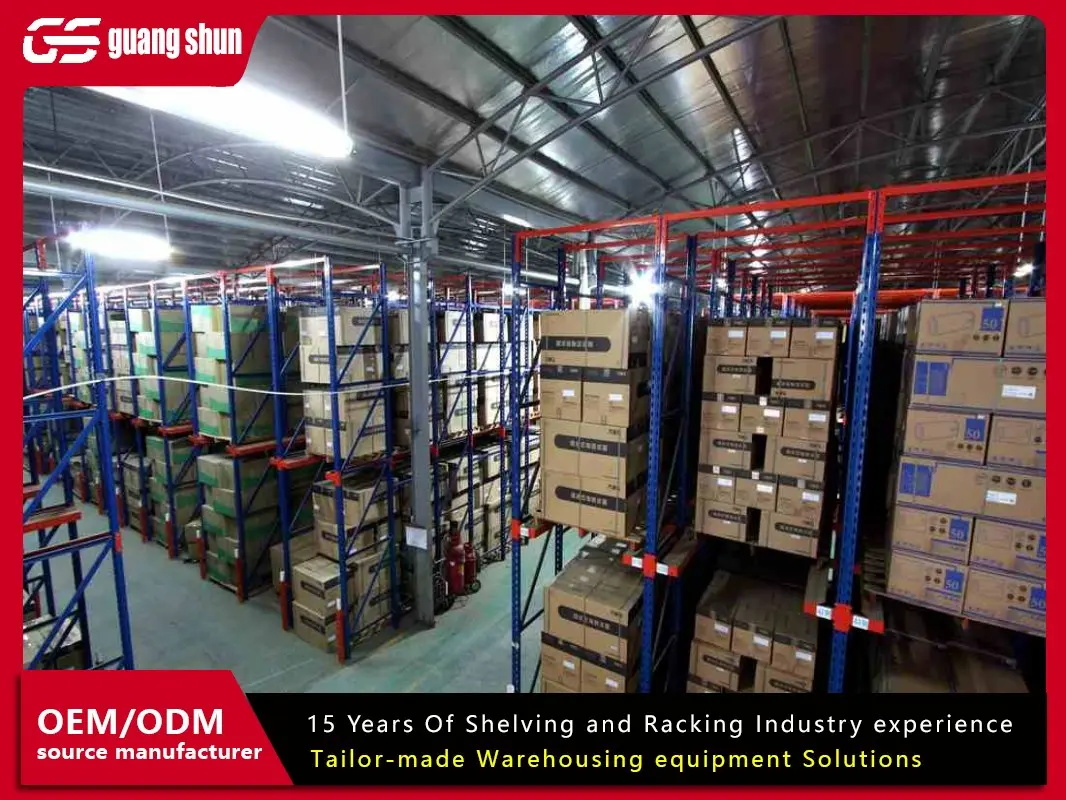
You hear the principles all the time: eliminate waste, reduce inventory, improve flow. But on your actual warehouse or assembly floor, these ideas can feel abstract. How do you make them physical? For many successful operations, the answer is surprisingly straightforward. It sits in the intersection of smart storage and smart process.
This is where flow racks lean manufacturing philosophies into tangible, daily results. They are more than just shelves; they are a direct materialization of core lean tools. If you're struggling with excess motion, overproduction, or waiting, the right racking system isn't just an upgrade—it's a fundamental correction.
Let's break down why this combination is so powerful and what it really means for your operation.
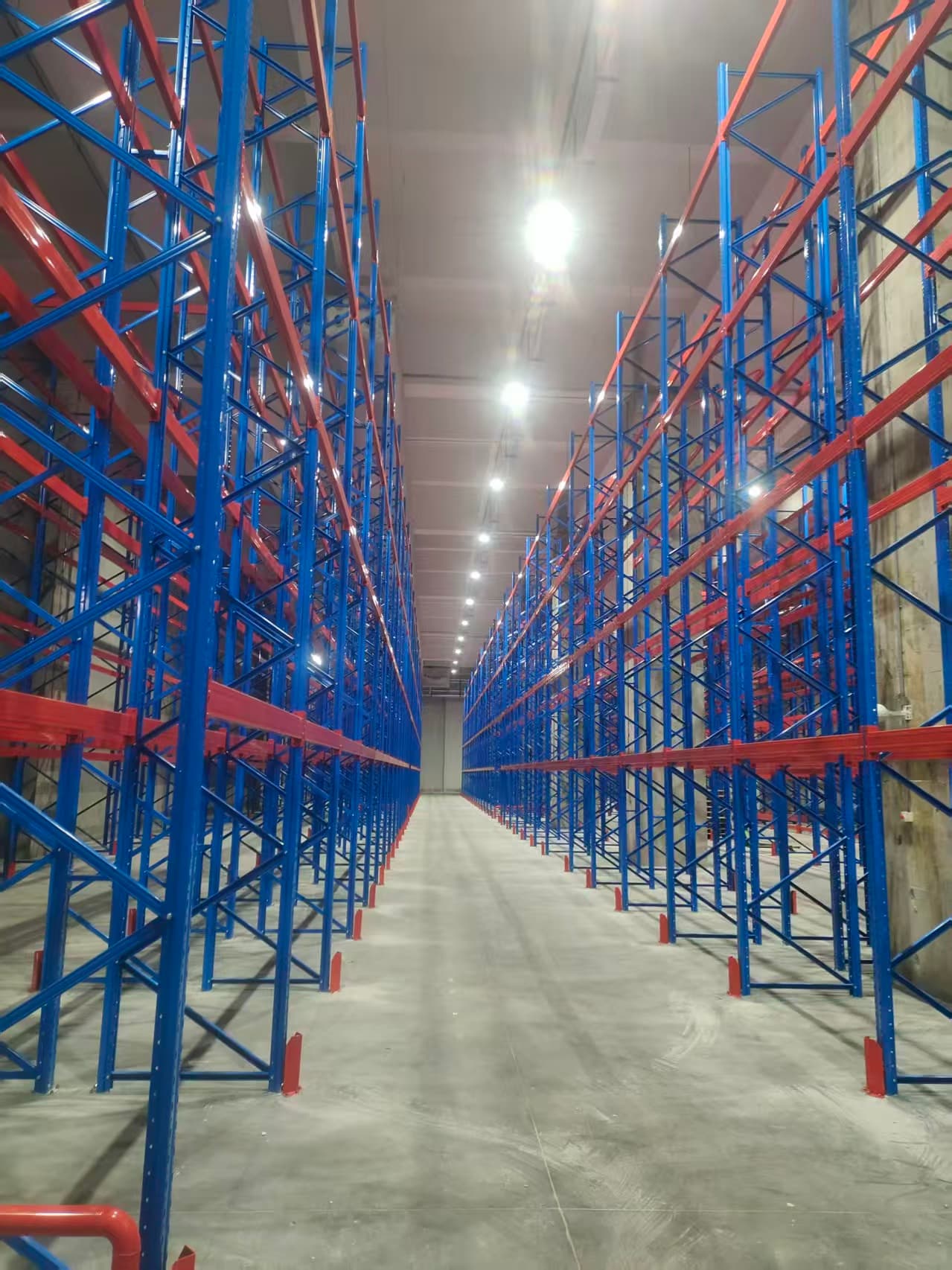
First, a clear definition. Flow racks, also known as gravity flow racks or dynamic flow systems, are storage units designed to automatically move inventory from the loading point to the picking point. They use inclined rails and rollers or wheels, allowing cartons or pallets to glide forward by gravity.
The core principle is First-In, First-Out (FIFO). The oldest product is always at the front, ready to be taken next. This is a critical departure from static shelving, where items can get lost in the back.
In the context of lean manufacturing, this physical FIFO is a game-changer. It enforces good inventory discipline without constant manual oversight. It literally creates flow.
Lean manufacturing aims to strip away everything that doesn't add value for the customer. Flow racks attack several of the classic "Seven Wastes" head-on.
They Minimize Motion Waste. Pickers don't walk, search, or reach. They go to one face location, and the correct part is there. Travel time can drop by over 50%. This is a direct application of the kaizen principle of continuous improvement in operator movement.
They Prevent Overproduction and Excess Inventory. By their design, flow racks have a fixed lane depth. When a lane is full, you physically cannot add more. This creates a natural kanban signal: "Do not produce (or replenish) until a space is empty." They visually control inventory levels.
They Eliminate Waiting. Assembly lines stall when parts aren't there. With reliable, front-facing presentation, the next item is always waiting for the operator, not the other way around. This smooths production flow dramatically.
They Reduce Defects (from wrong picking). FIFO ensures older stock is used first, crucial for items with expiration dates or shelf-life concerns. Clear lane labeling and visual cues at the pick face cut down on picking errors.
Not all flow racks serve the same purpose. Choosing the right type is essential for aligning with your lean manufacturing goals.
Carton Flow Racks are the most common for order picking and assembly support. They handle individual cases or boxes within a larger unit. Ideal for:
High-volume SKUs in distribution centers.
Kitting and assembly lines where components are small to medium-sized.
Reducing walk time in pick-to-carton operations.
Pallet Flow Racks use heavier-duty rollers and braking systems to move full pallets. These are for high-density storage of palletized goods. Ideal for:
Enforcing FIFO on raw materials or finished goods with shelf lives (food, beverage, chemicals).
High-throughput warehouse operations where pallets are loaded from one side and picked from the other.
Reducing forklift traffic and congestion in high-density storage areas.
Your choice hinges on your unit load and which part of your process you are aiming to make lean.
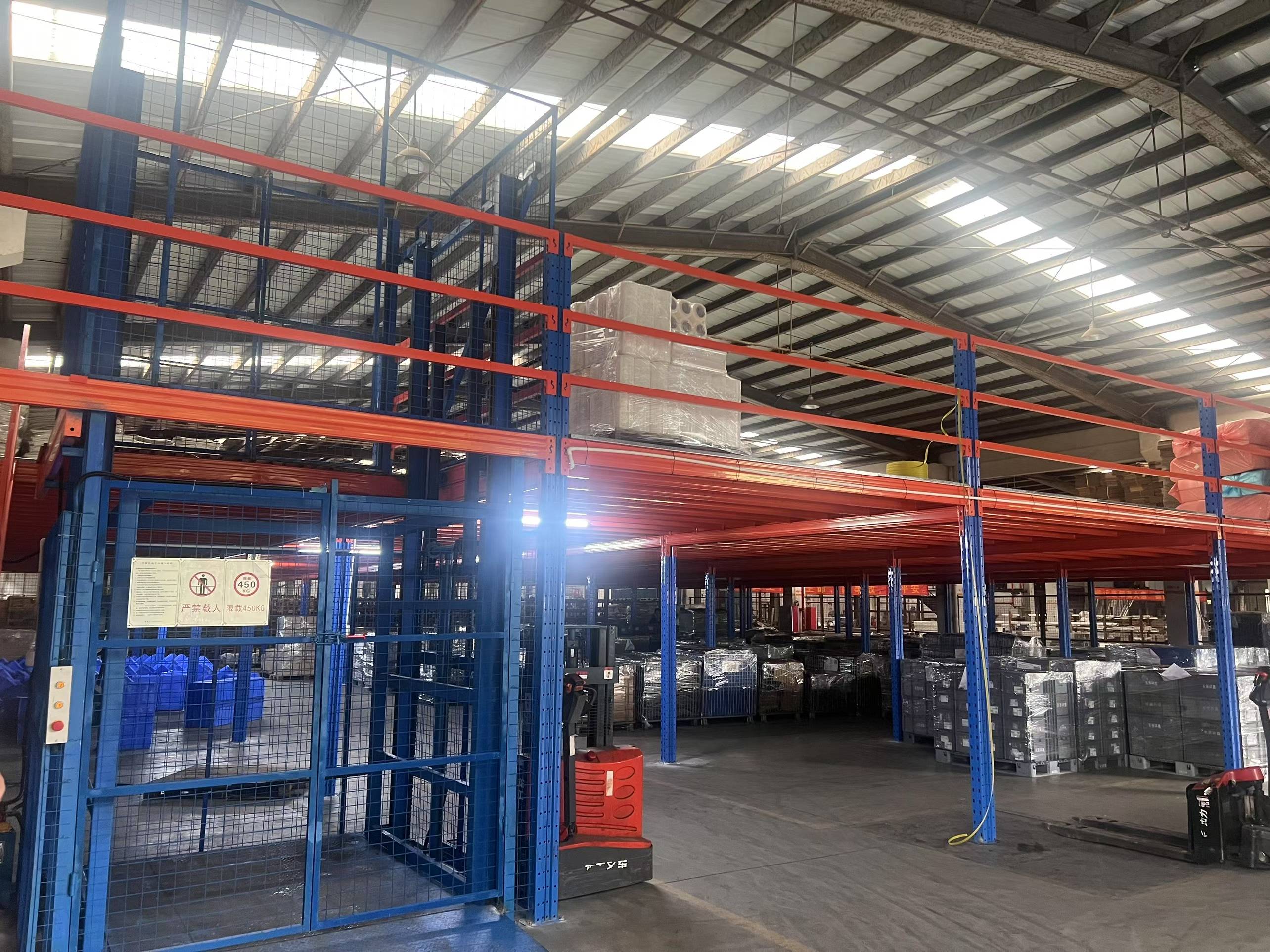
Thinking about integrating flow racks? A haphazard approach won't deliver the full lean manufacturing benefit. Follow this actionable path.
1. Map Your Current State Value Stream. Identify the specific process you want to improve. Is it order picking for your top 100 SKUs? Is it parts presentation for Cell 3? Measure the current travel distance, time, and error rate. You need a baseline.
2. Analyze Your SKU Velocity. Not every item belongs in a flow lane. Conduct an ABC analysis. Your "A" items (fastest movers) are the primary candidates for flow racks. "C" items might be wasting valuable flow space. This is applying heijunka (load leveling) thinking to your storage design.
3. Design for the Pick Face, Not Just Storage. The goal is to make the picker's job effortless. Determine the optimal pick quantity (e.g., eaches, full case). Size your lane depth to hold a minimum and maximum that makes sense—often a few days of demand to avoid constant replenishment.
4. Integrate Visual Management. This is where lean truly comes alive. Label every lane clearly with part number, description, and bin capacity. Use color coding. Consider andon lights or empty lane indicators to signal replenishment needs instantly.
5. Train and Iterate. Train your team on the new "why" and "how." Then, monitor. Is travel time down? Are errors reduced? Use this data to tweak lane assignments and depths. This is the PDCA (Plan-Do-Check-Act) cycle in action.
It's the biggest hurdle. Flow racks have a higher upfront cost per storage position than static shelving or simple pallet racking. You must view this through a lean accounting lens.
Calculate the cost of the waste you are eliminating. What is the annual labor cost of the extra miles your pickers walk? What is the cost of expired inventory due to poor FIFO? What is the profit lost from production delays?
The ROI on flow racks comes from permanent, year-over-year reductions in these operational costs. They are not an expense; they are a capital investment in eliminating muda (waste). The payback period is often shorter than you think when you measure the right metrics.
A broken flow rack lane creates waste immediately—it becomes dead storage. Sustaining the system is key.
Regularly check that rollers are clean and turning freely. Inspect for lane dividers that have been bent or damaged. Ensure brake systems on pallet flow are calibrated.
Most importantly, sustain the discipline. Do not allow operators to "overstuff" a lane or place the wrong SKU in a lane "just temporarily." This breaks the FIFO and visual control promise. The system's success relies on adherence to the standard work it enables.
Implementing flow racks lean manufacturing style isn't a one-time project. It's a commitment to a physical system that forces better, more efficient behaviors every single day. It turns philosophical principles into pick faces and pallet flow.
Q1: Are flow racks only suitable for very high-volume items?
A1: While they deliver the highest return for fast-moving "A" items, they can be excellent for medium-volume "B" items as well. The key is correctly sizing the lane depth. A shallow lane for a slower mover can still provide FIFO and pick-face benefits without tying up excessive capital in sitting inventory.
Q2: Can flow racks handle extremely fragile or irregularly shaped items?
A2: It depends. Standard wheel or roller beds might not be suitable. However, specialized flow solutions exist, like padded rollers or flat belt conveyors integrated into rack frames. For fragile items, the controlled, gentle movement in a flow lane is often safer than manual handling from static shelves.
Q3: How do we calculate the correct lane depth and number of lanes for a SKU?
A3: You need two key data points: your replenishment quantity (e.g., full case, full pallet) and your desired replenishment frequency. If you replenish a SKU daily, you need lane capacity for roughly 1.5 days of demand to create a buffer. The formula is often: (Daily Demand x Replenishment Cycle Days) / Units per Carton. The number of lanes is based on peak demand to avoid stockouts.
Q4: What's the biggest mistake companies make when implementing flow racks?
A4: Failing to do a proper velocity (ABC) analysis first. Putting slow-moving "C" items into expensive flow lanes is a common waste of capital and space. The second mistake is poor labeling and visual controls, which undermines the error-reduction benefit.
Q5: We have very heavy pallets. Are pallet flow racks safe and reliable?
A5: Modern pallet flow systems are engineered for heavy loads, often up to 3,000 lbs per pallet or more. Critical safety features include mechanical speed controllers or hydraulic brakes to prevent runaway pallets, and robust load-rated structural frames. Professional design and installation by a qualified supplier are non-negotiable for heavy pallet applications.

 Wechat
Whatsapp
Wechat
Whatsapp