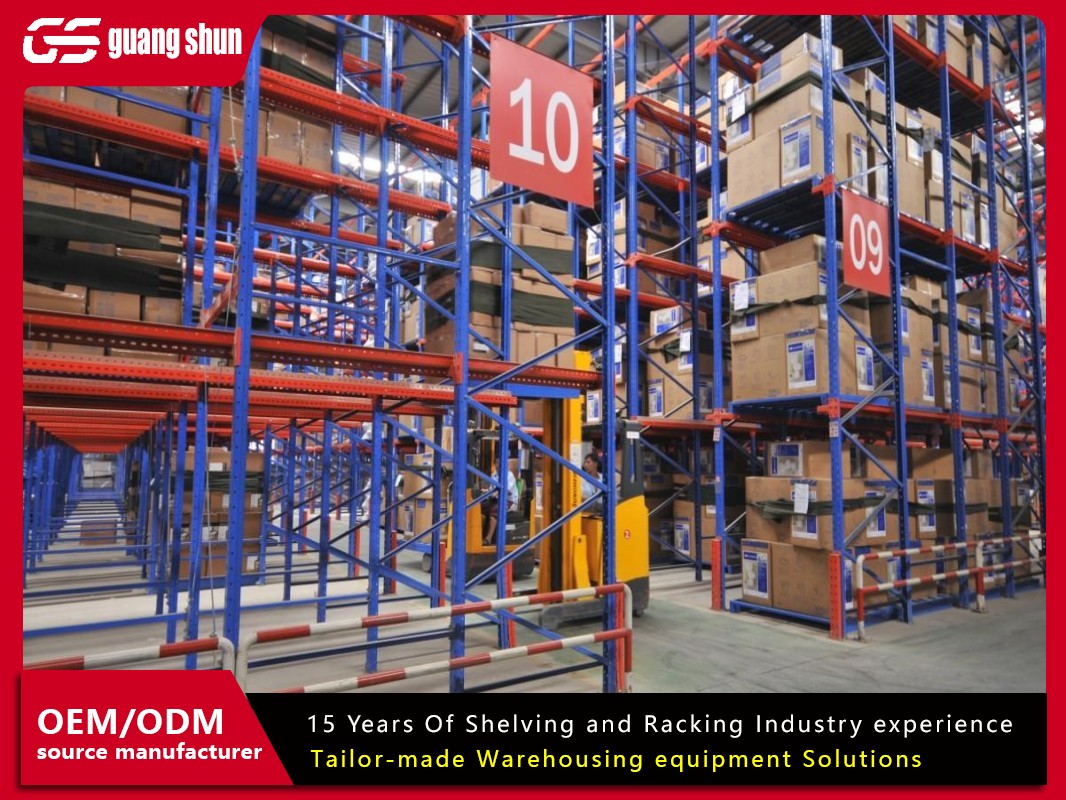
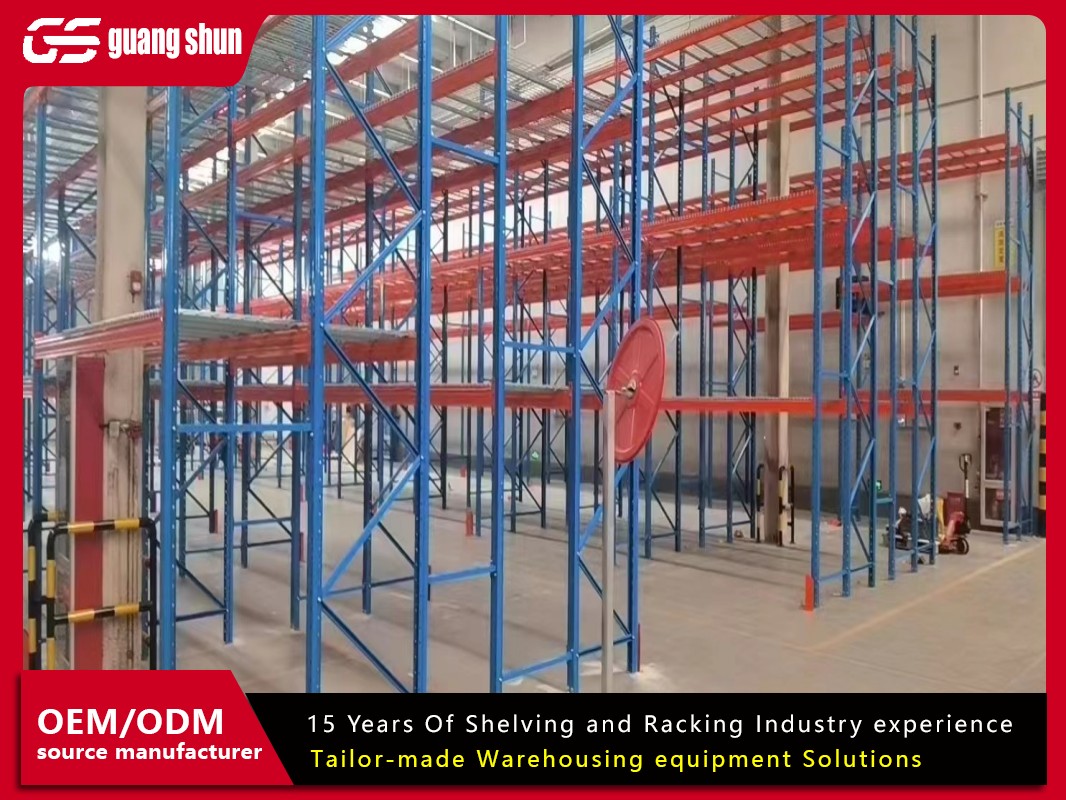
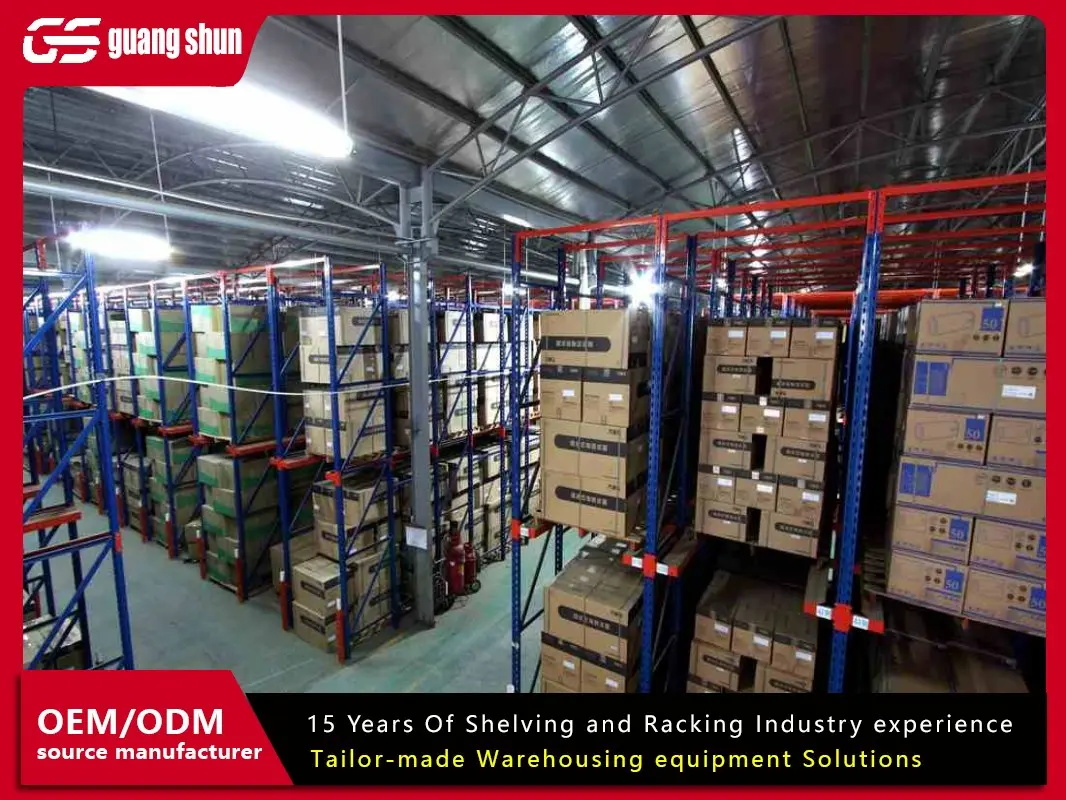
Warehouse uprights are the backbone of any pallet racking system. They are the vertical columns that bear the immense weight of your inventory. Choosing the right ones isn't just about storage; it's about safety, efficiency, and long-term value.
Many businesses underestimate their importance. The wrong uprights can lead to catastrophic failure. This article breaks down the key things you need to know before you buy.
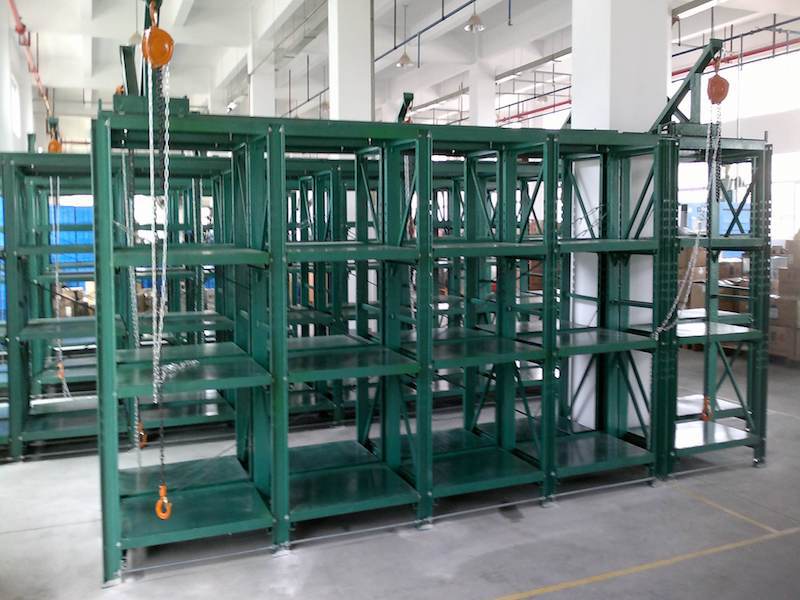
Warehouse uprights, also called rack uprights or vertical columns, are the steel frames that form the sides of your storage rack bays. They have strategically placed holes or slots that allow beams to be attached at various heights.
Their job is simple but critical: to transfer the entire load from your pallets down to the floor. Their design, thickness, and strength directly determine how much weight your system can hold and how safe it is for workers and inventory.
Ignoring their specifications is a major risk.
Not all warehouse uprights are the same. One of the first distinctions is frame depth.
Deep Upright Frames have a larger front-to-back dimension. They offer greater stability and resistance to front-to-back movement, often called "racking." These are essential for drive-in racks, push-back racks, or any application with high seismic requirements.
Shallow Upright Frames have a smaller front-to-back profile. They are common in selective pallet racking where aisles are narrow. They maximize floor space but may require additional row spacers and bracing for stability.
The choice depends entirely on your racking type and load dynamics.
The thickness of the steel used in your warehouse uprights is measured in gauge. A lower gauge number means thicker, stronger steel. For example, 12-gauge steel is thicker than 14-gauge.
Heavier loads and taller systems demand a lower gauge (thicker steel). A supplier should provide you with a load capacity chart. This chart shows the maximum permissible load per level based on the upright's gauge, height, and frame depth.
Never guess on this. Always engineer your system for your heaviest planned load.
Selecting the right warehouse uprights is a step-by-step process. Follow this guide to make an informed decision.
1. Define Your Pallet and Load Specs. Know the dimensions and weight of your heaviest loaded pallet. Remember to include the weight of the pallet itself.
2. Determine Your Required Clear Height. Measure from the floor to the lowest overhead obstruction (sprinklers, lights, HVAC). Your top beam must clear this.
3. Choose Your Racking Configuration. Are you building selective, drive-in, or cantilever racks? Each has specific upright frame requirements.
4. Consult a Load Capacity Chart. Match your pallet weight, desired beam elevation, and overall rack height to the chart. The chart will specify the necessary upright gauge and frame type.
5. Consider Footplate Size. The base plate of the upright must be appropriate for your floor condition and anchoring needs. Larger footplates distribute weight better on marginal floors.
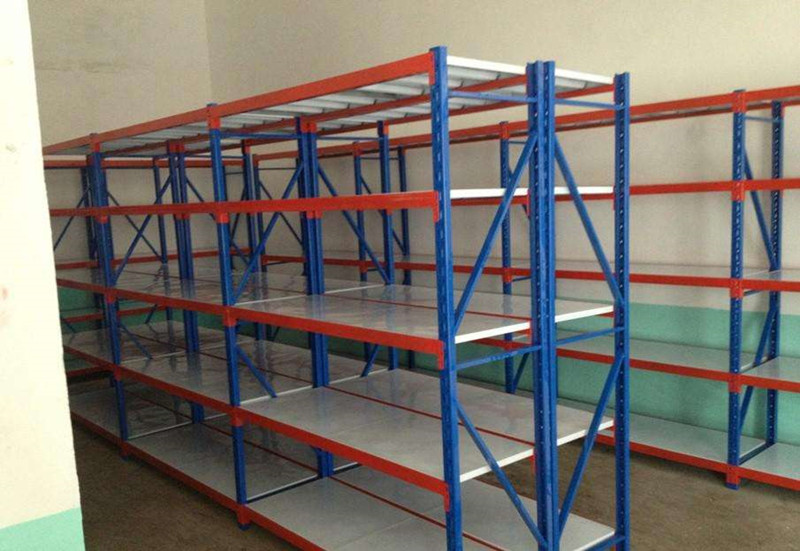
The price of warehouse uprights isn't arbitrary. Several key factors influence cost.
Steel Market Prices: This is the biggest variable. Upright costs fluctuate with global steel commodity prices.
Gauge and Weight: Thicker steel (lower gauge) costs more because it uses more raw material.
Customization: Standard sizes are cheapest. Custom heights, special hole patterns, or unique powder coat colors add cost.
Quantity: Larger orders typically have a lower cost per upright.
Finish: A basic primer paint is standard. A more durable industrial powder coat adds to the price but improves longevity.
Investing in correctly specified uprights avoids far more expensive costs from rack collapse, product damage, or regulatory fines.
Purchasing warehouse uprights is only half the battle. You need a trustworthy partner.
Look for a supplier with in-house engineering expertise. They should ask detailed questions about your loads and operations, not just take an order.
They must provide certified load capacity charts, not generic estimates. Ask about compliance with relevant standards in your region.
Consider if they offer professional installation. Improper installation—using the wrong anchors, not tightening correctly, not plumbing the frames—can compromise the strongest uprights. A qualified installer ensures your system is built to specification and safe from day one.
Once you have the right components, correct handling is crucial.
Installation: Uprights must be perfectly vertical and in line. Use a torque wrench to secure anchors to the manufacturer's specification. Always install row spacers and connecting braces as designed. Never remove or modify structural components.
Regular Inspection: Implement a scheduled inspection program. Look for damage, especially at the column base. Dents, severe scratches, or bends in the upright's vertical section are serious concerns. Any impact from forklifts must be reported and assessed immediately.
Load Discipline: Enforce strict adherence to the posted load capacities. Overloading a single level, even if the overall bay is under capacity, can permanently deform the upright.
Your warehouse uprights are a long-term asset. Proper selection, installation, and care protect your investment, your inventory, and your people.
Q1: Can I mix and match uprights and beams from different manufacturers?
A1: This is extremely dangerous and strongly discouraged. Warehouse uprights and beams are engineered as a system. The connection lock and the load capacities are validated for specific combinations. Using mismatched components voids all engineering certifications and creates a major safety hazard.
Q2: How often should I inspect my warehouse uprights for damage?
A2: Formal, documented inspections should be conducted at least annually by a competent person. However, operators should be trained to perform visual checks before each shift and to report any visible damage, like new dents or bends, immediately.
Q3: What is the most common cause of upright failure?
A3: Forklift impact is the leading cause. A collision can create a small dent or bend that significantly reduces the upright's load-bearing capacity. This is why protective column guards are recommended in high-traffic areas.
Q4: My uprights have a small dent. Are they still safe to use?
A4: Do not make this judgment yourself. Any damage must be evaluated by a qualified rack inspector or engineer. They will measure the depth and location of the dent against industry safety standards (like the Rack Manufacturers Institute’s guidelines) to determine if repair, reinforcement, or replacement is needed.
Q5: Are used warehouse uprights a good way to save money?
A5: They can be, but caution is vital. You must know the exact specifications (gauge, model, age) and have them professionally inspected for straightness, rust, and repair history. Ensure you can get compatible beams and components. The cost savings may not be worth the risk if the history and condition are uncertain.

 Wechat
Whatsapp
Wechat
Whatsapp