Thinking about warehouse storage can be overwhelming. You hear terms like selective racking, drive-in systems, and cantilever racks. It's a lot.
This isn't just about putting metal beams in a building. It's about building the backbone of your operation. Getting it right affects your daily efficiency, safety, and bottom line.
This article will break down the essentials of pallet racking and more. We'll cover the main types, how to choose, what they cost, and the extras that make a system work. Let's clear up the confusion.
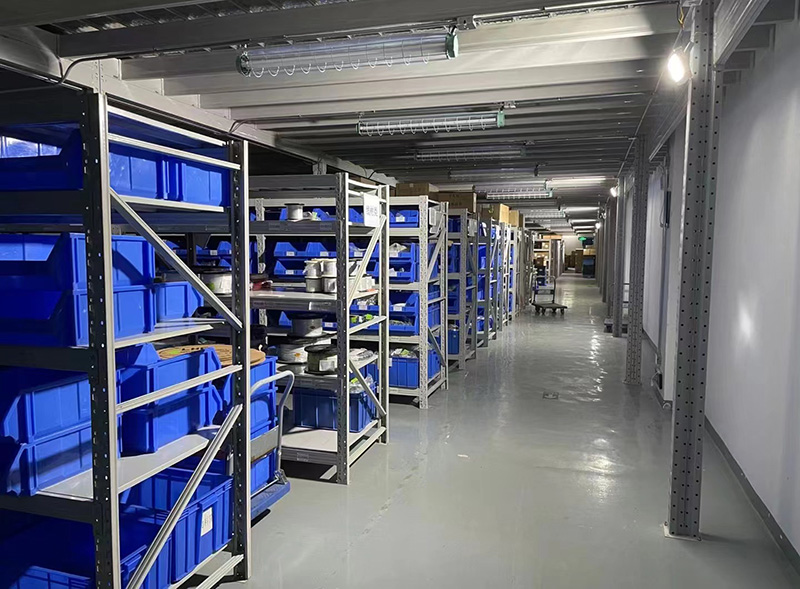
Not all storage needs are the same. Your product shapes your system. Here are the four most common types you'll encounter in pallet racking and more.
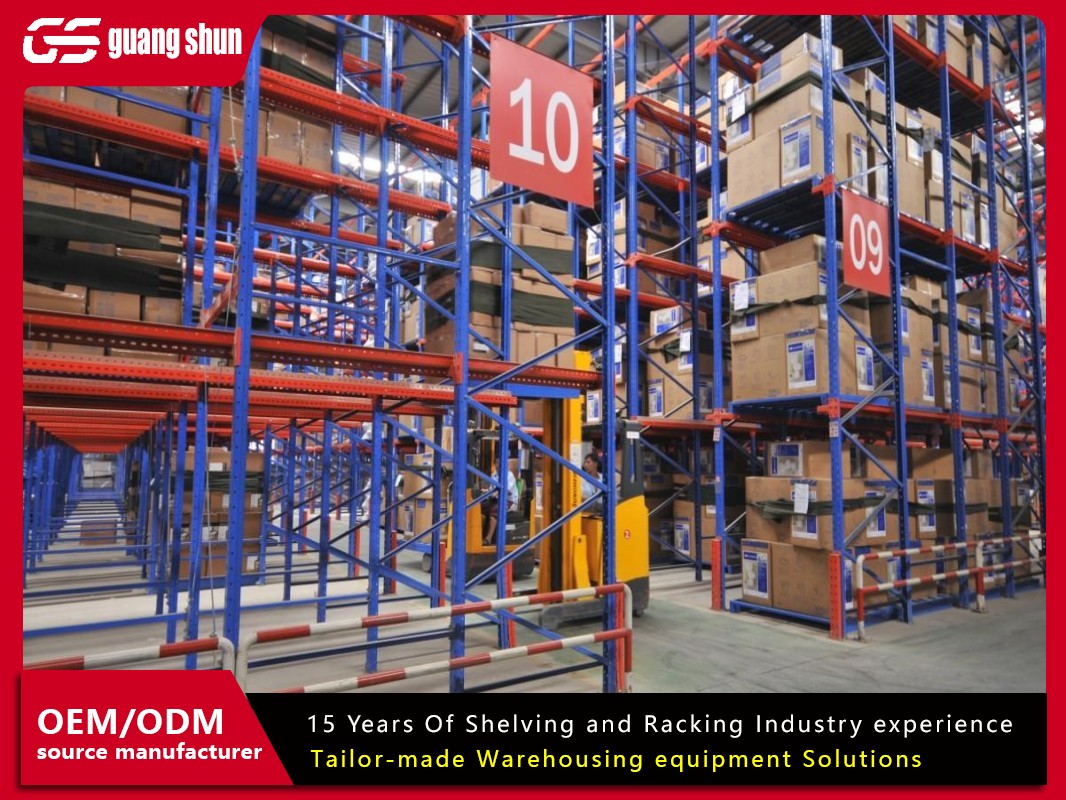
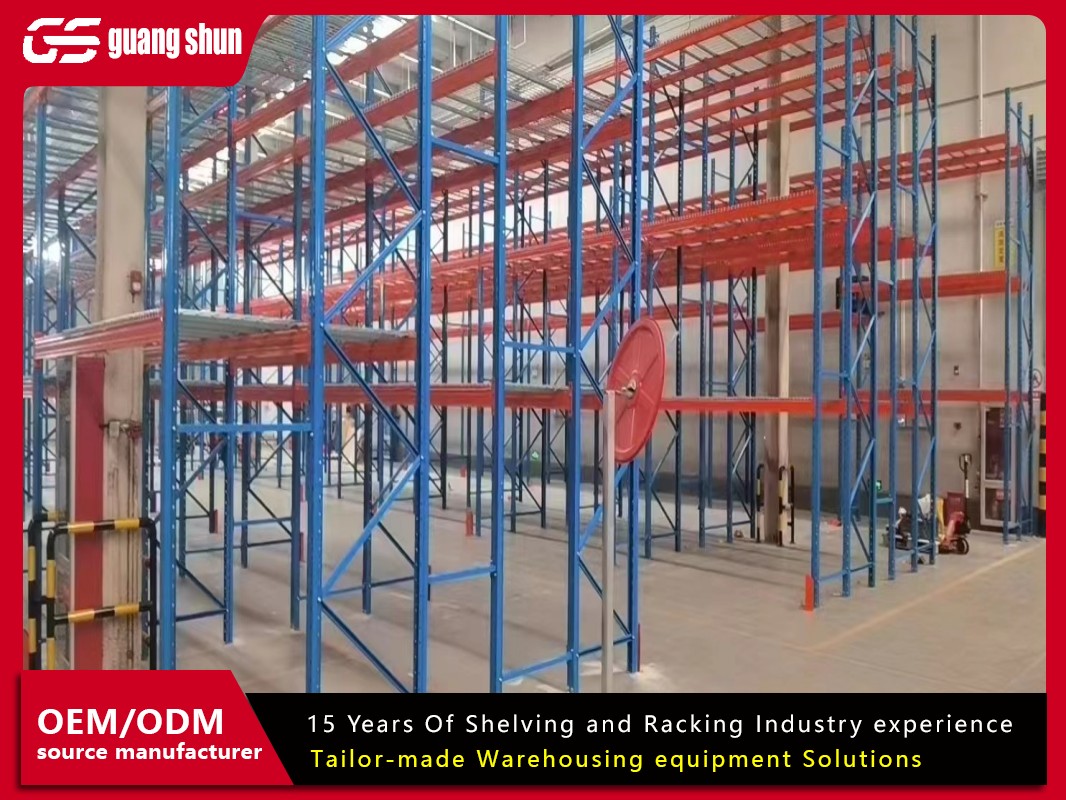
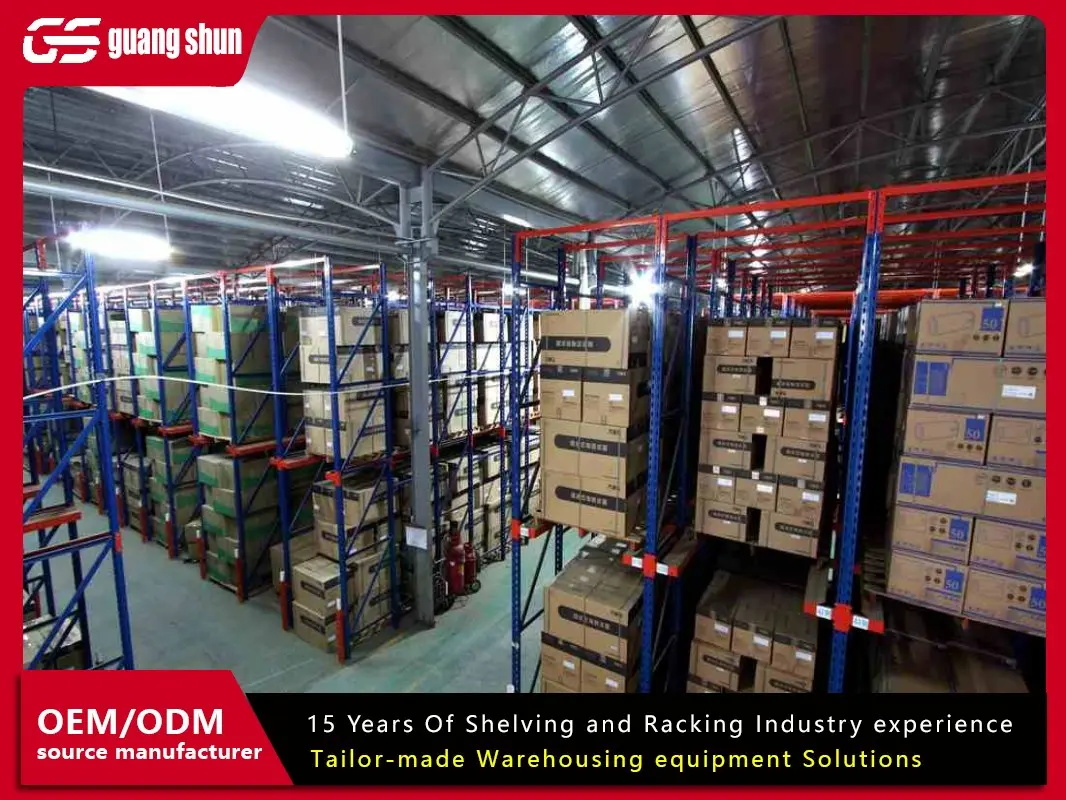
Selective pallet rack is the universal choice. It's what most people picture. Upright frames and horizontal beams create accessible openings for every pallet. It's perfect for warehouses with many different SKUs. You can get to any pallet, any time.
Drive-in and drive-thru racking are for high-density storage of similar items. Forklifts drive directly into the rack structure to place or retrieve pallets. It saves enormous space by eliminating aisles. But you give up direct access to every pallet. It’s best for bulk storage with low variety.
Push-back racking creates a dynamic storage lane. Pallet loads are placed on wheeled carts on a slightly inclined rail. When a new pallet is loaded, it pushes the previous ones back. It offers good density while still allowing multiple SKUs per lane. It's a smart middle ground.
Cantilever racking is the specialist. It has vertical columns with horizontal arms extending out. This design is ideal for long, bulky items like pipes, lumber, or furniture. There are no front columns to get in the way of loading.
The right choice depends entirely on your product mix, turnover rate, and available space.
Choosing the wrong system is a costly mistake. You don't want to find out your new racks can't handle your product dimensions or forklifts. Follow this basic guide.
First, look at your product. What are the exact dimensions and weight of your pallet loads? Measure everything. Note the weight distribution. Is the load stable or unstable? This data is non-negotiable.
Second, analyze your workflow. How fast does inventory move? High-turnover items need fast access, favoring selective racking. Slow-moving bulk goods are candidates for drive-in systems. How many SKUs do you have? More SKUs usually means you need more direct access points.
Third, consider your equipment. Your forklifts dictate clearances. Measure the total height of your lift with a raised load. This determines the minimum beam height you need. Also, consider the turning radius of your trucks for aisle width.
Finally, think about the future. Is your business growing? Will your products change? A modular selective system is easier to expand and reconfigure than a dense, fixed drive-in system. Planning for pallet racking and more means thinking ahead.
Don't skip a professional site assessment. A good supplier will want to see your space and operations.
The rack frames and beams are just the start. The real efficiency often comes from the accessories. This is the "and more" in pallet racking and more.
Wire decking is a common add-on. It sits on the beams to provide a surface for smaller, non-palletized items or to increase safety by preventing pallets from tipping. It also helps with fire code compliance in many areas.
Column protectors are simple steel guards bolted to the base of uprights. They are absolutely critical. A glancing blow from a forklift can destroy an unprotected column, risking a costly collapse. Protectors absorb the impact.
Pallet supports or wire grids are used in place of beams for certain drive-in systems or for unusual load sizes. They provide a stable resting point across the rack structure.
Row spacers and cross bracing tie rows of racking together for extra stability, especially important in very tall warehouses or seismic zones. This isn't an area to cut corners.
Finally, consider signage and labelling systems. Making locations clear—with rack labels, floor markers, and aisle signs—speeds up picking and puts inventory in its exact place. A high-tech rack system is wasted if workers can't find anything.
Cost is always a factor. The price for pallet racking and more isn't one number. It's a sum of parts.
Basic selective racking has a relatively low cost per pallet position. Dense storage systems like drive-in or push-back have a higher upfront cost per position, but they store more pallets in less floor space. The cost per square foot of building space used is often lower.
Accessories add to the total. Decking, protectors, and special safety features are line items. Remember, these are often where the safety and functionality gains happen.
Installation is a major cost. Professional installers ensure the system is level, plumb, and anchored correctly. DIY installation can lead to dangerous mistakes and may void warranties. Factor this in from the beginning.
When looking for a supplier, don't just shop online catalogs. Look for a partner. A good supplier will ask detailed questions about your loads and operations. They should offer CAD layout drawings and clear structural calculations.
They should also understand local building codes and seismic requirements. The cheapest price can become very expensive if the system fails an inspection or, worse, fails in operation.
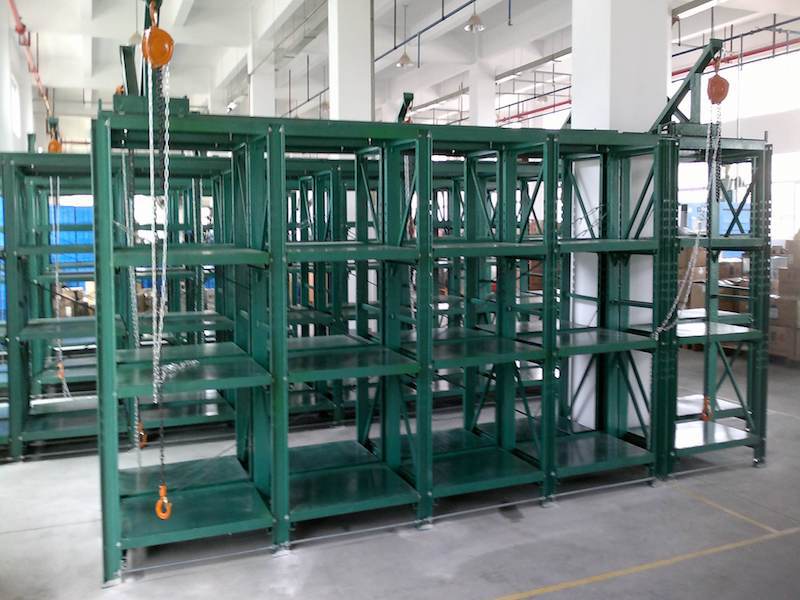
Quality in pallet racking and more comes down to engineering and manufacturing. It's not just generic steel.
Upright frames are typically made from rolled steel columns with punched holes for beam connections. The gauge (thickness) of the steel and the size of the column are key to its load capacity. Look for frames with robust, consistently punched holes.
Beams are the horizontal members. The highest quality are roll-formed, step-beams. Their shape provides tremendous strength. The connectors that lock the beam into the upright frame are critical. They should engage securely and be designed to handle both downward and uplift forces.
The finish matters. Most commercial racking is powder-coated. The steel is cleaned, treated, and then coated with a dry polymer powder that is cured under heat. This creates a durable, chip-resistant finish that protects against corrosion.
Safety is the priority. Every component has a rated capacity. Never, ever exceed it. Regular inspections are mandatory. Look for damage: dents in uprights, bends in beams, or missing/broken safety clips. A formal inspection program is a sign of a professional operation.
Racking is a structural system. Treat it with the same respect as the building itself.
Q1: What is the most common type of pallet racking?
A1: Selective pallet racking is by far the most common type. It provides direct access to every single pallet in the system, making it ideal for warehouses with a wide variety of products that need to be moved in and out frequently.
Q2: How do I know what weight capacity my racking needs?
A2: You must know the heaviest pallet load you will store, including the pallet itself. Your racking system's load capacity must exceed this maximum weight. A professional supplier will use this data, along with beam span and height, to calculate the required specifications.
Q3: Are used pallet racks a good idea to save money?
A3: They can be, but caution is essential. You must verify the manufacturer's original specifications, ensure all parts are present and undamaged, and confirm compatibility between components from different batches. Have a qualified person inspect used racks thoroughly before purchase and installation.
Q4: What is the single most important safety accessory for racking?
A4: Forklift column protectors are arguably the most critical. They are a low-cost defense against the most common cause of rack damage: forklift impacts. Preventing damage to the upright columns is fundamental to preventing a potential collapse.
Q5: How often should warehouse racking be inspected?
A5: Formal, documented inspections by a competent person should occur at least annually. However, visual checks by warehouse staff should be done more frequently—monthly or even weekly. Any incident, like a significant forklift impact, should trigger an immediate inspection of the affected area.

 Wechat
Whatsapp
Wechat
Whatsapp