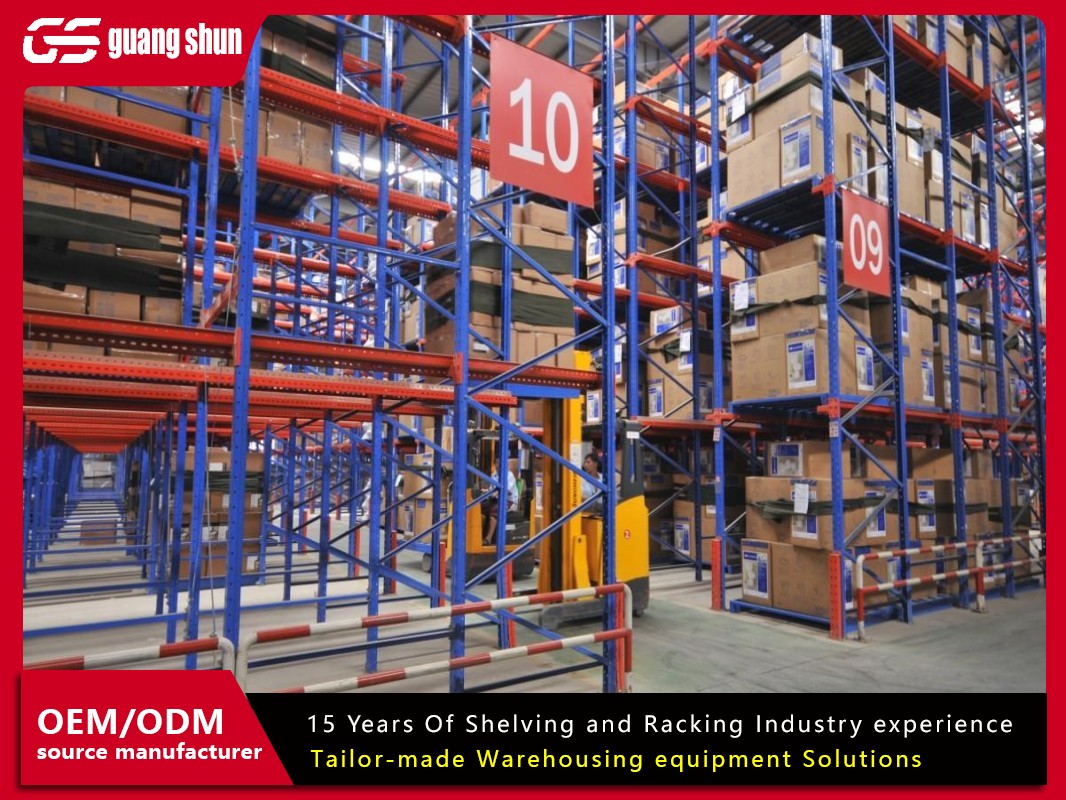
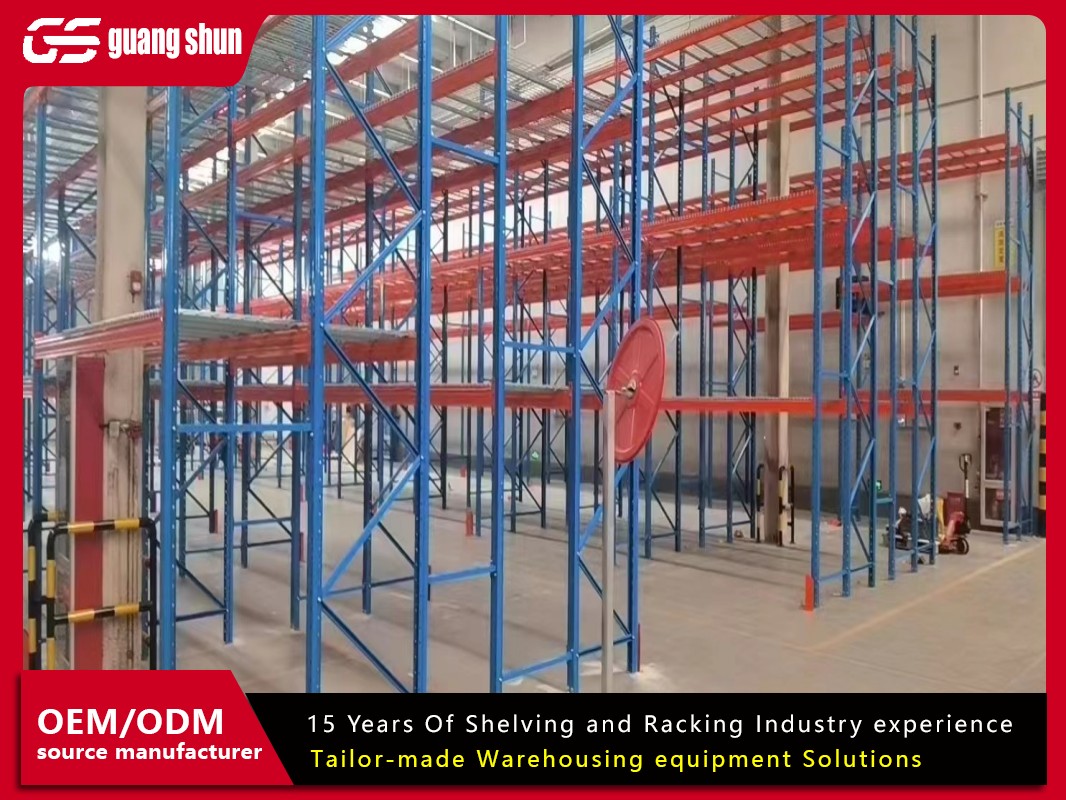
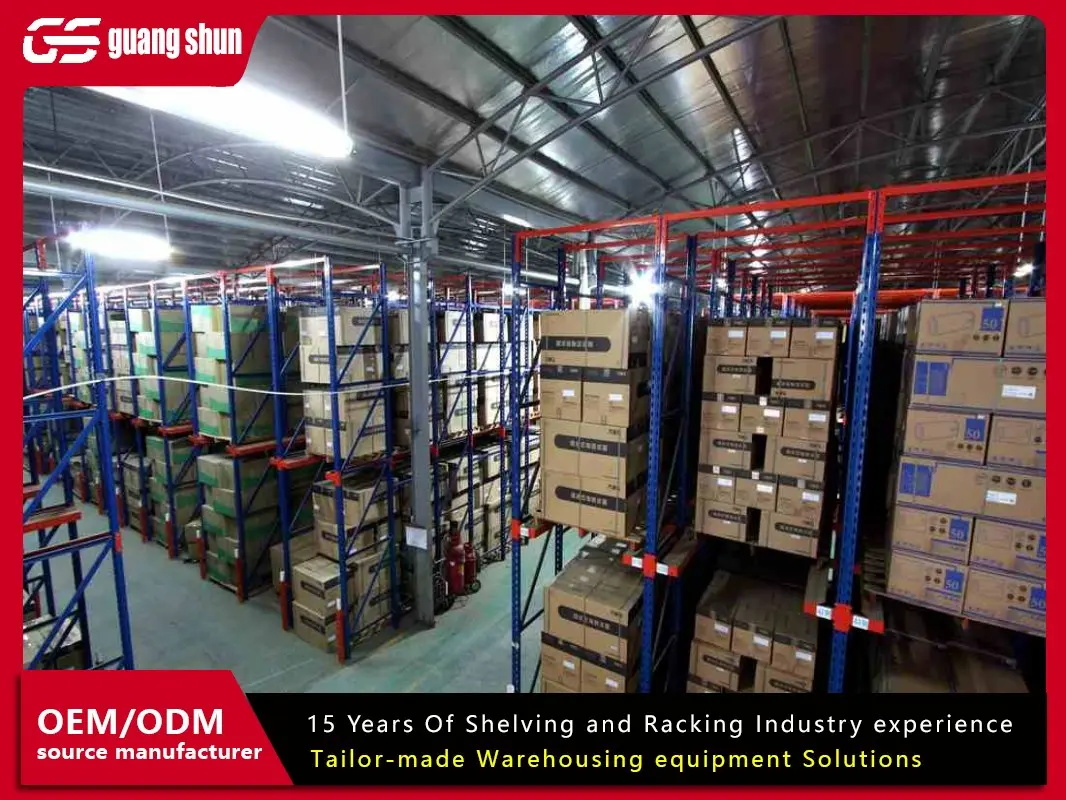
If you manage a warehouse, distribution center, or any storage space with pallet racking, you know the challenge: items and pallets that shift, slide, or get misplaced. This leads to damaged inventory, unsafe conditions, and lost time. The solution is often surprisingly simple. A pallet rack divider is a fundamental piece of storage equipment that brings immediate order and safety to your rack bays.
This piece isn't about complex systems. It's about a straightforward tool that solves a common, costly problem. We’ll look at what these dividers do, the different types available, and how to select the right one for your operation. Whether you're trying to prevent product mixing or stop pallets from tipping, understanding pallet rack dividers is the first step.
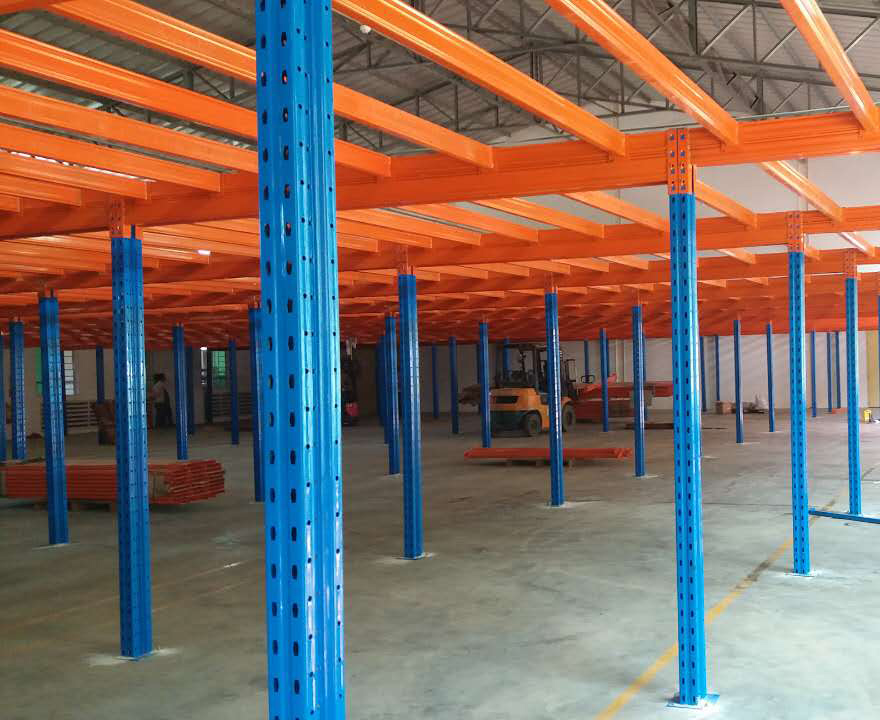
A pallet rack divider is a physical barrier installed within a pallet rack opening. It is typically mounted to the horizontal load beams, creating a separation between pallets or products stored side-by-side on the same beam level.
Think of it like a bookend for heavy industrial goods. Without it, pallets can easily bump into each other during loading or unloading. Loose cases can spill over into the next space. This disorganization has real consequences.
The primary benefits are clear. First, they prevent product damage. By keeping loads separated, you eliminate contact and crushing. Second, they enhance safety. A shifting pallet is a falling hazard. Dividers secure the load position. Third, they maximize space utilization. They allow you to store different SKUs confidently in adjacent positions without fear of mixing. Finally, they improve inventory control. Designated, separated spaces make visual checks and cycle counts more accurate.
In short, a rack beam divider is a low-cost investment that protects your much higher-cost inventory and the people who handle it.
Not all pallet rack divididers are the same. The right choice depends on your specific needs, the type of racking you have, and the products you store. Here are the most common styles you’ll encounter.
Wire Mesh Panel Dividers
These are among the most popular and versatile options. Constructed from heavy-duty steel wire formed into a grid pattern, they are welded into a rigid panel frame. They offer excellent visibility and allow for air circulation, which is ideal for certain goods. Their strength makes them suitable for heavy loads and containing smaller items that might fall through.
Solid Sheet Metal Dividers
Made from perforated or solid steel sheet, these provide a complete physical barrier. They are ideal for containing very small parts, dust, or debris from one SKU contaminating another. They offer superior strength for back-to-back pallet separation in drive-in racks. However, they block visibility and airflow.
Post-and-Panel Style Dividers
This system uses upright posts that attach to the rack beams. Divider panels, which can be mesh, solid, or even netting, then slide into channels on the posts. This offers great flexibility, as panels can be repositioned or removed along the length of the beam without full disassembly. It's a good choice for layouts that change frequently.
Bar or Pipe Dividers
This is the simplest form. A single horizontal steel bar or pipe is mounted between beams. It acts more as a stop or barrier than a full divider, useful for marking a boundary or preventing very large, uniform pallets from sliding. It doesn't contain spillage but is cost-effective for basic needs.
Choosing between them often comes down to containment needs, visibility requirements, and budget.
Where exactly should you use a pallet rack divider? The applications are widespread across any industry that uses pallet racking.
In food and beverage storage, they prevent different flavor SKUs from mixing. In manufacturing, they separate raw materials or finished goods by product line. In retail distribution, they are essential for organizing numerous different SKUs in a single rack bay for picking operations. Anywhere you have less-than-full-pallet loads or multiple products on one level, a rack beam divider adds control.
Load Requirements: What is the weight and size of the product? A wire mesh divider can handle significant force, but a solid metal one is stronger against direct, point pressure.
Containment Level: Do you need to stop full pallets, or contain small boxes and parts? Mesh stops large items but lets small ones through. Solid sheets contain everything.
Rack Compatibility: Measure your beam face height and depth. Ensure the divider is designed to mount securely to your specific beam profile (teardrop, step-beam, etc.).
Visibility & Airflow: Do operators need to see the product label behind the divider? Is ventilation important? Mesh is the winner here.
Installation Ease: Some clamp directly onto the beam; others require bolting or a post system. Consider how often you plan to reconfigure.
Start by assessing your most problematic aisle or product. Installing a few pallet rack dividers as a pilot will quickly prove their value.
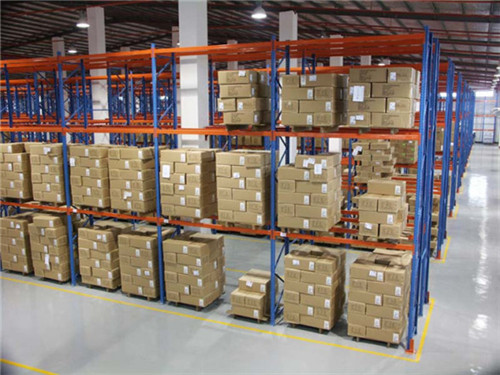
The cost of a pallet rack divider varies. A simple wire mesh panel can be very affordable, while a custom-sized solid steel divider or a full post-and-panel system will cost more. Factors influencing price include material (wire vs. solid sheet), size (height and depth), finish (paint, powder coat), and quantity.
Remember, this is not just an expense; it's a protective measure. The cost of a single damaged pallet of goods or a minor incident caused by shifting inventory can far exceed the price of installing dividers throughout a section.
When looking for a supplier, focus on companies that specialize in storage and warehouse equipment. Look for providers that offer clear specifications, beam compatibility charts, and good customer support. Many reputable suppliers will offer customization, which is crucial if your rack dimensions are non-standard. Request samples or detailed CAD drawings if possible to ensure a proper fit for your rack beam.
Quality pallet rack dividers are built for durability. Wire mesh dividers start with high-tensile steel wire, which is resistance-welded at every intersection to form a rigid grid. This grid is then framed with heavier steel channel for structural integrity. The entire unit is typically cleaned and finished with a powder-coated paint for corrosion resistance.
Solid sheet dividers are cut from coil steel, punched if perforation is needed, and then formed with stiffening bends in a press brake. The edges are hemmed for safety.
Installation is generally straightforward. Most dividers clamp onto the front and rear beams using bolt-on brackets or quick-clamp mechanisms that tighten onto the beam flanges. It's critical to follow the manufacturer's instructions and use all provided hardware. The divider must be level and securely fastened on both beams to perform safely under load. Always ensure the installation is done with the rack unloaded and following proper lock-out/tag-out procedures.
Q1: What is the main purpose of a pallet rack divider?
A1: The main purpose of a pallet rack divider is to create a physical separation between adjacent pallets or products stored on the same level of racking. This prevents load shifting, product damage, cross-contamination of SKUs, and enhances overall warehouse safety and organization.
Q2: Can I install dividers on any type of pallet rack?
A2: Most dividers are designed to be compatible with common rack beam profiles, such as step-beams or teardrop styles. However, you must check the divider's clamp or bracket system against your specific beam dimensions (height, width, and flange shape) before purchasing. Some specialty racking may require custom solutions.
Q3: Are wire mesh or solid panel dividers better?
A3: It depends on your need. Wire mesh dividers offer excellent visibility and airflow, and are strong for general use. Solid panel dividers provide complete containment for small items and are structurally very rigid. Choose mesh if you need to see through or ventilate; choose solid for full containment or maximum barrier strength.
Q4: How much weight can a typical rack divider hold?
A4: Load capacity varies significantly by design, material, and size. A well-built industrial wire mesh or steel panel divider can often withstand several thousand pounds of lateral force. Always check the manufacturer's rated load capacity for the specific model you are purchasing and never exceed it.
Q5: Do dividers make it harder to put pallets into the rack?
A5: When properly installed, they should not hinder normal loading. Dividers are mounted to the beams and sit within the upright frame, leaving the full opening clear for the forklift tynes. The key is ensuring the divider is correctly aligned and does not protrude into the load path. Good design actually makes loading easier by providing a clear, defined target space for the pallet.

 Wechat
Whatsapp
Wechat
Whatsapp