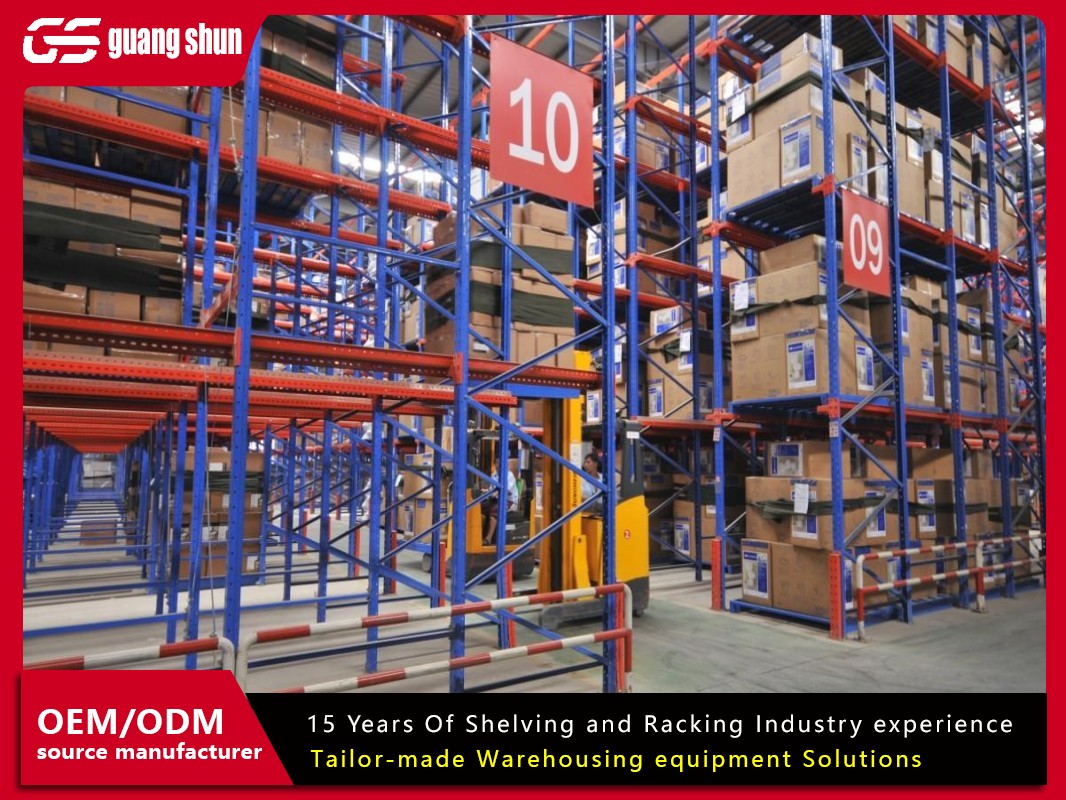
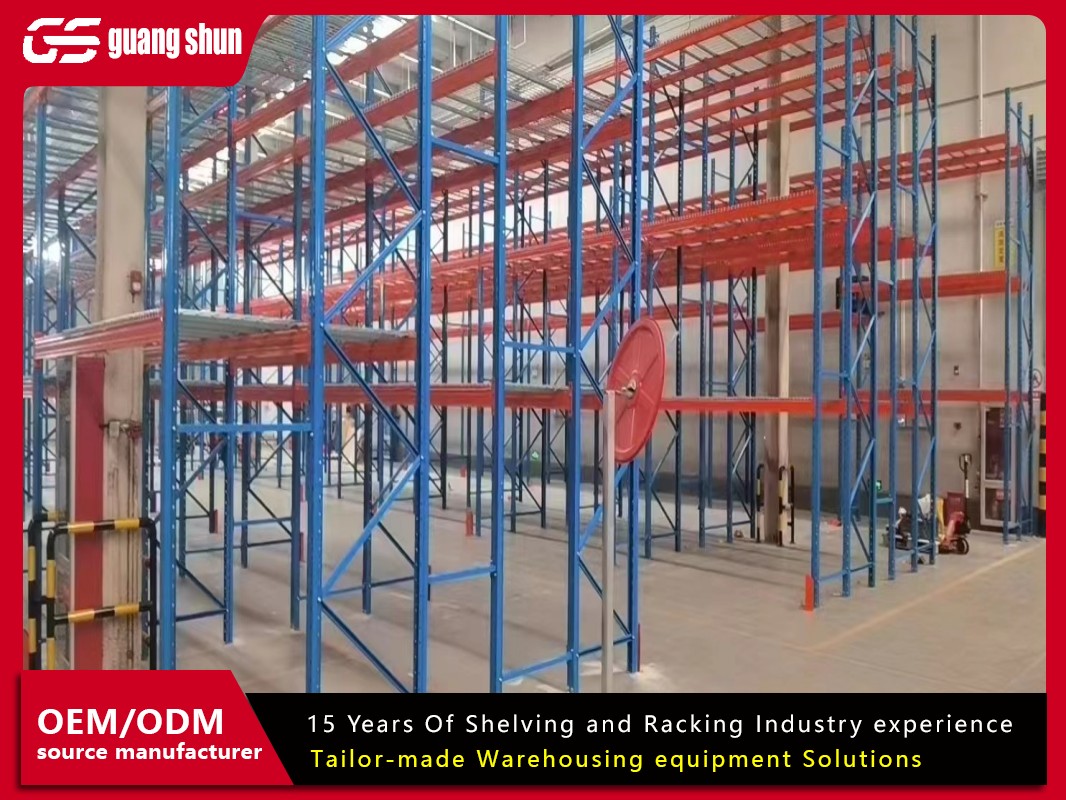
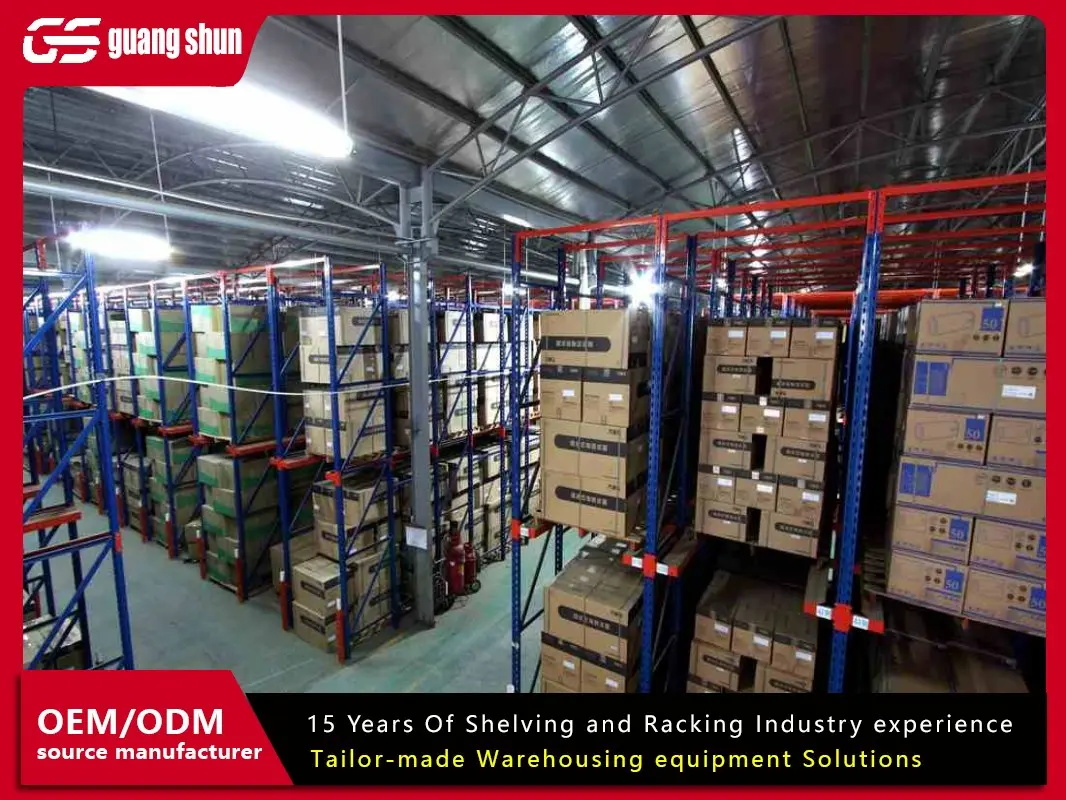
If you’re moving or storing bulky, uneven, or heavy items, standard pallets often fall short. They lack containment, leading to unstable loads and safety risks. This is where heavy duty post pallets step in, offering a robust and efficient solution for industries demanding superior organization and vertical storage.
Also known as stack or cage pallets, these units combine a standard pallet base with a welded steel frame and posts. This creates a secure, four-sided structure that can be safely stacked, transforming your storage footprint. Let's break down why they might be the right tool for your operation.
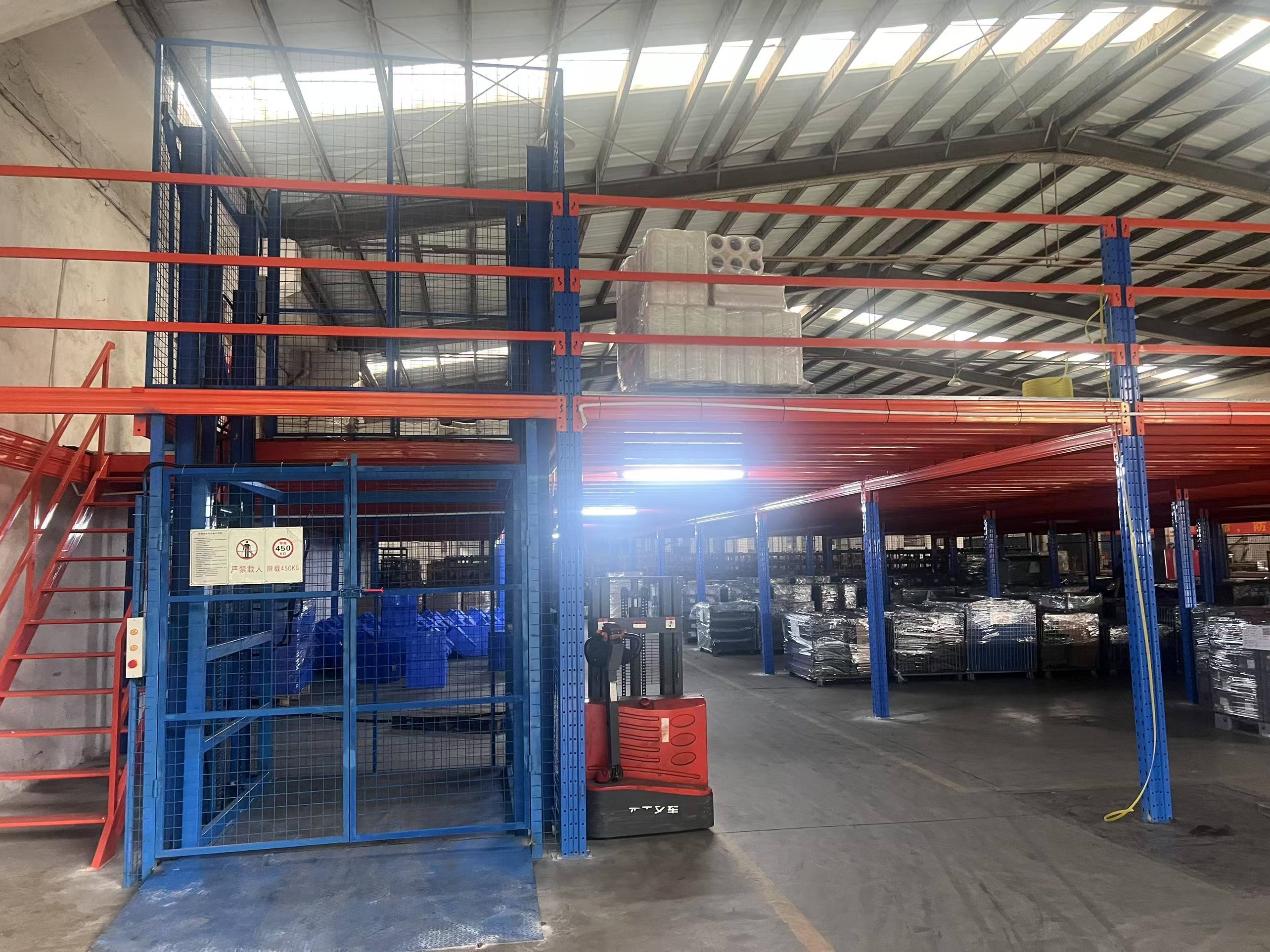
At their core, heavy duty post pallets are containment systems. They start with a strong, typically double-deck pallet base, often made of steel or reinforced timber. Welded to this base is a tubular steel frame that includes corner posts, which may extend upward to support side panels or mesh.
The defining feature is the four corner posts. They allow for secure, vertical stacking by interlocking with the base of the pallet above. This design maximizes cube utilization in your warehouse. Unlike simple stacking, this method prevents crushing and keeps each load perfectly separated and identifiable.
They are a cornerstone of heavy duty industrial storage, designed for repeated use in demanding environments like manufacturing, automotive, and bulk distribution.
Why choose post pallets over other storage methods? The benefits are clear in specific applications.
First, they enable safe vertical storage. Stacking standard loaded pallets is risky. Heavy duty stackable pallets with posts are engineered for this exact purpose, drastically reducing product damage and collapse hazards.
Second, they provide excellent containment. Loose parts, bags, or mixed items won’t fall off during transport or storage. This makes them ideal for work in process (WIP) storage on the shop floor, keeping components for a single order or assembly together.
Third, they offer unparalleled mobility. A single forklift can move an entire stacked column of inventory as one unit. This is a major efficiency gain over static storage racking, where each pallet position must be accessed individually.
Finally, they are incredibly durable. Constructed from steel, they withstand impacts, weather, and constant use far better than wood. Their long service life makes them a sustainable, cost-effective choice over time.
You’ll find heavy duty post pallets in any industry handling dense, stackable loads.
In manufacturing, they are used for storing raw materials like metal castings, plastic granules in bags, or sub-assembly components. Their open design allows for easy visual inventory checks.
The automotive sector relies on them for engine blocks, transmissions, and other heavy parts. The steel construction handles the extreme weight without failure.
Retail and distribution centers use them for storing non-conveyable, bulky goods like appliances or furniture before staging for delivery. They are also perfect for warehouse order picking operations where batch picking is required.
Any operation needing to store drums, kegs, or other cylindrical items benefits from the secure containment, preventing roll-away hazards.
Choosing the correct heavy duty post pallet involves several critical specifications. Getting this wrong can affect safety and efficiency.
Load Capacity: This is the most important factor. Capacity is rated as both dynamic (when being moved by a lift truck) and static (when at rest in a stack). Ensure your chosen pallet’s dynamic capacity exceeds the weight of your heaviest typical load. For extra heavy duty pallets, capacities can reach 4,000 lbs or more.
Dimensions and Stacking Height: The footprint must be compatible with your existing racks, aisles, and lift trucks. Standard sizes mimic pallet dimensions (48"x40" is common). Confirm the stacked height and ensure your ceiling clearance and forklift mast height can accommodate it safely.
Construction and Features: Look for a fully welded frame made from structural steel tubing. The base deck material matters—steel is strongest, while pressure-treated timber can be more cost-effective. Decide if you need full steel mesh sides, partial sides, or just corner posts. Options like drop-gates or removable panels can greatly enhance accessibility.
Fork Entry: Most are four-way entry pallets, allowing forklift access from any side. This is a crucial feature for maneuverability in tight spaces. Confirm the fork pocket dimensions suit your equipment.
The upfront cost of a heavy duty post pallet is higher than a wooden pallet. However, the total cost of ownership tells a different story.
Consider them a capital investment, not a consumable. A well-made steel post pallet can last 15-20 years with minimal maintenance, while wooden pallets may break or be discarded after a few trips. You eliminate constant replacement costs.
You also save on space rental costs. By stacking vertically, you dramatically increase storage density within the same floor area. This can defer or eliminate the need for a larger facility.
Factor in reduced product damage from better containment and safer stacking. This directly protects your profit margins. When viewed holistically, the return on investment for industrial post pallets is often compelling.
The strength of a true heavy duty post pallet comes from its design and build quality. The process typically involves precision cutting of steel tubing and sheet metal.
Components are then jig-welded. This ensures perfect alignment and squareness, which is critical for stable stacking. High-quality manufacturers use continuous welds at all major stress points, not just tack welds.
The base is critical. A double-deck design, with both top and bottom decks, provides torsional rigidity. This prevents twisting under heavy, uneven loads. After welding, a powder-coat finish is applied for corrosion resistance, important for environments with humidity or washdowns.
Rigorous load testing is the final step. Reputable suppliers test samples to destruction to validate their rated capacity, often with a significant safety factor built in.
Finding a reliable supplier is key. Look for a manufacturer or distributor with deep experience in material handling equipment. They should offer clear engineering specifications and be willing to discuss your specific application.
Ask about customization. Can they adjust post height, add specific gate styles, or incorporate your company colors? A good partner will help you optimize the design.
Inspect samples if possible. Check weld quality, finish smoothness, and overall weight. A robust heavy duty post pallet should feel substantial and solid. Don’t forget to inquire about lead times, bulk order discounts, and warranty coverage.
Q1: How much weight can a typical heavy duty post pallet actually hold?
A1: A standard heavy duty post pallet often has a dynamic capacity (for moving) between 2,000 and 4,000 lbs. Static capacity (when stacked) can be much higher. Always defer to the manufacturer’s specific rated capacity for the model you are considering, as designs vary widely.
Q2: Can post pallets be used with pallet racking systems?
A2: This requires careful checking. The external dimensions of the post pallet must fit within your rack’s beam openings. More importantly, the posts must not interfere with the rack beams. Some are designed specifically for racking, while others are meant for free-standing block stacking. Never assume compatibility without verifying.
Q3: What is the main difference between a post pallet and a cage pallet?
A3: The terms are often used interchangeably. Generally, a cage pallet always has full-height welded mesh or bar sides on all four sides. A post pallet may refer to a unit with just corner posts and no sides, or one with partial or removable panels. The key common feature is the four corner posts enabling secure stacking.
Q4: Are used or refurbished post pallets a smart purchase?
A4: It can be, but inspection is vital. Check for cracked or rewelded joints, significant rust (especially at the base), and bent or misshapen posts that would affect stacking. Ensure the load rating is still valid. For critical, heavy-load applications, new pallets with a full warranty are often the safer choice.
Q5: How do I maintain and repair a steel post pallet?
A5: Maintenance is straightforward. Periodically inspect for damage, especially after impacts. Clean off debris that could affect stacking. Minor rust spots can be sanded and touched up with paint. For bent posts or cracked welds, consult the manufacturer or a professional welding shop familiar with material handling equipment repair. Do not use a damaged pallet.

 Wechat
Whatsapp
Wechat
Whatsapp