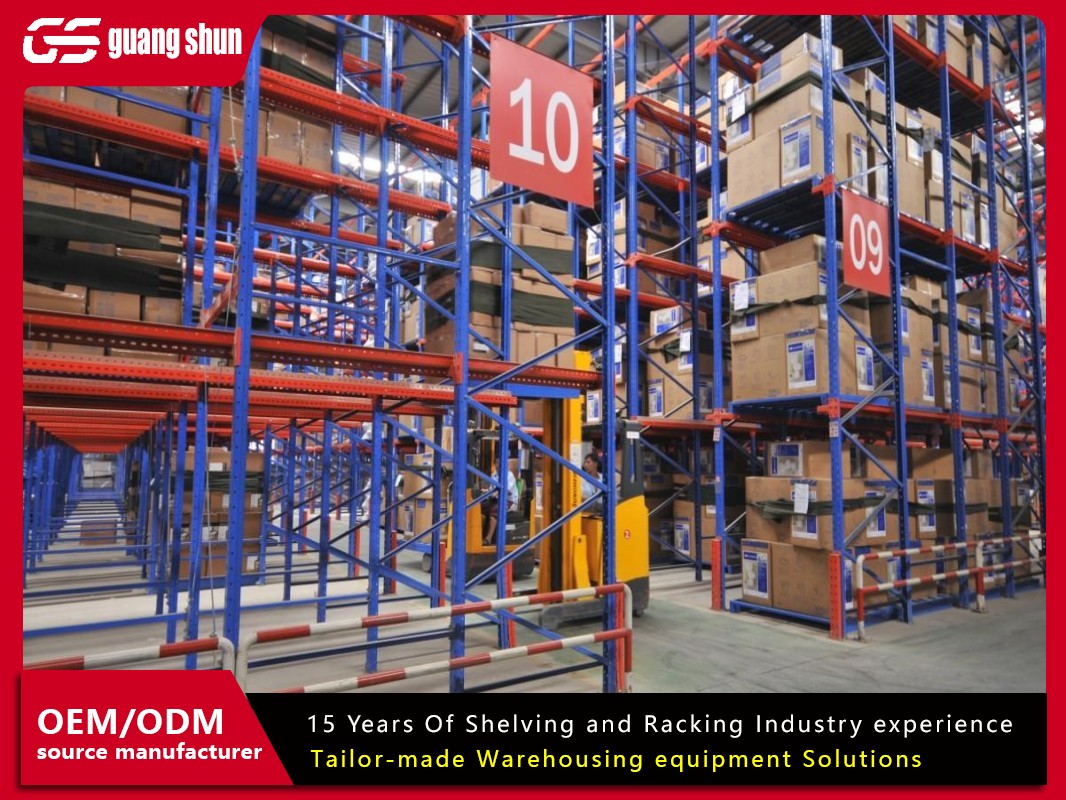
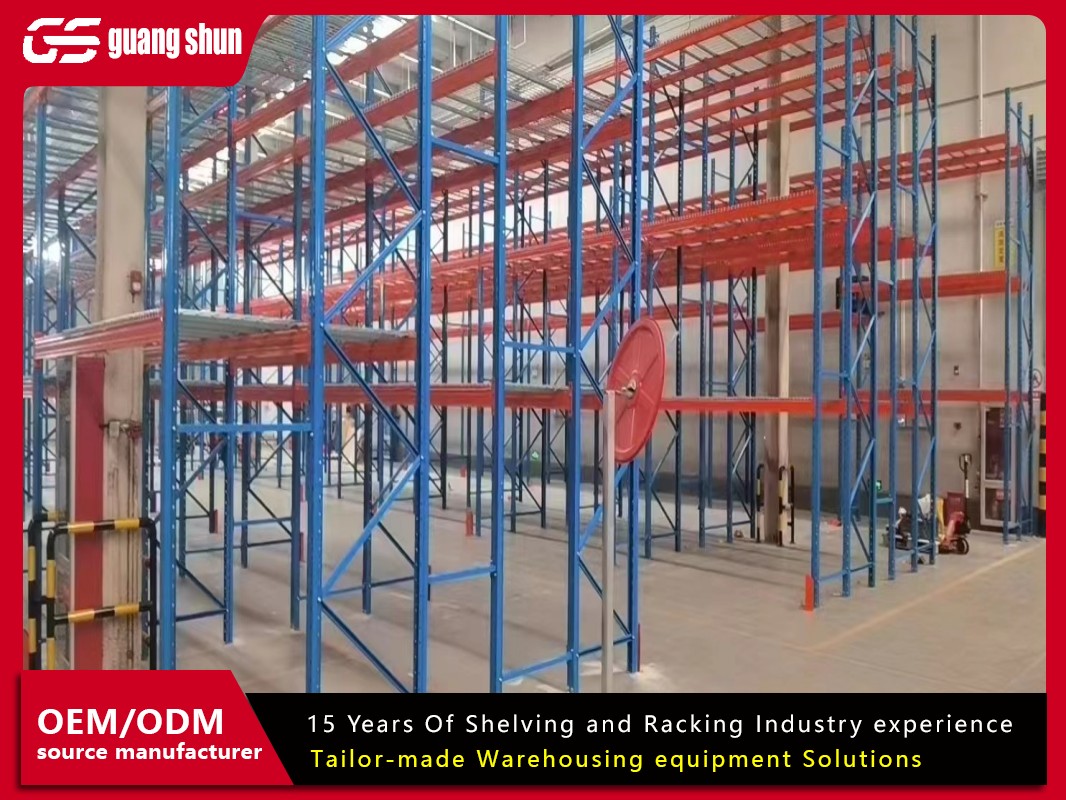
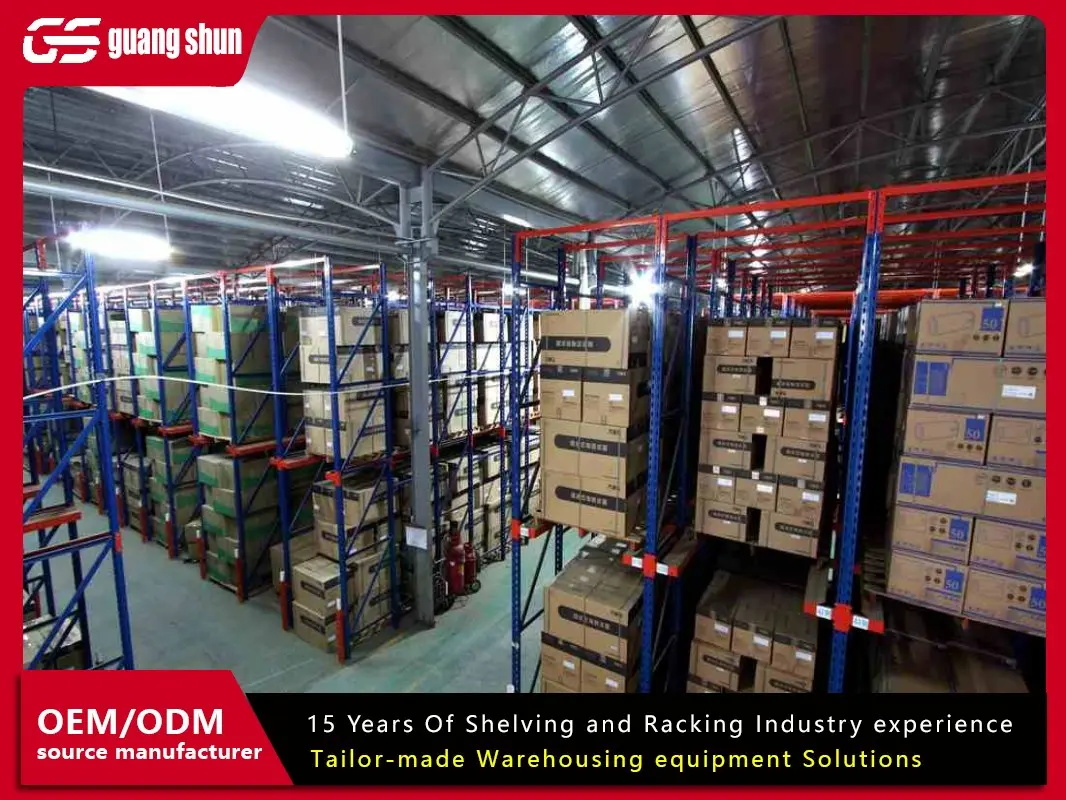
Running a shop requires smart storage. Whether it’s retail stock, automotive parts, or workshop tools, clutter hurts efficiency. That’s where heavy duty shelves for shop environments become essential. They are the unsung heroes of organization, built to handle substantial weight and withstand daily use.
Choosing the wrong shelving can lead to sagging shelves, safety hazards, and wasted space. This overview walks you through the key considerations, types, and costs to help you make an informed decision for your business.
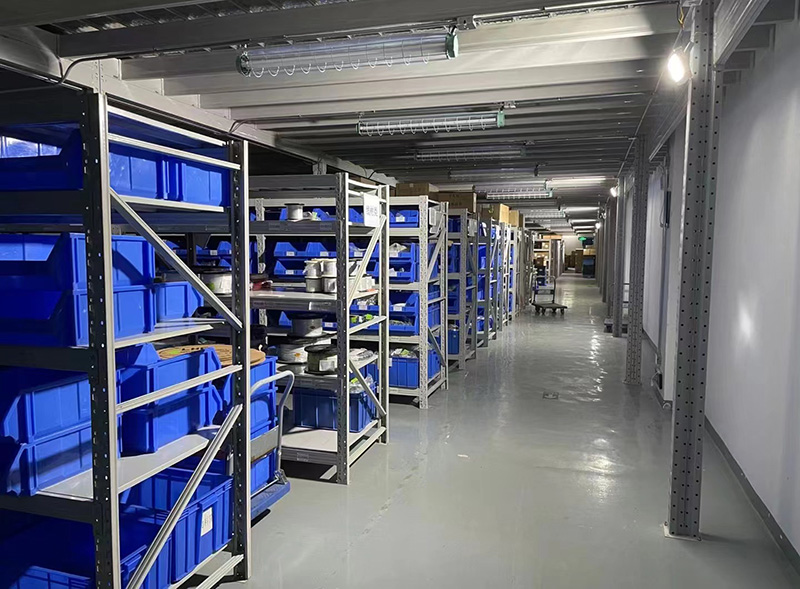
Before browsing options, assess your specific requirements. What will you store? Boxes of books, bulky machinery, or small but dense inventory? The weight and size of your items dictate the necessary shelving strength and configuration.
Consider your shop's layout. Measure available floor space and ceiling height. Vertical storage is often underutilized. Also, think about access. Do you need to reach items frequently, or is it mostly for long-term bulk storage? Answering these questions narrows your search for the perfect heavy duty shop storage solution.
Not all industrial shelving is created equal. The main types vary in design, capacity, and best-use scenarios.
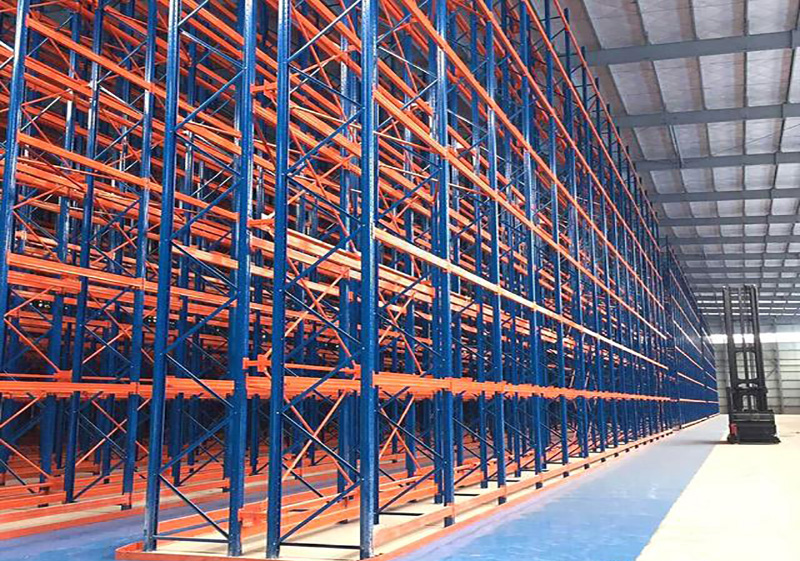
Bolted Shelving is a classic choice for heavy duty storage. Units are assembled with bolts and nuts, creating an incredibly rigid and strong structure. They are highly customizable in shelf spacing and can handle massive, uneven loads. Ideal for warehouses and shops with palletized goods.
Riveted Shelving offers similar strength but uses rivets for faster assembly. It's known for its durability and clean look, often used in retail stockrooms. The shelves are typically load-rated per level, providing clear safety guidelines.
Wire Shelving provides excellent ventilation and visibility. It’s a strong contender for shops needing to see inventory easily or where dust accumulation is a concern. However, it’s less suitable for very small items that could fall through.
Cantilever Shelving features arms that extend from a central column, perfect for storing long, bulky items like pipes, timber, or molding. This design provides completely unobstructed access from the front and sides, a key advantage for certain shops.
Focus on these critical specifications to ensure your heavy duty racking investment pays off.
Weight Capacity: This is paramount. Capacity is listed as both per shelf and total unit load. Always choose a shelf rated for more weight than you plan to store. Factor in potential future needs. For truly heavy duty shop shelves, look for capacities starting at 1,000 lbs per shelf and upwards.
Dimensions and Adjustability: Standard widths and depths vary. Adjustable shelf heights are a must-have feature for most shops, allowing you to reconfigure space as inventory changes. Don’t forget vertical clearance.
Material and Construction: Steel is the standard for commercial shelving units. Look for a thicker gauge steel (a lower gauge number indicates thicker metal) for heavier loads. Powder-coated finishes resist rust, scratches, and chemicals, prolonging the shelf's life in a busy shop.
Safety and Stability: Ensure the design includes features like cross-bracing, safety locks, or bolt-secured shelves to prevent accidental dislodging. Units should be anchored to the wall or floor for ultimate stability, especially in areas with seismic activity.
The price of heavy duty shelves for shop use varies widely. Basic boltless units start at a lower price point, while high-capacity, pallet-rated systems cost significantly more.
Your total investment isn't just the purchase price. Consider delivery charges, the time or cost of assembly, and any necessary accessories like bin boxes or shelf dividers. View this as a long-term capital investment. A slightly more expensive, higher-quality unit that lasts 15 years offers better value than a cheaper unit that fails in 5.
Many suppliers offer bulk discounts. Planning your entire shop storage system at once can lead to savings and a more cohesive layout.
Proper assembly is crucial for safety and performance. Follow the manufacturer's instructions meticulously. Use a level during installation and ensure the floor is even. Never skip steps like installing all bolts or safety clips.
Once installed, maintenance is minimal but important. Periodically check for loose bolts or rivets. Inspect shelves for signs of damage or overload, such as noticeable bowing. Keep loads evenly distributed and avoid exceeding posted weight limits. A well-maintained industrial storage shelving system will serve your shop for decades.
Source your heavy duty shelves from reputable suppliers specializing in commercial and industrial storage. Look for companies with detailed product specifications, clear warranty information, and positive customer reviews about product durability and customer service.
Many suppliers offer planning tools or even consulting services to help you design an efficient layout. Don't hesitate to ask for load capacity charts or engineering data if you have exceptional requirements.
Q1: What is the typical weight capacity for true heavy duty shop shelves?
A1: True heavy duty shelves for shop and industrial use typically start at around 1,000 to 2,000 pounds per shelf. For pallet storage, capacities can range from 2,500 lbs to over 10,000 lbs per rack level. Always check the manufacturer's specific rated capacity.
Q2: Can I assemble heavy duty shelving by myself, or do I need professional help?
A2: While many bolted or riveted heavy duty storage units are designed for on-site assembly, it's often a two-person job due to the size and weight of components. For very large systems or cantilever racks, professional installation is recommended to ensure absolute safety and stability.
Q3: Are used heavy duty shop shelves a good option to save money?
A3: They can be, but exercise caution. Inspect used commercial shelving units thoroughly for rust, cracks, bent beams, or damaged connectors. Ensure all parts are present and that you know the manufacturer's original load specifications. The cost savings must be weighed against potential safety risks and missing components.
Q4: How high can I safely stack items on my shop shelves?
A4: Safety should always come first. As a general rule, do not stack items above the shelf's rear and side barriers. For open shelving, keep items well below the top edge to prevent them from falling. Always place heavier boxes on lower shelves and maintain a stable, centered center of gravity.
Q5: What’s the main difference between boltless and bolted heavy duty shelving?
A5: Boltless (or riveted) shelving uses integrated clips or rivets for faster, tool-light assembly and a cleaner look. Bolted shelving uses nuts, bolts, and wrenches to create an exceptionally rigid connection, often allowing for higher load capacities and more customization in shelf placement. Bolted designs are often chosen for the most demanding shop storage tasks.

 Wechat
Whatsapp
Wechat
Whatsapp