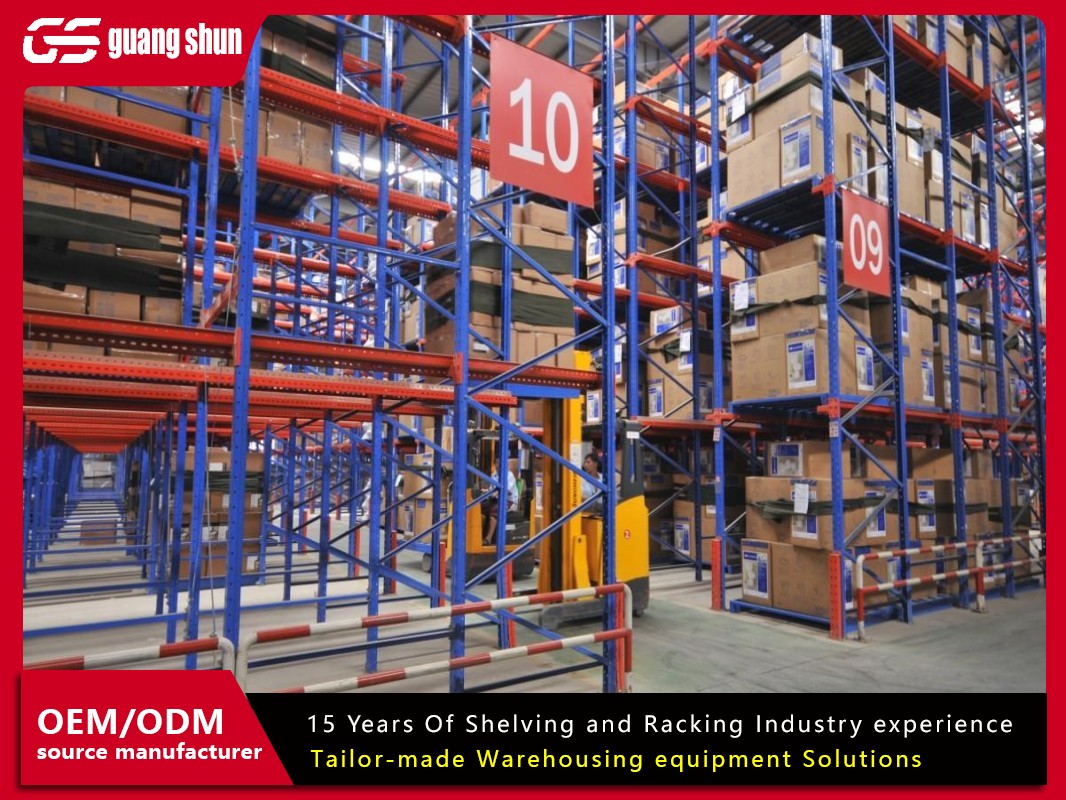
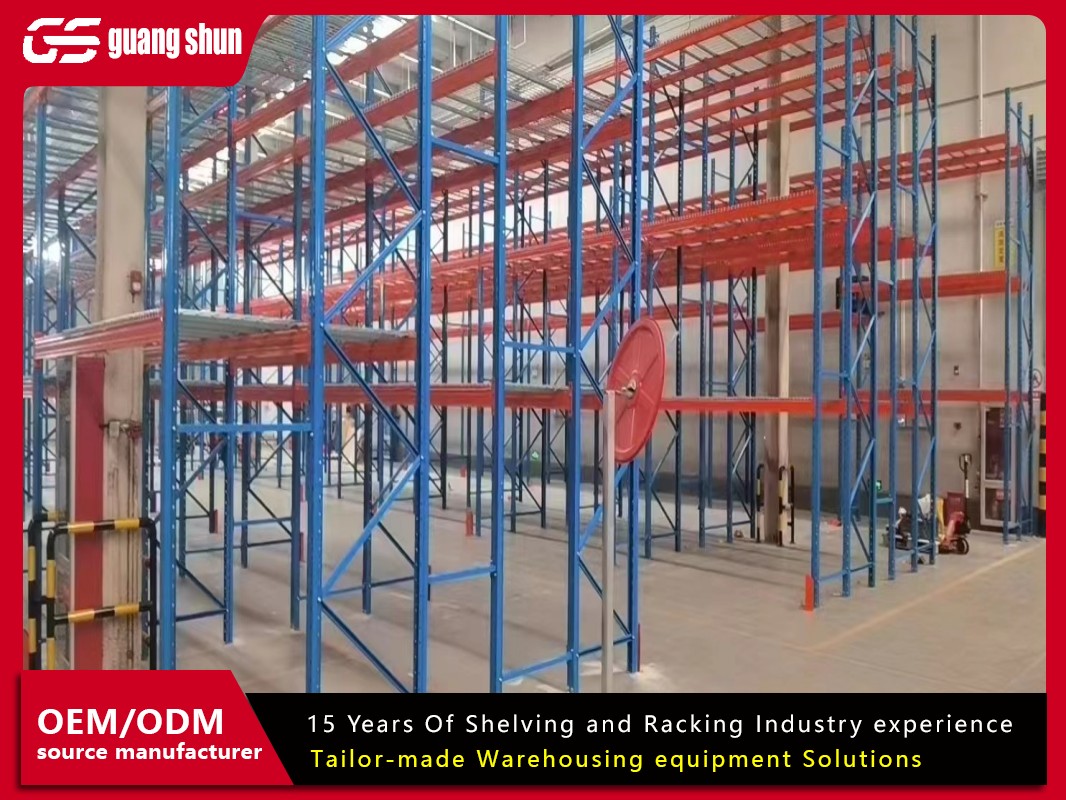
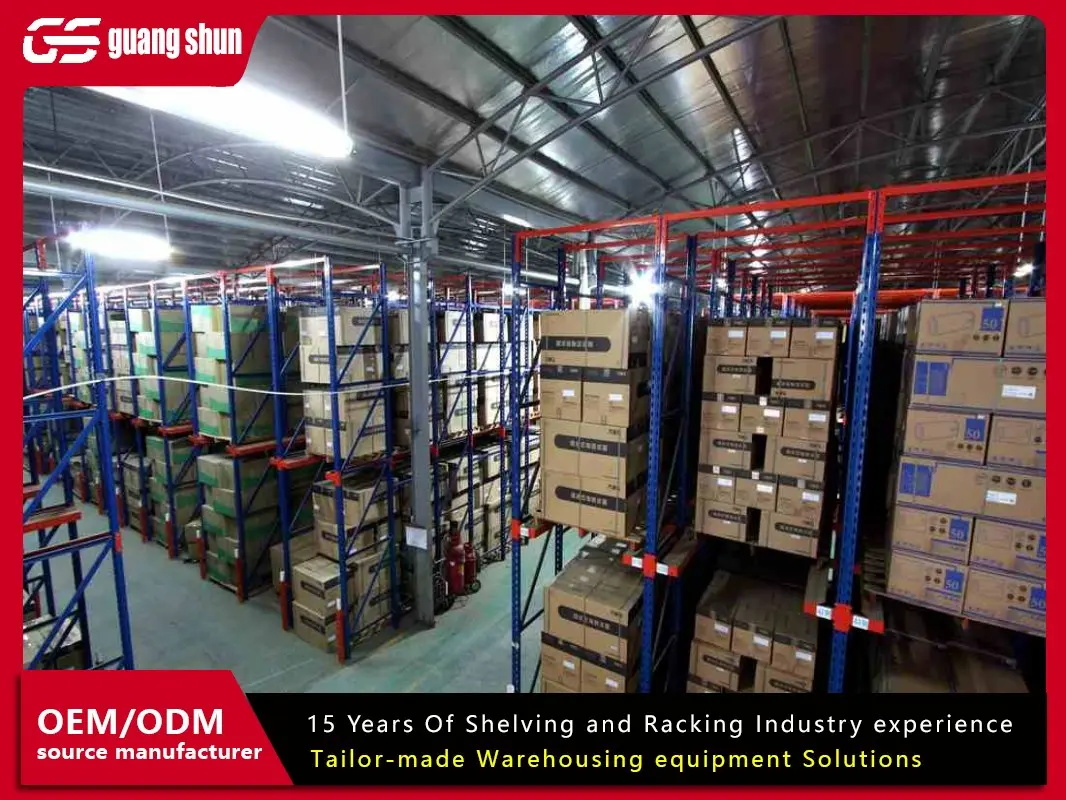
If you’re managing a warehouse, workshop, or any space with serious storage needs, you’ve likely searched for a robust solution. Heavy duty stacking shelves are often the unsung heroes of industrial organization. This guide cuts through the noise to explain what they are, why they work, and how to choose the right system for your heavy loads.
Unlike standard shelving, these units are engineered to handle substantial weight while offering flexible configurations. Let's look at how they can transform your storage approach.
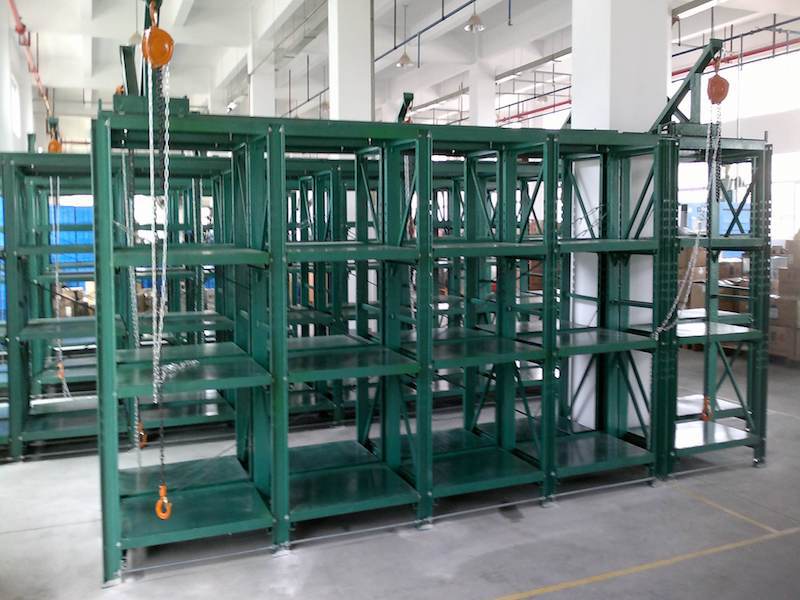
Heavy duty stacking shelves are modular storage systems designed for high-capacity loading. They are built from reinforced materials like structural steel or reinforced wire mesh. Their core design principle is strength and vertical space utilization.
A key feature is their stackability. Individual shelf units can be securely placed on top of one another. This creates a tall, stable storage column without needing wall supports or complex framing.
You’ll often see them in environments that store dense parts, tools, or bulky materials. They are the backbone of many industrial storage solutions.
Why choose heavy duty stacking shelves over other storage methods? The advantages are clear for businesses focused on efficiency and floor space.
Maximize Vertical Space and Floor Area
The primary benefit is efficient use of cubic air space. By stacking upwards, you free up valuable floor area. This is crucial in busy workshops or crowded warehouses.
A heavy duty shelving unit that stacks four levels high effectively quadruples your storage footprint. You get more capacity without expanding your building.
Unmatched Strength and Load Capacity
As the name implies, heavy duty is the focus. These shelves are rated for hundreds, often thousands, of pounds per level. They handle engine blocks, metal stock, packed crates, or heavy machinery parts with ease.
This strength makes them a cornerstone of industrial storage shelving.
Flexibility and Reconfigurability
Most systems are modular. You can add, remove, or rearrange units as your needs change. If a process shifts, your storage shelving can adapt quickly.
This modularity also allows for custom heights and layouts around obstructions.
Durability and Long-Term Value
Constructed from robust materials with durable finishes, these shelves are built to last. They resist impact, wear, and corrosion in demanding environments. This durability translates to a strong return on investment over many years.
Improved Organization and Safety
Organized storage is safer storage. Heavy duty racking systems keep heavy items securely contained and clearly visible. This reduces clutter, minimizes trip hazards, and makes inventory counts faster.
Proper storage also prevents damage to expensive equipment and stock.
Not all stacking shelf systems are created equal. Paying attention to these features will ensure you get a safe, reliable product.
Material and Construction Quality
Look for shelves made from thick, structural-grade steel. The gauge (thickness) of the steel is a critical indicator of strength. A high-quality powder-coat finish resists scratches, chips, and rust.
Avoid shelves with thin, flimsy components that can bend under stress.
Load Capacity Ratings
This is the most important spec. Capacity is usually listed as "per shelf" and "per unit." Always check both. Ensure the rating exceeds your heaviest anticipated load with a safety margin.
True heavy duty storage shelves will have clear, certified load ratings.
Shelf Decking Options
The decking material must match your items. Common options include:
Safety and Stability Features
Integral locking mechanisms are essential for secure stacking. Look for systems with positive-lock pins or bolted connections between tiers.
Some units feature stabilizing feet or the option to bolt to the floor for ultimate stability in high-traffic areas.
Adjustability
Can individual shelf heights be adjusted within the unit? This flexibility allows you to accommodate items of various sizes, maximizing every inch of space.
Heavy duty stacking shelves are versatile. Here are some of the most effective places to use them.
Warehousing and Distribution Centers
Ideal for storing spare parts, maintenance supplies, and bulky non-palletized goods. They create dense industrial storage zones for fast-moving SKUs.
Manufacturing and Machine Shops
Perfect for holding raw material stock, tooling, work-in-progress, and finished metal parts. Their strength handles the substantial weight of metal and industrial components.
Automotive and Aerospace Garages
From engine blocks and transmissions to aviation parts, these shelves provide the needed strength. Mechanics use them to organize heavy tools and bulky equipment securely.
Retail Stockrooms and Backrooms
Big-box stores use them to hold overstock of dense items like hardware, automotive fluids, or garden supplies. They handle the weight while keeping inventory accessible.
Archives and File Storage
For storing decades of paper records or bound manuals in boxes, heavy duty shelving units provide the necessary structural support to prevent collapse.
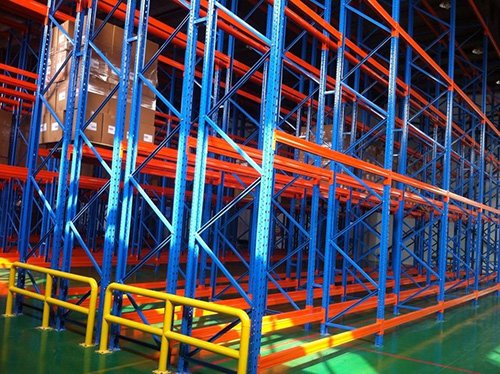
Selecting the correct heavy duty stacking shelves involves a few key steps.
Step 1: Assess Your Load Requirements
List the heaviest items you need to store. Calculate the total weight per shelf. Add a 15-20% safety buffer to this number. This is your target load capacity.
Step 2: Measure Your Space and Items
Measure the floor space available. Then, measure the dimensions (height, width, depth) of your largest items. This will determine the footprint and shelf spacing you need for your storage system.
Step 3: Select the Appropriate Decking
Choose the decking type based on your items. Use solid or particle board for boxes. Choose wire mesh for dirty, wet, or poorly-ventilated items. Perforated metal is a great all-rounder.
Step 4: Prioritize Safety Features
If the shelves will be in a busy area or stacked very high, prioritize systems with secure locking mechanisms and optional floor anchoring.
Step 5: Plan for Growth
Consider a modular system. Starting with a few stacking shelf units allows you to expand your storage system easily as your business grows.
Proper setup and care ensure your shelves perform safely for years.
Assembly Best Practices
Always follow the manufacturer's instructions exactly. Assemble on a level floor. Use two people for safety, especially when lifting upper tiers. Ensure every locking pin or bolt is fully engaged before loading.
Regular Inspection and Maintenance
Conduct monthly visual inspections. Look for:
Safe Loading Practices
Never exceed the stated load capacity. Distribute weight evenly across the shelf. Place heavier items on lower shelves to maintain a low center of gravity. This is a fundamental rule for all heavy duty racking.
Organizational Habits
Label shelves clearly. Keep frequently accessed items at waist-to-eye level. Use bins or containers to group small items on the wider shelves. This maintains efficiency and safety.
Q1: What is the typical weight capacity for heavy duty stacking shelves?
A1: Capacities vary significantly by model and construction. True heavy duty stacking shelves typically have per-shelf capacities ranging from 1,000 to 5,000 pounds. Always check the manufacturer's specific rating for each unit and never assume capacity.
Q2: Can I really stack these shelves without bolting them together?
A2: High-quality systems are designed with integral locking pins or mechanisms that allow secure stacking without separate bolting. However, for maximum stability in high-traffic areas or for very tall configurations, bolting tiers together or anchoring to the floor is highly recommended.
Q3: What's the difference between wire mesh and solid shelf decks?
A3: Wire mesh decks allow air circulation, light penetration, and drainage. They are ideal for dirty, wet, or fire-sensitive environments. Solid decks (steel or particle board) provide a continuous surface for very small items and are often used for boxed goods. Your choice depends on what you're storing.
Q4: How do I stop the shelves from rusting in my damp workshop?
A4: Look for shelves with a high-quality, corrosion-resistant powder-coat finish. For especially damp environments, consider shelves made from galvanized steel, which offers superior rust protection. Regular inspections can help catch any chips in the finish early for touch-up.
Q5: Are these shelves easy to relocate if we move or reconfigure our space?
A5: Yes, one of the main advantages of modular stacking shelves is their reconfigurability. They can be disassembled into manageable units (by tier) and relocated. This is far easier than moving a large, welded static rack, making them a flexible long-term storage investment.

 Wechat
Whatsapp
Wechat
Whatsapp