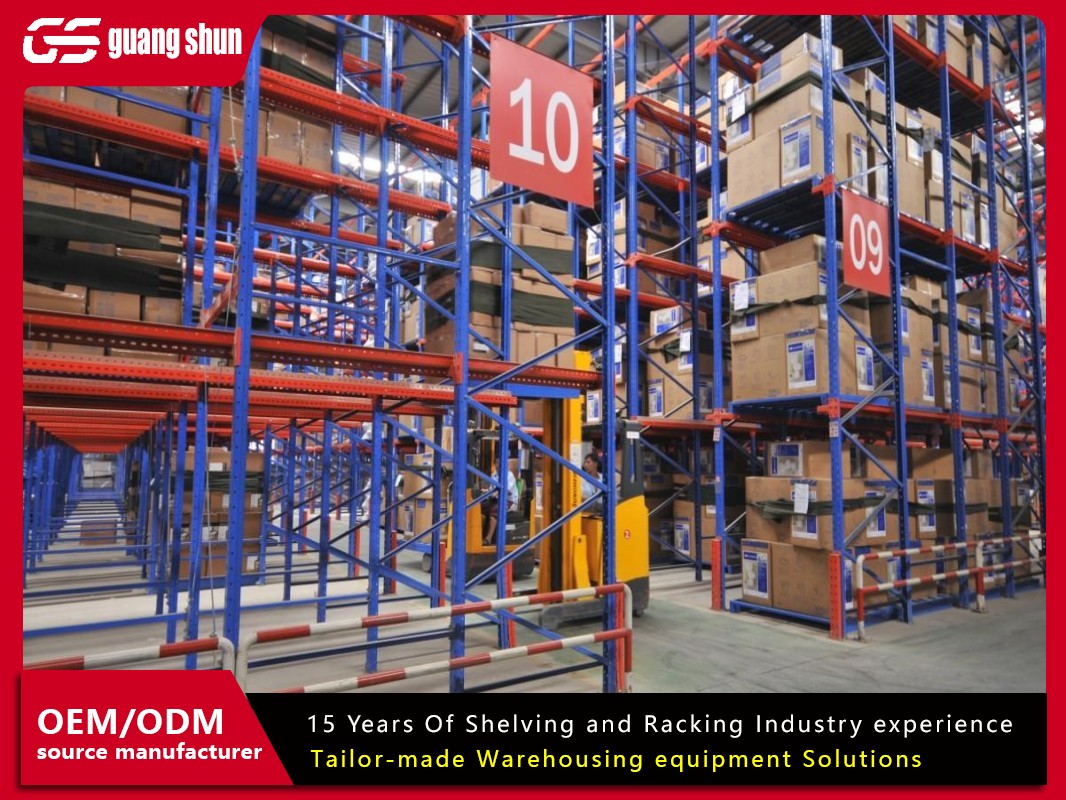
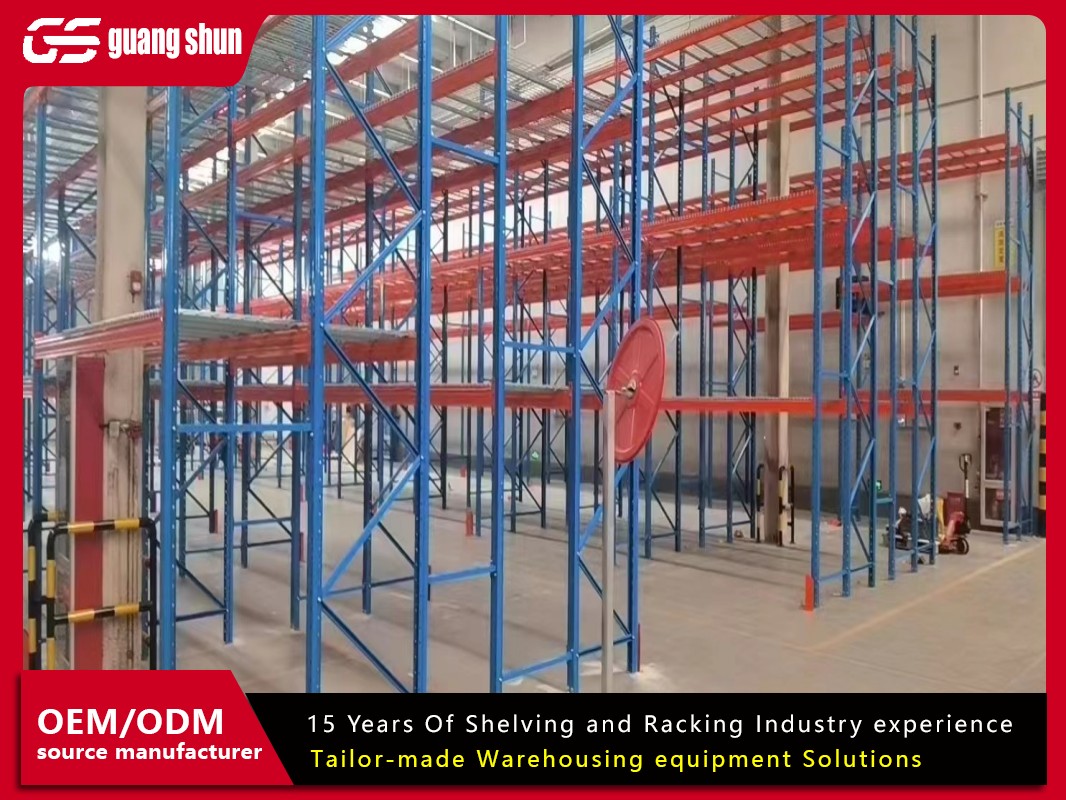
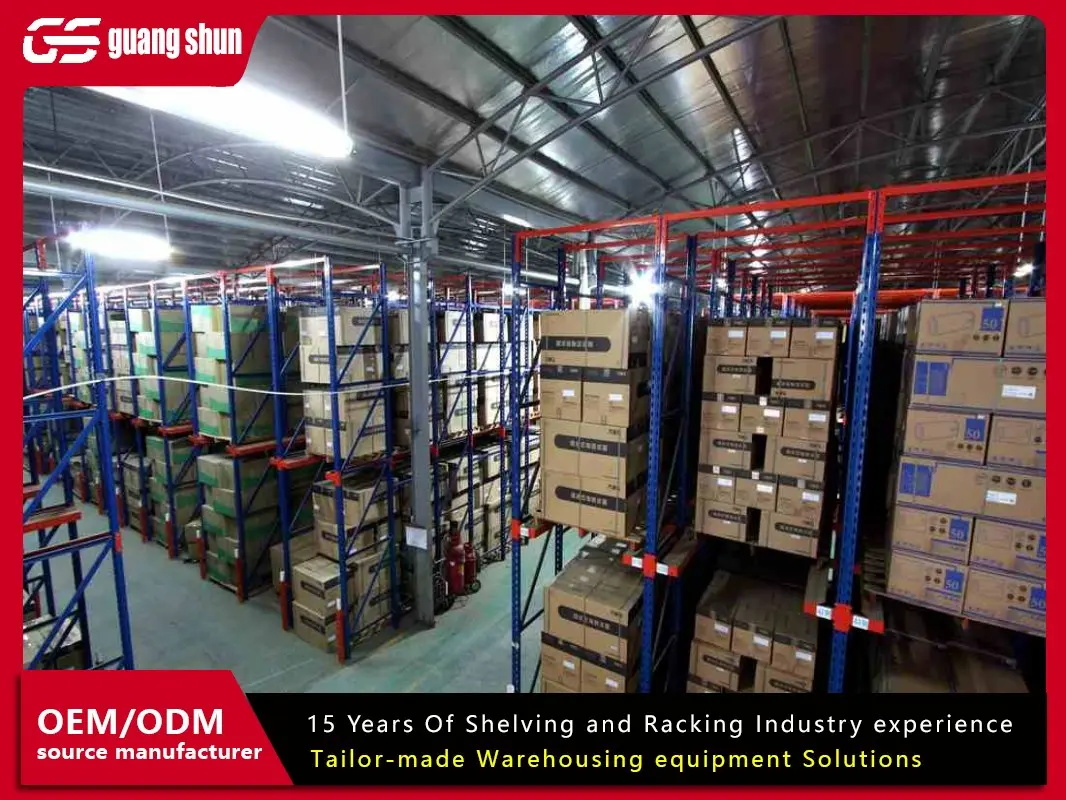
In the world of logistics and supply chain management, efficient storage systems are crucial for optimizing operations, reducing costs, and enhancing productivity. Industrial warehouse pallet racking stands out as a fundamental component in this landscape, providing a structured approach to storing goods safely and accessibly. This system is designed to handle heavy loads, maximize space utilization, and support various warehouse functions, from inventory management to order fulfillment. As businesses strive to meet increasing demands, understanding the intricacies of industrial warehouse pallet racking becomes essential. This article delves into multiple aspects of this storage solution, highlighting its importance, types, benefits, installation processes, and selection criteria. By the end, you'll have a comprehensive view of why industrial warehouse pallet racking is indispensable for modern warehousing.

Industrial warehouse pallet racking refers to a specialized storage system used in warehouses and distribution centers to organize and store palletized goods. It typically consists of upright frames, beams, and other components that create multiple levels of storage, allowing for easy access and efficient use of vertical space. This system is engineered to support heavy loads, often made from durable materials like steel, and can be customized to fit specific warehouse layouts and requirements. The primary purpose of industrial warehouse pallet racking is to facilitate organized storage, improve inventory visibility, and enhance safety by reducing clutter. Over the years, it has evolved to include various configurations, making it a versatile solution for industries ranging from retail to manufacturing. By implementing industrial warehouse pallet racking, businesses can streamline their operations, reduce handling times, and adapt to changing storage needs.
There are several types of industrial warehouse pallet racking systems, each designed to address specific storage challenges and operational requirements. Understanding these variations helps in selecting the right system for a particular warehouse environment.
Selective Pallet Racking: This is the most common type of industrial warehouse pallet racking, offering direct access to every pallet. It's ideal for warehouses with a high variety of SKUs (Stock Keeping Units) and frequent inventory turnover. The design allows forklifts to navigate aisles easily, making it a flexible option for many businesses.
Drive-In and Drive-Through Racking: These systems are suited for high-density storage where space is limited. In drive-in racking, forklifts enter the same aisle to store and retrieve pallets, following a last-in, first-out (LIFO) approach. Drive-through racking, on the other hand, allows access from both ends, enabling a first-in, first-out (FIFO) method. This type of industrial warehouse pallet racking is efficient for storing large quantities of similar products.
Push-Back Racking: This system uses inclined rails and carts to store multiple pallets deep, with each pallet pushing the previous one back when a new one is added. It offers high density and selectivity, making it a popular choice for warehouses needing a balance between space utilization and accessibility. Push-back racking is often used in environments with medium to high turnover rates.
Pallet Flow Racking: Utilizing gravity-fed lanes, this industrial warehouse pallet racking system allows pallets to move from the loading end to the unloading end. It's designed for FIFO inventory management and is excellent for perishable goods or products with expiration dates. The dynamic nature of this system reduces handling time and improves efficiency.
Cantilever Racking: Ideal for storing long, bulky items like pipes or lumber, cantilever racking features arms that extend from vertical columns. It provides unobstructed access and is highly customizable, making it a versatile option for specialized storage needs.
Each type of industrial warehouse pallet racking offers unique advantages, and the choice depends on factors such as inventory type, warehouse layout, and operational goals.
Implementing industrial warehouse pallet racking brings numerous benefits that contribute to overall operational efficiency and cost-effectiveness. Here are some key advantages:
Maximized Space Utilization: By leveraging vertical space, industrial warehouse pallet racking allows warehouses to store more goods without expanding their footprint. This is particularly valuable in urban areas where real estate costs are high. Systems like high-density racking can double or triple storage capacity compared to traditional methods.
Improved Safety and Organization: A well-designed industrial warehouse pallet racking system reduces the risk of accidents by keeping aisles clear and providing stable storage for heavy loads. Features like load beams and safety locks prevent pallets from falling, while organized layouts enhance visibility and reduce the chances of mishandling.
Enhanced Inventory Management: With industrial warehouse pallet racking, businesses can implement systematic storage methods, such as zoning or FIFO/LIFO, which streamline inventory tracking and reduce errors. This leads to faster order fulfillment, lower labor costs, and better overall supply chain management.
Scalability and Flexibility: As business needs evolve, industrial warehouse pallet racking can be easily reconfigured or expanded. Modular designs allow for adjustments in rack height and aisle width, making it adaptable to changing inventory levels or new operational requirements.
Cost Savings: Although the initial investment in industrial warehouse pallet racking can be significant, the long-term savings are substantial. Reduced product damage, lower labor costs, and efficient space use contribute to a quick return on investment. Additionally, durable materials ensure a long lifespan with minimal maintenance.
These benefits make industrial warehouse pallet racking a smart choice for businesses looking to optimize their storage operations and stay competitive in a fast-paced market.
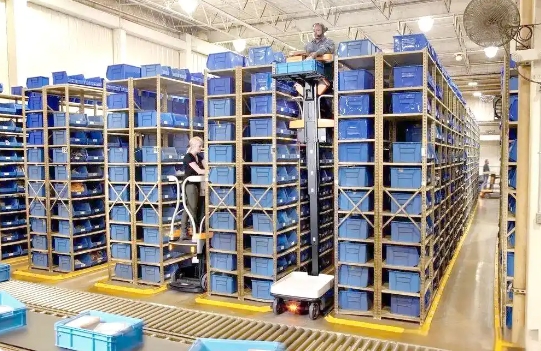
Proper installation and maintenance are critical to ensuring the safety and longevity of industrial warehouse pallet racking. A poorly installed system can lead to collapses, injuries, and costly downtime. Here's a step-by-step overview of the installation process and best practices for maintenance.
Installation Process:
Site Assessment and Planning: Before installation, conduct a thorough assessment of the warehouse space, including floor conditions, ceiling height, and load requirements. Design a layout that optimizes flow and accessibility, considering factors like aisle width and rack configuration.
Component Assembly: Industrial warehouse pallet racking components, such as upright frames, beams, and braces, are assembled according to manufacturer specifications. This often requires specialized tools and trained personnel to ensure structural integrity.
Anchoring and Leveling: The racking system must be securely anchored to the floor to prevent tipping. Use appropriate anchors and check for levelness to distribute loads evenly. This step is crucial for stability, especially in seismic zones or high-traffic areas.
Load Testing: After installation, perform load tests to verify that the industrial warehouse pallet racking can handle the intended weights. This involves placing sample loads and inspecting for any signs of stress or deformation.
Maintenance Best Practices:
Regular Inspections: Schedule routine inspections to check for damage, such as bent beams, loose connections, or corrosion. Address issues promptly to prevent accidents.
Cleaning and Lubrication: Keep the industrial warehouse pallet racking clean from dust and debris, and lubricate moving parts in systems like push-back racking to ensure smooth operation.
Load Capacity Adherence: Always adhere to the specified load capacities to avoid overloading, which can compromise safety. Train staff on proper loading techniques and use signage to remind them of limits.
Documentation and Records: Maintain records of inspections, repairs, and modifications to track the system's condition over time. This helps in planning preventive maintenance and complying with safety regulations.
By following these guidelines, businesses can maximize the performance and safety of their industrial warehouse pallet racking systems.
Selecting the appropriate industrial warehouse pallet racking system involves evaluating several factors to match specific operational needs. Here's a guide to help make an informed decision:
Assess Inventory Characteristics: Consider the size, weight, and type of products stored. For example, perishable goods might benefit from pallet flow racking, while irregularly shaped items may require cantilever systems. Also, evaluate turnover rates—high-turnover inventory suits selective racking, whereas low-turnover items might be better in drive-in systems.
Analyze Warehouse Layout and Space: Measure available space, including ceiling height and floor area, to determine the optimal racking configuration. Industrial warehouse pallet racking should align with aisle widths for forklift access and allow for future expansions. Technologies like warehouse management systems (WMS) can integrate with racking layouts for better data-driven decisions.
Consider Budget and ROI: Compare initial costs against long-term benefits. While some systems like push-back racking have higher upfront costs, they offer greater density and efficiency, leading to faster ROI. Factor in maintenance expenses and potential savings from reduced product damage.
Evaluate Safety and Compliance: Ensure the industrial warehouse pallet racking meets industry standards, such as those from OSHA or RMI (Rack Manufacturers Institute). Look for features like safety locks and impact protection to minimize risks. Involving experts in the selection process can help identify potential hazards.
Plan for Future Growth: Choose a scalable system that can adapt to changing business needs. Modular industrial warehouse pallet racking allows for easy reconfiguration, supporting growth without major overhauls.
By carefully considering these aspects, businesses can invest in an industrial warehouse pallet racking system that enhances efficiency, safety, and profitability.
Industrial warehouse pallet racking is more than just a storage solution; it's a strategic asset that drives efficiency, safety, and scalability in modern warehousing. From its various types to the benefits of implementation, proper installation, and selection criteria, this system plays a pivotal role in optimizing supply chain operations. As industries continue to evolve, embracing advanced industrial warehouse pallet racking technologies will be key to staying competitive. By understanding these facets, businesses can make informed decisions that lead to sustained growth and operational excellence.
Q1: What is industrial warehouse pallet racking?
A1: Industrial warehouse pallet racking is a structured storage system designed to hold palletized goods in warehouses. It consists of components like upright frames and beams, allowing for organized, high-density storage that maximizes space and improves accessibility.
Q2: What are the main types of industrial warehouse pallet racking?
A2: The main types include selective pallet racking for direct access, drive-in and drive-through racking for high-density storage, push-back racking for a balance of density and selectivity, pallet flow racking for FIFO inventory, and cantilever racking for long or bulky items.
Q3: How does industrial warehouse pallet racking improve safety?
A3: It enhances safety by providing stable, organized storage that reduces clutter and prevents accidents. Features like load beams and anchoring systems minimize the risk of collapses, while clear aisles improve visibility for forklift operations.
Q4: What factors should I consider when choosing industrial warehouse pallet racking?
A4: Key factors include inventory characteristics (e.g., size, weight, turnover), warehouse layout, budget, safety compliance, and future growth plans. Assessing these helps select a system that aligns with operational needs.
Q5: How often should industrial warehouse pallet racking be inspected?
A5: It should be inspected regularly, at least annually, or more frequently in high-use environments. Routine checks for damage, loose components, and overloads ensure ongoing safety and performance, complying with industry standards.

 Wechat
Whatsapp
Wechat
Whatsapp