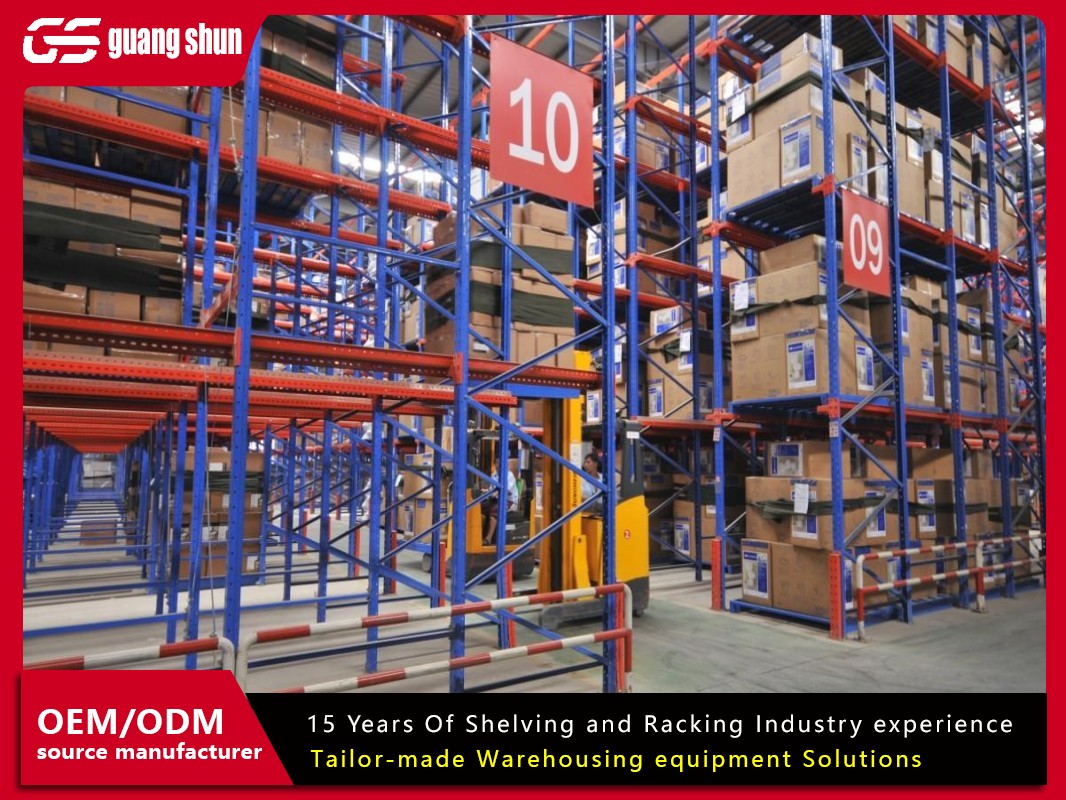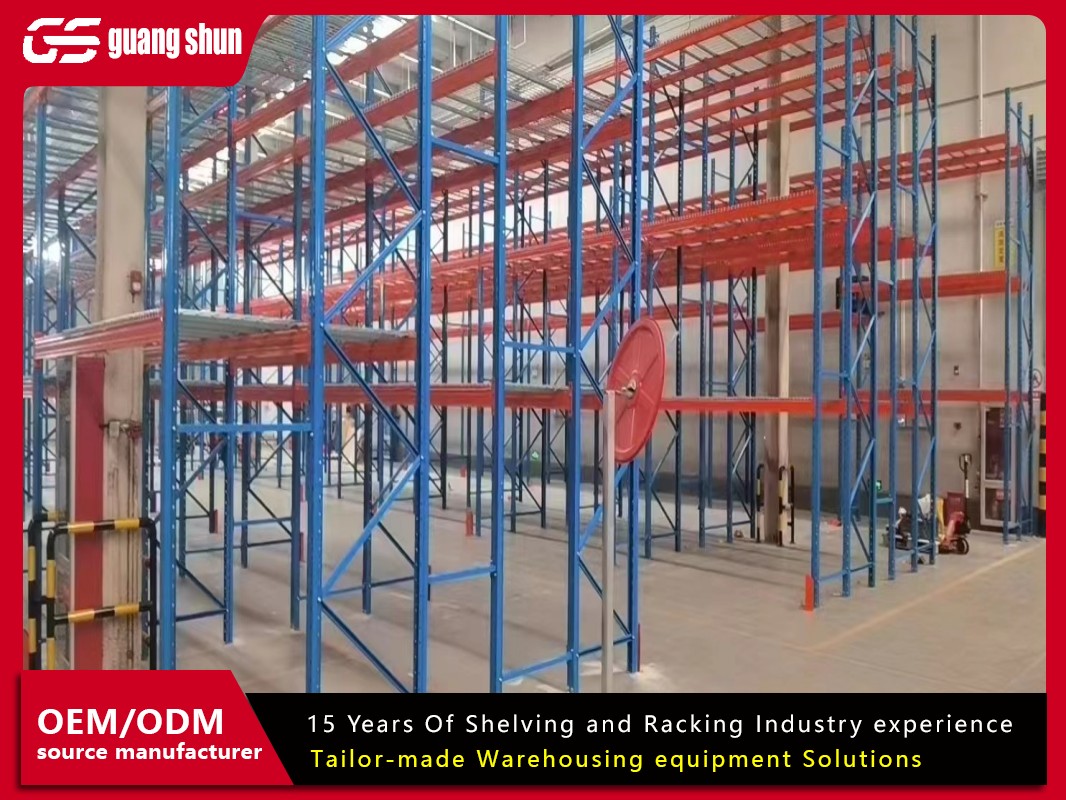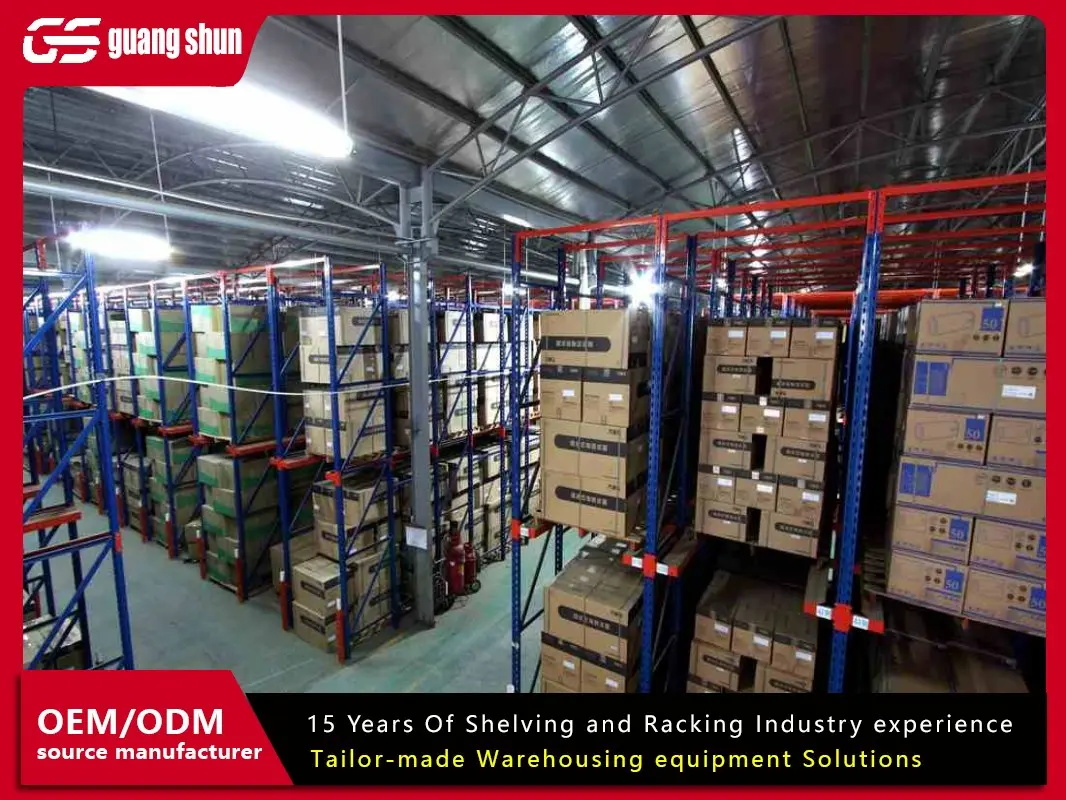
Warehouse operators and logistics managers constantly face pressure to maximize cubic utilization without compromising access speed. A properly engineered long span racking system bridges the gap between light-duty shelving and heavy-duty pallet racking. This guide provides technical specifications, application-based performance data, and implementation protocols based on field results from industrial installations across Europe and Asia. For facility layouts requiring frequent SKU changes and mixed load dimensions, understanding the design principles of medium-duty structural racks directly influences operational expenditure.
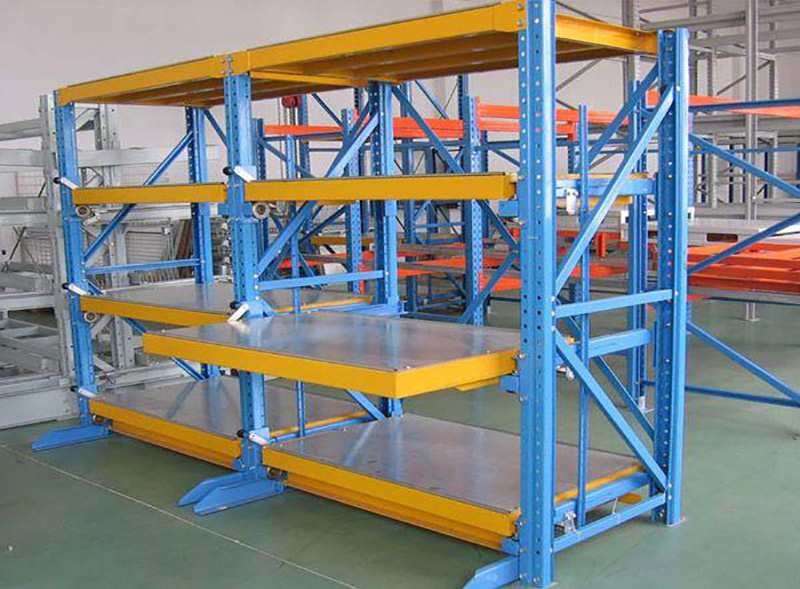
Technical Architecture of Long Span Racking Systems
The mechanical behavior of a long span racking system depends on three interdependent components: cold-formed steel upright frames, stepped-beam horizontal members, and a clip-based fastening mechanism. Unlike welded structures, modern long span configurations rely on keyed connections that allow vertical pitch adjustments in 50 mm increments. This adjustability supports variable load heights without replacing uprights, a feature documented in ISO 9001-certified production lines from manufacturers such as Guangshun, which supplies customized depth dimensions from 600 mm to 1200 mm.
Frame and Beam Configurations
Upright profiles: 80×40 mm C-channel or 100×50 mm box sections, steel grade S280GD+Z275 (yield strength 280 MPa).
Beam steps: 3-step or 4-step notched ends engaging into keyhole slots on frames, providing 6-ton static safety factor.
Depth options: 400 mm, 500 mm, 600 mm, 800 mm, 1000 mm – each depth supports different pallet and bin footprints.
Frame heights: Up to 6000 mm without splicing; splicing extends to 8000 mm with seismic bracing.
Field load tests show that a correctly assembled long span racking system with 1200 mm beam pitch and four shelf levels can sustain a distributed load of 850 kg per level under dynamic forklift handling. The boltless design reduces assembly time by approximately 40% compared to traditional bolted racking, according to time-motion studies conducted at distribution centers handling mixed automotive parts.
Material Specifications and Load Capacities
Material thickness for uprights ranges from 1.5 mm to 2.5 mm, with galvanized coating (Z275) providing 275 g/m² of zinc, achieving 800 hours of salt-spray resistance per ASTM B117. Beams are roll-formed from 1.8 mm to 2.0 mm high-strength steel with reinforced return flanges to resist bending deflection under point loads. Maximum uniform load per beam level: 1500 kg for 1800 mm span, 2000 kg for 1500 mm span, and 3500 kg for short-span 1000 mm configurations.
Load deflection limits follow FEM 10.2.02 standards: maximum deflection L/200 under service load. This means a 2400 mm beam should deflect no more than 12 mm under rated load – a criterion that prevents stored goods from tilting or falling between beams.
Performance Metrics: Where Long Span Outperforms Alternatives
When comparing long span racking systems to selective pallet racking or rivet shelving, the most significant advantages appear in mixed-cube storage environments. Data from a 2023 benchmarking study (European Warehouse Innovation Report) shows long span achieves 37% higher space efficiency than standard shelving while maintaining 85% of pallet racking’s load density. The key differentiators are:
Vertical adjustability: 50 mm increments versus fixed welded levels – accommodates irregular product dimensions.
Accessibility: 100% beam-level access without column obstructions, suitable for both manual picking and AGV retrieval.
Footprint flexibility: Configurable as single-sided or double-sided runs; aisle widths from 800 mm (manual) to 1500 mm (forklift).
From a cost-per-m³ perspective, a well-designed long span racking system typically returns investment within 18-24 months through reduced floor space requirements and lower reconfiguration labor. Third-party logistics provider case studies indicate a 22% reduction in travel time when transitioning from static shelving to long span with optimized beam heights for fast-moving SKUs.
Key Application Environments for Long Span Racking
Industry adoption of long span racking has grown across sectors requiring medium-duty storage (500-1500 kg per level) with frequent layout changes. Primary applications include:
Automotive parts distribution: Storing exhaust systems, body panels, and engine components – long span supports irregular shapes with optional wire decking.
Electronics and high-value components: Anti-static shelf liners combined with long span frames allow ESD-safe configurations.
Retail consolidation centers: Mixed carton sizes (from 300 mm to 1200 mm length) benefit from adjustable beam positions.
Pharmaceutical warehousing: GMP-compliant finishes (epoxy powder coating) paired with closed-back panels for contamination control.
In each environment, the core advantage remains the same: the system adapts to product dimensions, not the reverse. Guangshun has executed more than 450 long span installations across these segments, providing site-specific engineering reports that include seismic zone calculations and floor flatness requirements.
Addressing Industry Pain Points with Advanced Long Span Solutions
Operations managers frequently report three persistent challenges with conventional storage equipment: insufficient load data for mixed layouts, difficult reconfiguration after warehouse expansion, and corrosion in cold storage or high-humidity zones. Long span racking engineered with modern connection systems directly resolves these issues.
Pain Point 1: Layout Rigidity and Expansion Costs
Traditional welded racks require complete replacement when beam heights or depths no longer match inventory profiles. By contrast, boltless long span systems allow individual beams and uprights to be repositioned using a mallet. A reconfiguration that would take two days with bolted racking takes four hours with a boltless long span racking system. This saves €1,200–€2,500 per reconfiguration event in labor costs (based on EU average rates).
Pain Point 2: Load Capacity Uncertainty for Mixed SKUs
Engineers at Guangshun apply finite element analysis (FEA) for each custom layout, generating load tables for every beam level. Clients receive a color-coded capacity chart that prevents overloading. Additionally, integrated safety clips provide an audible click during beam installation, confirming correct engagement before loading.
Pain Point 3: Corrosion and Surface Degradation
Standard zinc coating (Z275) works for dry warehouses, but cold storage (below -10°C) and seafood processing facilities require enhanced protection. Options include hot-dip galvanizing after fabrication (HDG 600 g/m²) or epoxy-polyester powder coating with 120 µm thickness, passing 1200 hours of salt spray testing. This extends service life to over 15 years in aggressive environments.
Implementation Best Practices and Safety Compliance
To achieve rated performance from any long span racking installation, site preparation and ongoing inspection protocols must meet EN 15512 or SEMA (Storage Equipment Manufacturers Association) codes. Key requirements include:
Floor flatness: Maximum deviation of 3 mm over 3 meters under the base plates; shims required for gaps exceeding 1 mm.
Anchoring: M12 or M16 expansion anchors every 1.2 meters along each upright row; pull-out resistance ≥ 5 kN per anchor.
Seismic bracing: In regions with peak ground acceleration > 0.15g, diagonal wire rope or rigid diagonal braces must be installed at every third bay.
Inspection frequency: Monthly visual checks for bent uprights, missing safety clips, and impact damage. Annual professional load tests with a certified engineer.
Data from the Warehouse Safety Incident Database (WSID) indicates that facilities using boltless long span racking with documented inspection routines report 67% fewer structural failures compared to generic shelving. Furthermore, integrating row-end protectors and column guards reduces fork-lift impact damage by over 80%.
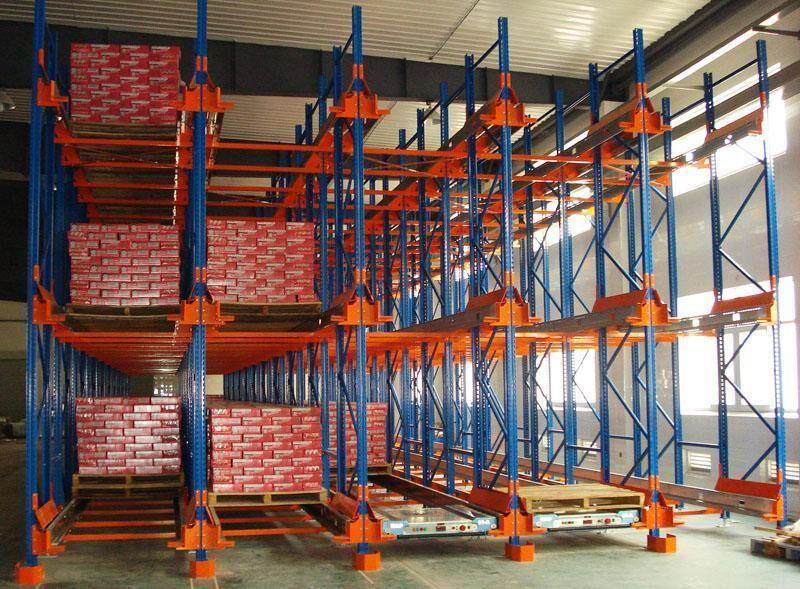
Why Guangshun Sets the Standard for Long Span Racking Engineering
With over two decades of manufacturing experience, Guangshun provides long span racking systems that comply with AS4084-2012 and FEM 10.2.02. Every component is traceable via batch numbers, and the company offers 3D layout simulation using AutoCad and Tekla Structures before production. Clients receive a full installation manual, torque specifications for anchors, and a five-year structural warranty. The product line includes fire-resistant intumescent coatings (up to 90 minutes rating) and boltless connectors with anti-vibration rubber inserts. For specifications and project quotes, visit the dedicated product page: long span racking system.
Frequently Asked Questions (FAQ)
Q1: What is the maximum load capacity per shelf level in a long span racking system?
A1: Depending on beam length and profile thickness, a standard long span racking system supports between 500 kg and 2000 kg per level. For 1800 mm beam spans with 2.0 mm steel, the safe working load (SWL) is 1200 kg. Heavy-duty versions with 2.5 mm uprights and 2.0 mm double-step beams reach 2000 kg per level. Always refer to the manufacturer’s load chart because dynamic forces from forklifts reduce capacity by 25% compared to static loads.
Q2: How does long span racking differ from standard pallet racking?
A2: Pallet racking is designed for full pallet loads (1000–5000 kg per position) with fixed beam positions and larger frame footprints. Long span racking operates in the medium-duty range (500–2000 kg per level) and offers 50 mm vertical adjustability, making it suitable for mixed cartons, bins, and small pallets. Long span also uses boltless assembly, whereas most pallet racking requires bolts or rivets.
Q3: Can I install a long span racking system myself without professional engineers?
A3: Basic assembly of boltless long span racking is possible for maintenance teams using provided drawings, but professional installation is strongly recommended for systems over 3000 mm height or those carrying more than 800 kg per level. Incorrect anchoring or uneven floors cause 68% of racking failures. Manufacturers like Guangshun offer on-site supervision or certified installer networks to ensure EN 15512 compliance.
Q4: What surface finishes are available for cold storage or high humidity environments?
A4: For cold storage (down to -30°C), hot-dip galvanizing (600 g/m²) provides the best corrosion protection. For chemical or food processing areas, epoxy-polyester powder coating with 100–120 µm thickness is preferred. Standard Z275 galvanizing (275 g/m²) works for indoor dry warehouses. Always request salt spray test data: minimum 800 hours for moderate environments, 1200+ hours for aggressive.
Q5: How often should a long span racking system undergo safety inspections?
A5: According to SEMA guidelines, a visual inspection by trained staff must be performed monthly, focusing on upright damage (dents deeper than 5 mm), missing beam safety clips, and anchor loosening. A full professional inspection with load testing and laser alignment should occur every 12 months for racks used in multi-shift operations. Any bent upright with a deformation exceeding 1/200 of its length must be replaced immediately.
For detailed project engineering or to request a load calculation sheet, contact Guangshun or access the full technical catalog through the long span racking system product page.