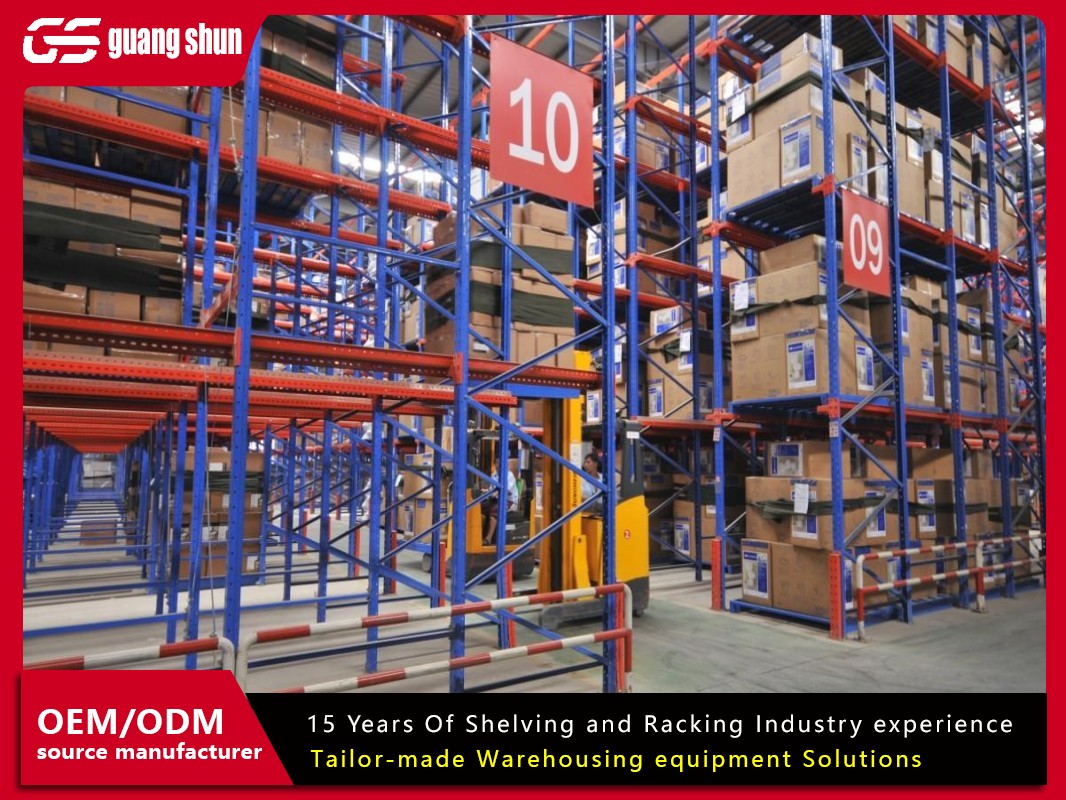
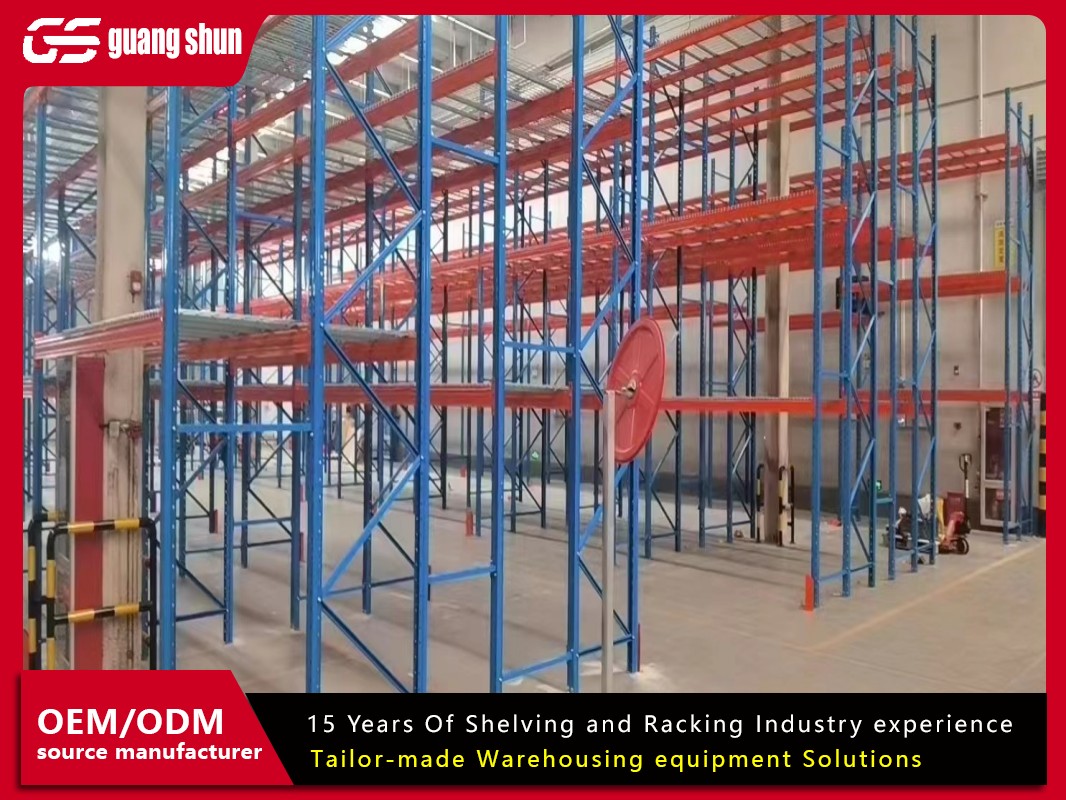
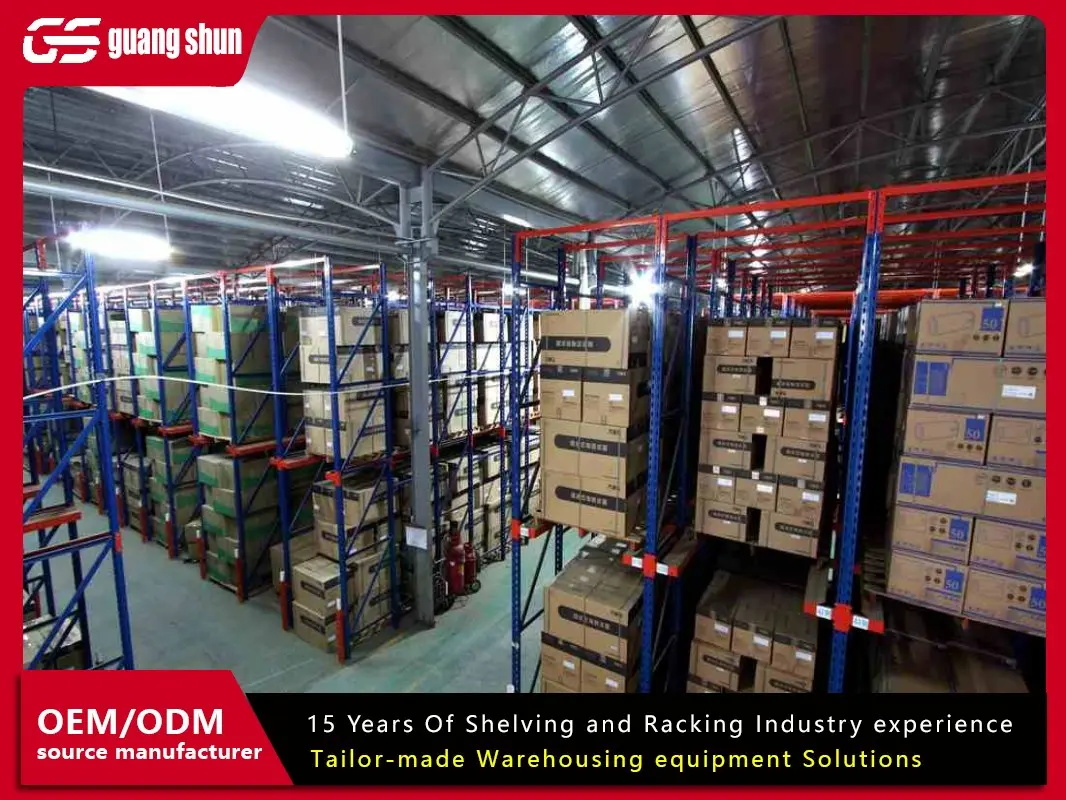
In contemporary logistics and material handling, operational leaders face persistent pressure to maximize cubic storage capacity while maintaining rapid access to inventory. The modular stacking storage system has emerged as a definitive engineering response to these competing demands. This article provides a data-driven examination of modular stacking storage system architecture, performance metrics, application engineering, and ROI modeling. Drawing on established mechanical design principles and real-world implementation data, the analysis offers warehouse operators, supply chain directors, and facility planners a comprehensive framework for evaluating high-density storage investments.
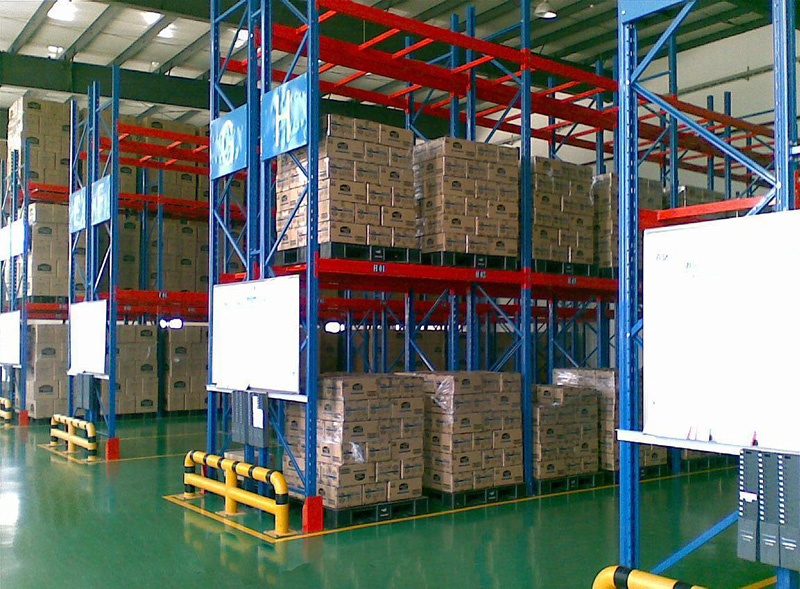
Traditional pallet racking and static shelving impose inherent limitations on vertical storage utilization. Fixed beam positions, rigid bay configurations, and uniform load ratings constrain adaptability as inventory profiles shift. The modular stacking storage system addresses these constraints through a component-based design philosophy. By decoupling vertical support structures from horizontal load-bearing elements, these systems enable variable bay heights, adjustable beam spacing, and mixed-depth configurations within a single structural framework.
Industry data indicates that warehouses implementing modular stacking architectures achieve average cubic utilization improvements of 28–35% compared to conventional selective racking. This density gain translates directly to reduced facility footprint requirements or increased inventory capacity within existing square footage. For operations facing real estate cost escalation or geographic constraints, the financial impact proves substantial. A 2024 analysis of distribution centers across North America and Europe demonstrated that modular stacking configurations reduced per-pallet storage costs by approximately 17% when amortized over a 10-year operational horizon.
The engineering foundation of any modular stacking storage system rests on four primary elements:
Structural performance of modular stacking systems depends on precise material selection and section geometry. High-strength steel grades, typically S355MC or equivalent, deliver yield strengths of 355 MPa while maintaining formability for roll-forming processes. Finite element analysis (FEA) is employed during design validation to model stress distribution under combined axial and bending loads. The resulting safety factors, commonly 1.5 for static loads and 1.8 for dynamic loads, ensure compliance with ISO 9001 and FEM 10.2.02 standards.
A critical engineering consideration is the beam-to-column connection performance. Semi-rigid connections, characterized by their moment-rotation behavior, influence overall rack stability. Testing protocols per EN 15512 require cyclic loading to simulate operational forces, with deflection limits restricted to H/1000 to maintain load alignment and prevent product damage. Guangshun integrates these engineering principles into every system design, ensuring that structural calculations account for both static dead loads and live loads arising from dynamic storage operations.
The primary value proposition of modular stacking storage lies in its volumetric efficiency. Unlike fixed rack configurations where beam levels are predetermined at installation, modular systems permit on-the-fly adjustment of beam heights. This flexibility proves particularly valuable for operations managing mixed SKU profiles with varying pallet heights. By optimizing vertical clearances to match actual inventory dimensions, warehouses consistently report reductions in wasted overhead space from 40% to under 12%.
Quantitative benchmarking from multiple fulfillment centers reveals that modular stacking architectures achieve storage density figures of 1.8 to 2.4 pallet positions per square meter of floor area, compared to 1.1 to 1.4 for conventional selective racking. These figures assume double-deep configurations with appropriate aisle widths for reach truck operations. When combined with very-narrow-aisle (VNA) material handling equipment, density can approach 3.0 positions per square meter.
Critics of high-density storage often cite accessibility concerns, suggesting that increased density necessarily compromises picking speed. However, modern modular stacking storage system designs incorporate selective access strategies that mitigate this trade-off. By zoning inventory based on turnover velocity—placing fast-moving items at lower beam levels and in forward pick areas—operations maintain high throughput while benefiting from bulk storage in upper and rear positions.
Data from a 2023 study of omnichannel retailers indicates that facilities employing modular stacking with velocity-based zoning achieved average pick times of 4.2 minutes per order, only 8% slower than fully selective configurations, while simultaneously increasing total SKU capacity by 42%. The marginal throughput reduction is more than offset by the elimination of off-site storage requirements and associated transfer costs.
Automotive aftermarket and OEM operations manage extensive inventories of bulky, irregularly shaped components such as cylinder heads, body panels, and transmission assemblies. These items demand storage solutions that accommodate non-standard dimensions and weight distributions. Modular stacking systems with adjustable beam spacing and optional cantilever attachments provide the necessary adaptability. Heavy-duty beam profiles, rated for 3000kg per pair, support dense loading of cast iron and steel components without excessive deflection.
Automotive facilities implementing modular configurations have reported damage rates reduced by 62% compared to floor-stacking methods, as engineered pallet supports prevent crushing and distortion. Additionally, the clear vertical organization enables FIFO (first-in-first-out) inventory rotation through designated lane assignments—a critical requirement for date-coded parts and perishable assemblies.
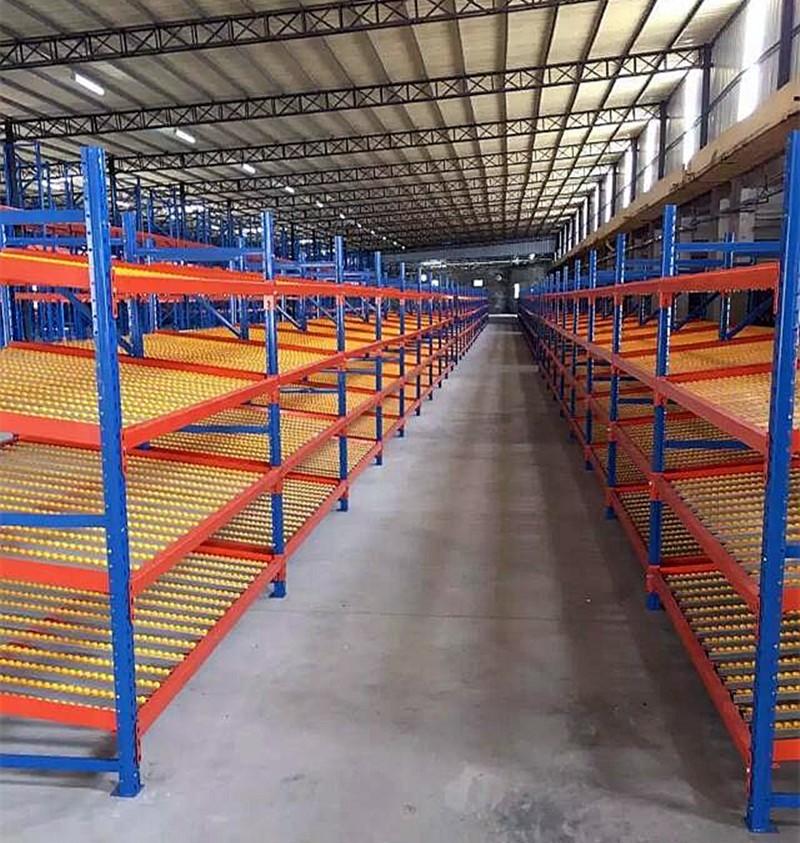
E-commerce fulfillment centers present a distinct set of challenges: high SKU proliferation, extreme seasonal demand volatility, and stringent order cycle time requirements. The modular stacking storage system addresses these dynamics through reconfigurable bay widths and beam elevations. During peak seasons, operators can increase storage density by reducing beam spacing and deploying additional flow rack components within the same structural footprint.
A notable implementation involved a European e-commerce operator handling 15,000 unique SKUs. By transitioning from fixed racking to a modular stacking architecture, the facility increased its on-site inventory capacity by 34%, eliminating the need for a costly external warehouse lease. System reconfiguration—performed quarterly to align with seasonal product assortments—was accomplished with minimal operational disruption, requiring only 24 hours of scheduled downtime per adjustment cycle.
Successful deployment of a modular stacking storage system begins with a comprehensive site assessment. Critical parameters include floor flatness (measured per DIN 18202), overhead clearance obstructions (sprinkler heads, HVAC ducting, lighting), and load-bearing capacity of the existing slab. Structural engineers evaluate column spacing and bay dimensions to determine optimal racking orientation—either perpendicular or parallel to the building's primary structural grid.
Warehouse simulation tools, such as discrete-event modeling, help optimize aisle widths and beam level configurations prior to installation. These models incorporate material handling equipment turning radii, acceleration/deceleration curves, and operator visibility constraints. The resulting layout achieves a balanced trade-off between storage density and operational efficiency, typically yielding internal rates of return (IRR) exceeding 22% over five-year project horizons.
Interoperability with existing forklift fleets, conveyor systems, and automated guided vehicles (AGVs) is a prerequisite for seamless integration. Modular stacking systems offer compatibility with standard ISO pallet dimensions (1200mm x 1000mm and 1140mm x 1140mm) and accommodate various load engagement methods—fork entry from both pallet orientations, as well as captive beam configurations for automated storage and retrieval (AS/RS) interfaces.
For operations upgrading from legacy racking, modular systems provide transitional compatibility through adapter brackets and bolt-on conversion kits. This approach minimizes capital expenditure duplication and allows phased implementation, with modular sections commissioned progressively while existing storage remains operational. Guangshun offers engineering support for these transitions, providing site-specific integration documentation and load testing protocols to ensure safety and performance continuity.
Racking systems must conform to rigorous international standards to ensure workplace safety and operational reliability. The primary normative references include:
Compliance with these standards requires documented material certifications, weld inspection records (per AWS D1.1), and load test verification for each beam and frame configuration. Guangshun maintains full traceability of steel coils, connector castings, and fastener batches, enabling comprehensive quality audit trails for each delivered system. Third-party inspection reports, available upon request, provide independent validation of structural integrity and load-bearing capacity.
Beyond initial certification, periodic inspection schedules—typically annual or semi-annual—are recommended to identify damage from material handling impacts, corrosion, or overload conditions. Many modular stacking systems include provisions for bolt torque verification and beam lock testing as part of routine maintenance programs.
A1: Traditional pallet racking employs fixed beam positions determined at manufacturing, with limited on-site adjustability. Modular stacking systems utilize perforated columns and clip-in beam connectors, enabling beam heights to be repositioned incrementally without structural modification. This adjustability allows operators to respond to changing inventory profiles, accommodate varied pallet heights, and reconfigure storage density without purchasing new racking components.
A2: Beam capacities range from 500kg to 5000kg per pair, depending on beam profile, steel grade, and span length. Frame capacities are determined by column section, bracing configuration, and anchor spacing. Typical systems are engineered to support uniform loads of 2000kg to 3500kg per beam level across standard bay widths of 2500mm to 3000mm. Custom engineering can extend these limits for specialized applications.
A3: Modular systems can be designed to meet seismic requirements per ASCE 7 and IBC (International Building Code). Seismic design involves base isolation, additional bracing, and reinforced anchor connections. The modular nature facilitates the incorporation of energy-dissipating devices and slotted connections that accommodate building drift without compromising rack stability. Site-specific seismic analysis is mandatory for installations in seismic design categories D, E, and F.
A4: With proper maintenance and inspection, modular stacking systems commonly achieve service lives exceeding 20 years. Structural steel components, protected with appropriate corrosion-resistant coatings (zinc galvanization or powder coating), maintain integrity over extended periods. Regular inspection for damage, bolt torque verification, and coating touch-ups are recommended to maximize lifespan. Refurbishment options include beam replacement and column reinforcement, extending serviceable life further.
A5: Yes, modular stacking systems are fully compatible with automated storage and retrieval systems (AS/RS), including mini-load cranes, shuttle systems, and autonomous mobile robots (AMRs). The precision beam positioning and consistent load transfer interfaces—such as captive guide rails and fence systems—support automated equipment operation. Integration planning should coordinate racking tolerance requirements with AGV navigation specifications to ensure smooth interfacing.
A6: Fire protection design follows NFPA 13 (Standard for the Installation of Sprinkler Systems) and local building codes. Modular systems can accommodate in-rack sprinkler headers, and beam configurations may require increased clearances for sprinkler coverage. Storage height classifications, commodity classification, and ceiling clearance all influence sprinkler density requirements. Fire-resistant coatings are available for applications requiring enhanced fire performance.
A7: Components are typically delivered as pre-engineered kits, with upright frames, beams, bracing, and connectors bundled per bay and level. Installation can be performed by certified racking installers following manufacturer-supplied erection drawings. Turnkey installation services, including anchor drilling and torque verification, are available from suppliers such as Guangshun. System commissioning includes dimensional checks, load test verification, and documentation of all torque settings for quality assurance.
For additional technical specifications, application engineering support, or site-specific design consultations, visit Guangshun or explore the comprehensive modular stacking storage system product portfolio.

 Wechat
Whatsapp
Wechat
Whatsapp