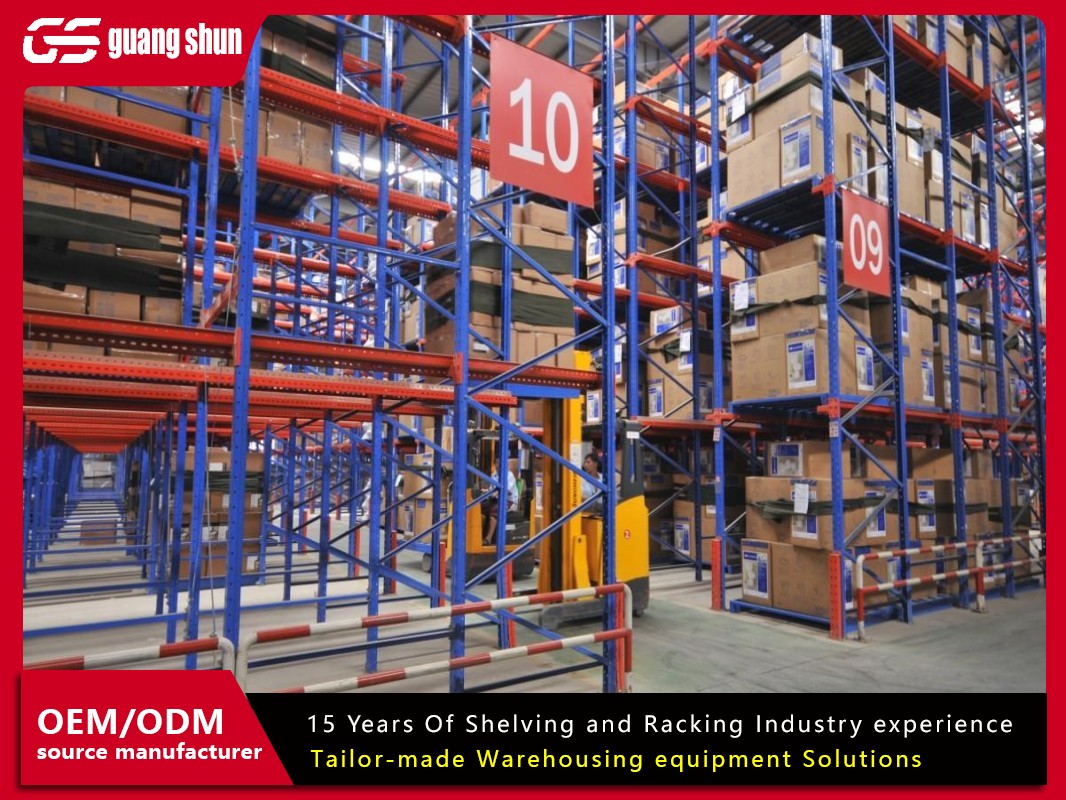
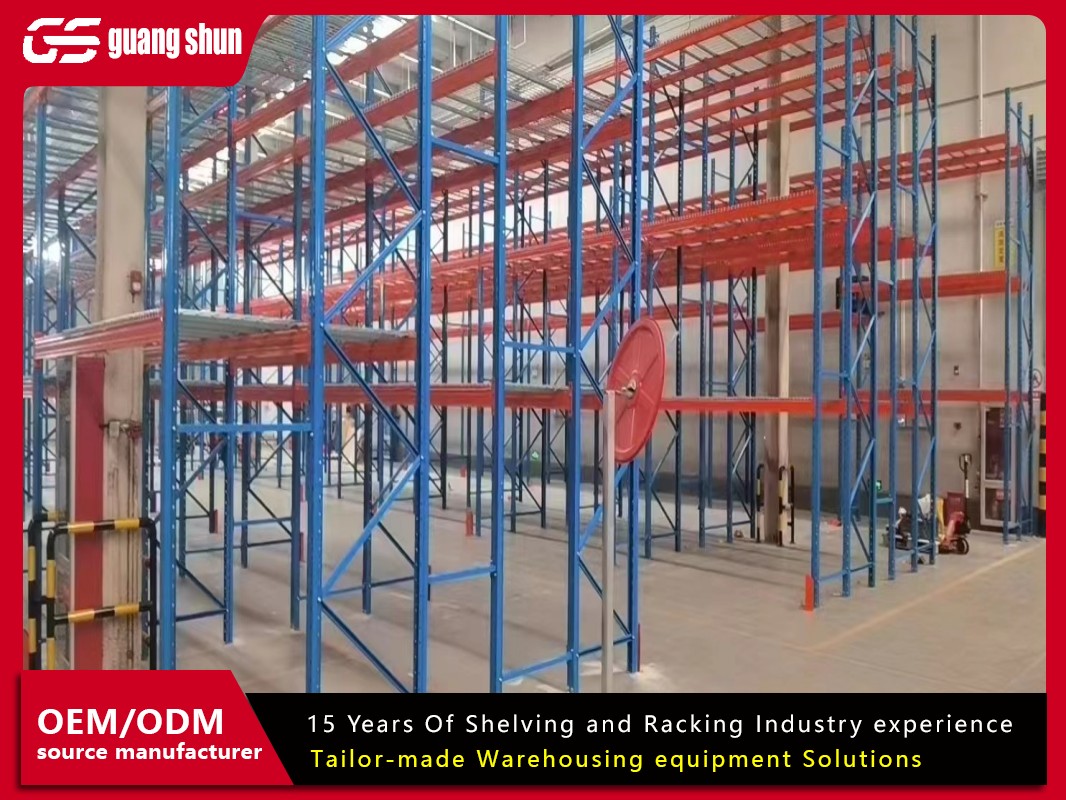
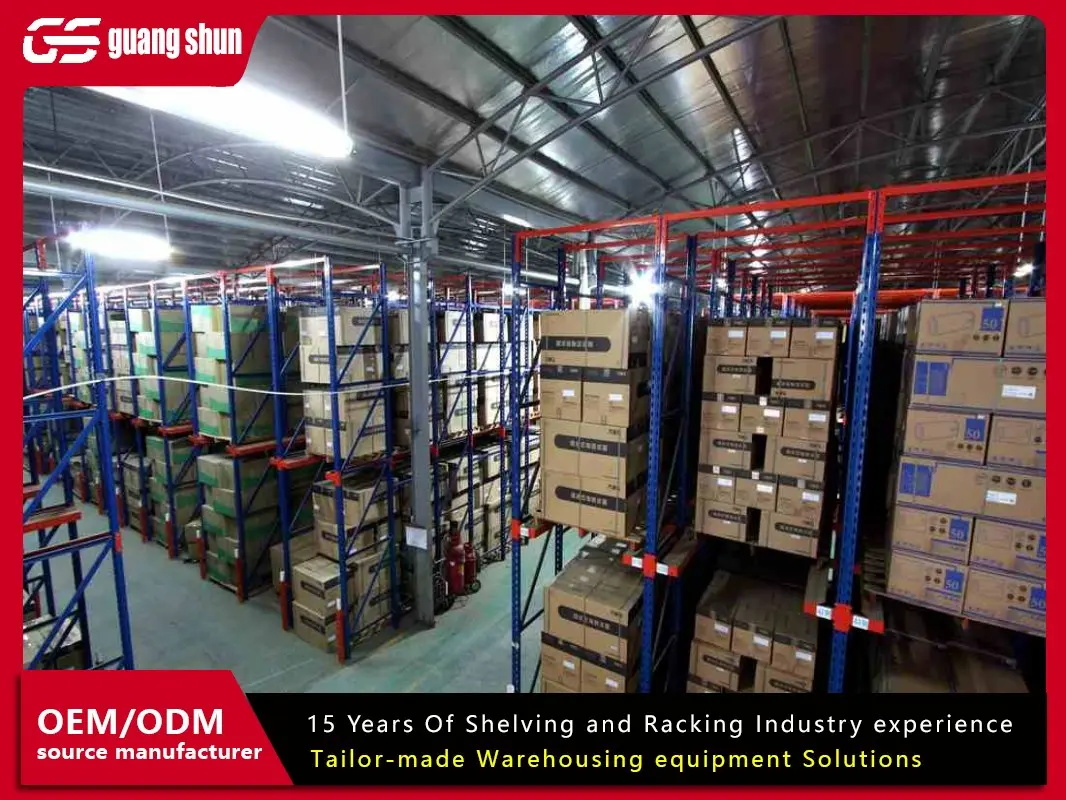
In modern logistics and distribution, the density of storage directly correlates with operational efficiency. Among the myriad of storage solutions, the 6 pallet rack configuration stands out as a critical benchmark for facilities transitioning from light-duty to heavy-volume inventory management. This article provides a technical examination of this specific rack layout, addressing engineering standards, load distribution, and the return on investment for high-density storage.
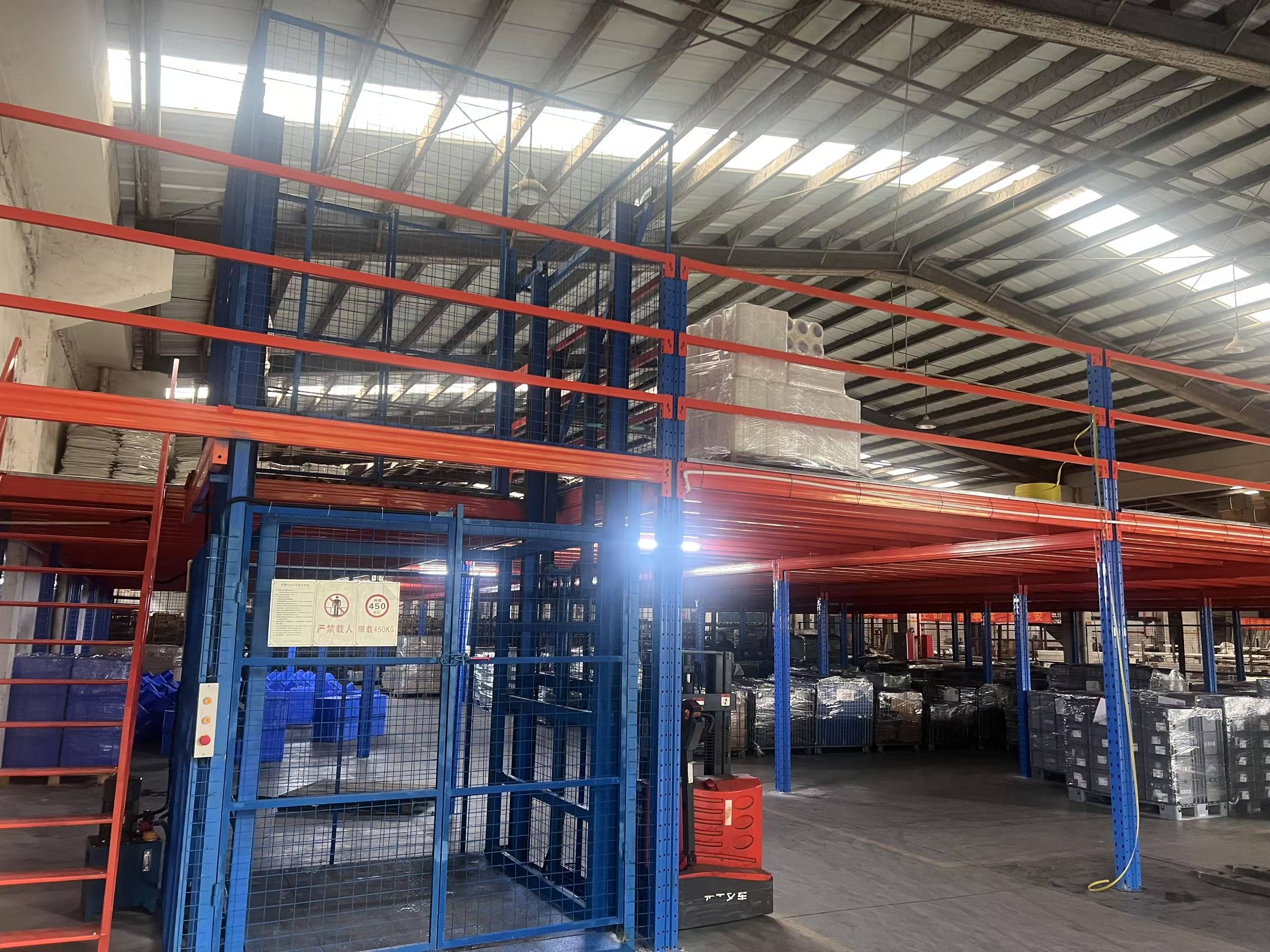
While a standard pallet rack might hold one or two pallets per bay, a 6 pallet rack system is engineered to significantly increase storage density. Typically, this configuration involves a structural frame designed to accommodate three pallets per beam level, across two levels, totaling six positions. However, the technical definition goes far beyond simple arithmetic.
When designing for six pallets, the engineering focuses on the cumulative dynamic load. Each pallet can weigh between 1,000 and 2,500 lbs, meaning a single bay must support up to 15,000 lbs of distributed weight. The upright frames must be reinforced with heavier steel gauges (typically 10-12 gauge steel) compared to lighter systems. The beam deflection rates must adhere to the Rack Manufacturers Institute (RMI) standards, ensuring that under full load, the beam deflection does not exceed 1/180th of the span. Guangshun manufactures its frames with precision cold-rolled steel to maintain these tolerances over decades of use.
A common technical oversight in selective pallet rack design is the allowance for pallet overhang. For a true six-pallet configuration, the beam length must typically exceed 108 inches to safely accommodate three 40-inch GMA pallets with adequate flue space. This flue space is not just for access; it is a critical component of fire safety compliance, allowing sprinkler systems to penetrate and suppress potential fires at the source.
The decision to implement a six-pallet-deep system is usually driven by SKU rationalization. This configuration is not typically used for fast-moving, single-item picking. Instead, it serves specific operational niches.
Grocery and Beverage Distribution: High-volume, uniform products like canned goods or bottled water. The consistent pallet size allows for perfect alignment within the 6 pallet rack bay, maximizing cube utilization.
Automotive Parts Warehousing: Heavy, bulky items like bumpers or body panels that are stored in specific, deep-lane configurations.
Third-Party Logistics (3PL) Consolidation: Facilities that hold inventory for multiple clients often use these racks for "reserve storage," where pallets are stored until needed for forward picking.
Investing in high-density storage like the 6 pallet rack system solves three major warehouse pain points, but it also introduces new technical challenges that must be mitigated.
Many warehouses run out of floor space but have significant vertical headroom. By configuring racks to hold six pallets (effectively creating two or three levels of triple-wide storage), you utilize the vertical cube. However, this requires specialized material handling equipment. Reach trucks or turret trucks with tri-lateral masts are often necessary to access the deepest pallets safely. The solution lies in precise aisle width calculation—typically requiring "very narrow aisle" (VNA) protocols between 6 to 8 feet.
A standard selective pallet rack configuration for six pallets usually operates on a First-In, Last-Out (FILO) basis if only one aisle is accessible. To counteract this without converting to a costly push-back or drive-in system, operations managers often implement a strict slotting strategy. Fast-moving SKUs are placed on the aisle positions, while slower movers occupy the rear positions. Guangshun offers customizable frame bracing that allows for the integration of flow rails or push-back rollers within the standard 6 pallet rack footprint, effectively converting static positions into dynamic, FIFO-compliant lanes.
In regions prone to seismic activity, a tall structure loaded with six heavy pallets acts as a massive lever arm. The technical solution involves rigorous seismic anchoring and the use of structural bolted connections rather than clip-in connections. Engineers must calculate the seismic design category (SDC) based on geographic location. Guangshun provides certified seismic base plates and anchor bolt packages designed to meet or exceed International Building Code (IBC) requirements, ensuring that the mass of six fully loaded pallets remains secured during a seismic event.
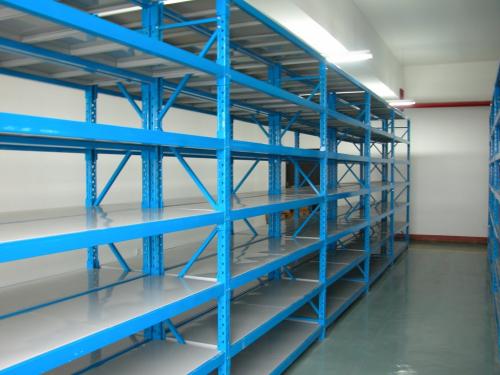
The longevity of a 6 pallet rack is determined by its metallurgy and surface treatment. Industrial environments expose racks to impacts from forklifts and potential corrosive elements.
Steel Grade: Look for systems utilizing ASTM A36 or higher-grade structural steel. This ensures the yield strength necessary to resist bending under the combined weight of six pallets.
Finishing: Powder coating with a minimum thickness of 60-80 microns is standard. For cold storage applications, the coating must resist cracking at sub-zero temperatures. Hot-dip galvanizing is recommended for high-humidity environments or food-grade warehouses where frequent wash-downs occur.
Frame Bracing: The pattern of diagonal and horizontal braces on the frame affects the rack's resistance to impact. Continuous welded (C-channel) or tubular bracing offers superior impact resistance compared to roll-formed bracing when dealing with the momentum of heavy forklifts.
The shift to a six-pallet-deep system represents a capital expenditure that must be justified. The return on investment is calculated by comparing the cost per pallet position against the cost of the building itself.
For example, if constructing a new warehouse costs $100 per square foot, and a 6 pallet rack system allows you to store 50% more pallets in the same footprint, you effectively save $33 per square foot in construction costs. Furthermore, operational savings accrue from reduced travel time. If a forklift driver travels 10 miles per shift and a denser configuration reduces that distance by 15%, the fuel/maintenance and labor savings alone can pay for the racking within 18 to 24 months.
Modern warehouses are moving toward semi-automated and fully automated environments. A 6 pallet rack structure must serve as the backbone for future tech integration. This means ensuring the rack has a tolerance level of +/- 1/4 inch over its entire height to accommodate Automated Guided Vehicles (AGVs) and crane systems. The upright columns must be protected with heavy-duty column guards that do not intrude into the clearance envelope required by robotic pickers. When planning your layout, consider installing wire guidance tapes or laser targets on the rack faces to facilitate future automation retrofits.
The 6 pallet rack is more than just a piece of equipment; it is a strategic asset in supply chain management. By understanding the technical nuances of load distribution, seismic safety, and material handling compatibility, operations managers can leverage this configuration to achieve significant gains in storage density and operational throughput. Partnering with a manufacturer who understands these engineering principles is paramount to ensuring the safety and efficiency of your investment.
Q1: What is the standard weight capacity for a 6 pallet rack beam?
A1: There is no single standard, as capacity depends on beam size, steel gauge, and span. However, for a typical 108-inch beam designed for three pallets, the capacity usually ranges from 4,000 to 10,000 lbs per beam level (distributed evenly across the three pallets). Always consult the manufacturer's specification sheet, such as the engineering data provided by Guangshun, for exact Safe Working Load (SWL) ratings.
Q2: Can I convert my existing selective racking to hold 6 pallets per bay?
A2: Retrofitting is possible but requires careful engineering assessment. You must verify that the existing upright frames can support the increased cumulative weight of six pallets. You will likely need to replace beams with longer spans and potentially reinforce or replace the uprights. It is often more cost-effective to install new, purpose-built 6 pallet rack systems rather than compromise safety with extensive retrofits.
Q3: What type of forklift is best for accessing the rear pallets in a 6-deep rack?
A3: The ideal equipment depends on your aisle width. For very narrow aisles (under 9 feet), a turret truck or swing-reach truck is required. For wider aisles (10-12 feet), a standard reach truck with a 48-inch load center can usually access the second and third pallet positions if the forks have sufficient reach and the operator has good visibility.
Q4: How does a 6 pallet rack configuration affect fire sprinkler requirements?
A4: Deep rack configurations can obstruct sprinkler spray patterns. To comply with NFPA 13 standards, you may need to install in-rack sprinklers at multiple levels. The blockage created by the depth of the rack means that ceiling-level sprinklers alone may not effectively reach a fire deep within the bay. A fire protection engineer must review the rack layout and commodity classification.
Q5: What is the maximum height recommended for a 6 pallet rack structure?
A5: There is no absolute maximum, but practical limits are set by building height, forklift lift capacity, and seismic zones. Systems can easily reach 30 to 40 feet tall. However, as height increases, the precision required for installation and the stability requirements increase exponentially. For heights exceeding 25 feet, we recommend a professional plumbness survey during installation to ensure vertical alignment remains within industry tolerances.
Q6: Does Guangshun offer custom sizes for non-standard pallets in a 6-pallet configuration?
A6: Yes. While standard GMA pallets are common, Guangshun specializes in custom-engineered solutions. We can fabricate frames and beams to accommodate Euro pallets, chemical drums on pallets, or custom-sized loads, ensuring that your specific inventory fits securely and efficiently within the 6 pallet rack footprint.

 Wechat
Whatsapp
Wechat
Whatsapp