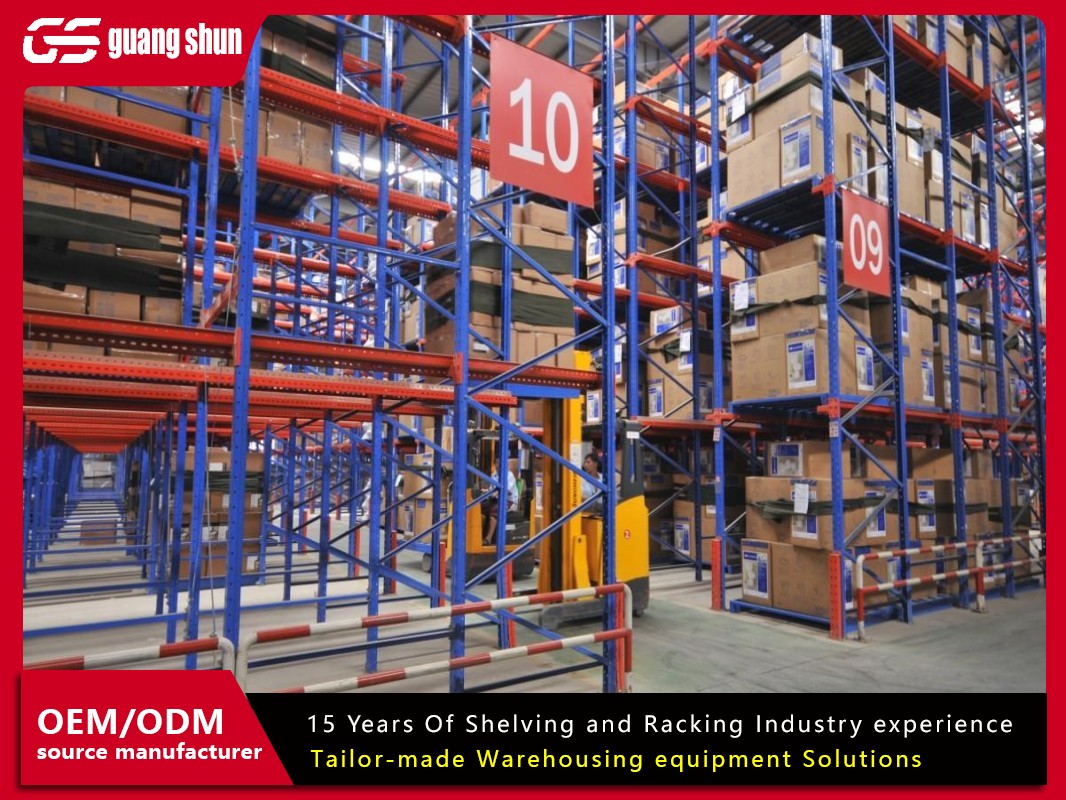
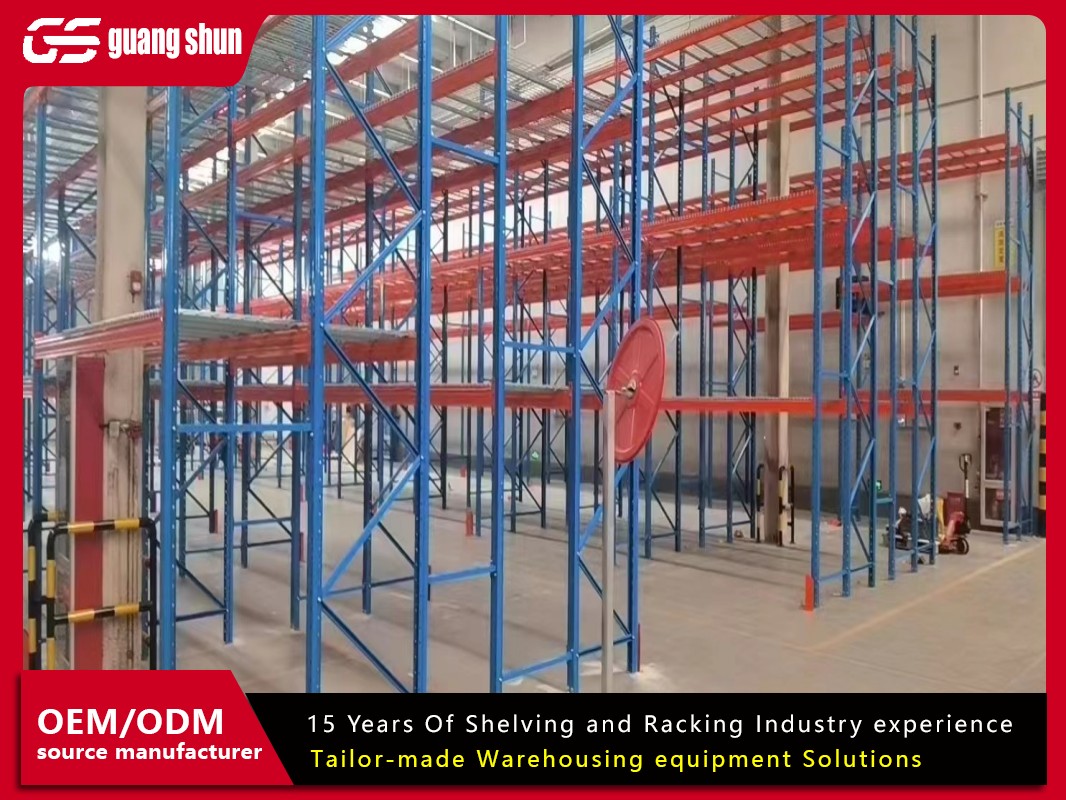
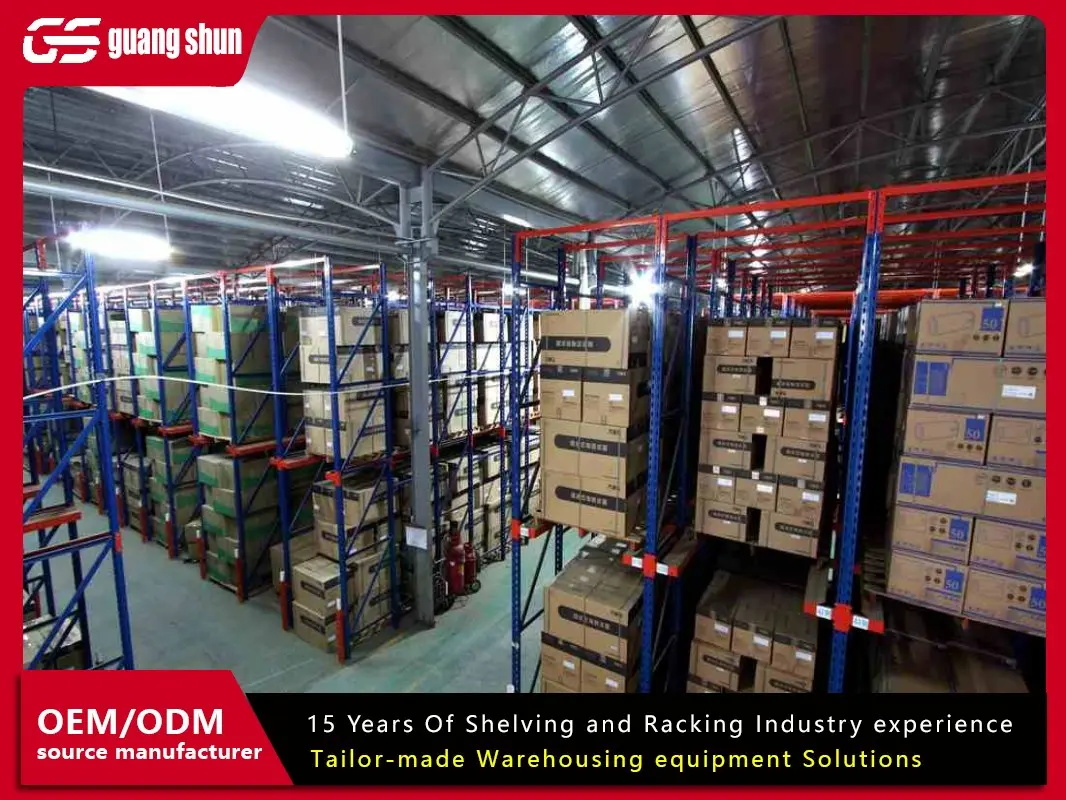
In modern logistics and warehousing, the demand for adaptable, high-capacity storage is paramount. For operations managers and facility engineers, selecting the right racking is a decision that impacts safety, efficiency, and the bottom line. This guide provides a deep technical dive into boltless rack heavy duty systems, moving beyond generic overviews to explore engineering principles, real-world performance data, and strategic implementation. We will analyze why this category of storage is becoming the standard in demanding industrial environments, with insights drawn from engineering best practices and case studies.
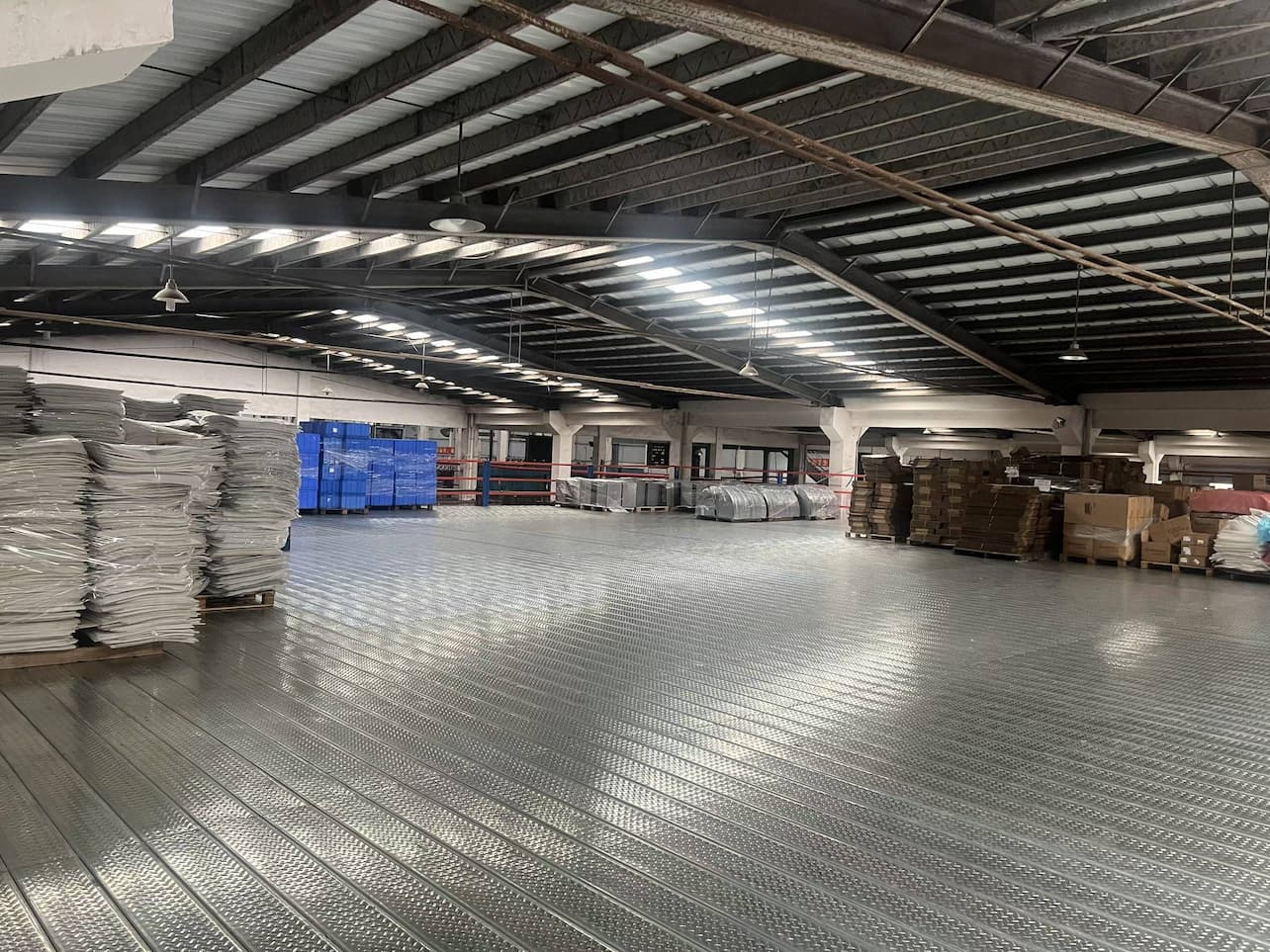
The term "boltless" often misleadingly implies a lack of robustness. In reality, precision-engineered boltless rack heavy duty systems achieve their strength through advanced metallurgy and geometric interlocking. The connection points—typically a rivet or a punched tab engaging with a keyhole slot—are designed to transfer shear loads efficiently. When a beam is seated and locked into an upright frame, the connection actually tightens under load due to gravitational force and friction, a principle known as "positive engagement."
The backbone of any high-capacity system is the steel itself. Reputable manufacturers like Guangshun utilize structural-grade steel, often with a yield strength exceeding 550 MPa. The uprights are typically cold-rolled from a single coil, creating a complex profile (like an Omega or C-channel) that maximizes the moment of inertia. This process work-hardens the steel, increasing its strength-to-weight ratio without adding unnecessary mass. Key technical parameters to evaluate include:
Thickness: Heavy-duty frames commonly use steel thicknesses between 1.8mm and 3.0mm.
Profile Depth: Ranges from 50mm to 120mm, directly influencing the frame's resistance to forward bending.
Beam Step Design: The box-section beams often feature a double or triple "step" to prevent dislodgement from impact.
A truly boltless rack heavy duty specification is defined by its uniform load capacity per level. In industrial applications, this typically starts at 2000 kg and extends to 4000 kg or more per beam level. However, the headline number is only part of the story. Engineering standards (such as the RMI specification in North America or the FEM standards in Europe) mandate rigorous testing and safety factors.
It's crucial to distinguish between static storage capacity and the dynamic forces involved during loading and unloading. Forklift impacts, while incidental, can compromise structural integrity over time. A well-designed system incorporates features to mitigate this:
Column Protectors: Deployable steel guards to absorb impact at aisle entry points.
Shimmed Footplates: Allow for precise leveling on uneven floors, ensuring the entire load is distributed vertically.
Beam Locking Pins: Secondary safety clips that prevent beams from being accidentally dislodged during pallet repositioning.
The versatility of boltless rack heavy duty designs solves distinct operational pain points across industries. Below is a data-driven analysis of common applications:
| Industry Sector | Typical Load/Item | Key Pain Point Solved | ROI Metric (Example) |
|---|---|---|---|
| Automotive Parts | Engine blocks, transmissions (500-1500 kg) | Need for frequent SKU slotting changes; boltless adjustability reduces changeover time by 60%. | Labor time saved: ~12 hours/month |
| E-commerce Fulfillment | Mixed pallets, bulky items (up to 1000 kg) | Maximizing cube utilization in medium-bay warehouses with fast-moving goods. | Storage density increase: 35% |
| Building Materials | Sheet goods, lumber packs (2000-4000 kg) | Resistance to sagging under long-span, uniformly distributed heavy loads. | Material damage reduction: 90% |
| Cold Storage | Frozen food pallets (1200-1500 kg) | Galvanized finishes resist corrosion from condensation; quick assembly in low temperatures. | Installation time in -20°C: reduced by 50% |
When evaluating capital expenditure, the initial cost per pallet position is a common metric, but it is the total cost of ownership over 10-15 years that defines value. Heavy-duty boltless systems offer significant advantages here. The absence of loose nuts and bolts eliminates a major failure point—thread stripping and corrosion. Furthermore, the modular nature means that if a warehouse layout changes, the entire system can be disassembled, moved, and reconfigured without any material waste. Guangshun's engineering team, for instance, provides detailed seismic calculations for installations in active zones, ensuring the rack's lifecycle withstands not just daily loads but also rare, high-stress events.
For heavy-duty applications, the surface finish is a critical durability factor. Standard painted finishes (usually polyester powder coating over a phosphate base) offer excellent adhesion and corrosion resistance for dry indoor environments. However, for washdown areas, cool rooms, or chemical storage, a hot-dip galvanized finish is specified. This process creates a zinc-iron alloy layer that is metallurgically bonded to the steel, providing cathodic protection—meaning even if the surface is scratched, the surrounding zinc sacrifices itself to protect the exposed steel.
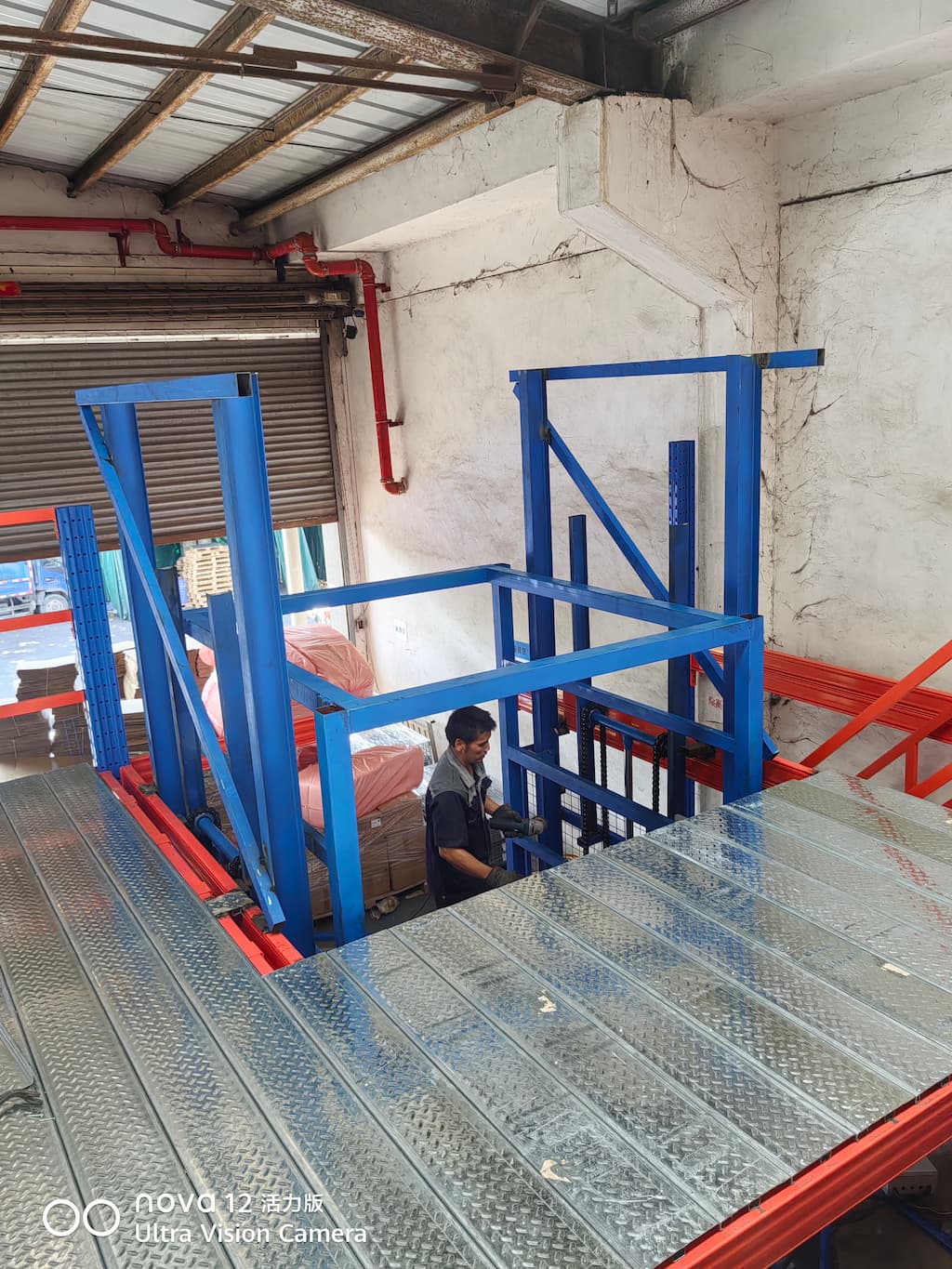
Proper installation is non-negotiable for achieving the rated capacity. A common misconception is that boltless systems are "easier" to install to the point that precision is less critical. In reality, the vertical alignment of the frames (plumbness) is just as vital as in bolted systems. A rack that is even 1 degree out of plumb can experience a significant reduction in its load capacity due to eccentric loading.
Installation must follow a strict protocol:
Floor Flatness Analysis: F-Numbers (FF and FL) must be checked to ensure they meet the specification for high-bay racking.
Baseplate Anchoring: Using the correct grade of expanding or chemical anchors, installed with calibrated torque wrenches.
Row Spacers: Properly installed horizontal and diagonal bracing at the rear of rows to transfer longitudinal loads to the floor.
Q1: What is the maximum load capacity I can expect from a standard
boltless rack heavy duty system?
A1: For a boltless rack
heavy duty configuration, standard beam levels are typically rated for
2,000 kg to 4,000 kg. However, with customized uprights and beams, capacities
can exceed 5,000 kg per level. The specific capacity depends on beam length,
beam gauge, and upright frame size. Always consult the manufacturer's load
charts, such as those provided by Guangshun, for
certified data.
Q2: How do I ensure my boltless rack installation meets safety
regulations?
A2: Compliance involves three key steps: 1) Procuring
racks engineered to an international standard (e.g., FEM 10.2.02, RMI MH16.1).
2) Professional installation by a qualified team, verifying floor flatness and
anchor torque. 3) Implementing a regular inspection regime (monthly visual
checks by staff and an annual professional inspection) to identify and report
any damage, such as bent uprights or loose beam locks.
Q3: Can boltless racks be used in seismic zones?
A3: Yes,
but they must be specifically engineered for seismic loads. This involves
seismic base isolation, additional cross-bracing, and special pallet retention
bars to prevent units from toppling during an earthquake. A structural engineer
must calculate the seismic forces based on the site's geographic location and
the stored product's weight, and the rack supplier must provide components with
verified ductility.
Q4: What is the difference in footprint between a selective boltless
rack and a drive-in system?
A4: A selective boltless rack
heavy duty system provides 100% access to every pallet but requires an
aisle for each row, which can consume 40-60% of the floor space. A drive-in
system, which can also be boltless, allows forklifts to enter the rack
structure, storing pallets deep (LIFO). This drastically reduces aisle space,
increasing storage density by up to 80% but at the cost of immediate
accessibility. The choice depends on whether you need SKU selectivity
(selective) or mass storage (drive-in).
Q5: What is the typical lead time for a custom boltless rack heavy
duty order from a manufacturer like Guangshun?
A5: For standard
configurations and finishes, lead times are typically 3-5 weeks, including
fabrication and surface treatment. Custom orders involving special colors,
seismic ratings, or non-standard beam lengths may extend to 6-8 weeks, as they
require engineering review and specific tooling setups. It's always advisable to
discuss project timelines during the initial design phase.
Q6: How does the cost of a boltless heavy-duty rack compare to a
traditional bolted structural rack?
A6: While the material cost for
a high-quality boltless rack can be comparable to a light-to-medium duty bolted
rack, the total installed cost is often lower. This is due to significantly
faster assembly (up to 30-40% faster), which reduces labor costs. Furthermore,
the flexibility to reconfigure without purchasing new parts lowers long-term
operational expenses.

 Wechat
Whatsapp
Wechat
Whatsapp