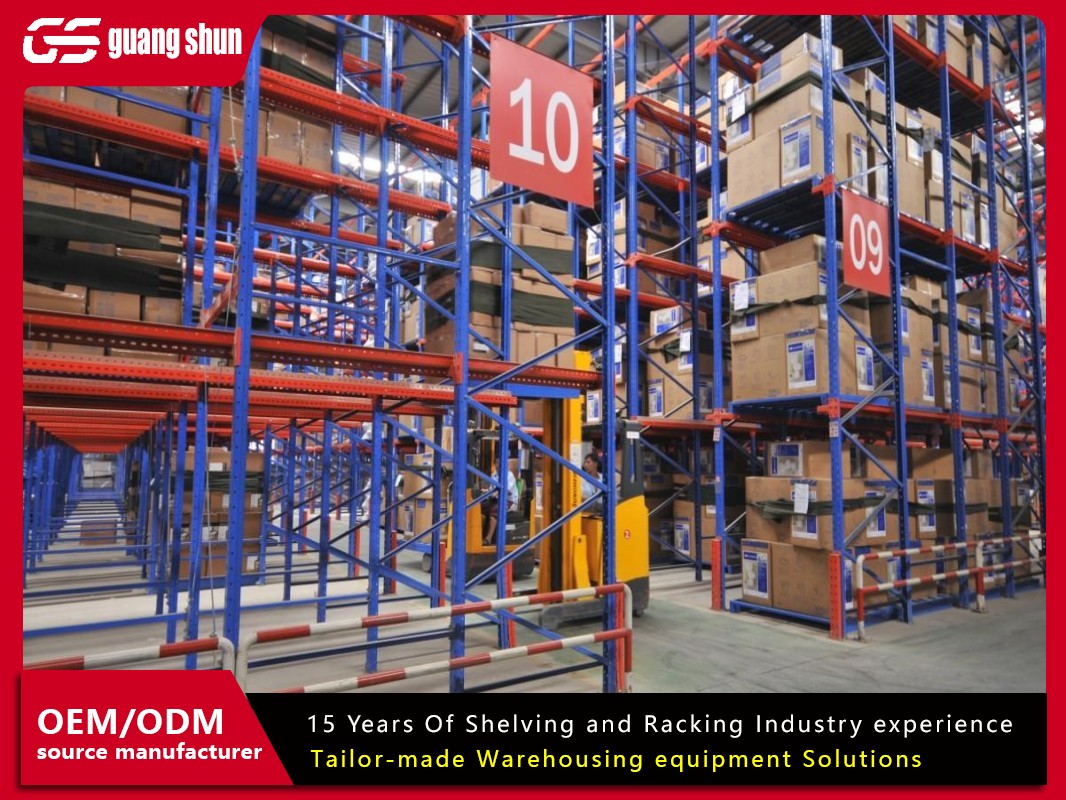
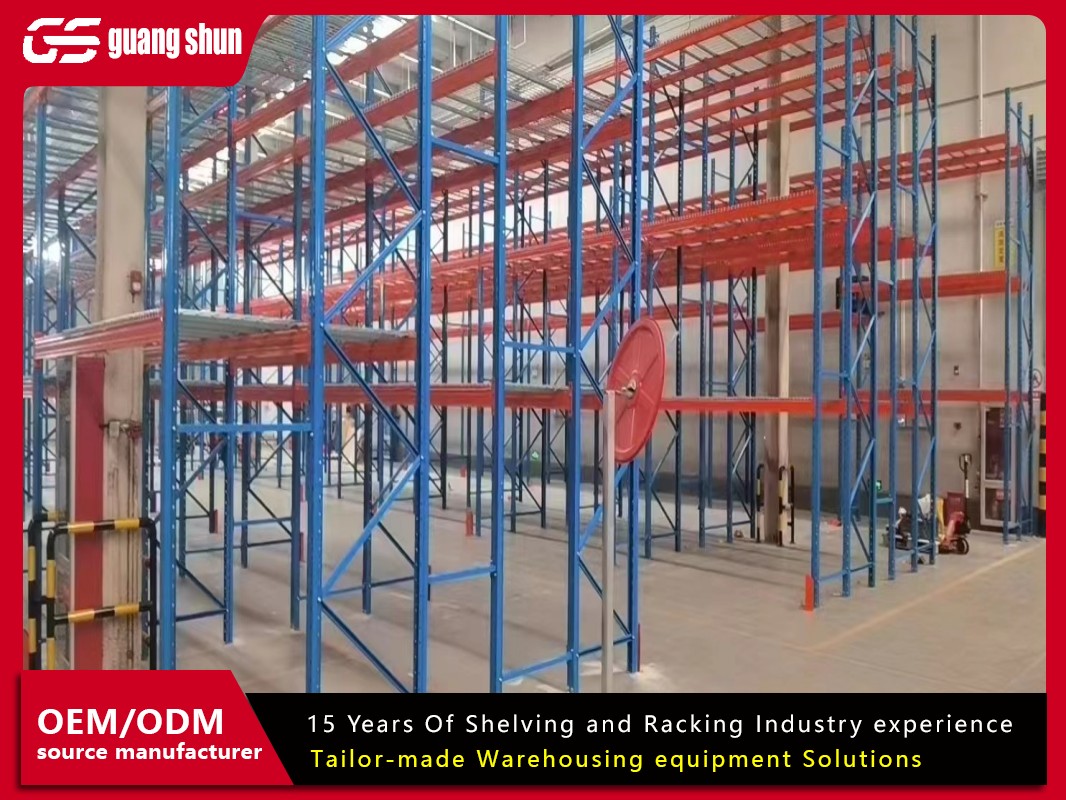
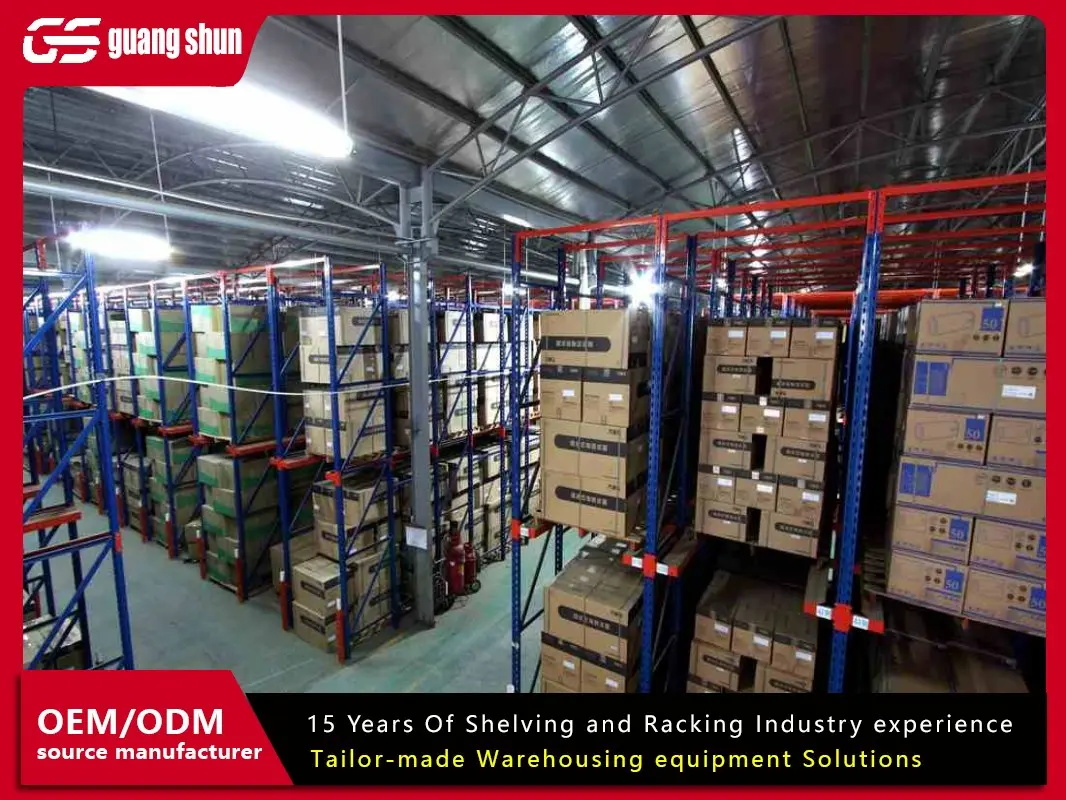
Pallet flow rack storage systems are a popular solution in modern warehousing and logistics. These systems use gravity to move pallets from the loading end to the unloading end, optimizing storage space and improving inventory management. If you're looking to streamline your warehouse operations, understanding pallet flow rack storage systems is crucial. This article covers everything from how they work to their applications, costs, and technical aspects, helping you make informed decisions.
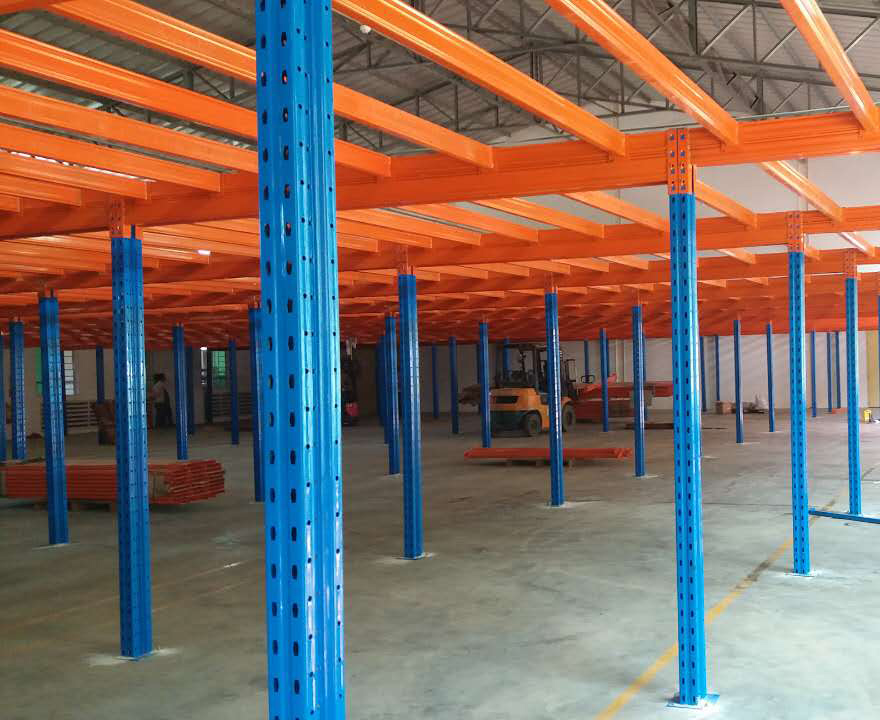
Pallet flow rack storage systems are a type of high-density storage system designed for first-in, first-out (FIFO) inventory management. They consist of inclined rails or wheels that allow pallets to slide smoothly from the back to the front using gravity. This setup reduces manual handling and speeds up order picking.
These systems are ideal for perishable goods or items with expiration dates, as they ensure older stock is used first. By implementing pallet flow rack storage systems, warehouses can maximize space utilization and enhance workflow efficiency. They are often used in industries like food and beverage, manufacturing, and retail.
The operation of pallet flow rack storage systems relies on gravity and careful engineering. Pallets are loaded at the higher end of the rack, typically from one side of the aisle. As items are removed from the front, the pallets slide forward automatically. This movement is controlled by speed controllers or brakes to prevent damage.
Key components include flow rails, rollers, and braking systems. The design ensures a continuous flow of pallets without the need for forklifts to enter the rack structure. This reduces aisle space requirements and minimizes accidents. Overall, pallet flow rack storage systems provide a seamless way to manage inventory with minimal effort.
Pallet flow rack storage systems offer numerous benefits for warehouses. First, they increase storage density by utilizing vertical and horizontal space efficiently. This means more pallets can be stored in a smaller area, reducing warehouse footprint costs.
Second, these systems improve inventory rotation. The FIFO method prevents stock obsolescence and spoilage, which is vital for time-sensitive products. Third, labor efficiency is enhanced because workers spend less time moving pallets manually. Order picking becomes faster and more accurate.
Additionally, pallet flow rack storage systems reduce product damage. The controlled sliding motion minimizes impacts during handling. They also enhance safety by limiting forklift traffic in storage aisles. For businesses seeking scalability, these systems can be customized to fit various warehouse layouts and loads.
Pallet flow rack storage systems are versatile and used across multiple sectors. In the food industry, they help manage perishable items like dairy, meat, and beverages. The FIFO approach ensures freshness and compliance with health regulations.
Manufacturing plants use these systems for raw materials and finished goods storage. They streamline production lines by providing quick access to components. Retail distribution centers rely on pallet flow rack storage systems to handle high-volume inventory, especially during peak seasons.
Other applications include pharmaceuticals, where proper stock rotation is critical, and automotive parts storage. Cold storage facilities also benefit, as the systems can be designed for low-temperature environments. Essentially, any industry with high-turnover inventory can gain from pallet flow rack solutions.
Choosing the appropriate pallet flow rack storage system requires careful consideration. Start by assessing your inventory profile. Consider factors like pallet size, weight, and turnover rate. Heavier loads may need reinforced rollers, while lighter items can use standard setups.
Next, evaluate your warehouse space. Measure aisle widths and ceiling heights to ensure compatibility. Pallet flow rack storage systems can be configured in various depths and heights to match your layout. Also, think about future growth. Opt for modular designs that allow easy expansion.
Budget is another key factor. While initial costs might be higher than static racks, the long-term savings in labor and space often justify the investment. Consult with suppliers to compare options and get customized recommendations. Always prioritize quality and durability to avoid frequent repairs.
The cost of pallet flow rack storage systems varies based on several elements. Initial expenses include the rack structure, flow rails, rollers, and installation. Customizations like speed controllers or specialized coatings add to the price. On average, these systems can range from moderate to high investment, but they offer significant returns.
Operating costs are lower due to reduced labor and energy usage. With faster picking times, warehouses can handle more orders without additional staff. The increased storage density also cuts down on rental or construction costs for larger spaces.
To calculate ROI, consider factors like improved inventory accuracy, reduced product waste, and enhanced safety. Most businesses see a payback period within a few years. When budgeting, factor in maintenance costs for periodic inspections and part replacements. Overall, pallet flow rack storage systems are a cost-effective solution for efficient warehousing.
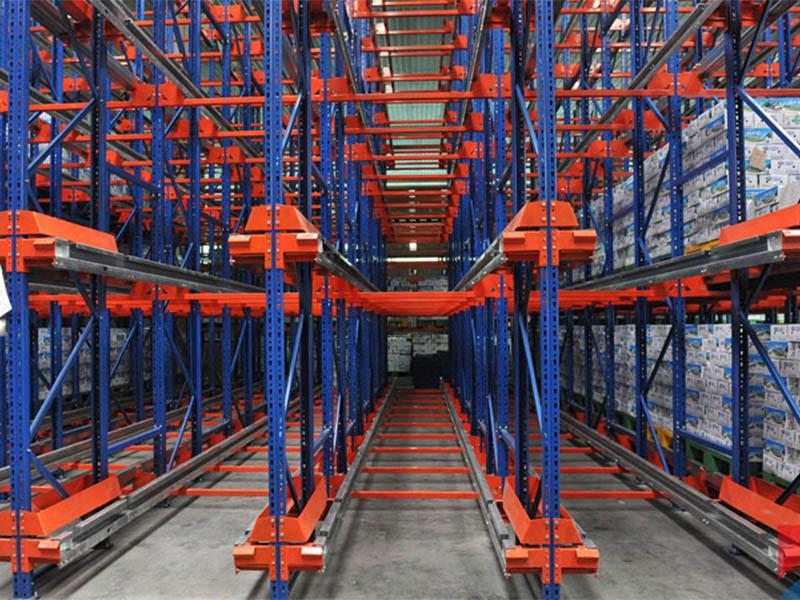
Understanding the technical aspects of pallet flow rack storage systems ensures optimal performance. The systems are built with high-grade steel for durability. Flow rails are typically made of steel or aluminum, with rollers designed to handle specific load capacities.
Installation should be done by professionals to ensure safety and functionality. Proper leveling is crucial to maintain a consistent flow angle. Braking systems must be calibrated to control pallet speed, preventing collisions. Regular maintenance includes checking for wear on rollers and lubricating moving parts.
Environmental factors like temperature and humidity can affect performance. In cold storage, components may need anti-freeze features. Always follow manufacturer guidelines for load limits and usage. By adhering to best practices, pallet flow rack storage systems can last for decades with minimal issues.
Q1: What are the main components of pallet flow rack storage systems?
A1: The main components include the rack frame, flow rails or rollers, speed controllers, and braking mechanisms. These parts work together to enable gravity-based pallet movement and ensure safe operation.
Q2: How do pallet flow rack storage systems improve inventory management?
A2: These systems enforce a first-in, first-out (FIFO) approach, which helps in rotating stock efficiently. This reduces spoilage for perishable items and ensures older inventory is used first, enhancing overall inventory control.
Q3: Can pallet flow racks handle heavy loads?
A3: Yes, pallet flow rack storage systems are designed to handle various load capacities. By specifying reinforced rollers and sturdy materials, they can support heavy pallets, making them suitable for industries like manufacturing and logistics.
Q4: What maintenance is required for flow storage systems?
A4: Regular maintenance includes inspecting rollers for wear, cleaning debris from rails, and checking brake functionality. Lubrication of moving parts and ensuring proper alignment are also key to prolonging the system's lifespan.
Q5: Are pallet flow rack storage systems customizable for different warehouse layouts?
A5: Absolutely. These systems can be customized in terms of height, depth, and width to fit specific warehouse spaces. Modular designs allow for easy adjustments and expansions as storage needs change.

 Wechat
Whatsapp
Wechat
Whatsapp