If you run a warehouse, you know the constant push and pull between needing instant access to everything and making the most of your space. It's a common headache.
Many storage systems force you to choose: either you get high density with slow access, or fast access with wasted air space. There has to be a middle ground.
For countless operations, that balanced solution is selective storage racking. It’s the most common, most recognizable racking system in the world for a very good reason. It offers a direct, uncomplicated path to every single pallet.
Let's break down what it is, where it works best, and how to decide if it's the right backbone for your storage strategy.
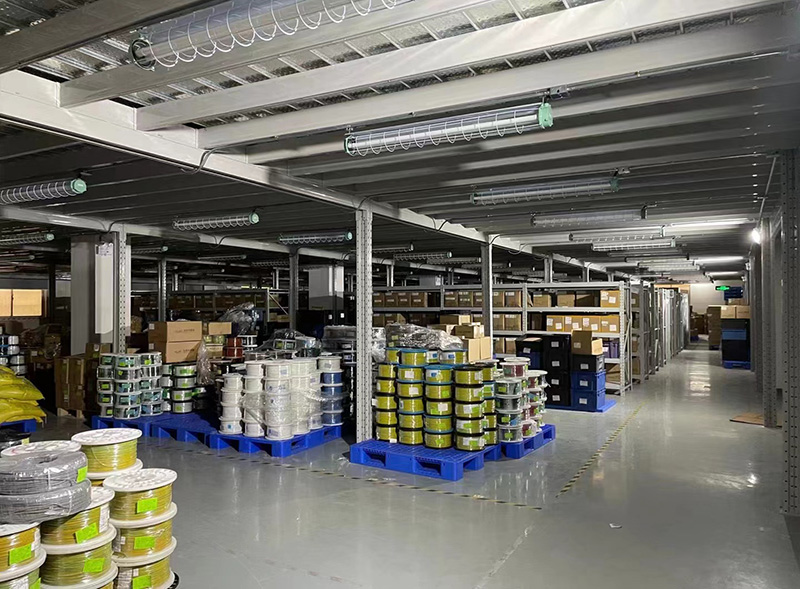
At its core, selective storage racking is exactly what the name suggests. It's a system designed for immediate, selective access to every single pallet location, without having to move any other.
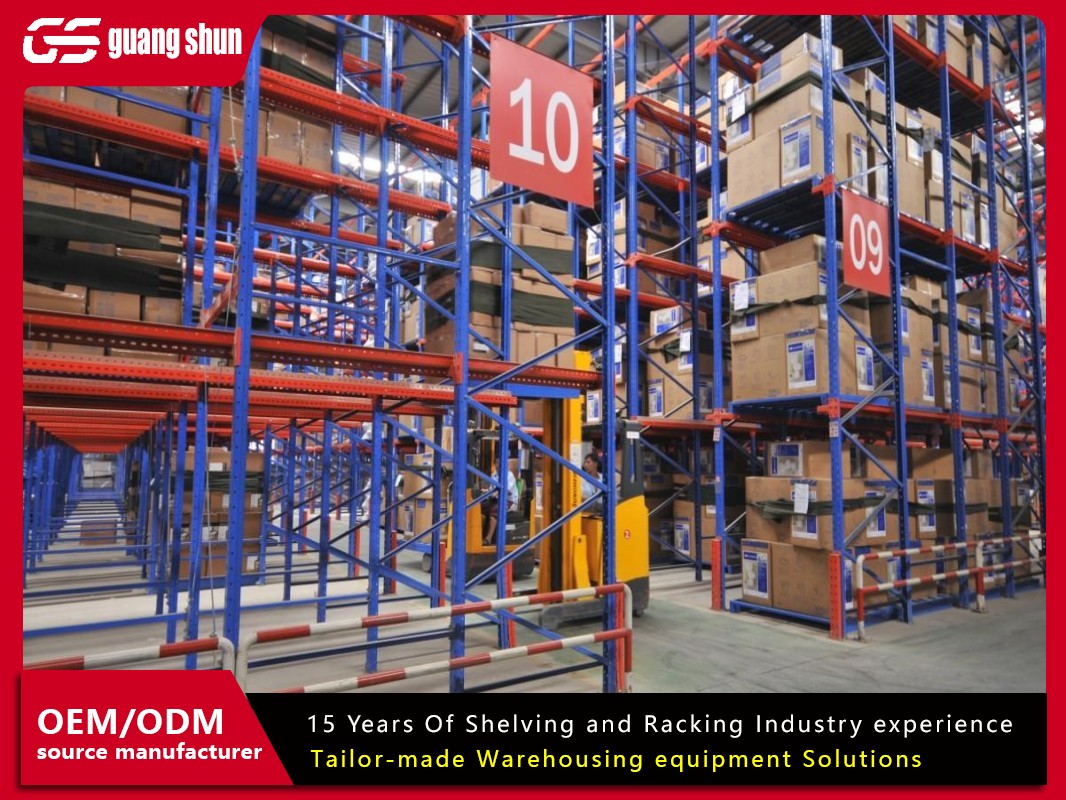
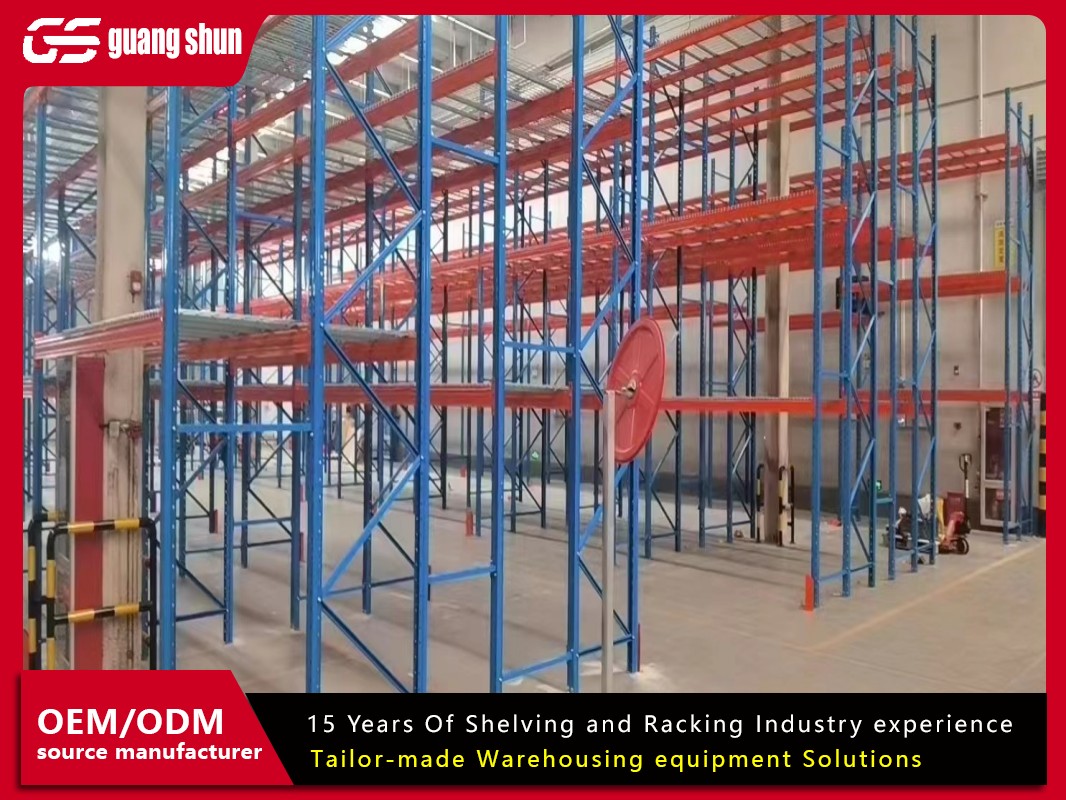
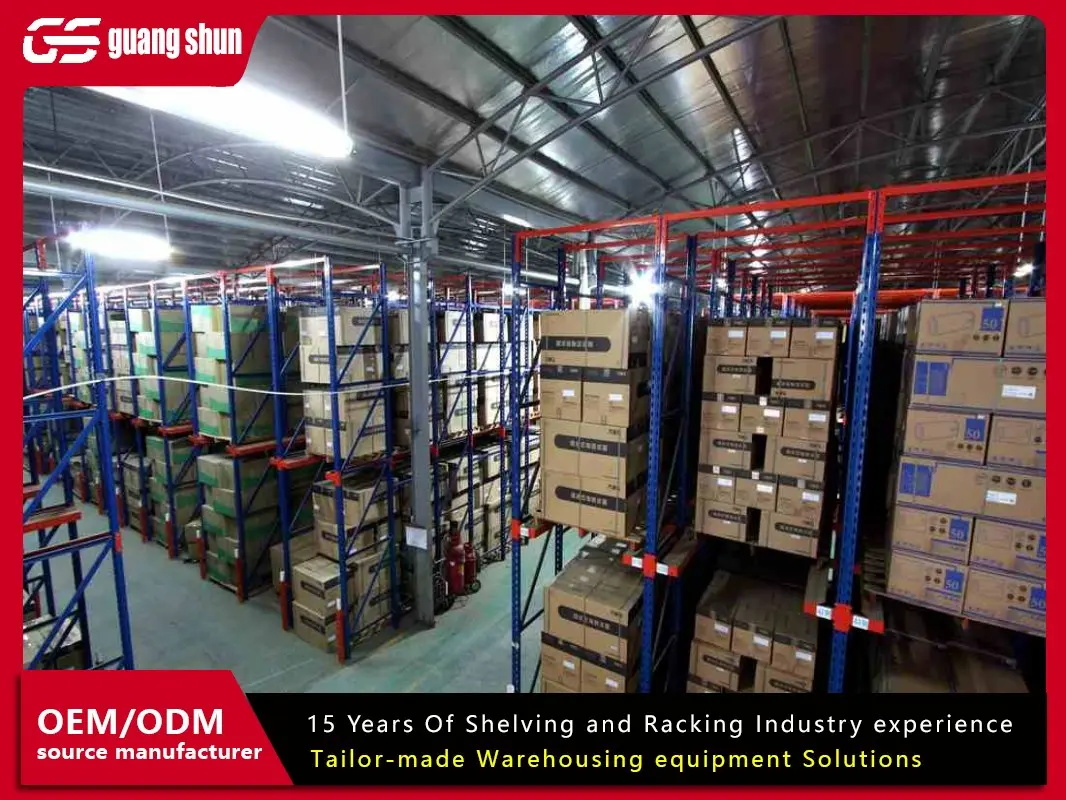
Picture the classic warehouse image: parallel rows of upright frames connected by horizontal load beams. Each pallet sits on these beams, facing the aisle. Every pallet is directly accessible, all the time, by a forklift or pallet jack.
This is the defining feature. Unlike dense systems where pallets are stored multiple deep, every unit in a selective pallet racking system lives in its own dedicated spot. This simplicity is its greatest strength for many businesses.
The system's architecture is straightforward but highly engineered for safety and strength. It consists of a few key components.
Upright frames are the vertical backbone. These are typically tall, steel frames with holes or slots at regular intervals. The horizontal load beams click or lock into these holes, creating the shelves.
The pallets rest directly on the beams. The spacing between the beams can be easily adjusted up or down to accommodate different load heights. This adjustability is a huge advantage for warehouses with a changing product mix.
This setup creates clear aisles between the rack rows. The width of these aisles is critical. They must be wide enough for your forklifts to maneuver, pick up a load, and turn around. This aisle requirement is the main trade-off for having such direct access.
Selective storage racking isn't a niche product. It's the versatile workhorse for a wide range of inventory and operational profiles.
It's perfect for operations with a high variety of SKUs. If you stock thousands of different items, each with a different turn rate, you need to get to any one of them quickly. This system makes that possible.
It’s also a natural fit for warehouses practicing FIFO (First-In, First-Out) inventory management. Since every pallet is on the front line, you can easily pick the oldest stock first without complicated retrieval sequences.
Businesses with seasonal or unpredictable order patterns benefit greatly. You don't have to guess which products need to be in a fast-access zone. They all are. This flexibility is hard to beat.
Finally, it's an excellent choice for cooler or freezer storage. In these expensive environments, the simplicity and speed of access help minimize the time doors are open and reduce labor costs.
Key Advantages of Choosing Selective Racking
Why does this system remain so popular decade after decade? The benefits are clear and impactful.
100% direct access is the top advantage. There are no delays, no waiting for a shuttle to retrieve a pallet, and no need to move other products to reach the one you want. This translates directly into faster order picking and higher productivity.
The system is incredibly intuitive. New forklift operators learn the layout quickly. There’s no complex software or retrieval logic to master. Pickers can go directly to a location without hesitation.
As mentioned, the adjustability is a major plus. You can reconfigure beam levels in minutes to adapt to new products or to optimize vertical space. Your racking system evolves with your business.
Compared to more automated dense storage systems, the upfront cost for selective pallet racking is typically lower. The investment is in the physical rack and the forklifts, not in complex machinery or software.
Important Design Considerations and Limitations
Of course, no system is perfect for every situation. Understanding the trade-offs is key to making a smart decision.
The primary limitation is storage density. Because every pallet needs an aisle in front of it, a significant portion of your warehouse floor space is dedicated to aisles, not storage. If your highest priority is cramming the maximum number of pallets into a footprint, other systems might be better.
The required aisle width directly impacts density. For traditional counterbalance forklifts, aisles often need to be 12-13 feet wide. Using narrower-aisle trucks (like reach trucks) can reduce this to 8-9 feet, saving space but sometimes requiring different equipment and operator skills.
While cost-effective, a full selective racking system still represents a major capital investment. Proper installation by qualified professionals is non-negotiable for safety and performance.
Lastly, it uses vertical space well, but not maximally. The highest level is limited by the safe reach height of your forklifts. Very high ceilings might require different solutions for the topmost levels.
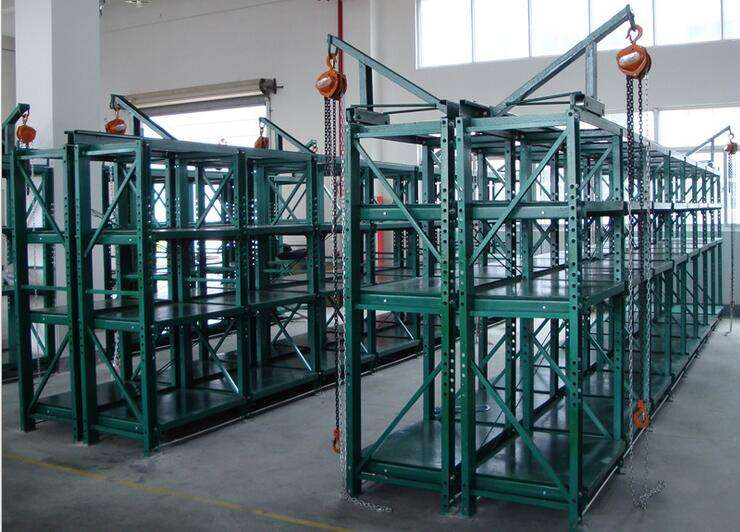
Selective vs. Dense Storage: A Quick Comparison
It's helpful to contrast selective storage racking with its main alternative: dense storage systems like drive-in, push-back, or pallet flow racks.
Dense systems sacrifice direct access for density. They store pallets multiple deep, so you might have 5 pallets of the same product in a single lane. You can only access the front pallet directly.
Choose selective racking when you have many SKUs and need access to all of them. Choose dense storage when you have high quantities of fewer SKUs and can afford to block some pallets behind others.
Many warehouses use a hybrid approach. They might use selective pallet racking for their fast-moving and varied inventory, and use a dense storage system in another area for bulk storage of raw materials or finished goods with low variety.
Getting Started: Planning Your Layout
Successful implementation starts with careful planning. You need to analyze your inventory data—SKU count, pallet dimensions, turnover rates, and seasonality.
A professional will help you determine the right beam levels, upright frame specifications, and row lengths. They will calculate the load capacities for every component to ensure safety.
A crucial step is deciding on your aisle width. This choice, dictated by your forklift fleet, will determine the overall density of your layout. Don't forget to plan for proper flue spaces at the back of racks and adequate clearance for sprinkler systems.
Selective storage racking isn't flashy or hyper-automated. It's a proven, reliable, and flexible system that puts simplicity and accessibility first.
For businesses that value speed, flexibility, and direct control over every pallet, it remains the undisputed champion. It solves the core storage problem without overcomplicating the process.
By understanding its strengths and its requirements, you can confidently determine if this straightforward approach is the right foundation for your warehouse's efficiency.
Frequently Asked Questions (FAQ)
Q1: What is the typical lifespan of a selective storage racking system?
A1: With proper care and no damage, a well-made selective pallet racking system can last for 20-30 years or more. The key factors are load discipline (not overloading), protecting uprights from forklift impacts, and having a regular inspection and maintenance program to address minor issues before they become safety hazards.
Q2: How do I calculate the load capacity needed for my racks?
A2: You must consider both the weight of your heaviest pallet and how that weight is distributed. Capacity is determined by the weakest link—the beams, uprights, and connectors. Always work with a rack designer or engineer. Provide them with your maximum pallet weight and dimensions. They will specify the correct beam capacity and upright frame configuration to ensure a safe design with a built-in safety factor.
Q3: Can I mix different pallet sizes on the same level of selective racking?
A3: It's possible but requires careful planning. The beams must be set to accommodate the taller pallet. You can place smaller pallets on the same level, but you will waste vertical space above them. For efficiency, it's best to group pallets of similar heights together on dedicated beam levels whenever possible.
Q4: Is selective racking suitable for very small warehouses?
A4: It can be, but the aisle space requirement can be a bigger burden in a small footprint. For a very small operation with limited SKUs, you might start with simple pallet stacking or shelving. However, once you have more than a few dozen pallet positions and need organization and safety, a small selective storage racking setup is often an excellent investment, even in a compact space.
Q5: What's the biggest safety mistake people make with this type of racking?
A5: Beyond overloading, the most common and dangerous mistake is improper or damaged beam connections. Beams must be fully and correctly seated into the upright frame's connectors with the safety locks engaged. Using beams and uprights from different manufacturers or systems is extremely risky. A regular inspection should always check that every beam is securely locked in place and that no connectors are bent or damaged.

 Wechat
Whatsapp
Wechat
Whatsapp