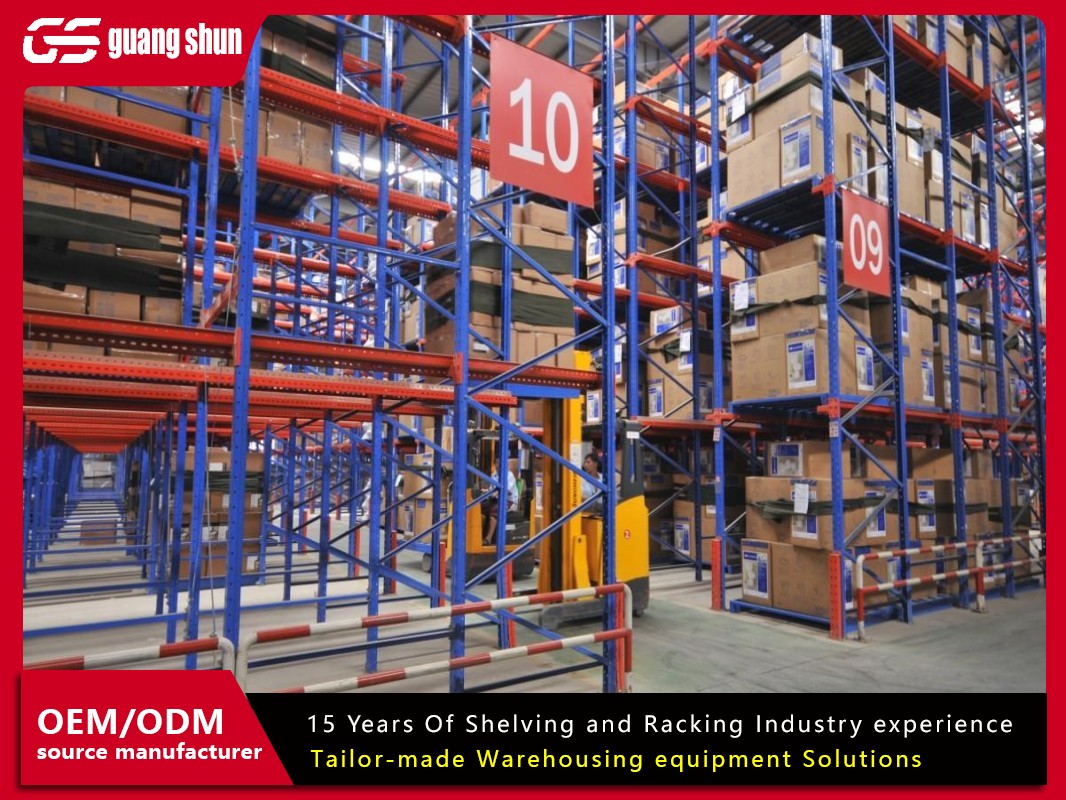
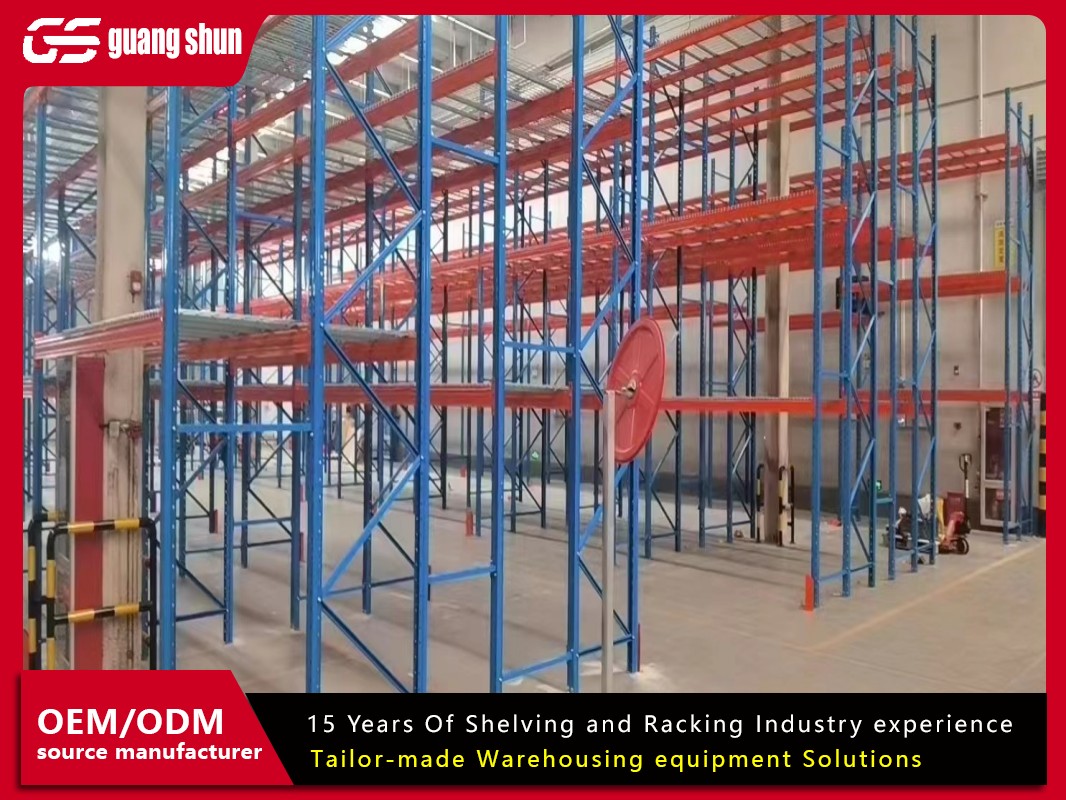
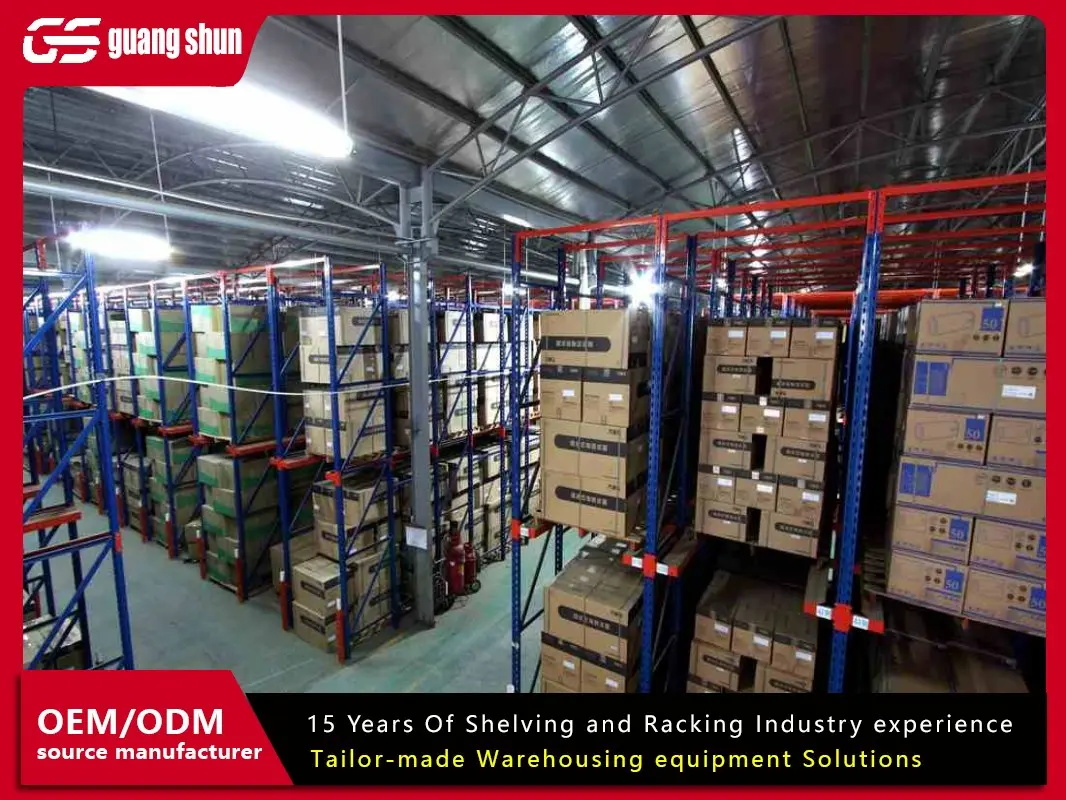
Warehouses with limited floor space face constant pressure to store more without expanding. skinny pallet racks offer a smart solution by reducing aisle widths and fitting smaller pallet footprints. These systems help you utilize every square foot efficiently. By implementing skinny pallet racks, you can increase storage density while maintaining smooth operations. They are ideal for e‑commerce fulfillment centers, retail backrooms, and light manufacturing facilities where space is at a premium.

Skinny pallet racks are a type of industrial storage system designed for narrow aisles and compact loads. They feature slender upright frames and shorter beams compared to standard pallet racking. Typically, they accommodate pallets with widths under 40 inches. The design minimizes aisle space, allowing more rows within the same footprint. Forklifts or reach trucks navigate these tight lanes with precision, guided by floor markings or rails.
Upright frames: Narrow columns made of heavy-gauge steel, often perforated for beam adjustments.
Horizontal beams: Support arms that hold pallets; available in various lengths to match load sizes.
Wire decks or wooden shelves: Provide a stable surface and prevent items from falling.
Footplates and anchors: Secure the rack to the concrete floor for stability.
Row spacers: Maintain consistent distance between back‑to‑back rows.
Businesses choose skinny pallet racks for multiple operational and financial advantages:
Space optimization: Narrow aisles mean you can fit up to 30% more pallet positions in the same area.
Cost savings: Avoid expensive building expansions or off‑site storage rentals.
Versatility: Suitable for light to medium loads, including cartons, small parts, and mixed SKUs.
Easy reconfiguration: Beams can be repositioned quickly as inventory changes.
Improved organization: Dedicated lanes reduce product mixing and retrieval errors.
When properly planned, skinny pallet racks also enhance picking efficiency by clustering fast‑movers near shipping areas.
A wide range of sectors benefit from these compact storage systems:
E‑commerce and retail: Storing small to medium‑sized products in distribution centers.
Food and beverage: Warehousing canned goods, bottled drinks, and non‑perishable items.
Pharmaceuticals: Organizing batches of medicine or medical supplies with strict lot tracking.
Automotive parts: Holding tires, brake components, and accessories in narrow aisles.
Cold storage: Maximizing expensive freezer space for frozen foods or ice cream.
In each case, skinny pallet racks adapt to the specific pallet dimensions and throughput needs.
Successful implementation requires careful planning. Every warehouse has unique dimensions and operational flows.
Start by measuring your actual pallet footprints. Standard skinny pallet racks work best with pallets 36 to 42 inches deep and 32 to 40 inches wide. Load capacity per level typically ranges from 1,000 to 2,500 lbs. Heavier loads may need reinforced frames or shallower depths.
The aisle width must match your material handling equipment. For reach trucks, you may need 8 to 9 feet. For very narrow aisle (VNA) turret trucks, aisles can be as tight as 5 feet. Always factor in turning radius and load handling clearances. Using skinny pallet racks with proper aisle design prevents collisions and speeds up operations.
Take advantage of vertical space, but ensure the rack height stays within forklift reach. In earthquake‑prone regions, seismic bracing and heavier gauge steel may be mandatory. Local building codes often dictate the necessary reinforcements for skinny pallet racks.
Understanding how these racks compare to alternatives helps you make the right choice.
Selective racks offer access to every pallet but require wide aisles. Skinny pallet racks sacrifice some accessibility for higher density. If you have many SKUs but limited space, skinny racks are often the better fit.
Narrow aisle systems (like VNA) use special trucks and guidance wires. Skinny pallet racks are a simpler, lower‑cost entry into narrow‑aisle storage. They work with standard reach trucks, reducing equipment investment.
Push‑back and flow racks increase density but are more expensive per lane. Skinny pallet racks are ideal when you need a balance between cost, density, and simplicity. They also support mixed SKUs more easily.
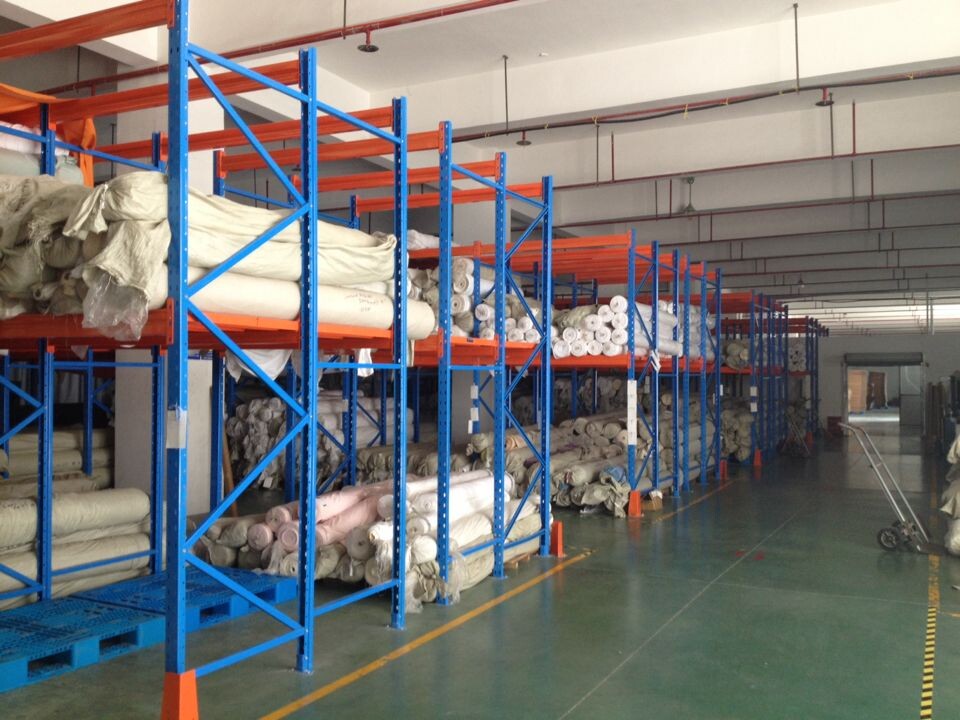
Keeping your system safe requires routine checks and proper usage:
Operator training: Drivers must practice entering narrow lanes without bumping uprights.
Protective guards: Install column protectors at aisle entrances to absorb impacts.
Regular inspections: Look for bent beams, loose anchors, or damaged welds monthly.
Load limits: Never exceed the manufacturer’s rated capacity per level.
Clear labeling: Mark maximum load heights and lane numbers for easy identification.
Following these steps extends the life of your skinny pallet racks and protects warehouse personnel.
Proper installation is critical to performance. Always hire experienced technicians. They will:
Verify floor flatness and cure concrete anchors correctly.
Use laser levels to ensure uprights are perfectly plumb.
Install shims if floors are uneven to distribute loads evenly.
Test the first few bays with loaded pallets before completing the whole system.
When installation is done right, skinny pallet racks provide decades of reliable service.
Budgeting for these systems involves several variables:
Material gauge: Heavier steel costs more but handles higher capacities.
Customization: Special heights, colors, or seismic bracing add to the price.
Accessories: Wire decks, back panels, and row spacers increase functionality.
Installation labor: Professional assembly ensures safety and compliance.
Despite these factors, skinny pallet racks remain one of the most cost‑effective ways to boost storage density without new construction.
In summary, skinny pallet racks deliver a practical, high‑density storage solution for warehouses with space constraints. They combine affordability, flexibility, and safety when designed correctly. Whether you are retrofitting an existing facility or building a new one, consider skinny pallet racks to make the most of your floor area. With the right layout and equipment, you can streamline operations and accommodate future growth.
Q1: What is the typical width of skinny pallet racks?
A1: Standard skinny
pallet racks have frame widths ranging from 24 to 42 inches, depending on the
pallet size. For smaller pallets (32" x 30"), a 36‑inch wide frame is common.
Always match the rack width to your pallet overhang—pallet edges should not
extend more than 3 inches beyond the beams.
Q2: Can skinny pallet racks support heavy loads like steel coils?
A2: Most
skinny pallet racks are designed for light to medium loads (up to 2,500 lbs per
level). For heavy items like steel coils, you may need structural racking or
custom‑engineered frames. Consult a storage specialist to verify capacity
requirements before purchasing.
Q3: What type of forklift works best with skinny pallet racks?
A3: Reach
trucks and stand‑up counterbalanced forklifts are commonly used. For very narrow
aisles, consider turret trucks or wire‑guided VNA equipment. The key is to match
the truck’s turning radius with the aisle width you have planned. Using the
wrong truck can damage racks and slow operations.
Q4: Are skinny pallet racks adjustable after installation?
A4: Yes, most
models feature adjustable beam heights in 2‑inch or 4‑inch increments. This
allows you to reconfigure shelves as your inventory mix changes. However,
adjusting beams should be done carefully, ensuring all safety clips are
re‑engaged and loads remain within capacity.
Q5: Do I need special flooring for skinny pallet racks?
A5: They require a
level, reinforced concrete floor with sufficient thickness (usually 4–6 inches)
to hold anchor bolts. If your floor is uneven, installers can use shims to level
the uprights. Always have a structural engineer assess the floor before
installation to prevent settling or tipping.
Q6: How do I calculate the return on investment for skinny pallet
racks?
A6: Compare the cost per pallet position of your current system versus
the proposed skinny pallet racks. Include savings from avoided building
expansion, reduced travel time, and better inventory organization. Many
warehouses see payback within 12 to 24 months.
Q7: Can skinny pallet racks be used outdoors?
A7: Standard indoor racks
are not weather‑resistant. For outdoor use, you need galvanized or coated steel
to prevent rust. Also, consider wind loads and anchoring in exposed areas.
Discuss outdoor applications with your rack supplier to ensure durability.

 Wechat
Whatsapp
Wechat
Whatsapp