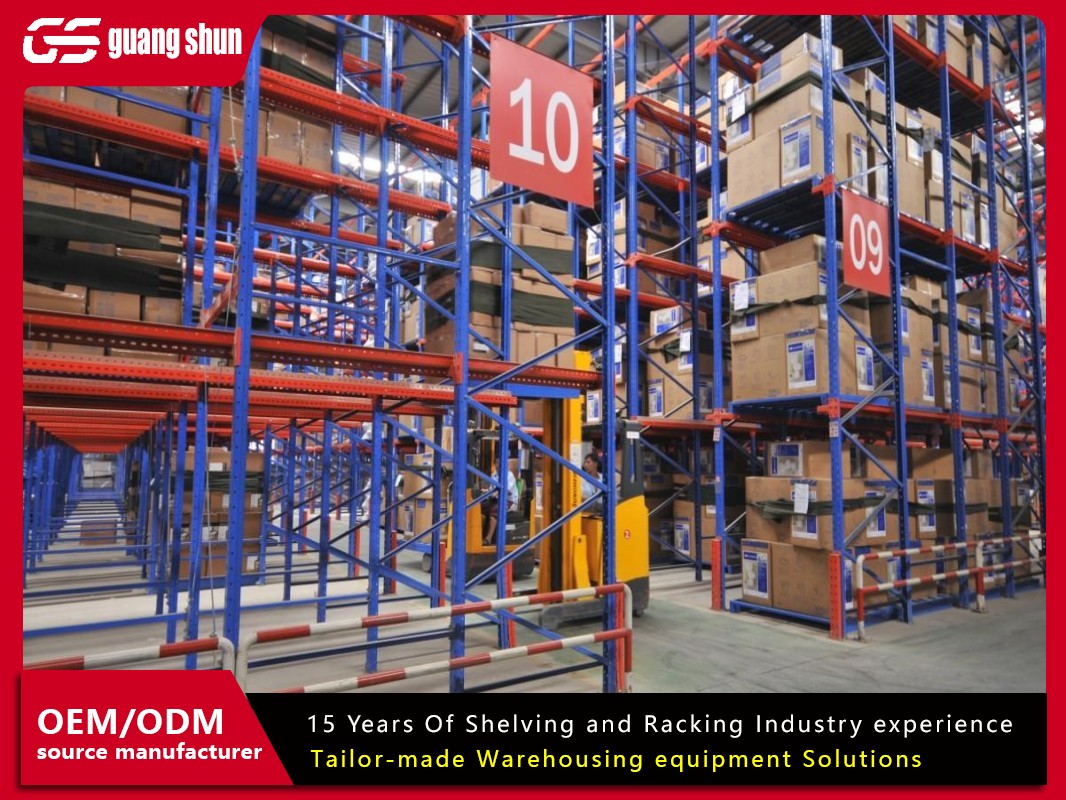
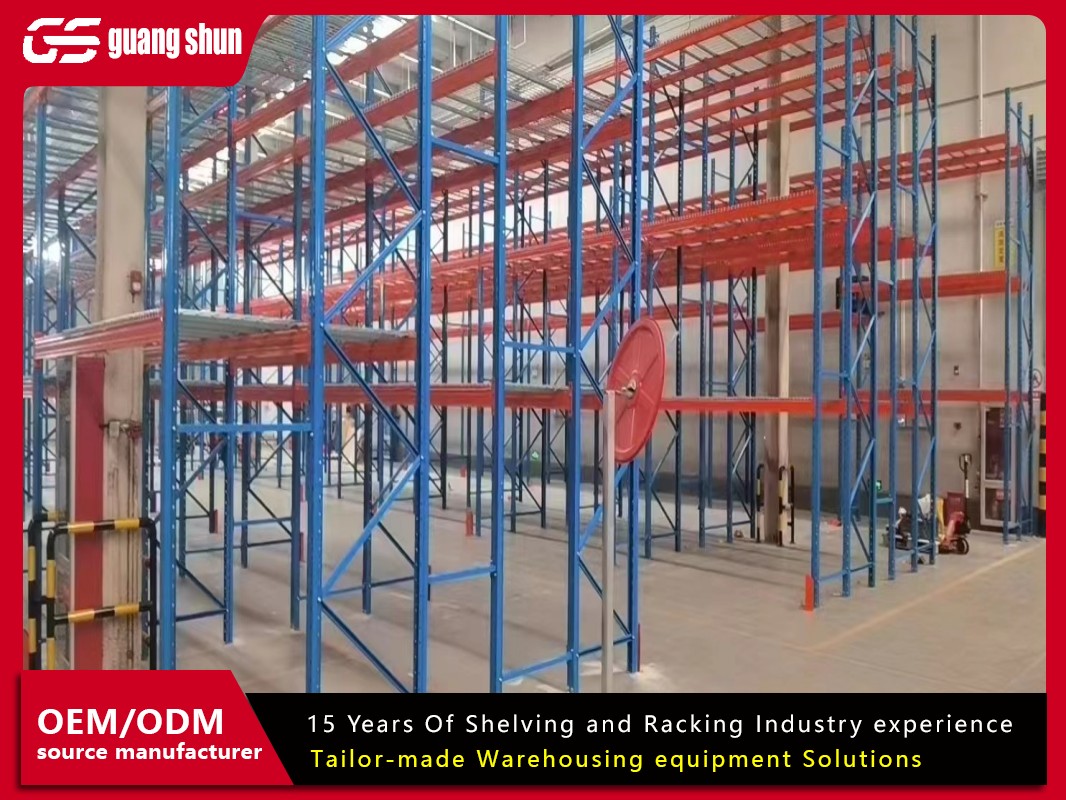
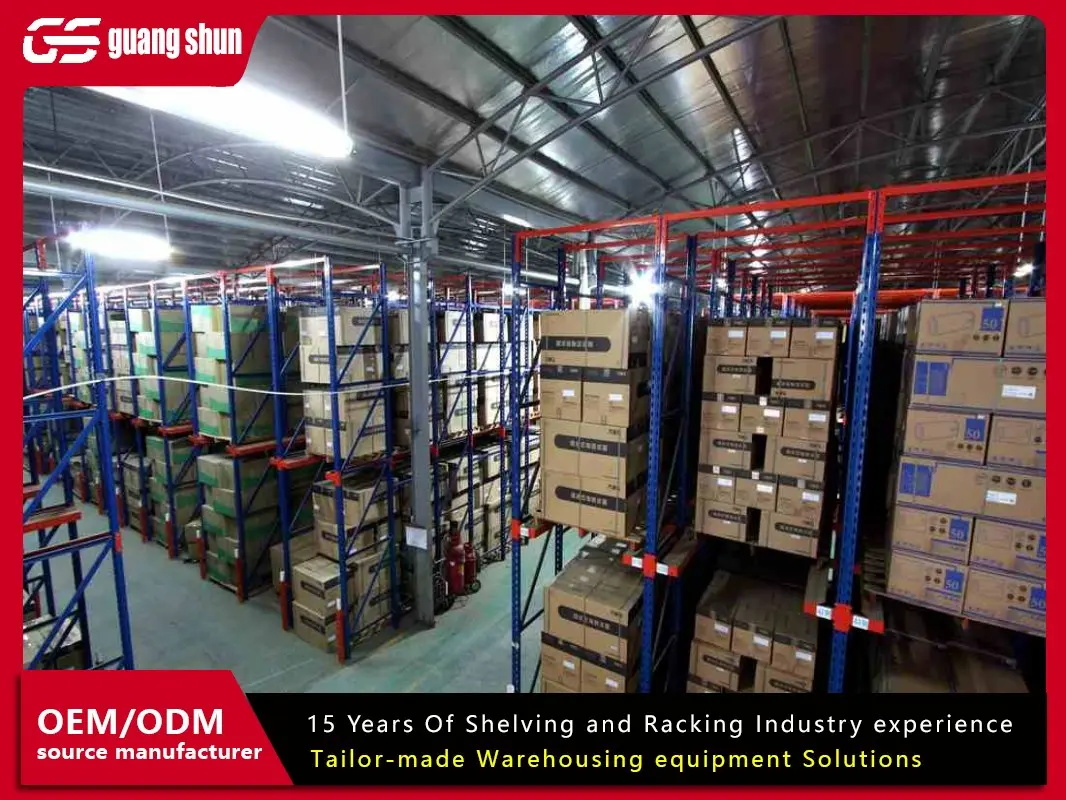
Warehouse efficiency starts with the right storage infrastructure. The choice of equipment affects space utilization, picking speed, and worker safety. Understanding the main types of warehouse storage racks helps managers make informed decisions that balance density with accessibility. This article breaks down the most common rack styles, their typical uses, and key considerations for each.
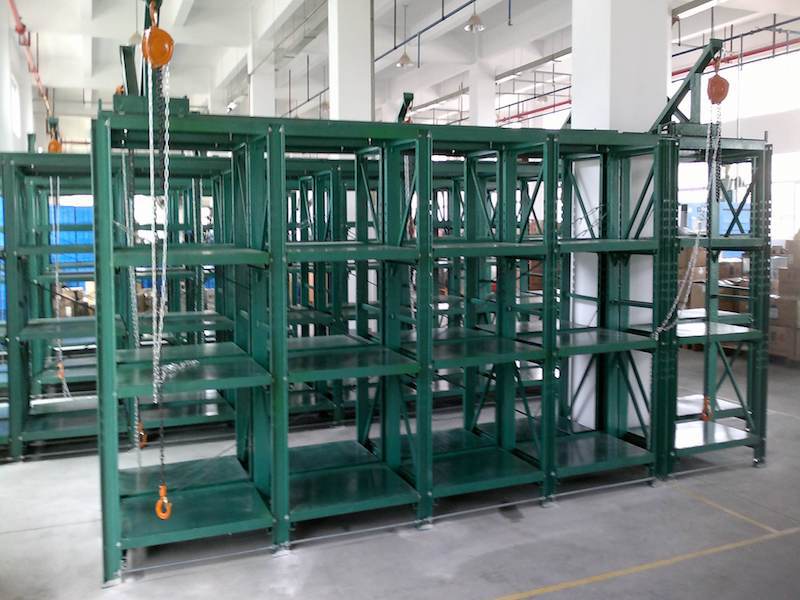
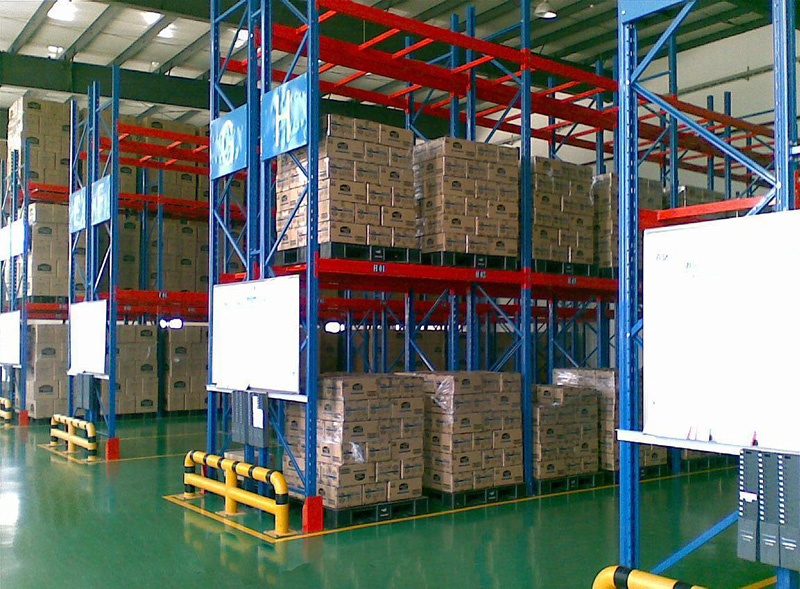
Selective racks are the most familiar design. They consist of rows of upright frames with horizontal beams, allowing direct access to every pallet. This style is highly flexible and works with most forklifts.
100 % accessibility to each pallet – ideal for high-turnover SKUs.
Simple installation and reconfiguration.
Compatible with various pallet sizes and weights.
Selective racks are found in distribution centers, cold storage, and retail warehouses. They suit operations that require frequent access to many different products.
Among all types of warehouse storage racks, selective pallet racks remain the most adopted because of their straightforward design and low maintenance. However, they use more floor space compared to high‑density alternatives.
Double‑deep racks place pallets two positions deep. This configuration reduces the number of aisles and increases storage density by about 30‑50 % compared to selective racks. It requires reach trucks or deep‑reach forklifts to access the second row.
Better space utilization without sacrificing too much accessibility.
Lower equipment cost than very narrow aisle systems.
Not suitable for products that need immediate access to every pallet.
When evaluating different types of warehouse storage racks, double‑deep is a cost‑effective step up in density for warehouses with moderate SKU variety.
Drive‑in racks allow forklifts to enter the rack structure to load or unload pallets. Pallets are stored on rails, and the system follows LIFO (last‑in, first‑out) for drive‑in, or FIFO for drive‑through. These racks are ideal for large quantities of homogeneous products.
Very high storage density – up to 75 % better than selective racks.
Requires skilled drivers to manoeuvre inside the bay.
Common in cold storage, food, and beverage industries.
This category of types of warehouse storage racks suits seasonal goods or bulk inventory where rotation is predictable.
Push‑back racks use inclined rails and nested carts. Pallets are loaded from the front, pushing previous pallets back. When a front pallet is removed, the next one slides forward. This LIFO system increases density while providing slightly better access than drive‑in.
Storage depth of two to six pallets.
Reduces aisle count and improves floor space use.
No need for forklifts to enter the rack structure.
Push‑back is a popular choice among mid‑ to high‑density types of warehouse storage racks for warehouses handling multiple SKUs with medium turnover.
Pallet flow racks incorporate rollers or wheels on a slight incline. Pallets loaded at the rear flow by gravity to the front. This FIFO (first‑in, first‑out) design is essential for time‑sensitive products.
Excellent for perishable items, pharmaceuticals, and fast‑moving stock.
Reduces travel time – pick faces are automatically replenished.
Requires careful speed control to prevent pallet damage.
Among dynamic types of warehouse storage racks, pallet flow offers high density combined with strict inventory rotation.
Cantilever racks have arms extending from vertical columns, leaving the front completely open. They are designed to store lumber, pipes, furniture, and long metal profiles.
Adjustable arm heights to accommodate different lengths.
No front posts – easy loading with overhead cranes or forklifts.
Single‑ or double‑sided configurations.
When discussing specialised types of warehouse storage racks, cantilever systems stand out for their ability to handle awkward loads safely and efficiently.
Mobile racks are mounted on motorized carriages that move laterally. They open an aisle only when needed, converting unused aisle space into storage. This system can nearly double capacity compared to static racks.
Archives, spare parts storage, and low‑frequency items.
Works well in existing buildings with limited footprint.
Higher initial cost but excellent space savings.
Mobile systems represent a niche but valuable category of types of warehouse storage racks for facilities where floor space is at a premium.
No single rack type fits every situation. The right choice depends on several operational factors that should be weighed carefully.
Inventory characteristics: pallet size, weight, and turnover rate.
Forklift equipment: reach trucks, counterbalance, or VNA.
Building constraints: ceiling height, column spacing, floor condition.
Picking method: whole‑pallet vs. case picking.
Budget: initial investment vs. long‑term operational savings.
Taking the time to compare types of warehouse storage racks against these criteria prevents costly mistakes and ensures the system supports daily workflows.
Regardless of the rack style, safety must remain a priority. Regular inspections, load notices, and staff training reduce accident risks. Upright protectors, row spacers, and netting add extra protection. Always follow local regulations and manufacturer guidelines.
Check for bent or damaged components weekly.
Ensure pallets are correctly placed on beams or rails.
Train operators on the specific demands of each rack type.
To sum up, the landscape of storage solutions offers many paths. Whether you need high selectivity or maximum density, understanding the various types of warehouse storage racks helps tailor your warehouse to your product mix and throughput requirements. Always consult with experienced suppliers to validate your choice.
Q1: What are the most common types of warehouse storage racks used today?
A1: The most widely used include selective pallet racks, double‑deep racks, drive‑in racks, push‑back racks, pallet flow racks, and cantilever racks. Each serves different density and accessibility needs.
Q2: How do I decide between selective racks and high‑density racks?
A2: If you have many SKUs and need frequent access to every pallet, selective racks are best. For large quantities of a few items, high‑density options like drive‑in or push‑back save floor space and may lower operating costs.
Q3: Are there types of warehouse storage racks that work for FIFO inventory management?
A3: Yes, pallet flow racks and drive‑through racks are designed for FIFO (first‑in, first‑out). They automatically rotate stock, which is critical for perishable goods or time‑sensitive materials.
Q4: What is the weight capacity of typical warehouse storage racks?
A4: Capacities vary widely. Light‑duty selective racks may hold 2,000–3,000 lb per pallet, while heavy‑duty versions can exceed 10,000 lb. Always check manufacturer specs and consider dynamic loads.
Q5: Can different types of warehouse storage racks be combined in one facility?
A5: Absolutely. Many warehouses mix selective racks for fast‑movers with drive‑in or push‑back for bulk items. Cantilever racks can be added in a separate bay for long goods. A well‑planned combination maximizes space and efficiency.
Q6: Do types of warehouse storage racks require special forklifts?
A6: Some do. Double‑deep racks need reach trucks with deep‑reach capability. Drive‑in racks require counterbalance or specialized forklifts that can enter the bay. Selective racks are compatible with most standard forklifts. Always match the rack type to your existing or planned equipment.

 Wechat
Whatsapp
Wechat
Whatsapp