Effective warehouse management relies on smart storage solutions. Understanding the different types of warehouse racking is essential for maximizing space and streamlining operations. This article provides a detailed look at common racking systems to help you make informed decisions.
Warehouse racking can be grouped into several primary categories. Each serves distinct storage needs. Knowing the different types of warehouse racking helps in selecting the right fit.
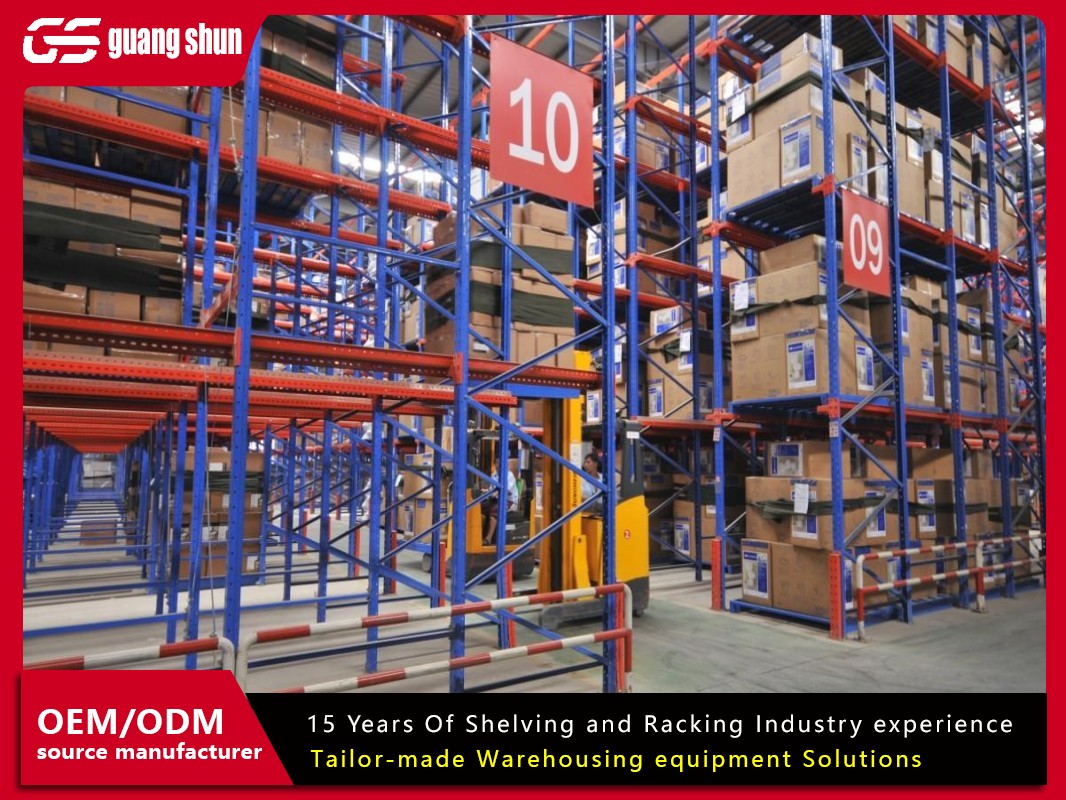
Pallet racking is widely used for storing goods on pallets. It offers easy access and flexibility. Key variations include:
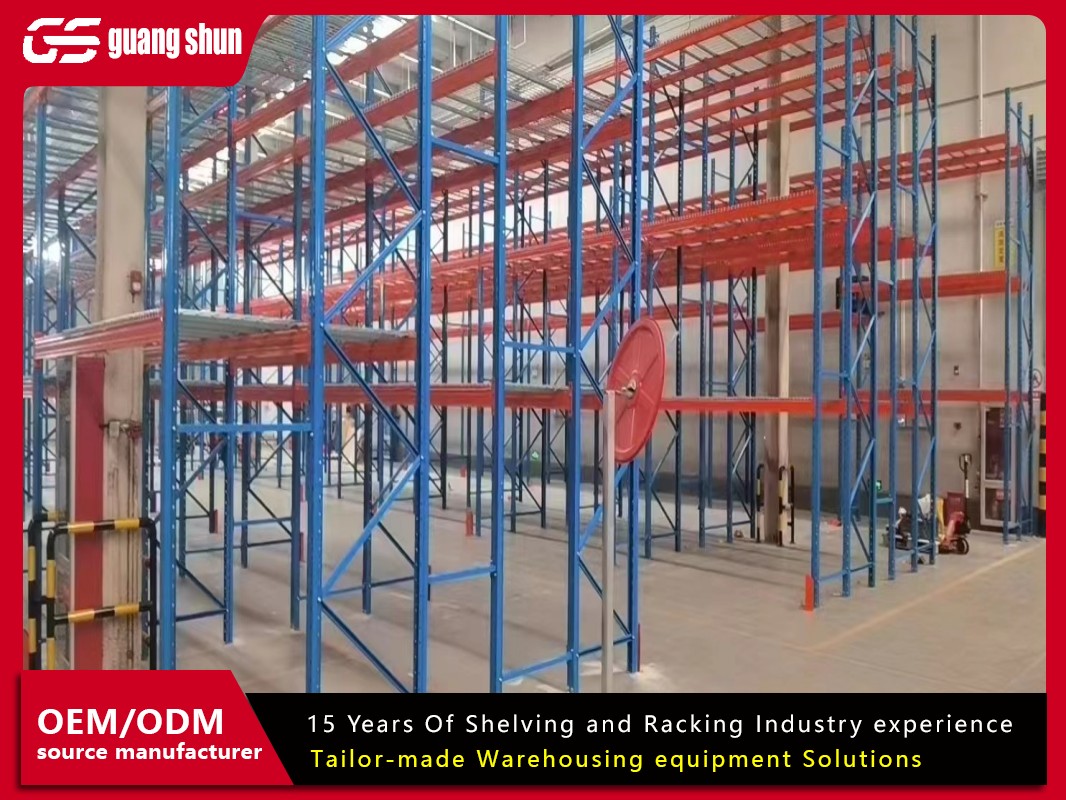
Selective Pallet Racking: Allows direct access to every pallet. Ideal for diverse inventories.
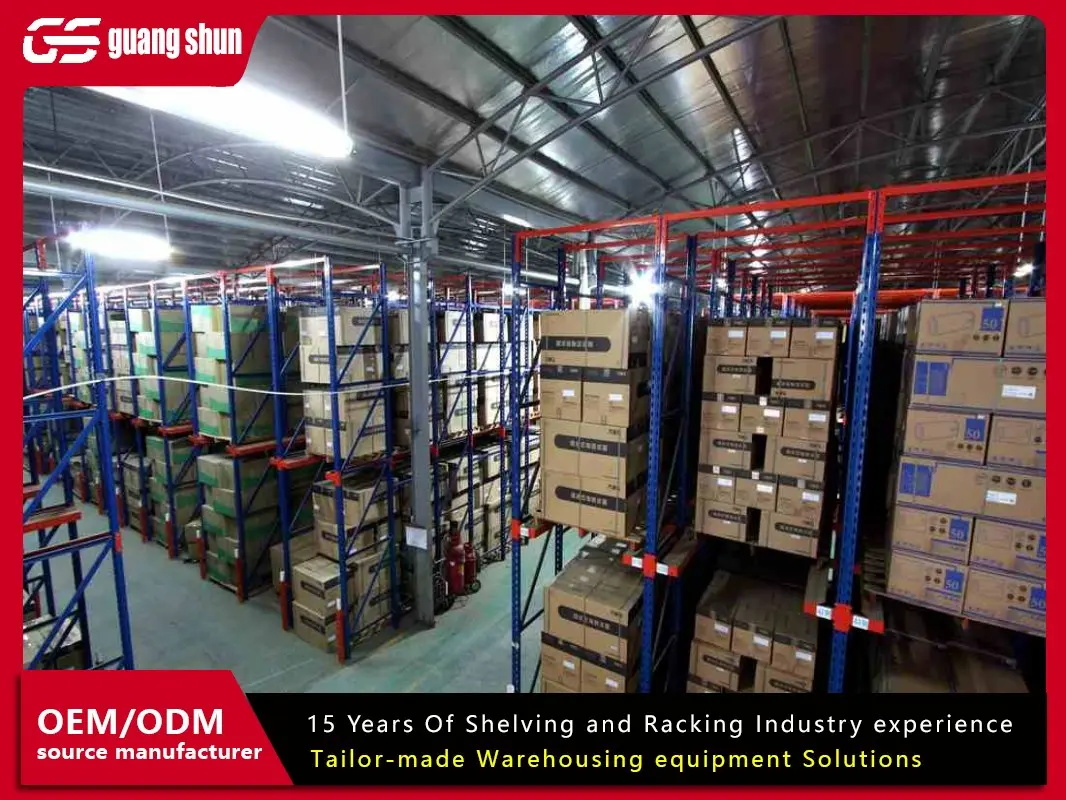
Drive-In Racking: Uses lanes for pallet storage. Suits high-density storage with fewer SKUs.
Push Back Racking: Pallets are stored on carts. Provides last-in, first-out access.
These systems balance accessibility and storage density. They are a core part of the different types of warehouse racking available.
For smaller items or non-palletized goods, shelving systems are common. They organize products efficiently.
Boltless Shelving: Easy to assemble without tools. Adjustable shelves cater to various item sizes.
Mobile Shelving: Shelves mounted on movable carriages. Saves space by eliminating aisles.
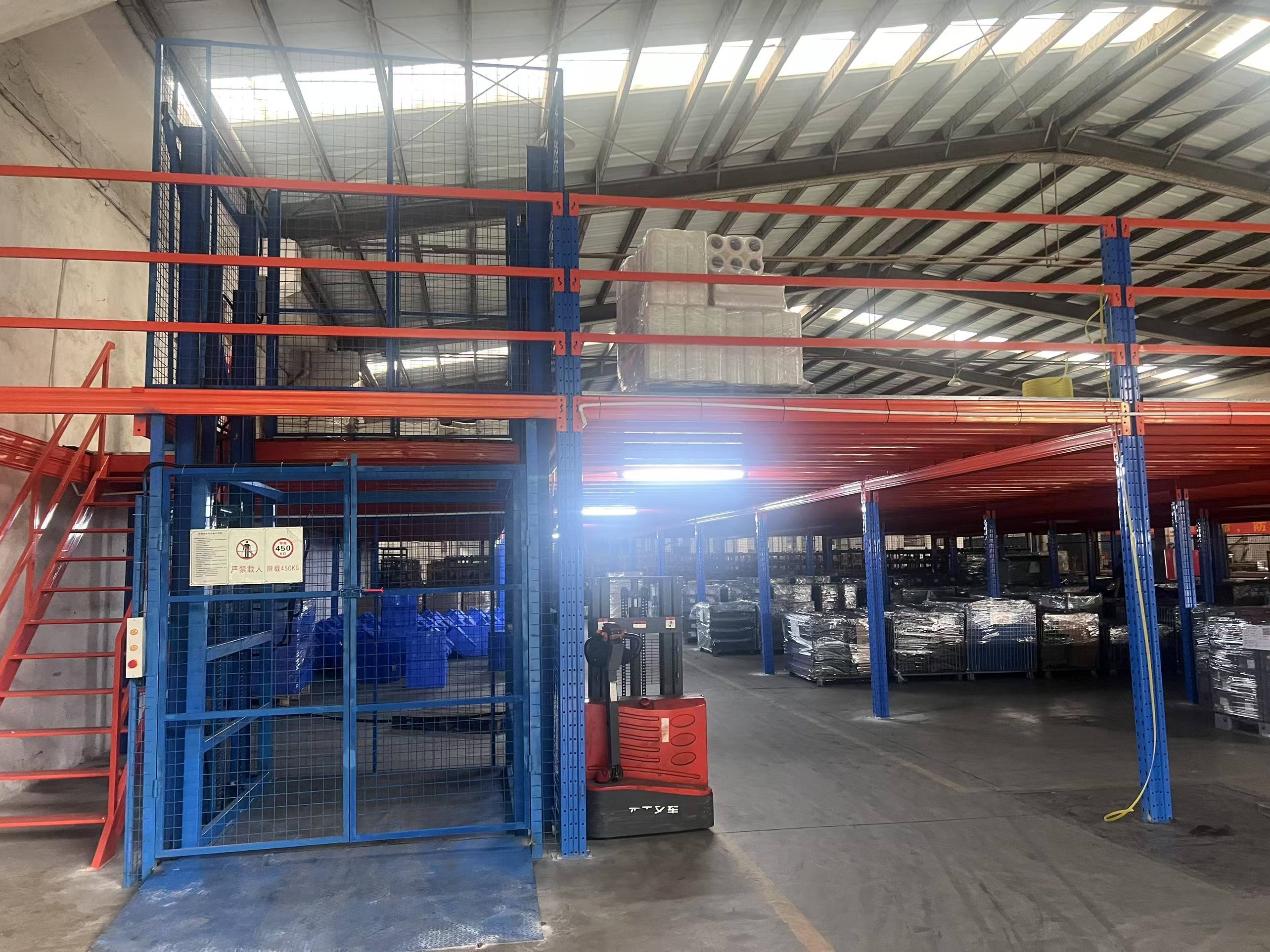
Mezzanine Flooring: Adds elevated storage levels. Maximizes vertical space in warehouses.
Such options highlight the versatility in different types of warehouse racking for diverse storage needs.
Some warehouses require specialized solutions. These systems address specific operational challenges.
Cantilever racking is designed for long, bulky items. It features arms that extend from a central column.
Commonly used for pipes, lumber, or furniture.
Provides unobstructed access from the front.
Adjustable arms allow customization.
This is one of the different types of warehouse racking suited for irregularly shaped goods.
Mobile racking systems move on tracks. They consolidate aisles to increase storage capacity.
Ideal for warehouses with limited space.
Requires only one access aisle at a time.
Can be manual or electrically operated.
This system showcases innovation among different types of warehouse racking.
Selecting the right racking involves evaluating several factors. This ensures compatibility with your warehouse operations.
Balance between storing more items and accessing them quickly is crucial.
High-density systems like drive-in racking save space but limit access.
Selective racking offers full accessibility but uses more aisle space.
Assess your inventory turnover to decide.
Understanding the different types of warehouse racking helps in this balance.
Budget constraints and setup time are practical considerations.
Simple systems like selective racking are cost-effective and easy to install.
Complex systems like mobile racking have higher upfront costs but save space.
Factor in maintenance and potential future expansions.
Each of the different types of warehouse racking comes with unique cost implications.
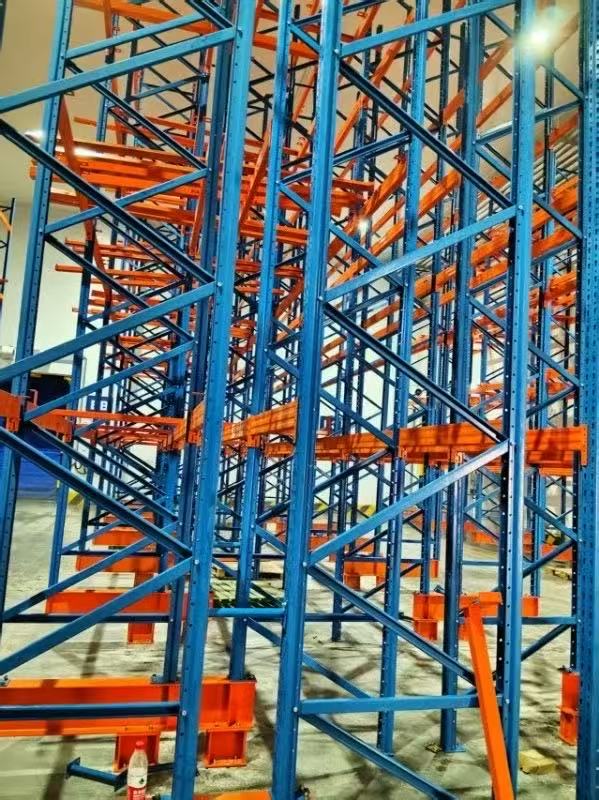
Let's delve deeper into some widely used racking systems. This will clarify their applications and benefits.
This is the most common racking type. It allows direct access to every pallet position.
Uses upright frames and horizontal beams.
Suitable for warehouses with many SKUs.
Easy to reconfigure as needs change.
It's a staple among the different types of warehouse racking for its flexibility.
These systems use lanes for pallet storage. Forklifts drive into the racks to place or retrieve pallets.
Drive-through racking allows access from both ends (FIFO).
Ideal for high-volume, low-variety inventory.
They represent efficient options in different types of warehouse racking.
Push back racking stores pallets on inclined carts. When a new pallet is added, it pushes others back.
Offers high density with good accessibility.
Operates on a last-in, first-out basis.
Reduces aisle space compared to selective racking.
This system is a key part of modern different types of warehouse racking solutions.
Choosing the right storage system can transform warehouse efficiency. By exploring the different types of warehouse racking, you can find a solution that matches your inventory, space, and budget. Assess your needs carefully to optimize your operations.
Q1: What are the most common different types of warehouse racking systems?
A1: The most common systems include selective pallet racking, drive-in racking, push back racking, cantilever racking, and mobile racking. Each serves specific storage purposes based on density and accessibility needs.
Q2: How do I determine which racking type is best for my warehouse?
A2: Consider factors like inventory variety, turnover rate, available space, and budget. For example, high-turnover goods may benefit from selective racking, while bulky items might need cantilever racking.
Q3: Can different types of warehouse racking be combined in one facility?
A3: Yes, many warehouses use a mix of racking systems. For instance, selective racking for fast-moving items and drive-in racking for bulk storage. This hybrid approach optimizes space and efficiency.
Q4: What are the space-saving benefits of mobile racking systems?
A4: Mobile racking systems reduce the number of aisles by moving shelves on tracks. This can increase storage capacity by up to 100% compared to static systems, making them ideal for space-constrained warehouses.
Q5: Are there weight limitations for different types of warehouse racking?
A5: Yes, each racking type has specific weight capacities. For example, selective pallet racking typically handles heavy loads, while shelving systems are for lighter items. Always check manufacturer specifications for safety.

 Wechat
Whatsapp
Wechat
Whatsapp