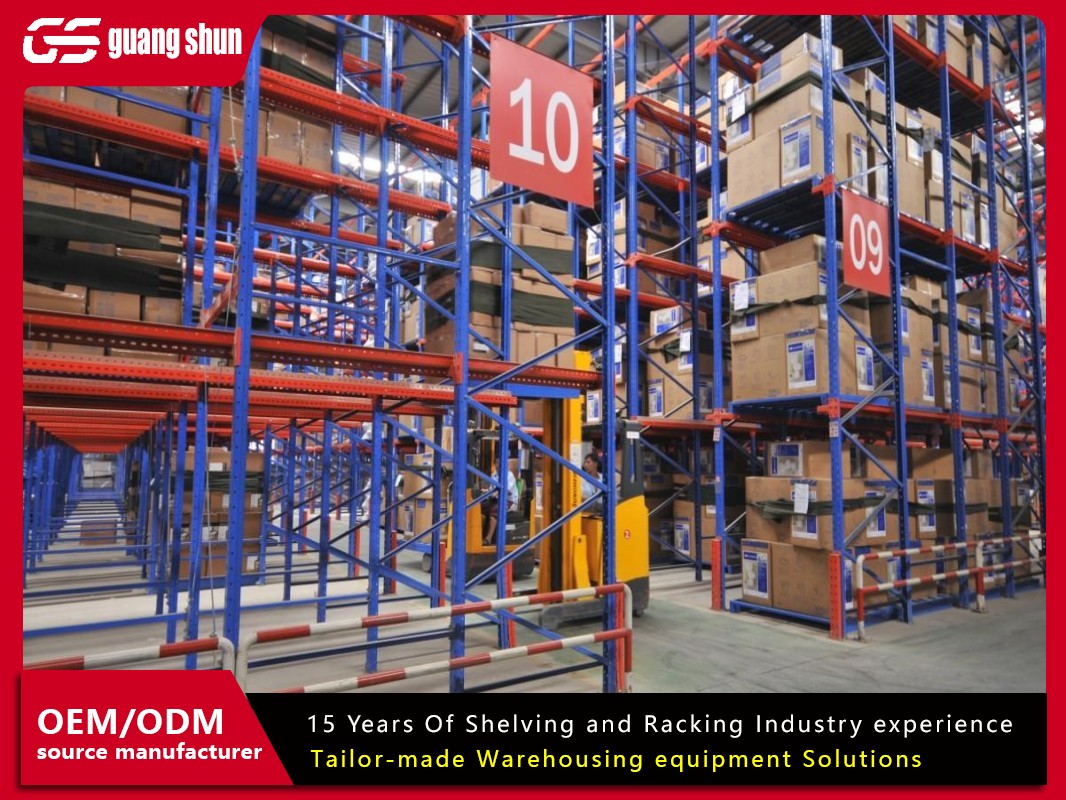
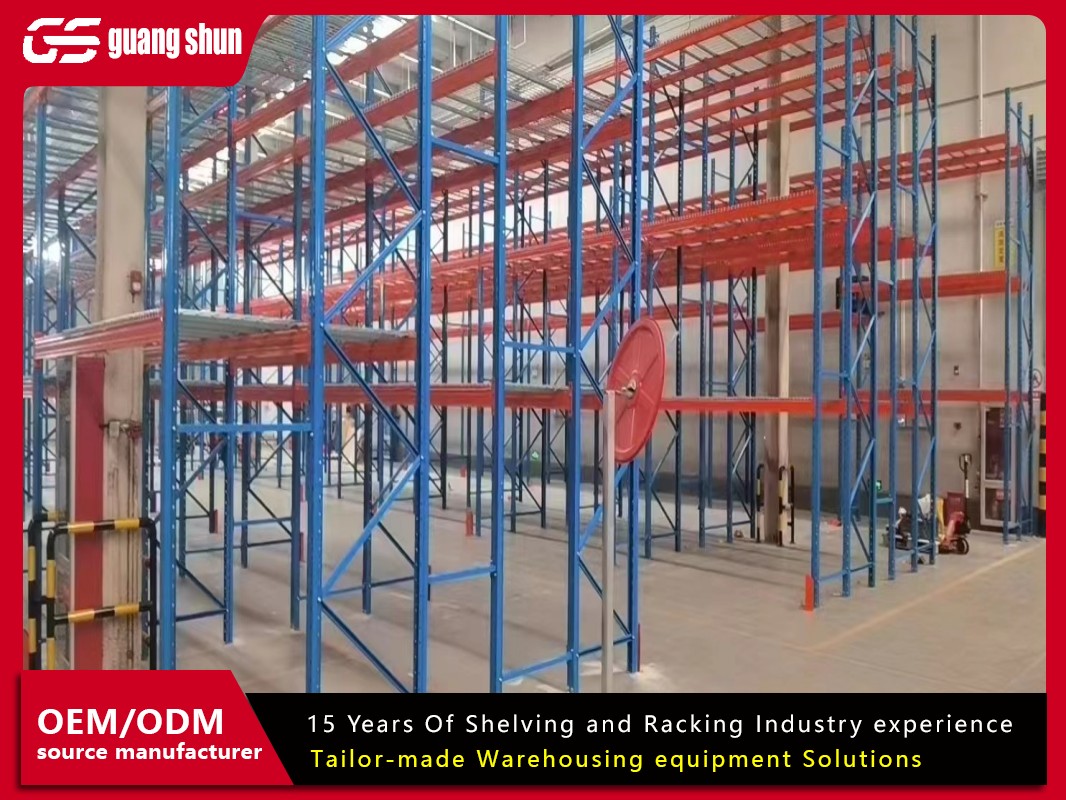
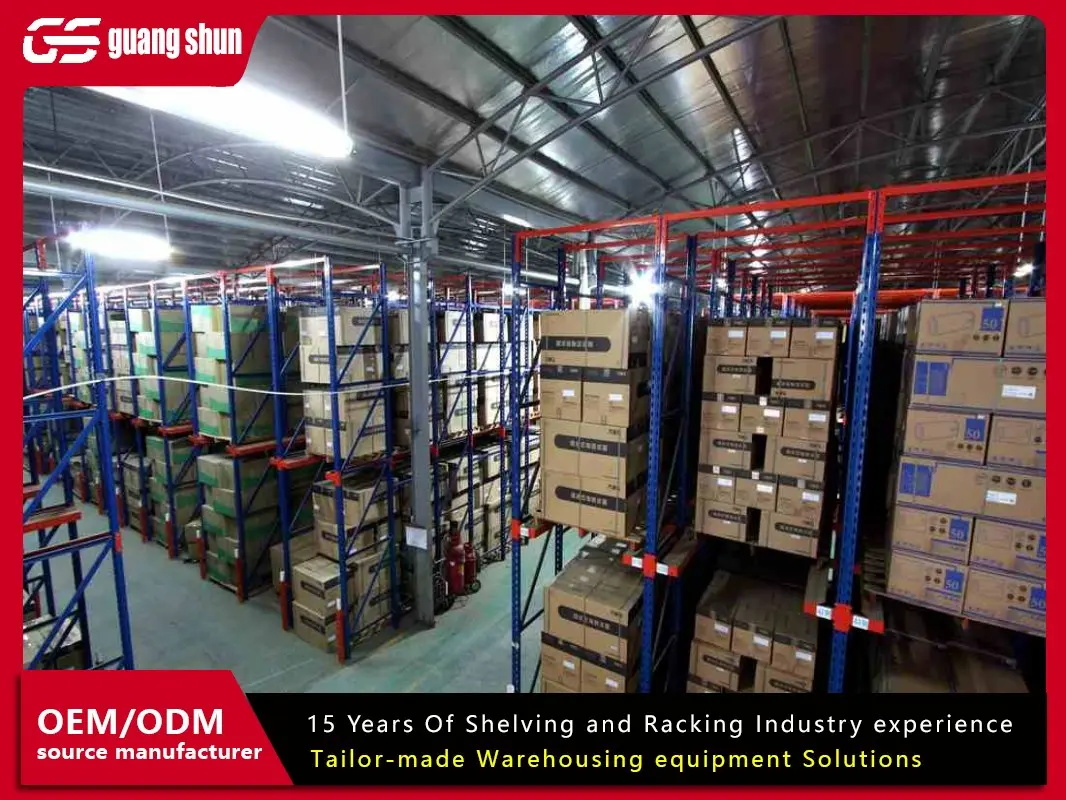
For any warehouse, strong and reliable storage is a necessity. Structural steel racking forms the backbone of many industrial storage operations. This system provides the strength needed to support heavy loads safely and efficiently.
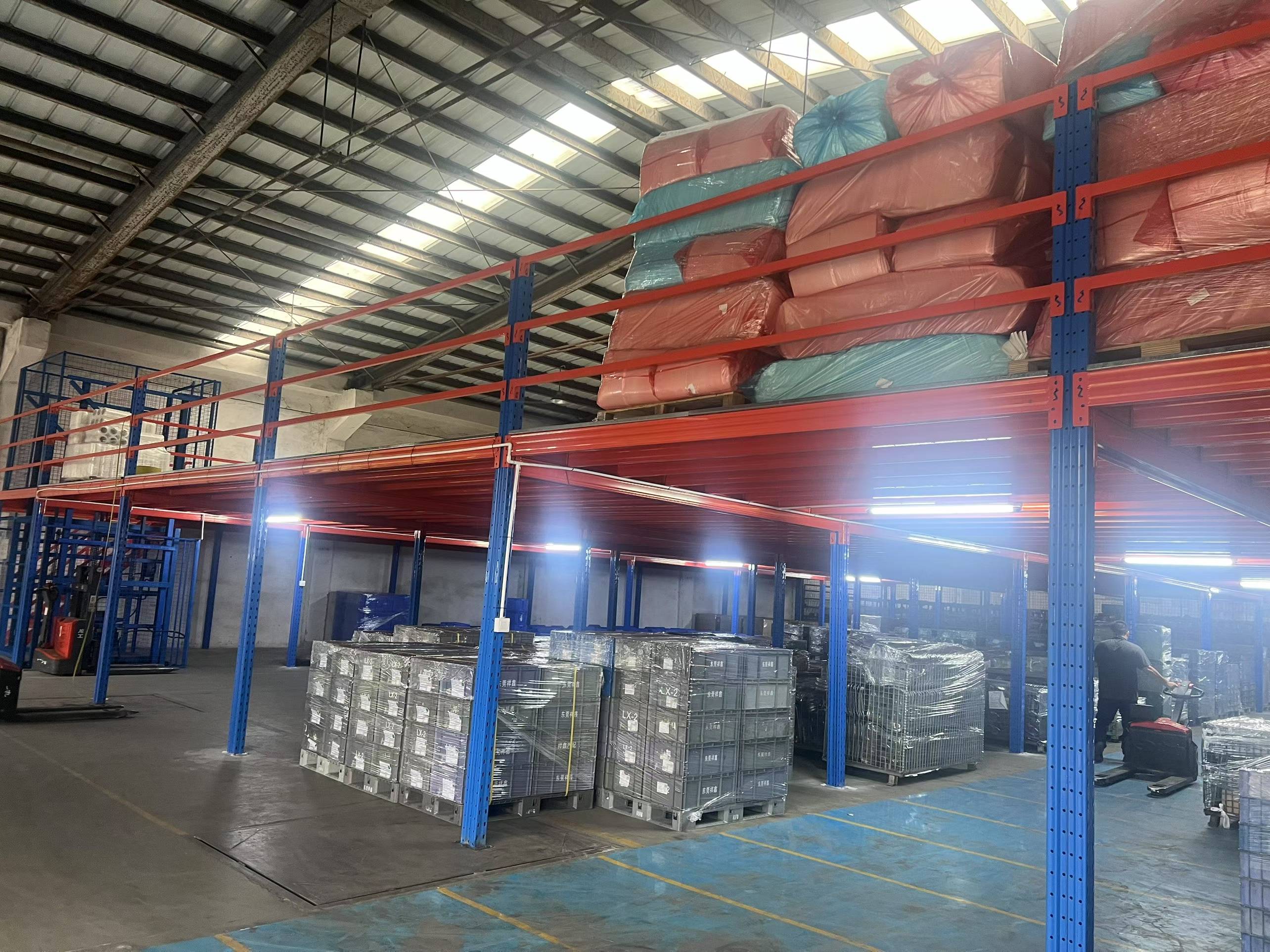
This racking is built from rolled steel sections. These sections are bolted together to create a rigid frame. The design focuses on carrying maximum weight while using minimal floor space.
It differs from lighter shelving units. Structural steel racking is engineered for palletized loads. It handles the demands of forklift traffic and heavy inventory.
Primary Components: Upright frames, horizontal beams, and bracing.
Key Feature: High load-bearing capacity.
Common Use: Bulk storage in distribution centers and manufacturing plants.
Choosing structural steel racking offers several practical benefits. These advantages impact safety, cost, and long-term operations.
The primary benefit is exceptional strength. Steel can support thousands of pounds per level.
Designed for uniform and concentrated loads.
Resists bending and deformation over time.
Ideal for storing dense, heavy products.
Steel is a resilient material. Properly maintained racking can last for decades.
Resists impact from forklifts better than other materials.
Can be repainted or refinished if surface damage occurs.
Performs consistently in various industrial environments.
A well-installed system provides a secure storage environment. Stability is critical for worker safety.
Engineered to meet regional safety standards.
Proper bracing prevents sway and collapse.
Safety locks on beams prevent accidental dislodging.
Several popular designs fall under the category of structural steel racking. The choice depends on your inventory and operational flow.
This is the most widely used type. It allows direct access to every pallet.
Simple design with upright frames and beams.
Perfect for warehouses with a wide variety of SKUs.
Offers excellent accessibility and flexibility.
This system maximizes storage density. Forklifts drive directly into the rack structure.
Uses a last-in, first-out (LIFO) inventory method.
Ideal for storing large quantities of similar products.
Reduces the number of aisles, increasing storage space.
Push back systems offer a balance of density and selectivity. Pallets are stored on nested carts.
Each lane stores multiple pallets deep.
When a pallet is removed, the next one rolls forward.
Provides better selectivity than drive-in systems.
Selecting the appropriate structural steel racking requires careful planning. Consider these factors before making a decision.
Your inventory characteristics dictate the best racking style.
Product Size & Weight: Determine the required beam capacity.
Turnover Rate: Fast-moving goods need high accessibility.
SKU Count: High variety often favors selective racking.
The physical warehouse layout sets practical limits.
Measure clear ceiling height to utilize vertical space.
Check floor strength to ensure it can support loaded racks.
Plan aisle widths based on your forklift models.
Think about both immediate costs and long-term scalability.
Drive-in systems may have a higher upfront cost per pallet position.
Selective racking is easier and cheaper to reconfigure later.
Factor in potential business growth and changing inventory.
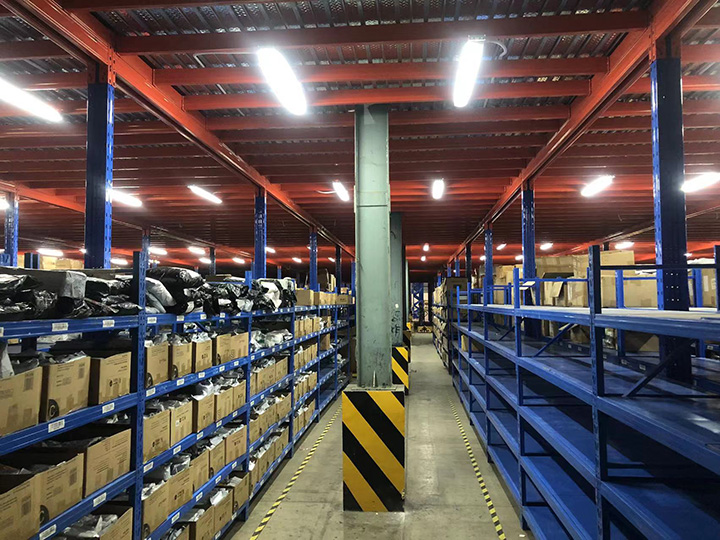
Proper setup and care are crucial for any structural steel racking system. They ensure safety and extend service life.
Installation should be handled by qualified technicians. Correct assembly is non-negotiable for safety.
Ensures all bolts are torqued to specification.
Guarantees the rack is perfectly plumb and level.
Includes proper anchoring to the concrete floor.
A regular inspection schedule helps identify damage early.
Look for dents, bends, or cracks in uprights and beams.
Check that beam safety locks are engaged and functional.
Ensure floor anchors remain tight and secure.
Immediately replace any damaged component. Do not attempt to straighten bent steel.
Investing in the right storage infrastructure is vital for operational efficiency. Structural steel racking offers a proven, robust solution for heavy-duty storage needs. By understanding the types, benefits, and selection criteria, you can implement a system that improves safety and productivity for years to come.
Q1: How much weight can structural steel racking typically hold?
A1: Load capacity varies by design and component size. Standard selective pallet racking beams can often hold between 2,000 to 5,000 pounds per level. Always consult engineering specifications from the manufacturer for exact ratings.
Q2: Can structural steel racking be customized for unusual warehouse layouts?
A2: Yes, one of its strengths is adaptability. Manufacturers can customize beam lengths, upright heights, and frame depths to fit around columns, machinery, or irregular wall shapes, making efficient use of all available space.
Q3: What is the difference between roll-formed and structural steel racking?
A3: Roll-formed racking is made from lighter steel bent into shape, suitable for lighter loads. Structural steel racking uses hot-rolled steel columns and beams with a higher weight capacity, designed for heavier industrial use.
Q4: How often should I inspect my steel racking system?
A4: Formal inspections by a qualified person should occur at least annually. However, visual checks by warehouse staff should be conducted more frequently, ideally once per month or after any impact from equipment.
Q5: Are there specific fire safety considerations for structural steel racking?
A5: While steel is non-combustible, the stored materials pose the fire risk. Rack design should consider local fire codes, which may require sprinklers to be installed at different levels within the rack structure itself to ensure proper coverage.

 Wechat
Whatsapp
Wechat
Whatsapp