In storage and warehousing, finding the right system to handle long, bulky items can be challenging. Cantilever metal shelving provides a reliable solution with its unique design. This article covers the key aspects of this shelving type, from basics to practical advice.
Understanding Cantilever Metal Shelving
Cantilever metal shelving is a storage system featuring arms that extend from vertical columns. It lacks front posts, allowing full access to stored items. This design is common in industries storing lengthy materials.
Design and Structure Basics
The system relies on a simple yet strong framework. Upright columns support horizontal arms, which hold shelves. This setup maximizes front accessibility.
Columns are typically made of heavy-duty steel.
Arms can be adjusted to different heights.
Shelves are often wire grids or solid panels.
Materials and Construction
Most cantilever shelving uses steel for durability. It is coated to resist rust and wear. This ensures longevity in various environments.
Galvanized or powder-coated finishes are common. They protect against moisture and chemicals. This makes cantilever metal shelving suitable for harsh conditions.
Advantages of Cantilever Metal Shelving
This shelving offers multiple benefits for storage management. Its design improves efficiency and safety in many settings.
Space Efficiency and Accessibility
With no front obstructions, items are easy to reach. This reduces time spent loading and unloading. It is ideal for storing pipes, lumber, or carpets.
Maximizes floor space usage.
Allows for flexible storage configurations.
Supports quick inventory checks.
Durability and Load Capacity
These shelves handle heavy weights without bending. Steel construction ensures stability. Load capacities vary but often exceed 1000 pounds per arm.
Properly installed cantilever metal shelving lasts for years. It requires minimal maintenance. This reduces long-term costs.
Applications in Various Industries
Cantilever metal shelving is versatile. It serves many sectors needing organized storage for long items.
Warehousing and Logistics
Warehouses use it for storing building materials. It keeps items like metal rods or plastic tubes accessible. This speeds up order fulfillment.
Logistics centers benefit from its adaptability. Shelves can be reconfigured as needs change. This supports dynamic inventory management.
Retail and Commercial Use
Retail stores shelve long products such as rugs or curtains. The open design helps customers view items easily. It also optimizes backroom storage.
Useful for home improvement stores.
Supports display of oversized goods.
Enhances store organization.
How to Select the Right Cantilever Metal Shelving
Choosing the correct system depends on several factors. Consider your space, items, and budget for the best fit.
Assessing Load Requirements
Determine the weight and size of items to store. Check the shelving's rated capacity. Overloading can cause damage or accidents.
Heavy-duty cantilever metal shelving is available for industrial use. Lighter options suit commercial applications. Always follow manufacturer guidelines.
Considering Space and Layout
Measure the available area before purchase. Plan for aisle space and access points. Adjustable arms allow customization to fit your layout.
Account for ceiling height.
Ensure clear pathways for safety.
Use layout software for planning.
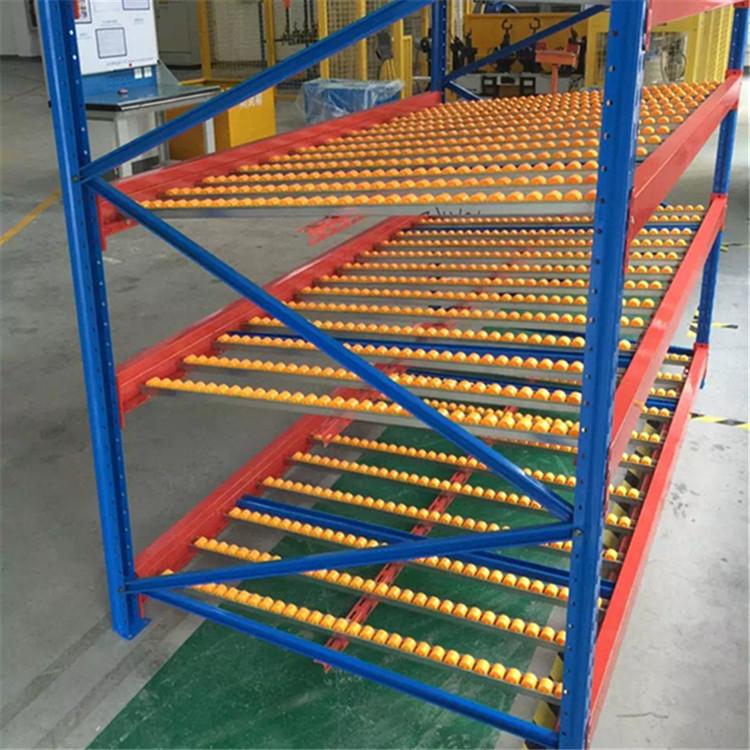
Installation and Maintenance Guidelines
Proper setup extends the life of your shelving. Follow steps to ensure stability and performance.
Step-by-Step Installation Tips
Start by assembling columns and bases. Secure them to the floor for stability. Attach arms at desired heights, then add shelves.
Use tools like levels to check alignment. Tighten all bolts securely. Regular inspections prevent loosening over time.
Maintenance Best Practices
Clean shelves periodically to remove dust. Inspect for rust or damage, especially in humid areas. Repair any issues promptly.
Cantilever metal shelving requires little upkeep. Lubricate moving parts if adjustable. Avoid harsh chemicals that damage coatings.
Cantilever metal shelving is a practical choice for many storage needs. Its design boosts accessibility and durability. By selecting the right system and maintaining it well, you can improve operational efficiency. Consider this shelving for long-item storage solutions.
Frequently Asked Questions (FAQ)
Q1: What is the typical lifespan of cantilever metal shelving?
A1: With proper care, cantilever metal shelving can last 10-20 years. Steel construction and protective coatings help resist wear.
Q2: Can cantilever shelving be used outdoors?
A2: Yes, if it has weather-resistant coatings. Galvanized steel shelves are best for outdoor use. Regular checks for rust are advised.
Q3: How do I adjust the arms on cantilever shelving?
A3: Most systems have pins or bolts for adjustment. Loosen them, move arms to new heights, and retighten. Refer to the manual for specifics.
Q4: What items are not suitable for cantilever shelving?
A4: Avoid storing very small or loose items that may fall through wire shelves. Also, ensure weight limits are followed for safety.
Q5: Is professional installation required for cantilever metal shelving?
A5: Not always; many systems are designed for DIY installation. However, for heavy-duty or large setups, professional help ensures stability and safety.