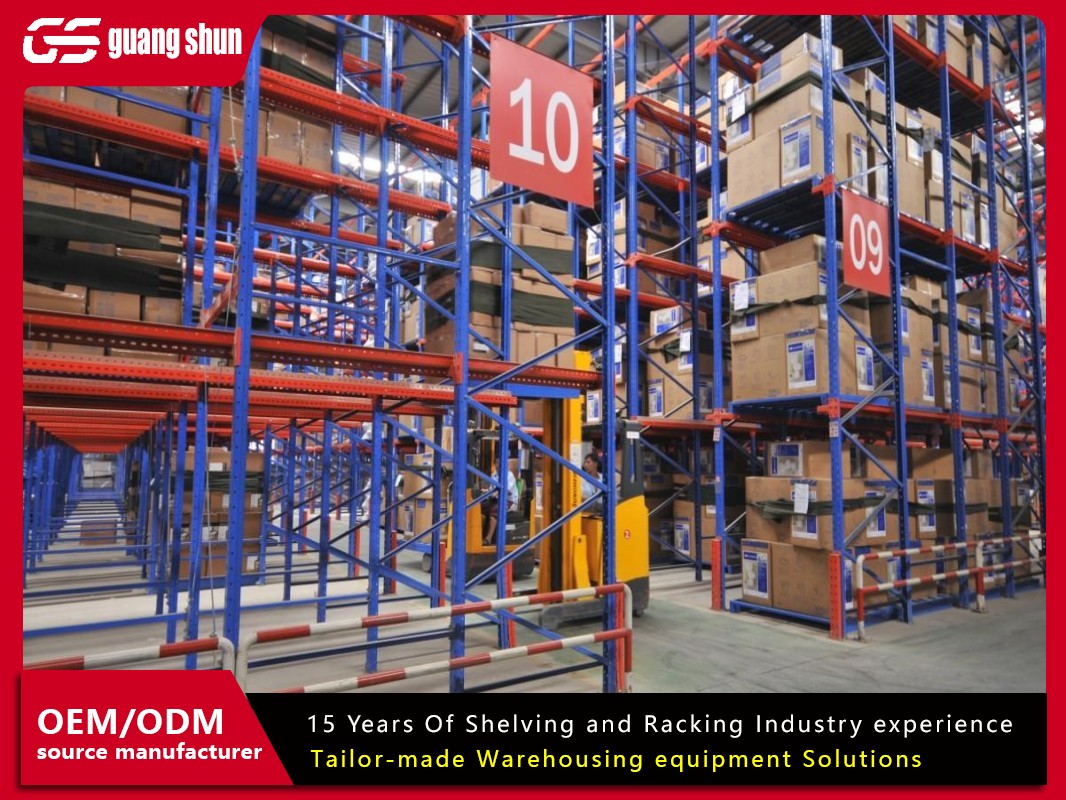
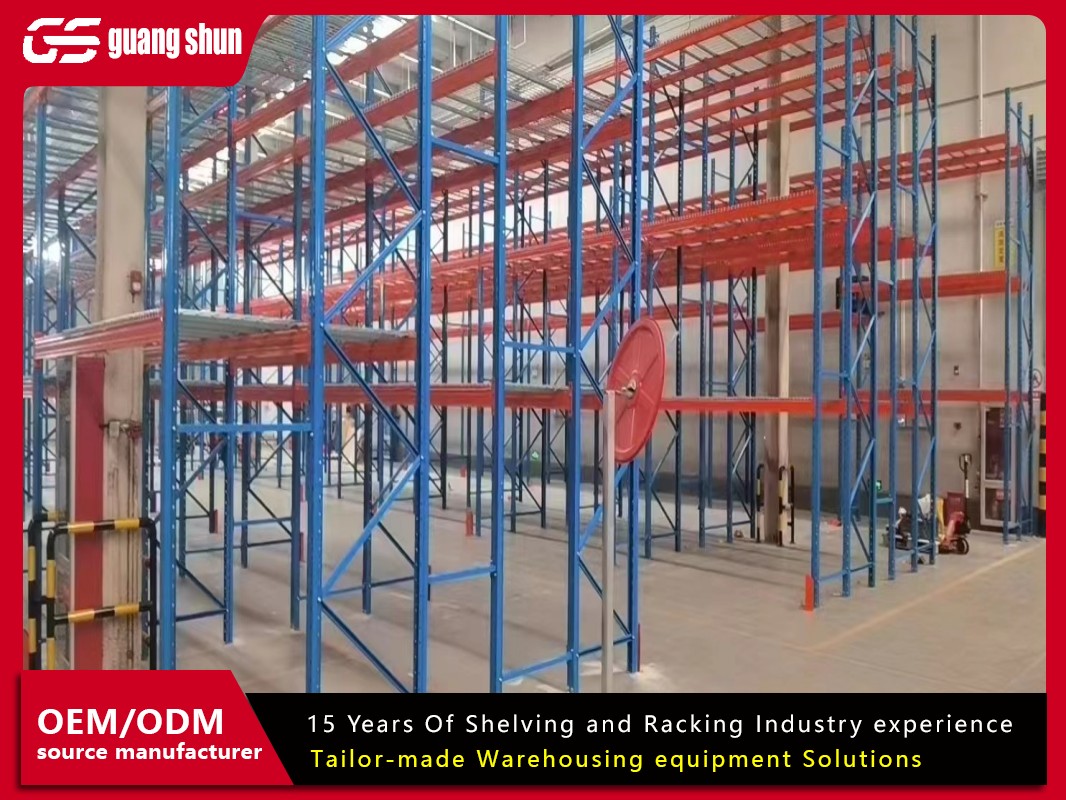
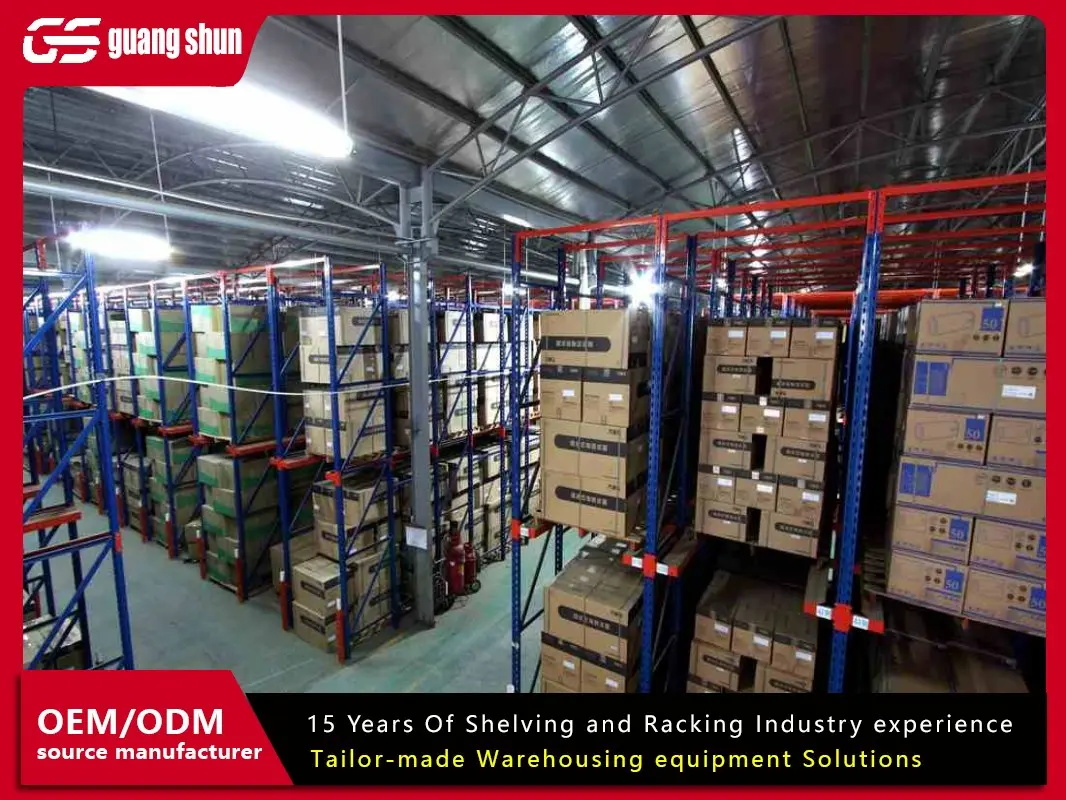
In modern warehousing and distribution centers, the steel structure that supports inventory is not merely a passive component—it is the backbone of operational throughput, safety compliance, and space utilization. Selecting the wrong storage medium leads directly to increased damage rates, inefficient cube usage, and elevated labor costs. The engineered solution that dominates this space is the industrial palletracks system. When properly specified, these systems transform a warehouse from a cost center into a strategic asset. For over a decade, Guangshun has provided high-grade structural solutions that meet the rigorous demands of automotive logistics, third-party logistics (3PL), and high-turnover retail distribution. This article dissects the engineering criteria, application-specific configurations, and lifecycle management principles that define a high-performance palletracks installation.
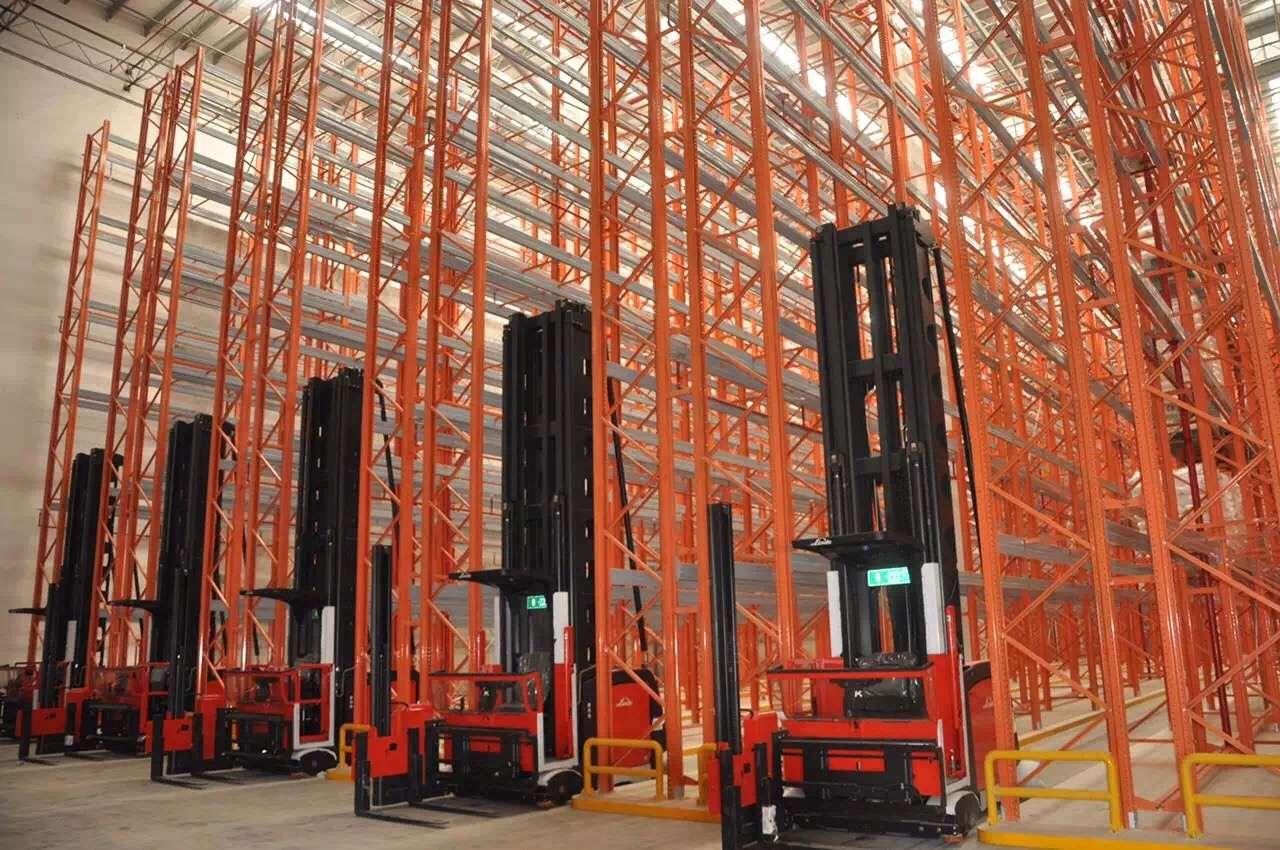
The most common mistake in warehouse planning is treating load capacity as a single, static number. In reality, a palletracks frame operates under combined stresses: vertical loads from pallets, horizontal seismic forces, and dynamic impact from material handling equipment. A robust system must account for both the beam capacity and the column capacity under eccentric loading conditions.
The connection point is the most stressed component. Traditional teardrop or keyhole connections rely on precision-stamped steel tabs. However, for high-cycle facilities (exceeding 500 forklift transactions per day), boltless connections can experience fretting wear. High-performance palletracks systems utilize:
Double-safety locking pins: These prevent beam dislodgment under uneven load distribution, which often occurs when forklift operators place pallets at an angle.
Structural channel beams: Unlike standard box beams, structural channel profiles with integral welded load blocks provide higher resistance to torsional twisting, especially in deep-reach applications.
Column base plates: A minimum thickness of 0.375 inches with four-anchor patterns ensures that the moment forces are properly transferred to the floor slab, preventing column-base fatigue.
Selecting the correct palletracks architecture requires a granular analysis of inventory velocity, pallet types, and retrieval frequency. Different configurations yield vastly different storage densities and pick efficiencies.
Selective racking offers 100% accessibility to every pallet position. While it provides the lowest density (approximately 35-45% cube utilization), it delivers the highest SKU velocity. For facilities with over 5,000 active SKUs, selective palletracks remains the standard. However, to maximize efficiency, engineers must calculate the optimal beam level spacing. For example, storing mixed pallet heights (48-inch vs. 72-inch) without wasted airspace requires a stepped beam configuration, which can recover up to 15% additional vertical space compared to uniform beam spacing.
For homogeneous, high-volume inventory (e.g., beverage distribution, bulk commodities), drive-in palletracks structures eliminate aisles, achieving up to 80% space utilization. The engineering challenge here is structural stability. Because drive-in systems lack cross-aisle bracing, they rely on heavier column profiles (often 4.0 mm to 5.0 mm steel thickness) and robust rail connectors. Seismic zones require specialized “sway bracing” integrated into the rear of the structure to prevent progressive collapse. Facilities utilizing this configuration typically see a 60% reduction in square footage per pallet position compared to selective systems.
Warehouse operators consistently report three primary risks: structural damage from forklift collisions, seismic vulnerability, and rack instability due to overloading. Addressing these requires a combination of design foresight and strict operational protocols.
According to industry loss prevention data, over 35% of rack repairs stem from lift truck impacts. High-quality palletracks installations incorporate sacrificial elements:
Column guards: Removable steel shields that absorb impact energy, preventing deformation of the main column. A correctly designed guard should be anchored independently of the column to prevent transferring shock loads to the structure.
End-of-aisle protectors: Concrete-filled steel bollards placed 3 feet from the rack face create a deflection zone.
Frame spacing optimization: Increasing bay widths to 9 or 10 feet reduces the density of columns, thereby reducing potential impact points by 20%.
In seismic regions (Seismic Design Categories C through F), palletracks must comply with ASCE 7 and RMI (Rack Manufacturers Institute) specifications. This involves:
Base plate welding: Instead of bolted base plates, seismic systems require full-penetration welds to shims, ensuring ductile behavior during ground motion.
Horizontal diagonal bracing: Placed at every other bay, this bracing converts the rack into a rigid frame, preventing “parallelogramming” during seismic events.
Load zone separation: Seismic codes often require the use of “seismic separation joints” between independent rack rows to prevent pounding.
The decision to invest in a new palletracks infrastructure should be evaluated through a total cost of ownership (TCO) lens, not just initial fabrication costs. Premium systems from manufacturers like Guangshun demonstrate superior lifecycle value through three key metrics:
Maintenance Cost Reduction: Hot-dip galvanized or high-grade powder-coated finishes (70-80 micron thickness) resist corrosion and abrasion, reducing repainting and repair cycles by 50% over a 10-year period.
Labor Efficiency Gains: A well-configured selective rack system reduces travel time per pick. With optimal beam placement and aisle width (typically 11 to 12 feet for counterbalanced forklifts), facilities report a 12-18% improvement in units picked per man-hour.
Reconfiguration Flexibility: Systems that utilize bolt-together components (rather than welded frames) allow for future reconfiguration. As SKU profiles change, beams can be moved, and frames can be relocated without purchasing new steel, deferring capital expenditure.
The best-engineered palletracks will underperform if installation tolerances are not strictly maintained. Industry standard RMI 2020 specifies that column plumbness must be within 1/500th of the height. For a 30-foot tall rack, this means a maximum deviation of 0.72 inches. Professional installation crews employ:
Laser alignment tools: To ensure that column centerlines are perfectly vertical and that beam levels are consistent across the entire row.
Floor flatness verification: Before installation, floor flatness (F-numbers) must be assessed. Variations exceeding Ff 35 (flatness) and Fl 25 (levelness) require the use of adjustable shims under base plates to prevent torsional stress on the frame.
Torque verification protocols: All bolted connections, particularly beam-to-column and column splice bolts, must be torqued to manufacturer specifications (typically 150-250 ft-lbs depending on bolt grade) and verified with calibrated torque wrenches.
As warehouses evolve toward automation, the palletracks structure must support semi-automated and fully automated storage and retrieval systems (AS/RS). This shift requires higher precision than conventional racking.
For AGV-compatible systems, the racking must maintain aisle widths within ±1/4 inch tolerance over the entire length of the aisle. This demands the use of precisely fabricated floor channels and alignment plates. Additionally, floor-embedded magnets or laser targets must be integrated into the rack base design to provide navigation references for AGVs.
Modern palletracks are increasingly being specified with integrated load sensors. These weight-sensing beam systems provide real-time inventory monitoring, alerting warehouse management systems (WMS) to occupancy levels and potential overload conditions. This digital integration reduces cycle counting labor by up to 40% and prevents overloading that could lead to structural failure.
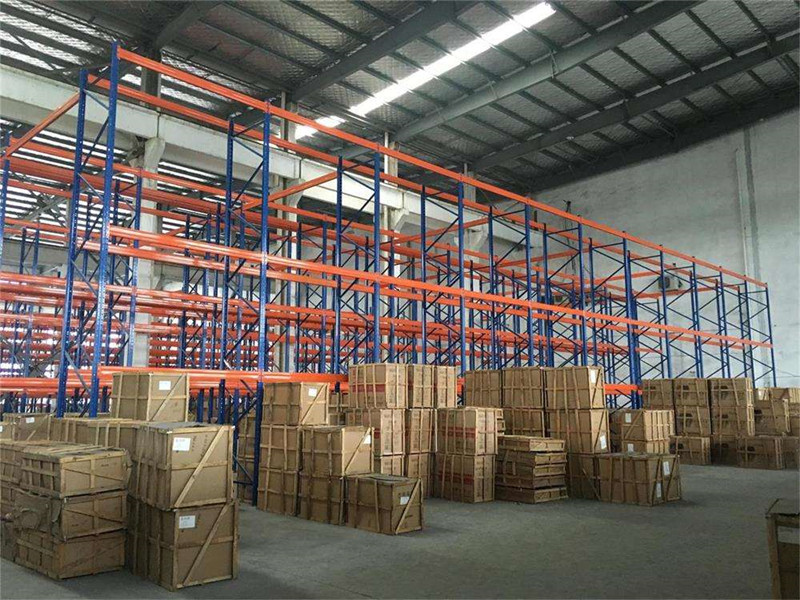
Maintaining structural integrity after installation requires a rigorous inspection regimen. Industry best practices dictate that palletracks undergo formal inspections at intervals no longer than 12 months, with high-impact areas inspected quarterly. The inspection checklist should include:
Column damage: Any bend exceeding 1/4 inch in depth requires immediate unloading and structural analysis.
Beam deflection: Vertical deflection should not exceed L/180 of the beam span. Excessive deflection indicates overloading or fatigue.
Anchor bolt torque: A random sampling of anchor bolts should be tested annually to ensure they have not loosened due to vibration or floor settlement.
Guangshun provides detailed inspection manuals and post-installation support to ensure that their palletracks systems maintain safety ratings throughout their operational lifespan.
A1: Boltless palletracks utilize stamped steel connectors (teardrop or keyhole) that allow beams to snap into place without tools, offering quick installation and adjustability. Bolted structural rack uses heavy-duty steel bolts and welded components, providing higher rigidity and load capacity—typically exceeding 25,000 lbs per frame. Bolted systems are mandatory for seismic zones (SDC D and above) and for integration with automated machinery where precise tolerances are required.
A2: Beam capacity is determined by the beam's section modulus, steel grade, and span length. You must calculate the total distributed load (pallet weight + pallet weight) per beam level. A common error is assuming a beam rated for 5,000 lbs can handle a single 4,000 lb point load; however, beam capacities are typically rated for uniformly distributed loads (UDL). For concentrated loads (e.g., a single heavy pallet), the effective capacity can be 20-30% lower. Always consult the manufacturer’s load charts and apply a safety factor of 1.5 for dynamic loads.
A3: Mixing components from different manufacturers is strongly discouraged unless the components are RMI-certified as interchangeable. Beam-to-column connections are proprietary. Using a beam from Manufacturer A on a column from Manufacturer B creates a risk of disengagement under load, as the locking mechanisms may not align or engage fully. For system integrity and liability reasons, all components of a palletracks structure should be sourced from a single manufacturer, such as Guangshun, to ensure engineering compatibility.
A4: With proper specification, installation, and maintenance, a heavy-duty palletracks system can have a lifespan of 25 to 40 years. The primary variables are the quality of the steel coating (to prevent corrosion) and the level of impact damage. Facilities that use column protectors and enforce strict forklift speed limits often achieve the full lifecycle. Regular repainting of scratched surfaces and immediate repair of damaged columns are critical to achieving maximum lifespan.
A5: Anchoring requirements depend on the rack height, load, and seismic zone. Standard applications require 5/8-inch to 3/4-inch diameter wedge anchors embedded a minimum of 4.5 inches into a 6-inch thick reinforced concrete slab with a minimum compressive strength of 3,000 psi. In high-seismic zones, epoxy anchors are mandatory because they provide consistent bond strength even in cracked concrete. The number of anchors per column base—typically two to four—must be calculated to resist the overturning moment induced by the maximum intended load plus seismic forces.
For a detailed site-specific engineering assessment and load configuration analysis, consult the technical team at Guangshun to ensure your pallet rack infrastructure aligns with operational throughput goals and regulatory safety standards.

 Wechat
Whatsapp
Wechat
Whatsapp