Storing long, bulky, or irregularly shaped items in a warehouse often poses a unique challenge. Traditional pallet racking simply cannot accommodate these items efficiently. This is where warehouse cantilever racking systems become an indispensable solution.
If you handle materials like pipes, timber, furniture, or rolls of fabric, you need a storage system designed for their specific requirements. Cantilever racking offers the open access and flexibility that other systems lack.
This article details how these systems work, their key advantages, and what to consider when implementing them in your storage facility.
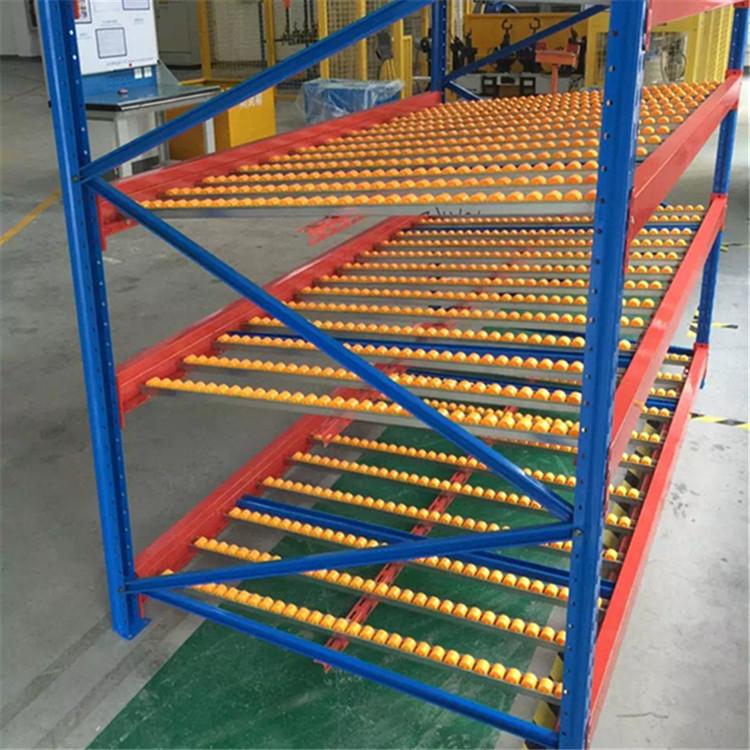
Warehouse cantilever racking systems are a type of storage system designed specifically for long, heavy, or awkwardly shaped items. Unlike standard shelving, they feature a series of vertical columns (uprights) with arms that project out horizontally.
These cantilever arms are the defining feature. They create unobstructed access along the entire length of the stored item. There are no front columns to get in the way of loading and unloading.
The core components include upright columns, a sturdy base, cantilever arms, and arm locking devices. The arms can be easily adjusted or removed to accommodate items of different sizes and weights.
Understanding the parts of a cantilever system helps in planning and selection. The main components work together to provide strength and flexibility.
Upright Columns & Base
These are the vertical support structures. They are typically heavy-duty steel and are anchored securely to the floor. A wide, robust base provides stability, especially for tall systems carrying heavy loads.
Cantilever Arms
These horizontal beams attach to the uprights at various heights. They are available in different lengths and capacities to suit various storage needs. Items rest directly on these arms.
Arm Locking Mechanisms
Safety is paramount. Arms securely lock into the upright columns to prevent accidental dislodgement during loading or seismic activity. Different locking styles offer varying levels of security and ease of adjustment.
System Variations
There are two primary configurations for warehouse cantilever racking systems. Single-sided systems are placed against a wall. Double-sided systems have arms extending from both sides of a central column row, maximizing floor space utilization.
Implementing the right storage system can transform warehouse operations. Cantilever racking provides several distinct benefits that directly impact efficiency and cost.
Unobstructed Access
The absence of front columns allows for the entire length of a stored item to be accessed directly. This makes loading and unloading with forklifts or cranes faster, safer, and easier.
Exceptional Flexibility
Arm height and position are fully adjustable. You can easily reconfigure the system as your inventory changes. This adaptability makes it a long-term, scalable storage solution.
Optimized Space Utilization
These systems are perfect for high-bay storage, making excellent use of vertical cube space. They can store items that would otherwise consume valuable floor area inefficiently.
Durability and High Weight Capacity
Engineered for heavy loads, industrial-grade cantilever racks can handle immense weight. They are built from high-strength steel to ensure safety and longevity in demanding environments.
Improved Safety and Organization
By providing a dedicated, structured space for long items, cantilever systems reduce clutter and leaning stacks. This organized approach minimizes product damage and enhances workplace safety.
Warehouse cantilever racking systems are not a one-size-fits-all solution. They excel in specific industries and for particular material types.
Commonly stored items include:
Any business that deals with non-palletized, lengthy inventory is a prime candidate for this storage method.
Selecting the correct system requires careful analysis of your specific needs. A poorly specified system can be unsafe or inefficient.
Assess Your Inventory
Start by evaluating the items you need to store. Determine their maximum length, weight, and quantity. Consider future inventory changes to ensure the system can adapt.
Determine Load Capacity
Calculate the total weight each arm and upright column must support. Always choose a system with a rated capacity exceeding your maximum expected load. This includes considering dynamic loads during placement.
Plan for Dimensions and Adjustability
Choose arm lengths that properly support your items. Ensure the vertical spacing between arms allows for easy insertion and removal. A system with easy-to-adjust arms offers the greatest long-term value.
Consider Site and Access Requirements
Evaluate your warehouse layout, ceiling height, and aisle widths. Ensure there is adequate space for the equipment (like forklifts with boom attachments) needed to store and retrieve items safely.
Prioritize Safety and Compliance
Always source systems that meet relevant industrial safety standards. Ensure proper installation, which often requires professional anchoring to the floor. Regular inspections are crucial for ongoing safety.
Proper setup and care are essential for the performance and safety of your warehouse cantilever racking systems.
Professional installation is highly recommended. Installers ensure the uprights are perfectly plumb and securely anchored to withstand operational and seismic forces. They will also verify that all arm locks are correctly engaged.
Once operational, a routine inspection and maintenance schedule is vital. Check for any visible damage, corrosion, or bent components. Ensure all arms are properly locked and that loads do not exceed the posted capacity.
Immediately address any impact damage from machinery. Train all warehouse staff on the correct loading procedures for the cantilever racking systems to prevent accidents and system overload.
Q1: What is the main difference between cantilever and pallet racking?
A1: The core difference is access. Pallet racking has vertical front columns that support palletized, boxed, or uniform loads. Cantilever racking has no front columns, using horizontal arms instead to provide full, unobstructed access to the side of long, bulky items like pipes or timber.
Q2: How much weight can warehouse cantilever racking systems typically hold?
A2: Capacity varies greatly by design and manufacturer. Light-duty systems may hold a few hundred pounds per arm, while heavy-duty industrial systems can support several thousand pounds per arm. Always consult with a supplier to specify a system based on your exact load requirements and safety factors.
Q3: Can I install a cantilever racking system myself?
A3: It is strongly discouraged. Proper installation requires precise leveling, secure anchoring into concrete, and understanding of load dynamics and local building codes. Professional installation ensures the system is safe, stable, and performs as intended.
Q4: Are cantilever racks suitable for storing very short items?
A4: While possible, they are not ideal. Cantilever systems are designed for long-span storage. For short items, traditional shelving or pallet racking is usually more space-efficient and cost-effective. The strength of cantilever racking systems is best utilized for items that require the clear front access they provide.
Q5: How often should I inspect my cantilever racking?
A5: Conduct a formal visual inspection at least quarterly, and always after any impact from machinery. The user should perform quick visual checks before each use. A professional inspection is recommended annually or according to the manufacturer’s guidelines and local safety regulations.

 Wechat
Whatsapp
Wechat
Whatsapp