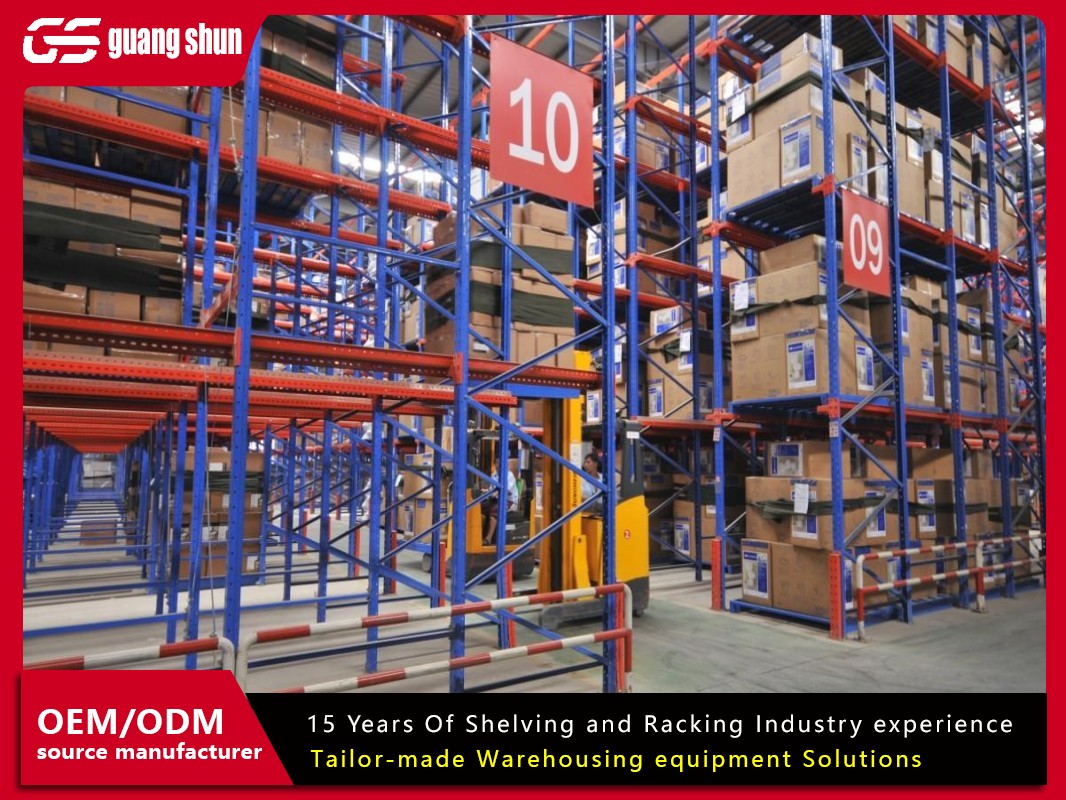
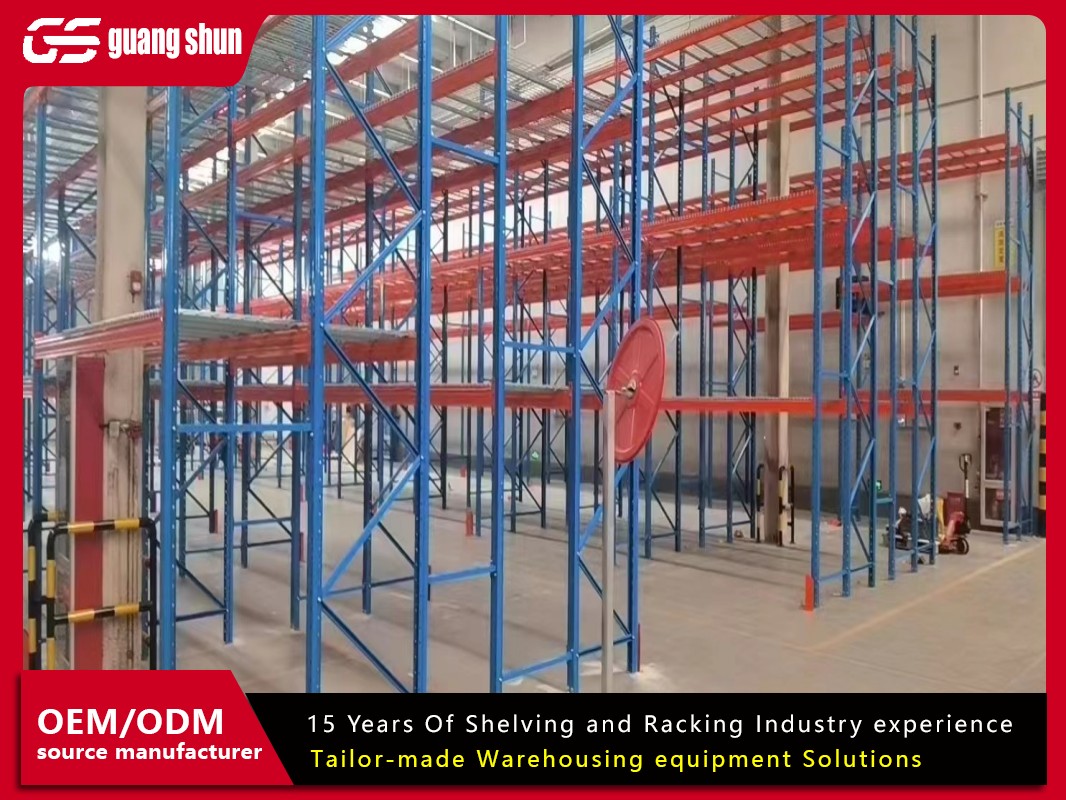
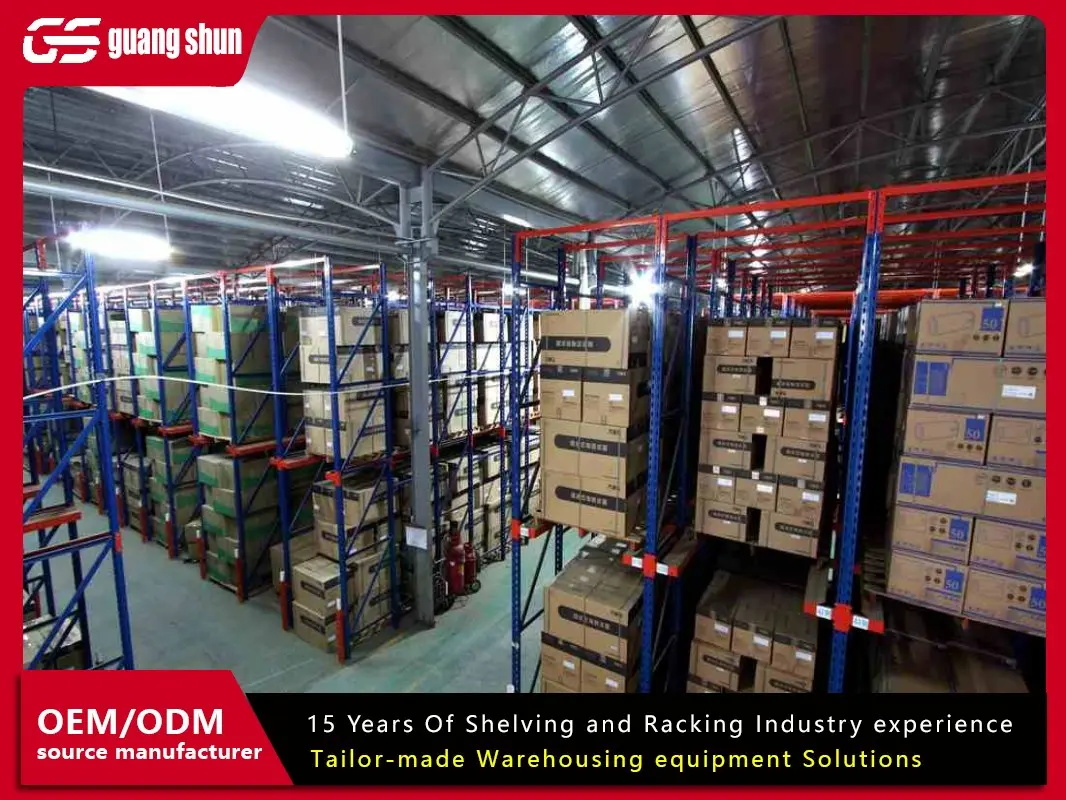
If you're looking to organize your warehouse, you've likely searched for warehouse metal storage racks. It's a common starting point. These systems are the backbone of efficient logistics, but the options can be overwhelming.
This article cuts through the confusion. We'll walk through the main types of metal racking, key selection factors, and what you really need to know before buying.
Warehouse operations demand strength, durability, and flexibility. Metal storage racks deliver on all three. Steel is the material of choice for its incredible strength-to-weight ratio.
These systems transform empty space into organized, accessible storage. They allow you to store goods vertically, making full use of your building's height. This directly increases your storage capacity without expanding your footprint.
Compared to wooden or plastic alternatives, warehouse metal storage racks offer superior load capacity and longevity. They are a long-term investment in your facility's infrastructure.
Not all racks are the same. The right type depends entirely on what you're storing and how you need to access it.
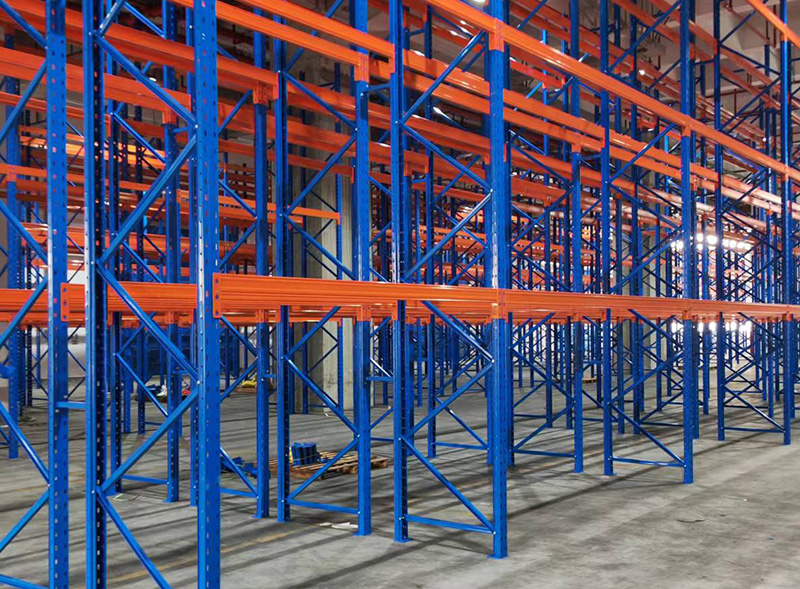
This is the most common system you'll see. It's the classic setup with upright frames and horizontal beams. Each pallet position is directly accessible by a forklift.
This makes it highly flexible and ideal for a wide range of SKUs. The metal storage rack cost for selective systems is often lower initially. It's a great general-purpose solution.
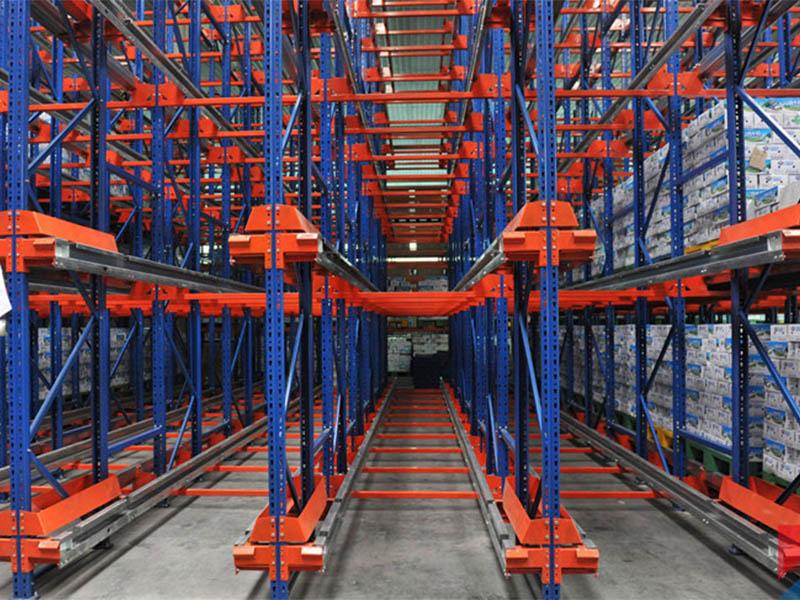
These are high-density systems. Forklifts actually drive into the rack structure to place or retrieve pallets. Drive-in racks have a single entrance; drive-through has an entrance and exit.
They are perfect for bulk storage of similar items, like beverages or packaged goods. While the warehouse racking structure is more complex, it dramatically increases storage density in a given area.
Need to store long, bulky items? Cantilever racks are the answer. They feature vertical columns with horizontal arms that extend outward.
This design is ideal for pipes, lumber, furniture, or rolled materials. There are no front columns to obstruct access. The metal racking system here is designed for awkward loads that don't fit on standard pallets.
A mezzanine is essentially a raised platform installed within your warehouse. It creates a second or third level of floor space.
Underneath the mezzanine, you can install other warehouse metal storage racks. This is a powerful way to multiply usable space in facilities with high ceilings. It's a combined structure of floor and racking.
Selecting the right system requires careful thought. A wrong choice can cost you in efficiency and safety.
Assess Your Inventory. Start with your stock. What are the dimensions and weight of your pallets or items? How many SKUs do you have? Do you operate on FIFO or LIFO? Your inventory profile dictates the suitable metal storage rack type.
Understand Your Space. Measure your warehouse precisely. Note ceiling height, column locations, and door placements. The available cubic space determines how tall and deep your warehouse storage racks can be. A professional can help maximize every square foot.
Consider Your Equipment. Your forklifts and material handling equipment set the limits. The clear aisle width needed for a reach truck is far less than for a counterbalance forklift. The equipment's lift height also determines the safe maximum height of your racks.
Plan for Growth. Your warehouse racking system should accommodate future needs. Can it be easily reconfigured or expanded? Choosing a modular, scalable design from the start is more cost-effective than a complete replacement later.
Safety is the most important factor. Overloaded or improperly installed racks can fail catastrophically.
Every warehouse metal storage rack has a rated load capacity. This is the maximum weight each beam and upright frame can safely hold. It is not a suggestion—it is an absolute limit.
You must know the total weight of your palletized goods, including the pallet itself. Never exceed the manufacturer's posted capacity. Regularly inspect racks for damage, like dents or bends from impacts.
Professional installation is non-negotiable. Racks must be perfectly plumb and securely anchored to the floor. This ensures the load is distributed correctly and the system can withstand seismic or impact forces.
A good metal racking system can last decades with proper care. A simple maintenance routine is essential.
Implement a regular inspection schedule. Look for visible damage, missing or loose connectors, and ensure beam safety locks are engaged. Any damage should be addressed immediately. The damaged component should be unloaded and replaced.
Keep aisles clear and ensure rack protectors (column guards) are in place where needed. Train all forklift operators on proper handling to avoid collisions. These simple steps protect your investment in warehouse storage racks.
The price of warehouse metal storage racks varies widely. Understand what drives the cost.
The primary factors are the rack type, steel gauge (thickness), size of the system, and any special features like wire decking or step beams. More steel and heavier-duty components mean a higher cost.
Remember to budget for more than just the rack frames and beams. Costs often include:
View the purchase as a long-term capital investment. The right system pays for itself through improved efficiency, space utilization, and safety.
Q1: What is the main difference between roll-formed and structural steel racks?
A1: Roll-formed racks are made from steel coils formed into specific shapes. They are common, cost-effective, and suitable for many applications. Structural racks are made from heavier, welded steel components. They are used for extremely heavy loads or in demanding environments, and typically have a higher metal storage rack cost.
Q2: How do I know what load capacity I need for my racks?
A2: You must calculate the heaviest pallet load you will store, including the pallet's weight. Then, add a safety margin for future needs. A professional rack supplier can help assess your inventory and recommend the appropriate capacity for your warehouse metal storage racks.
Q3: Can I mix and match different types of racks in one warehouse?
A3: Absolutely. This is called a "mixed storage layout" and is very common. You might use selective racking for fast-moving items, drive-in racking for bulk wine storage, and a cantilever section for metal rods. The key is to plan the layout for smooth material flow.
Q4: Are used or refurbished warehouse storage racks a good option?
A4: They can be, if purchased carefully. Ensure you know the exact specifications and load ratings. Inspect them thoroughly for any damage or wear. Crucially, you must have all the necessary components (beams, connectors) for safe assembly. For critical, high-capacity applications, new racks are often the safer choice.
Q5: Do I need a permit or engineering approval to install warehouse racking?
A5: This depends heavily on your local building codes and the size of the installation. Very large or tall rack systems often require a permit and stamped engineering drawings. Always check with your local authority and your rack supplier. Professional installers will usually handle this permitting process for you.

 Wechat
Whatsapp
Wechat
Whatsapp