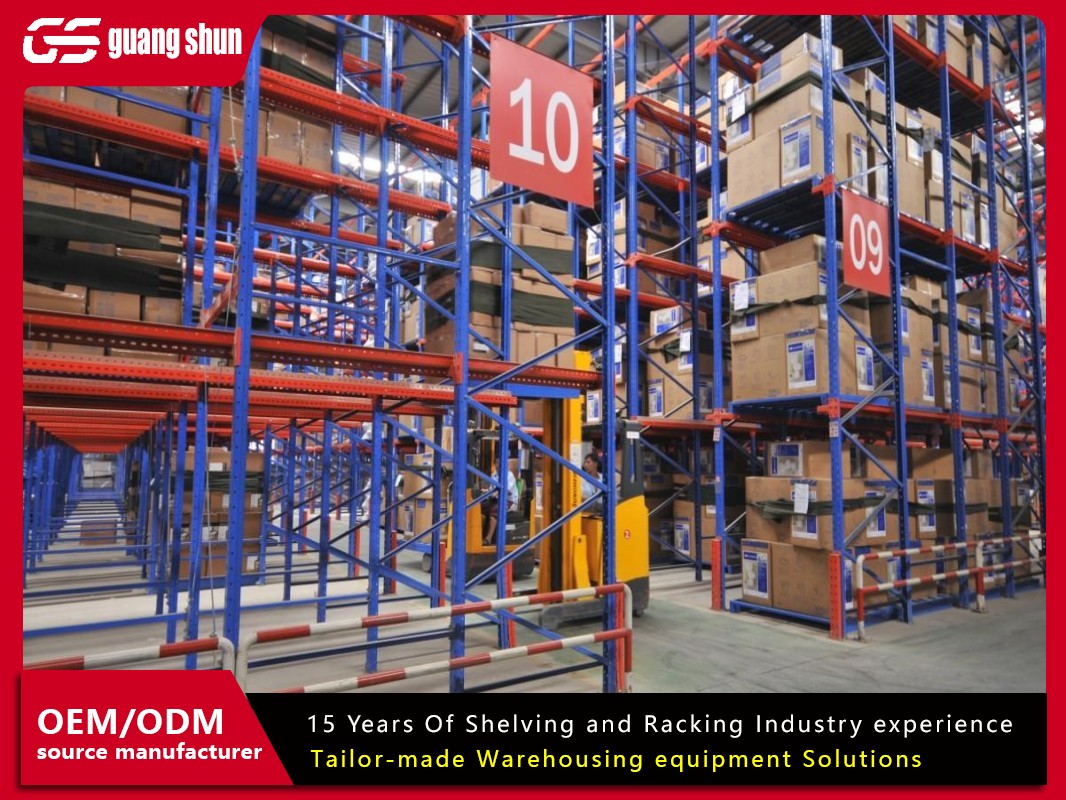
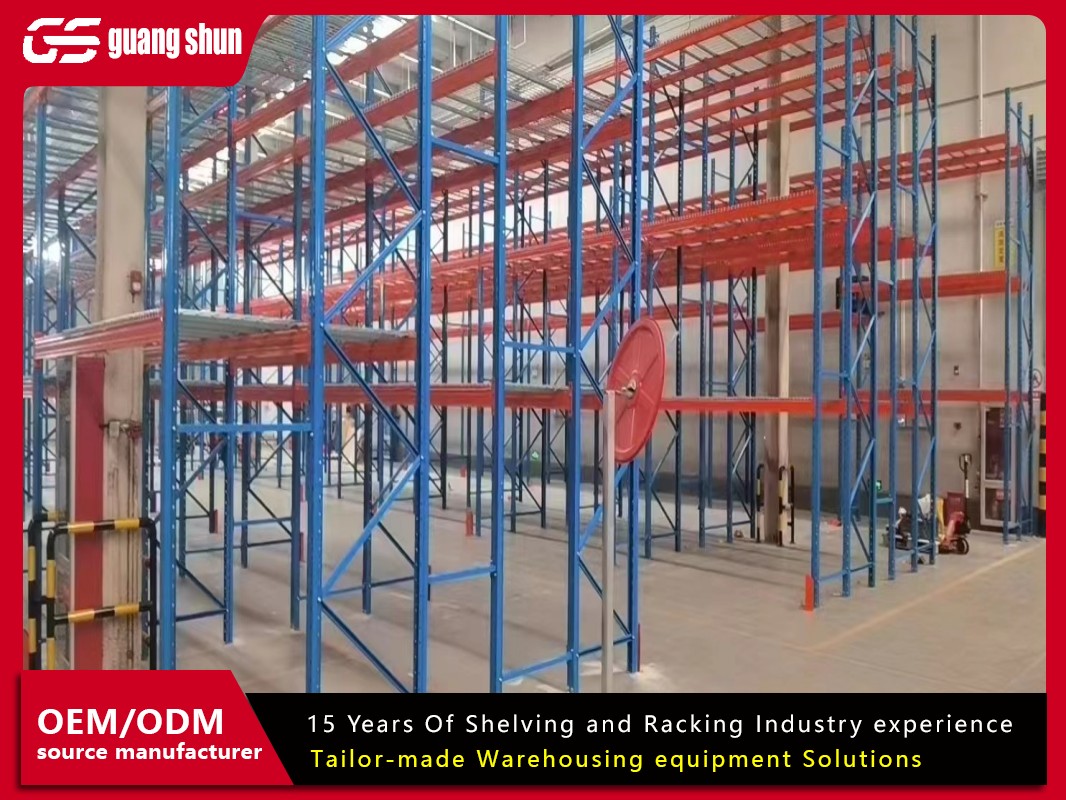
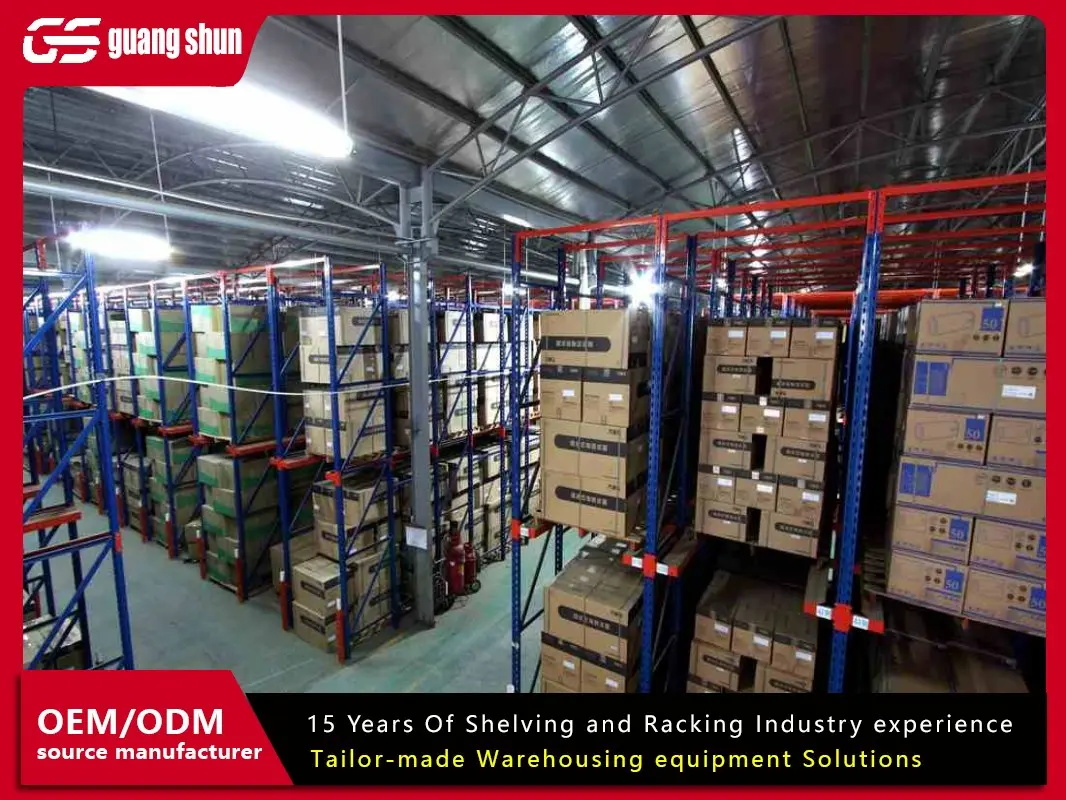
If you walk into any busy warehouse, factory, or large-scale workshop, you'll see them holding everything from engine parts to pallets of raw materials. These aren't your standard garage shelves. We're talking about industrial strength storage shelves, the backbone of organized commercial and industrial operations.
Choosing the wrong shelving unit isn't just an inconvenience. It's a safety hazard, a productivity killer, and a waste of valuable floor space. This article breaks down what makes shelving truly "industrial strength," where it's needed, and how to select a system that won't let you down.
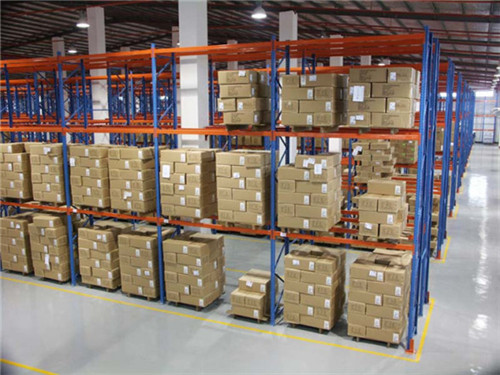
So, what exactly separates industrial strength storage shelves from consumer-grade units? It boils down to design, materials, and capacity.
These are storage systems engineered for continuous, heavy-duty use in demanding environments. They are constructed from high-grade, thick steel, often with reinforced upright frames and decking. Their load capacities are measured in the hundreds or thousands of pounds per level, not the dozens.
The term covers several specific types of heavy-duty shelving, including boltless shelving, pallet racking, and structural steel shelving, each suited for different kinds of weight and access needs.
Understanding the build quality helps you spot a truly robust system. The upright frames are the vertical pillars. Industrial versions use thick, cold-rolled steel with consistent, heavy-gauge profiles. The more holes or rivets for adjustable height, the better.
Beams or braces connect the uprights and support the shelves. Look for robust beam-to-upright connections, often with safety locks. The decking—what the actual items sit on—can be wire mesh, particle board, or solid steel. Wire mesh is popular as it's strong, allows light and air circulation, and prevents dust accumulation.
Additional safety features like column guards, end row protectors, and seismic bracing are hallmarks of professional-grade industrial storage solutions.
You'll find industrial strength shelving anywhere there's a serious storage challenge. In warehousing and distribution centers, they organize smaller parts, tools, and supplies for order picking.
Manufacturing plants use them for work-in-process storage, holding components near assembly lines. Automotive repair shops rely on them for heavy engine blocks, tires, and tool storage.
MRO (Maintenance, Repair, and Operations) rooms across all industries use these shelves to organize bulky spare parts and equipment. Any environment that demands organization under load needs this caliber of shelving.
Not all industrial strength storage shelves are the same. The main categories serve different purposes. Boltless shelving, or clip-style shelving, is extremely common. It assembles quickly without tools or bolts, using integrated clips. It's versatile for boxes, bins, and medium-weight items.
Structural shelving uses bolts and nuts at every connection. It's exceptionally sturdy and customizable, often handling the very heaviest, most irregular loads. Pallet racking is designed specifically for storing materials on pallets. While a distinct category, it represents the peak of industrial storage capacity.
Cantilever shelving is ideal for long, bulky items like piping, lumber, or molding, using arms that extend from a single central column.
Picking the right system requires a clear assessment of your needs. First, determine your load requirements. What is the maximum weight you'll place on each shelf level? Always choose a shelving unit with a rated capacity significantly higher than your planned load.
Consider the dimensions of your items. Measure the tallest, longest, and deepest items to define the necessary shelf spacing and depth. Think about your access needs. Do you need to see through the shelves? Do items require ventilation? This influences decking choice.
Evaluate the environment. Is there moisture, chemical exposure, or extreme temperatures? Some finishes, like powder-coating or galvanization, offer better corrosion resistance for harsh conditions like chemical storage or food processing.
Even the best industrial strength storage shelves can fail if installed incorrectly. Always follow the manufacturer's instructions meticulously. Ensure the unit is level and plumb. Anchor it to the floor for stability, especially for tall units or in seismic zones.
Load the shelves correctly. Heavier items should always be stored on lower levels. Never exceed the stated weight capacity per shelf. Distribute weight evenly.
Conduct regular visual inspections. Look for signs of damage, such as bent beams, sagging shelves, or loose connectors. A proactive maintenance routine is crucial for safety and longevity.
Investing in true industrial strength storage is a capital decision. While the upfront cost is higher than light-duty options, the total cost of ownership is often lower. High-quality shelves last for decades without failure.
Consider the cost of not having adequate shelving: lost productivity from disorganization, safety incidents from collapse, and damage to expensive inventory. The right shelving improves workflow, maximizes vertical space, and protects your assets. It's a productivity tool, not just a storage container.
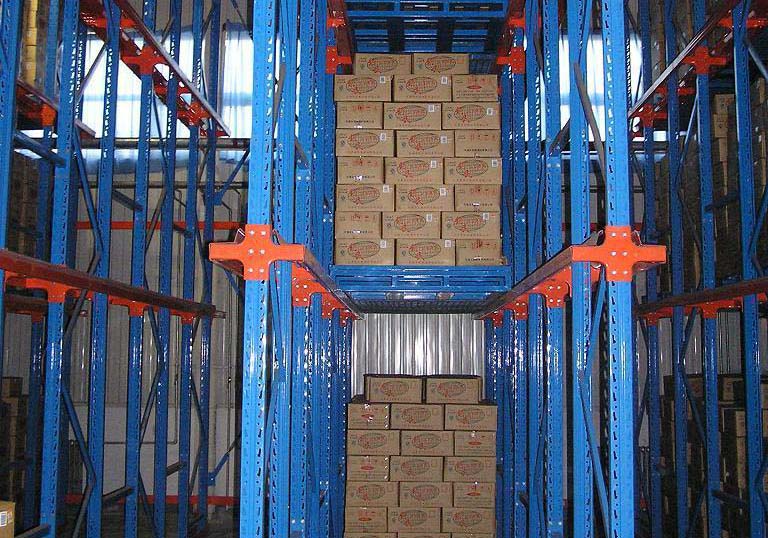
Safety is the paramount concern with heavy-duty industrial shelving. Never modify shelves by drilling or welding unless approved by the manufacturer. This can compromise structural integrity.
Use proper loading techniques. Place items fully on the shelf, not overhanging the edge. Be mindful of the overall center of gravity; avoid placing all heavy items on one side of the unit.
Ensure clear aisles for safe access and egress. Implement workplace protocols for safe loading and unloading, potentially using ladders or platforms designed for the system.
Q1: What is the typical weight capacity for industrial strength storage shelves?
A1: Capacities vary widely by type and model. Light industrial strength storage shelves may hold 500-1,000 lbs per level. Medium-duty systems often range from 1,000 to 2,500 lbs per shelf. Heavy-duty structural or pallet shelving can exceed 5,000 lbs per level. Always check the manufacturer's rated capacity for the specific configuration.
Q2: Can I mix and match components from different shelving brands?
A2: It is strongly discouraged. Industrial storage shelving systems are engineered as complete units. Components from different brands or even different lines within a brand may not fit perfectly, compromising the structural integrity and safety of the entire unit. Always use compatible parts from the same manufacturer and product line.
Q3: How high can industrial shelving safely be installed?
A3: This depends on the design, the load, and local regulations. Many standard heavy-duty shelving units are stable up to 15-20 feet tall when properly anchored and installed. However, for very tall installations, you may need specialized structural shelving or pallet racking designed for height, and you must adhere to strict safety and building codes.
Q4: What type of shelving is best for storing small parts in bins?
A4: Boltless industrial strength storage shelves with wire grid or solid decking are excellent for small parts storage. You can pair them with a variety of bin boxes, drawer inserts, or dividers. The adjustability of shelf heights allows you to customize the space for different bin sizes efficiently.
Q5: Do I need a professional to install my industrial shelving?
A5: For large, complex, or very tall systems, professional installation is highly recommended. For smaller, standard boltless units, many facilities teams handle installation by carefully following the manual. The critical factors are ensuring the unit is perfectly level, all connections are secure, and the system is anchored to the floor if required. If in doubt, hire a professional.

 Wechat
Whatsapp
Wechat
Whatsapp