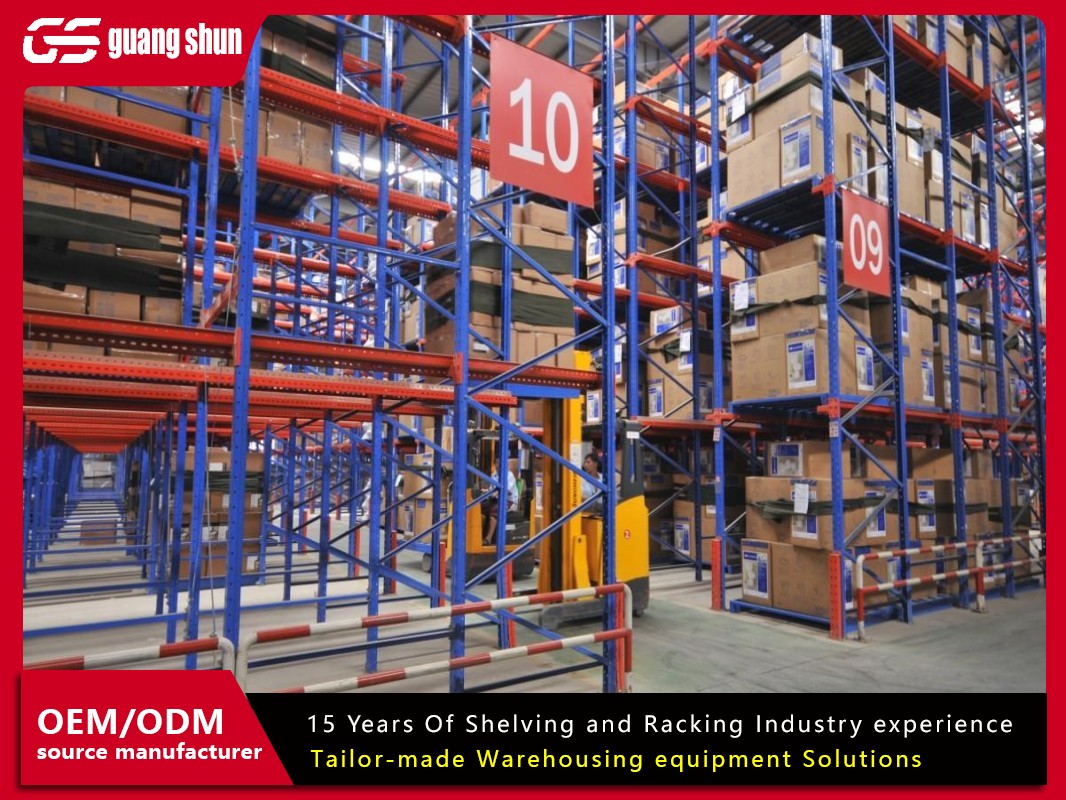
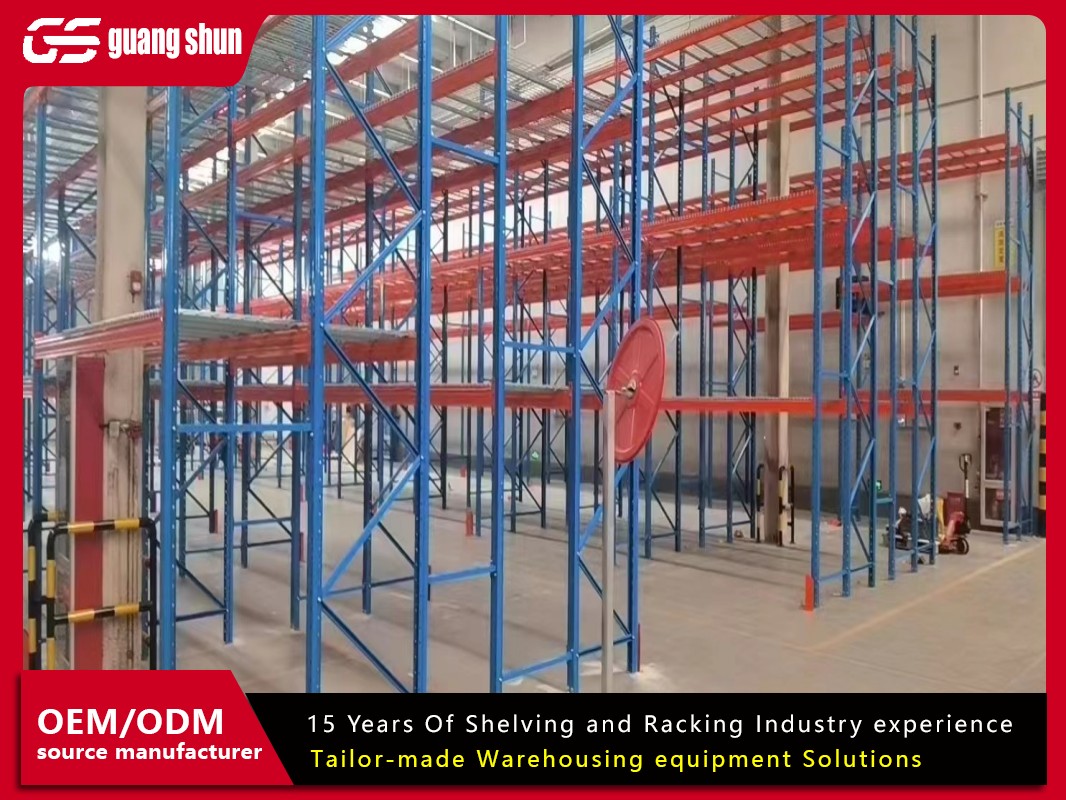
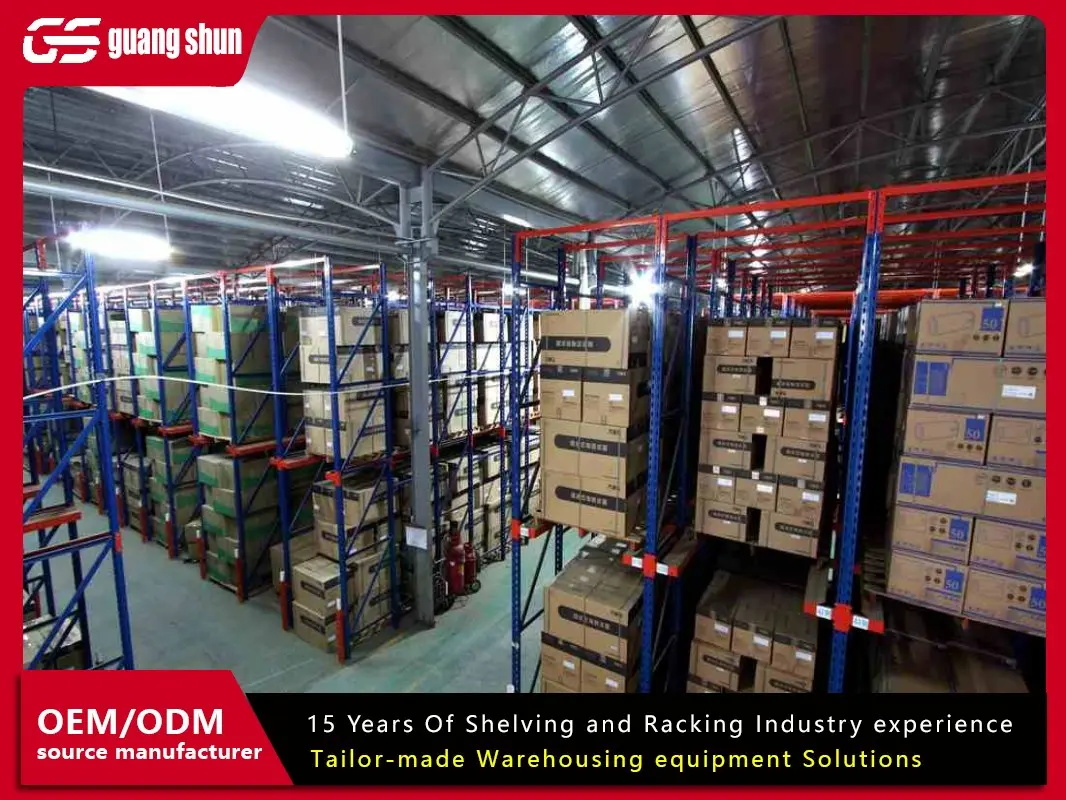
A conventional racking system is a fundamental component of warehouse storage and organization. For many operations, these systems form the backbone of material handling and inventory management.
This article provides a detailed look at conventional racking systems. We will explore their design, key advantages, common types, and typical applications. Understanding this equipment is crucial for anyone involved in planning or operating storage facilities.
A conventional racking system, often called selective pallet racking, is the most common warehouse storage solution. It allows direct access to every single pallet load stored. This system uses a series of upright frames and horizontal beams to create multiple storage levels.
The design is straightforward and highly versatile. Each pallet position is accessible individually by forklift equipment. This makes a conventional racking system ideal for operations with a wide variety of stock.
It is called "conventional" to distinguish it from more dense, high-throughput systems like drive-in or automated storage. The primary goal is accessibility and flexibility, not necessarily maximizing every cubic foot of space.
The standard conventional racking system is built from steel components. The vertical columns, or upright frames, are anchored to the floor for stability. Horizontal beams connect these frames at various heights.
These beams support the pallets. Loads are typically placed directly on the beams or on wire decking for added safety. The system’s height and depth can be customized to fit the building and the inventory.
An important feature is the adjustable beam levels. This allows the conventional racking layout to be reconfigured as storage needs change. The spacing between levels can be optimized for different pallet heights.
Safety components are integral. These include row spacers, column guards, and beam safety locks. These features prevent accidental dislodgement and protect the structure from forklift impacts.
The main benefit of a conventional racking system is 100% selectivity. Every SKU is immediately accessible without moving other pallets. This supports First-In, First-Out (FIFO) inventory management perfectly.
These systems offer exceptional flexibility. The racking configuration can be easily modified. Beam heights can be changed, and the entire system can be expanded or relocated if necessary.
Cost-effectiveness is a major advantage. The initial investment for a conventional racking system is generally lower than for more complex automated alternatives. The installation process is also relatively quick and straightforward.
They are highly compatible with most warehouse operations. A conventional racking system works with standard counterbalance or reach forklifts. No special equipment is required, which keeps operational costs manageable.
While selective pallet racking is the most recognizable form, several variations exist within the conventional racking system family. Each adapts the core concept for specific needs.
Single-deep selective racking is the standard model. Pallets are stored one deep per face, allowing direct access from the main aisle. This is the most common conventional racking system layout.
Double-deep racking is a popular variation. It places two pallets deep on each side of an aisle. This increases storage density while still offering good selectivity, though it requires a specialized forklift.
Pallet flow systems can be integrated. They use gravity rollers within the conventional racking structure to enable high-density, FIFO storage for fast-moving, homogeneous products.
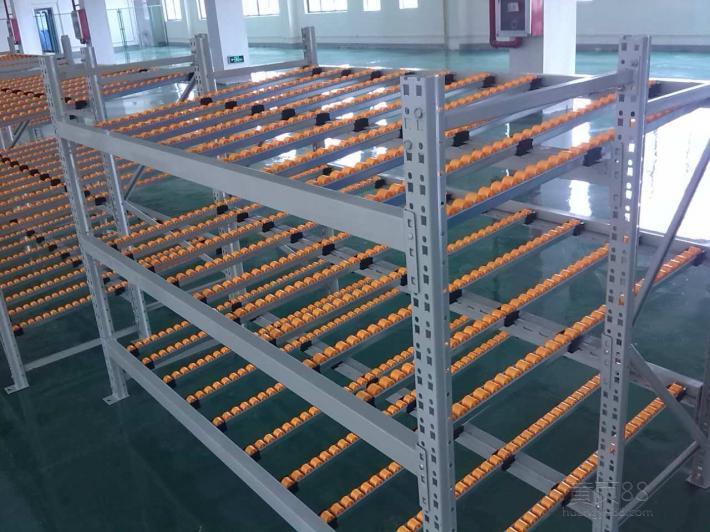
Carton flow systems are used for picking. They are often attached to the face of a conventional racking system. This allows for efficient order fulfillment of smaller items stored in bins or boxes.
The conventional racking system is suitable for a vast range of businesses. Any operation with diverse SKUs and a need for quick access will benefit.
Distribution centers widely use these systems. They are perfect for storing a large assortment of products that ship to retailers or directly to consumers. The flexibility to handle different pallet sizes is key.
Manufacturing facilities rely on them for raw material and finished goods storage. Easy access supports just-in-time production schedules and efficient material handling on the shop floor.
Cold storage warehouses frequently implement conventional racking systems. The need for accessibility and FIFO rotation is critical in food storage. The open design also promotes better air circulation.
Retail backroom storage is another common application. Stores use these systems to manage inventory for restocking shelves. The ability to access any product quickly is essential.
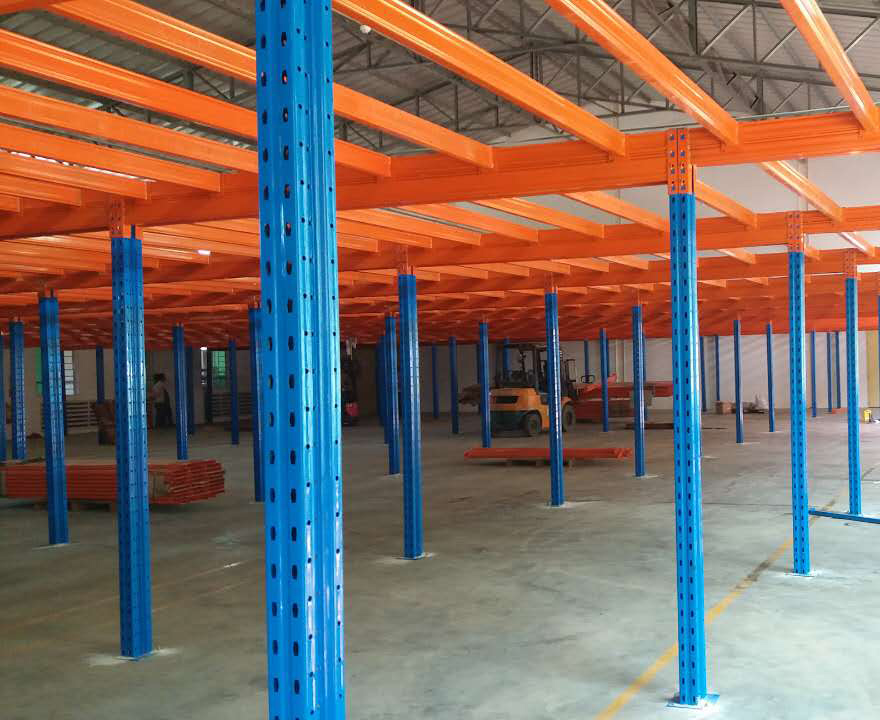
Selecting the correct conventional racking system requires careful planning. The first step is a thorough analysis of your inventory. Consider pallet dimensions, weight, and the total number of SKUs.
Evaluate your facility's characteristics. Measure the clear ceiling height, floor condition, and column positions. This data will determine the optimal height and layout for your conventional racking installation.
Consider your inventory turnover rate. For a large number of SKUs with medium to low turnover, a standard selective conventional racking system is often the best choice. It provides the needed accessibility.
Future growth should be a factor. Choose a system from a supplier that allows for easy expansion. A scalable conventional racking system design can adapt to your business over time.
Always consult with a qualified storage planning professional. They can perform a load analysis and ensure the proposed conventional racking system meets all safety standards and regulations.
Safety is paramount when operating any warehouse storage system. A conventional racking system must be installed correctly according to the manufacturer's specifications and local codes.
Regular inspections are mandatory. Look for signs of damage, especially from forklift impacts. Dents or bends in upright frames can compromise the entire structure's integrity.
Enforce strict load management rules. Never exceed the rated capacity of the beams or the overall conventional racking system. Ensure pallets are properly positioned and undamaged before storage.
Train all forklift operators thoroughly. They must understand how to maneuver within the aisles of a conventional racking system safely. Proper handling prevents collisions and load spills.
Implement a documented inspection and maintenance program. This proactive approach extends the life of your conventional racking system and protects your workforce and inventory.
A conventional racking system remains a reliable, efficient, and cost-effective solution for countless warehouses. Its balance of accessibility, flexibility, and affordability is unmatched for many inventory profiles.
By understanding its features, benefits, and proper application, businesses can make an informed decision. A well-planned conventional racking system improves operational flow, maximizes space, and supports accurate inventory control.
It forms a solid foundation upon which a productive and safe warehouse is built.
Q1: What is the main difference between a conventional racking system and high-density racking?
A1: The primary difference is accessibility versus density. A conventional racking system (like selective pallet rack) provides direct access to every pallet. High-density systems (like drive-in or push-back) sacrifice some direct access to store more pallets in a smaller footprint, as they store pallets multiple deep.
Q2: How much weight can a conventional racking system typically hold?
A2: The weight capacity varies significantly based on the design, beam level, and components used. Capacities can range from 1,000 lbs to over 10,000 lbs per beam pair. A professional engineer or racking supplier must perform a load analysis to determine the correct specifications for your specific loads.
Q3: Can a conventional racking system be reconfigured or moved?
A3: Yes, one of the key advantages of a conventional racking system is its flexibility. Beam levels can be easily adjusted, and entire sections can often be disassembled and relocated to another part of the warehouse or a new facility, making it a adaptable long-term investment.
Q4: What type of forklift is needed for a conventional racking system?
A4: Standard selective pallet racking is designed for use with common warehouse forklifts. For single-deep racking, a standard counterbalance or reach truck works perfectly. For double-deep racking layouts, a forklift with extended reach or a deep-reach truck is required.
Q5: How often should a conventional racking system be inspected?
A5: Formal, documented inspections should be conducted at least annually by a competent person. However, informal visual checks should be part of the daily routine for warehouse staff. Any incident, like a forklift impact, should trigger an immediate inspection of the affected area.

 Wechat
Whatsapp
Wechat
Whatsapp