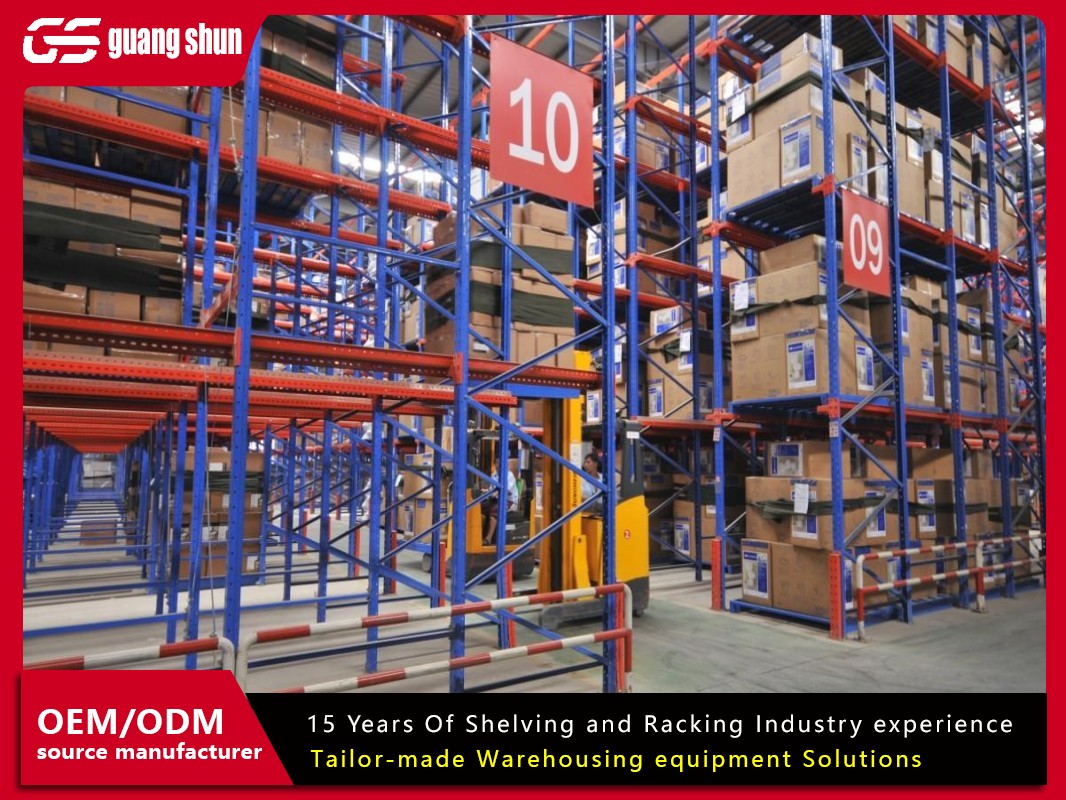
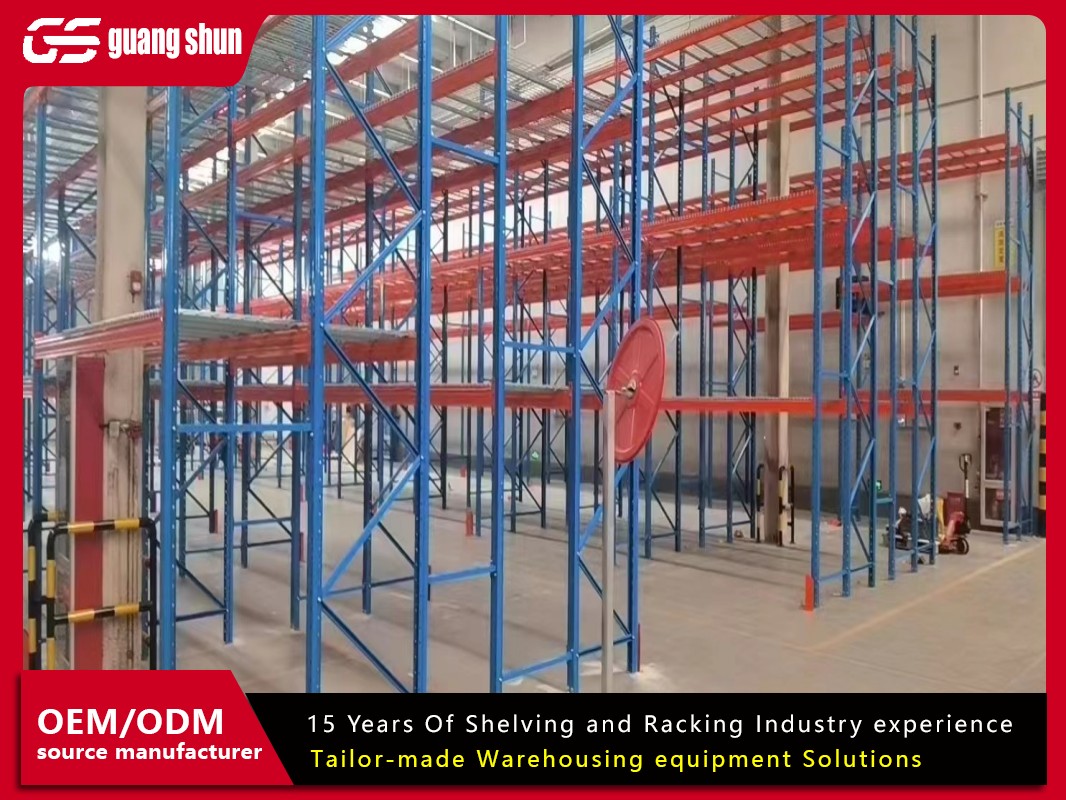
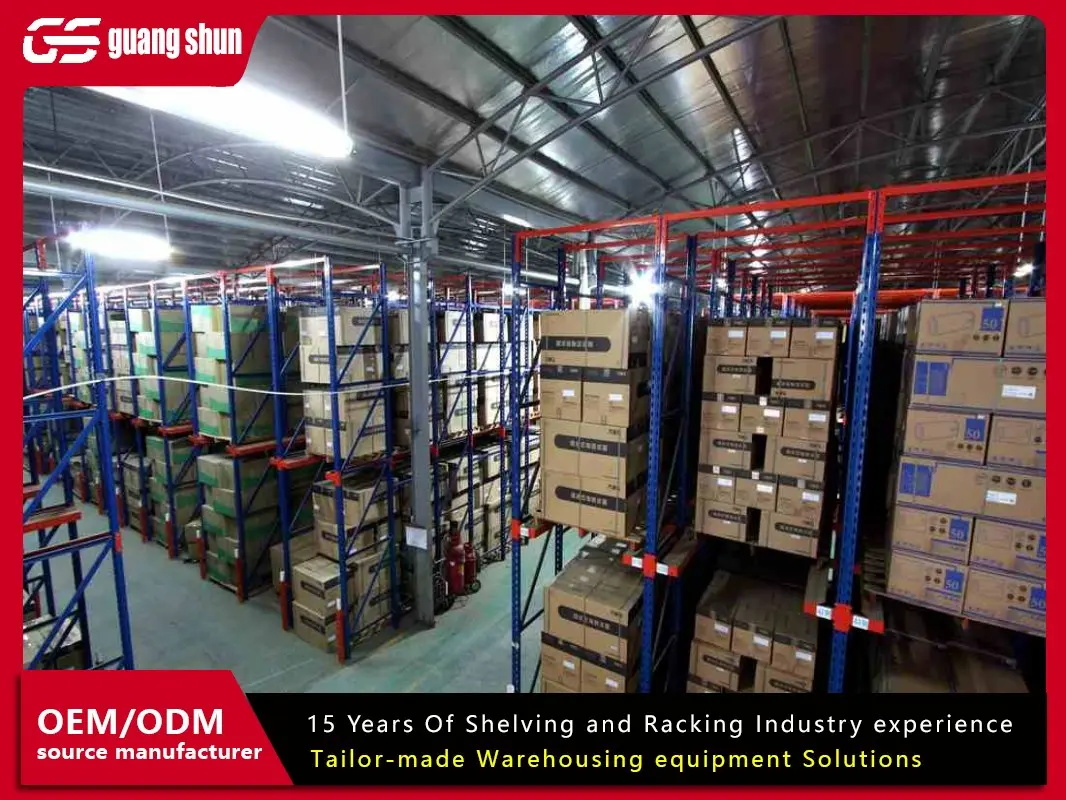
If you work in a warehouse, you've heard the term. If you're designing a new storage system, you're defining it constantly. The pallet bay is a fundamental concept. It's the basic unit of space in your racking layout. Understanding it is crucial for efficiency, safety, and cost.
Simply put, a pallet bay is the single opening or location within a racking system designed to hold one pallet. It's the three-dimensional space defined by the rack structure. Getting its dimensions right affects everything from forklift operation to storage density.
Let's break down what a pallet bay really means for your operation.
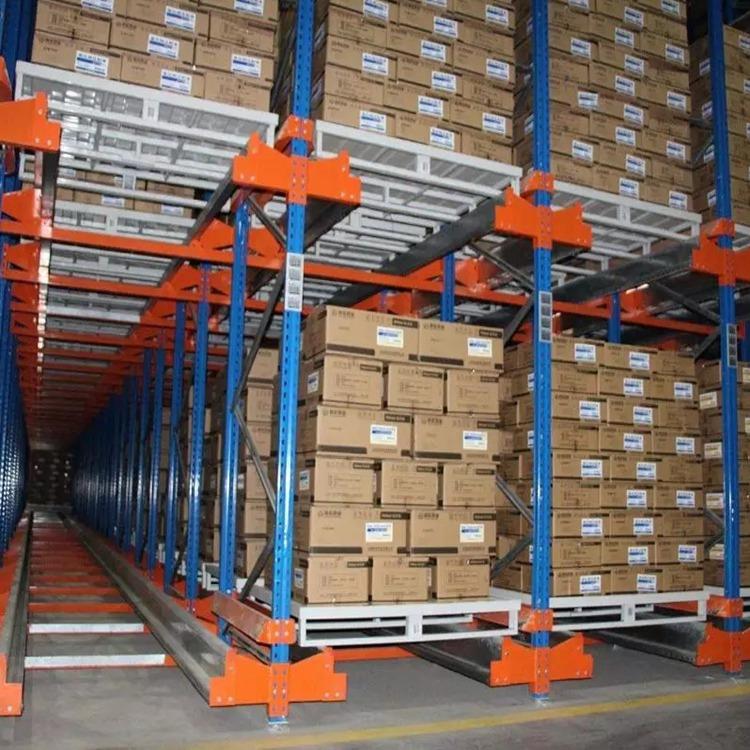
A pallet bay isn't just empty air. It's a carefully measured space created by the racking components. Its size dictates what you can store and how.
Width (Bay Opening): This is the clear distance between the two upright frames. It must be wider than the pallet itself. Standard industry practice is to add 4 to 6 inches of clearance. This allows for easy placement and removal, even for slightly misaligned pallets.
Depth (Front to Back): This is determined by the length of the load beams and any decking. For a standard 48-inch deep pallet, beams are typically 42 inches long. The pallet overhangs the beams slightly, providing stability. The depth must support the full pallet footprint.
Height (Beam Level Height): This is the vertical space between the top of one beam and the bottom of the beam above it. It must accommodate the full height of the loaded pallet, plus essential clearance. A minimum of 4-6 inches is standard to prevent crushing and allow for safe handling.
Each pallet bay is a puzzle piece. Thousands of them together form your complete storage system.
An incorrectly sized pallet bay causes daily operational headaches. It's not a detail you can gloss over. The consequences are tangible.
Too Narrow: Forklift drivers will struggle. Every put-away and pick becomes a slow, careful dance. This increases cycle times and the risk of impact damage to both the rack and the product. It creates a major bottleneck in your warehouse storage flow.
Too Wide: You waste valuable space. While a few extra inches seem minor, multiplied across hundreds of bays, it represents significant lost storage potential. Your storage density plummets, increasing your cost per pallet position.
Height Too Low: Products get crushed. Pallets become jammed. Loads can be damaged simply by being stored. This leads to inventory loss and frustrated customers.
Height Too High: Again, you waste vertical space. You could potentially add an entire additional storage level over a large area. This is a common oversight in industrial storage planning that costs real money.
Precision in your pallet bay dimensions is the first step toward an optimized warehouse.
The concept of a pallet bay adapts to different racking types. The basic principle remains, but the access and density change.
In Selective Pallet Rack: This is the classic example. Each pallet bay is fully accessible from the aisle. It's a one-pallet-deep, one-pallet-wide space. This offers the fastest, most direct access for a wide range of SKUs.
In Drive-In Rack: A pallet bay here is part of a deep lane. The bay is the specific position within that lane, multiple pallets deep. Forklifts drive into the lane to access each bay. This configuration sacrifices some selectivity for much higher density.
In Push Back Rack: Each pallet bay sits on a nested cart. Bays are typically 2-5 pallets deep. When the front bay is cleared, the next pallet rolls into place. The bay depth is critical for the gravity system to work correctly.
In Pallet Flow Rack: Bays are part of a dynamic lane. They are the individual pallet positions on the inclined track. The dimensions must account for the pallet's movement as it flows from the load face to the pick face.
The function dictates the pallet bay form. Choosing the right system starts with analyzing your pallet profiles and access needs.
Designing your pallet bay layout requires more than just pallet measurements. Several practical factors come into play.
Pallet Variability: Are all your pallets identical? Likely not. You may have 48"x40" GMA pallets and some 42"x42" plastic ones. Design for your largest or most common pallet, or consider dedicating specific rack zones to non-standard sizes.
Load Dimensions & Overhang: Know the exact dimensions of your typical loaded pallet. Pay attention to unusual overhangs or irregular shapes. A box overhanging the pallet edge by 2 inches effectively increases the pallet's footprint for bay sizing purposes.
Forklift Operator Skill: A less experienced team may require wider aisles and slightly larger bay openings for a margin of error. This is a human factor directly impacting your technical design.
Future-Proofing: Are you likely to change pallet types or increase load height? Building in a small amount of extra clearance can save a costly rack reconfiguration down the line. Think about the evolution of your material handling needs.
Building Constraints: Your clear ceiling height, floor flatness, and column locations all impose limits on how you can configure your bays. Always work within the physical reality of your space.
Seeing the same errors crop up in warehouses is frustrating. Many are preventable with careful pallet bay planning.
Mistake 1: Measuring the Pallet, Not the Load. This is the most common error. You must measure the loaded pallet at its widest and tallest points. Assume pallets will be inconsistently stacked.
Mistake 2: Ignoring the Forklift Forks. The fork length and the forklift's mast design affect how a pallet enters the bay. A pallet might fit the space, but if the forks are too short to push it fully into position, you have a problem.
Mistake 3: Forgetting About Beam Depth. The horizontal beam itself takes up space. A 42-inch long beam does not give you 42 inches of clear pallet support. Account for the upright column and the beam lock.
Mistake 4: No Clearance for Decking or Supports. If using wire mesh decking or support bars, they reduce the clear opening height. Ensure your vertical clearance is measured from the top of these supports.
Mistake 5: Inconsistent Bay Sizing. Having slightly different bay widths or heights across the warehouse due to piecemeal expansion is a nightmare for operators and inventory management. Standardize from the beginning.
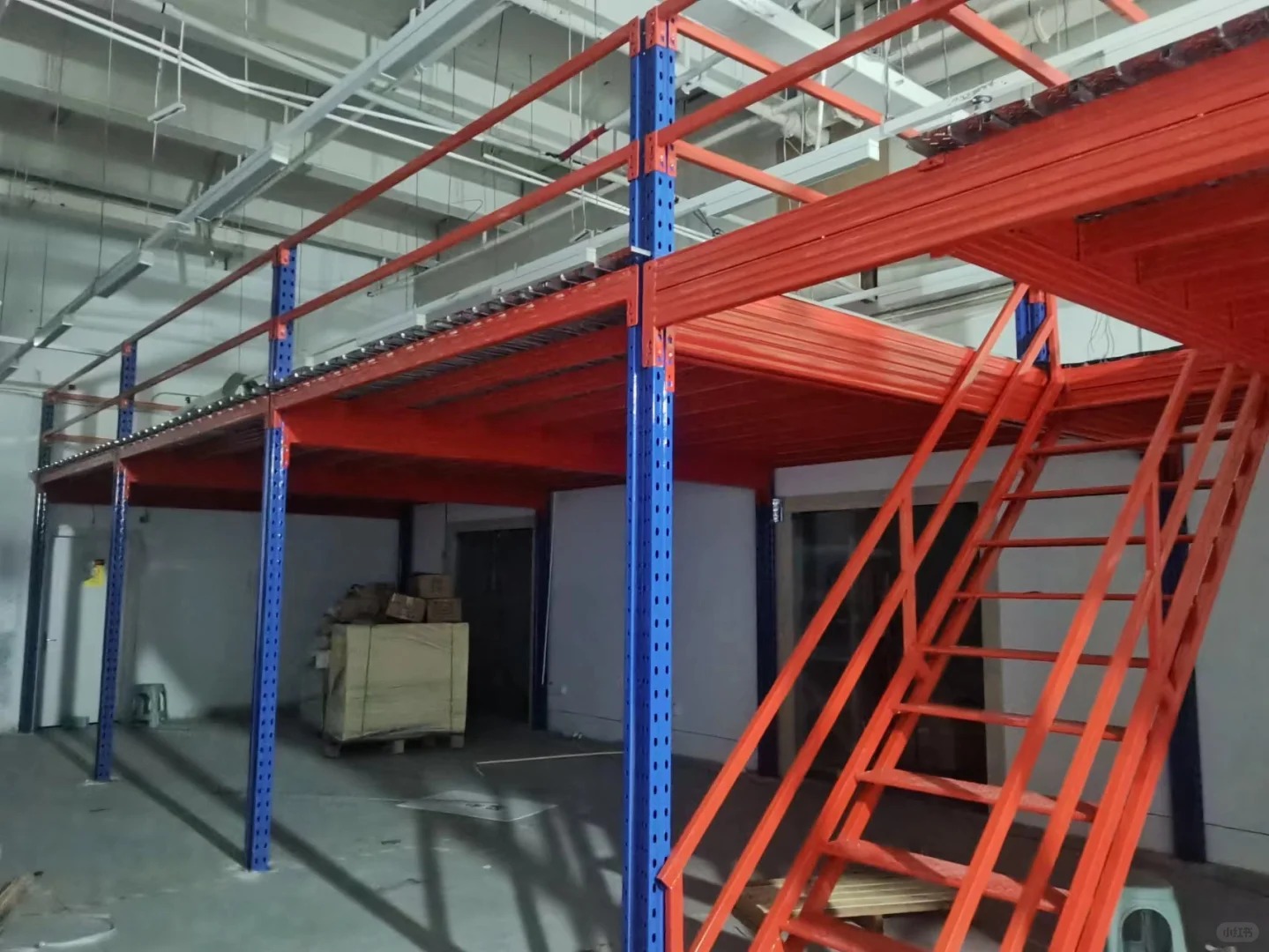
A pallet bay is only safe if it's intact and used properly. Maintenance is non-negotiable.
Regular Bay Inspections: Include pallet bay integrity in your daily visual checks. Look for bent beam ends, damaged decking, or anything protruding into the clear space. A damaged bay is an unsafe bay.
Enforce Load Limits: Every bay, through its beam and upright ratings, has a maximum weight capacity. This must be clearly communicated and strictly enforced. Overloading a single bay can compromise the entire rack section.
Maintain Clear Access: Aisles must be kept clear to allow forklifts to approach the bay squarely. Forcing a pallet in at an angle guarantees damage. This is a basic but often overlooked warehouse safety rule.
Use Proper Pallets: Damaged, broken, or sagging pallets should not be placed into a bay. They can collapse, get stuck, or fall. They put the entire operation at risk.
Install Protective Devices: Column guards, end-of-aisle protectors, and pallet backstops are not optional. They protect the pallet bay opening from impact and prevent pallets from being pushed through the other side.
The humble pallet bay is where your storage plan meets reality. Investing time in its correct design, sizing, and maintenance pays dividends every single day in smoother operations, higher density, and a safer workplace. It is, quite literally, the space where your business is stored.
Q1: What is the standard clearance added to a pallet's dimensions when designing a bay?
A1: For width, a standard clearance is 4 to 6 inches total (2-3 inches per side). For height, a minimum of 4 to 6 inches above the loaded pallet is standard. These clearances ensure safe and efficient forklift operation within the pallet bay.
Q2: Can a single pallet bay hold more than one pallet?
A2: No, by definition, a pallet bay is designed for a single pallet. Systems like drive-in or push-back rack have multiple pallets stored in a lane, but each occupies its own distinct bay position within that lane.
Q3: How do I calculate the number of pallet bays I need in my warehouse?
A3: First, determine your maximum inventory count in pallets. Add a growth factor (often 20-25%). Then, based on your chosen racking type (selective, drive-in, etc.), your layout will determine the total pallet bay count. A storage planning professional can create a detailed CAD layout to confirm this number.
Q4: Why is bay height clearance so important?
A4: Insufficient vertical clearance risks crushing the product on the pallet. It also makes retrieval difficult, as the pallet may become wedged. Adequate clearance is a critical warehouse safety and product integrity requirement for every pallet bay.
Q5: What should I do if my pallets vary significantly in size?
A5: The best practice is to create dedicated zones within your racking for different pallet bay sizes. Group similar-sized pallets together. For a very mixed inventory, you may need to design your bays to accommodate the largest pallet, accepting some wasted space for smaller ones, or invest in adjustable beam lock systems for greater flexibility.

 Wechat
Whatsapp
Wechat
Whatsapp