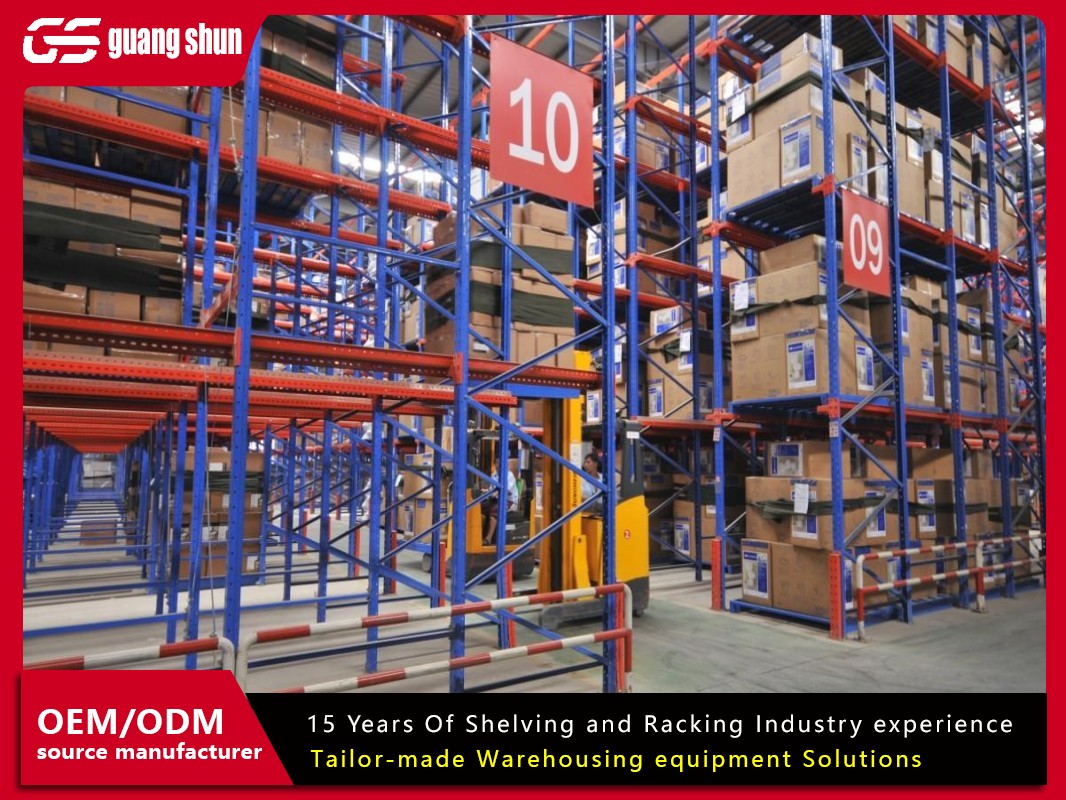
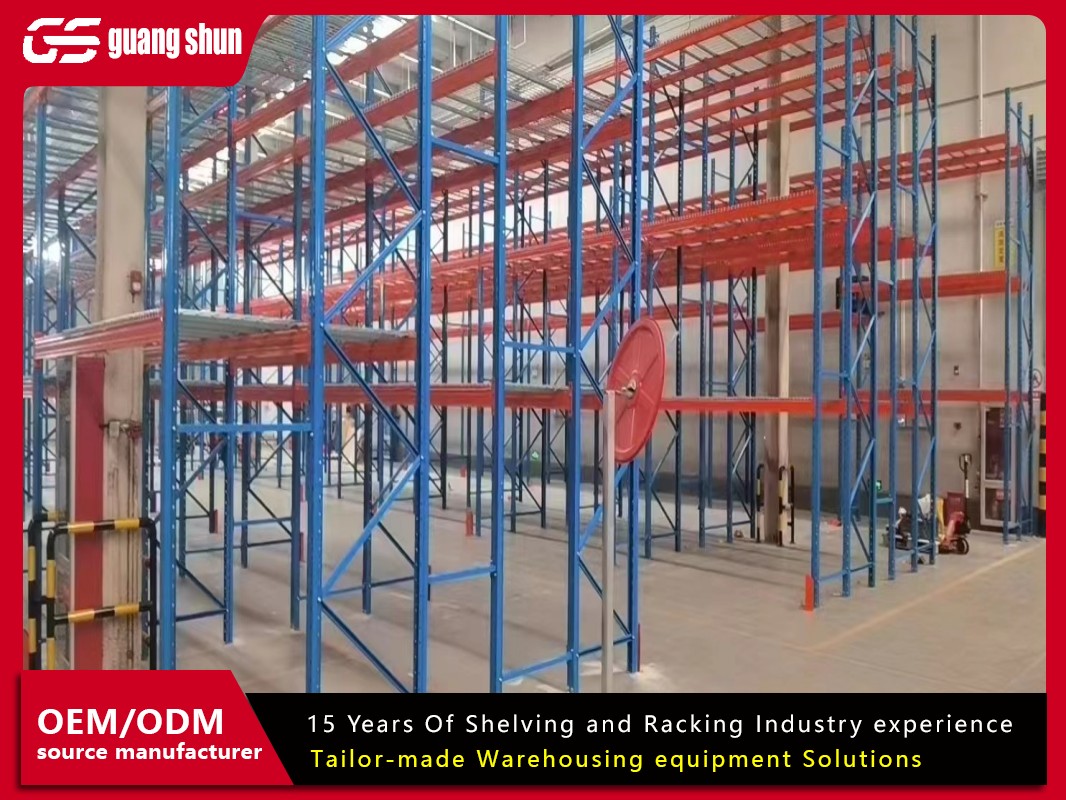
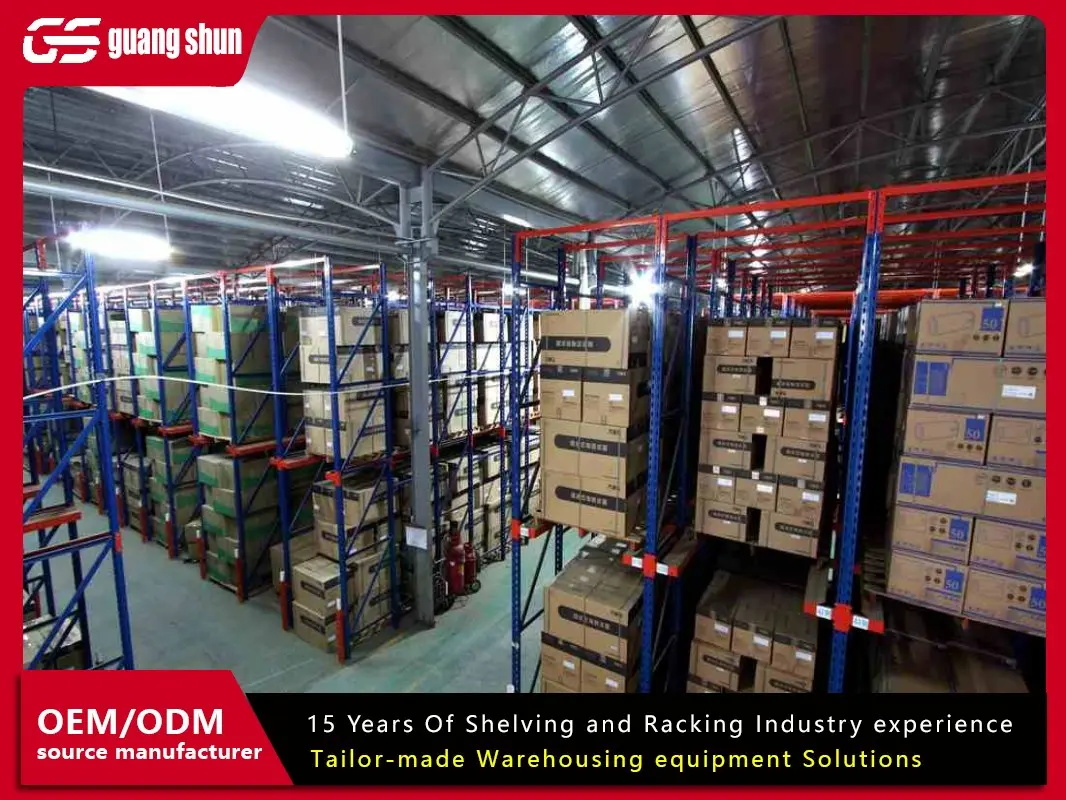
Pallet rack platforms are a game-changer in modern warehousing. They help maximize vertical space while ensuring safety and accessibility. If you're looking to optimize storage, understanding these platforms is key. This article dives into what they are, their benefits, types, and practical tips for use. By the end, you'll see why a pallet rack platform is essential for any storage system.
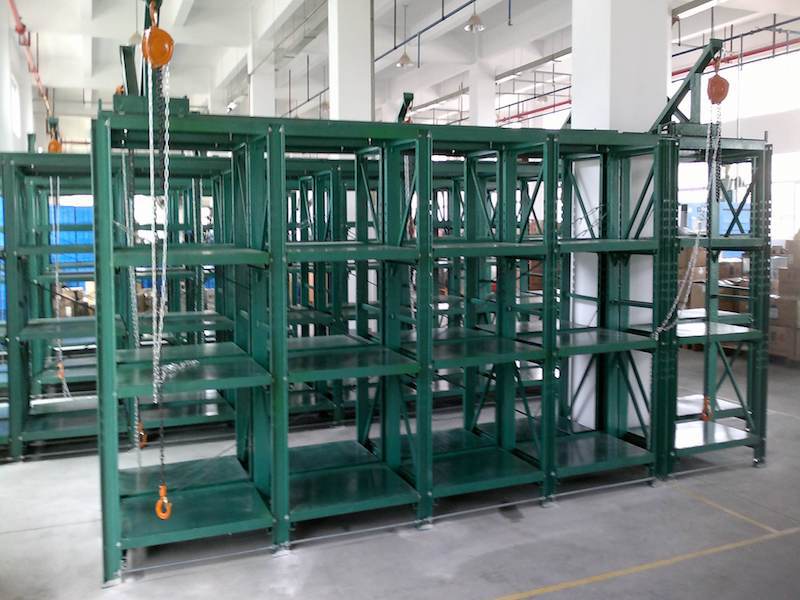
Pallet rack platforms are structural additions to standard racking systems. They create elevated surfaces within racks for storage or work areas. This setup transforms unused vertical space into functional zones. It’s a smart solution for warehouses needing extra room.
A pallet rack platform is essentially a deck installed between rack beams. It provides a stable surface for storing items or as a walkway. These platforms are designed to integrate seamlessly with existing pallet racks. They turn air space into usable storage without expanding the footprint. This makes them ideal for crowded facilities.
These platforms are versatile. They can hold non-palletized items, like boxes or equipment. Some use them as mezzanines for office space or picking stations. In retail backrooms, they store seasonal inventory. The pallet rack platform adapts to various needs, boosting efficiency.
Investing in a pallet rack platform offers multiple advantages. From saving space to enhancing safety, the perks are clear. Here’s why many warehouses adopt this solution.
Vertical space is often underused. A pallet rack platform adds extra levels within racks. This doubles or triples storage without needing more floor area. It’s a cost-effective way to grow capacity. For tight budgets, it beats building expansions.
Safety is crucial in warehouses. These platforms provide secure walking surfaces for staff. They reduce climbing on racks, lowering accident risks. With proper railings, a pallet rack platform ensures safe access to high storage. It also keeps aisles clear for forklifts.
A well-organized warehouse runs smoother. Platforms help categorize items by level. This speeds up inventory management. Workers find products faster, boosting productivity. The pallet rack platform turns chaos into order.
Not all platforms are the same. Different designs suit specific needs. Knowing the types helps you choose wisely.
These are built to last. Fixed platforms attach directly to rack frames. They’re ideal for long-term storage solutions. Materials like steel ensure durability. This type of pallet rack platform is common in heavy-duty environments.
Flexibility matters in dynamic warehouses. Modular platforms can be reconfigured as needs change. They adjust to different rack heights and loads. This pallet rack platform type saves money over time. It adapts without full replacements.
Some platforms prioritize safety features. They include non-slip surfaces, toe boards, and guardrails. These are essential for work areas. A safety-enhanced pallet rack platform protects staff and inventory.
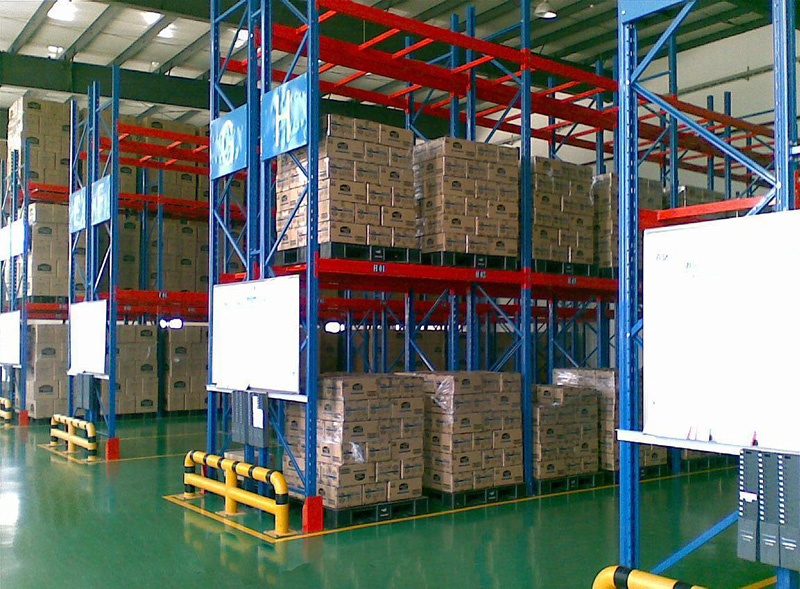
Choosing the best platform requires thought. Consider your warehouse’s unique demands. This section guides your decision.
Start by evaluating what you’ll store. Heavier items need robust platforms. Lighter goods allow for simpler designs. Also, think about access frequency. A pallet rack platform for daily use must be sturdy and easy to reach.
Platform materials vary. Steel is strong for heavy loads. Wire mesh offers visibility and airflow. Check weight ratings to match your inventory. Always pick a pallet rack platform that exceeds your maximum load. This prevents accidents.
Ensure the platform fits your current racking system. Measure beam heights and depths. Custom options are available if standard sizes don’t work. A compatible pallet rack platform integrates smoothly, avoiding installation hassles.
Proper installation is vital for safety and function. Follow these steps to set up your platform correctly.
Plan before you start. Clear the area around the racks. Gather tools like wrenches and levels. Review the manufacturer’s instructions. For a pallet rack platform, precise measurements prevent errors.
First, secure the rack structure. Attach support beams at the desired height. Then, place the platform deck onto the beams. Fasten it firmly with bolts. Add safety features like railings. Test the pallet rack platform with minimal load before full use.
After setup, inspect thoroughly. Check for loose components and even surfaces. Ensure weight limits are posted visibly. Regular audits keep the pallet rack platform safe over time.
A pallet rack platform needs ongoing care. Neglect can lead to failures. Here’s how to maintain it.
Inspect platforms monthly. Look for rust, cracks, or bends. Clean surfaces to prevent slip hazards. Tighten any loose bolts. A well-maintained pallet rack platform lasts longer and performs better.
Wear and tear is normal. Replace damaged parts promptly. Avoid overloading beyond capacity. Train staff on proper use. These steps protect your pallet rack platform investment.
A1: A pallet rack platform is an elevated deck installed within a pallet racking system. It creates additional storage or work space by utilizing vertical air space. It’s commonly made from steel or mesh and integrates with existing racks.
A2: Weight capacity varies by design and material. Standard platforms often support loads from 1,000 to 10,000 pounds per level. Always check the manufacturer’s rating and never exceed it for safety.
A3: While DIY installation is possible, it’s recommended to hire professionals. Proper installation ensures structural integrity and safety. If doing it yourself, follow guidelines precisely and inspect thoroughly.
A4: Yes, many platforms are modular and adjustable. They can be reconfigured to fit different rack heights or storage needs. This flexibility makes them suitable for changing warehouse layouts.
A5: Key safety features include non-slip surfaces, guardrails, toe boards, and secure mounting systems. Always ensure the platform meets local safety regulations and standards.
A6: Regular maintenance involves monthly inspections for damage, cleaning surfaces, tightening bolts, and ensuring load limits are respected. Address issues immediately to prevent accidents.
A7: Yes, some platforms are designed as mezzanines for offices or workstations. They provide elevated areas within racks, but must be engineered for foot traffic and heavier loads.
Pallet rack platforms are a smart investment for any storage facility. They boost capacity, improve safety, and enhance efficiency. By choosing the right type and maintaining it well, you can transform your warehouse operations. Start exploring options today to see how a pallet rack platform can benefit your space.

 Wechat
Whatsapp
Wechat
Whatsapp