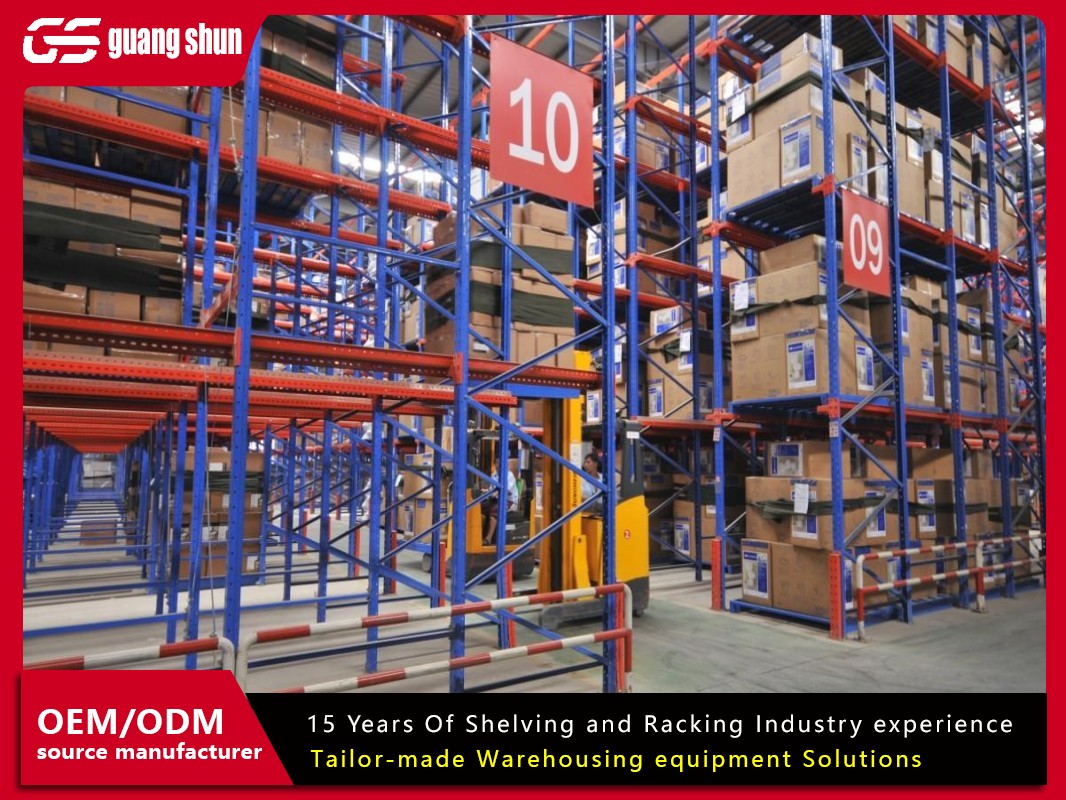
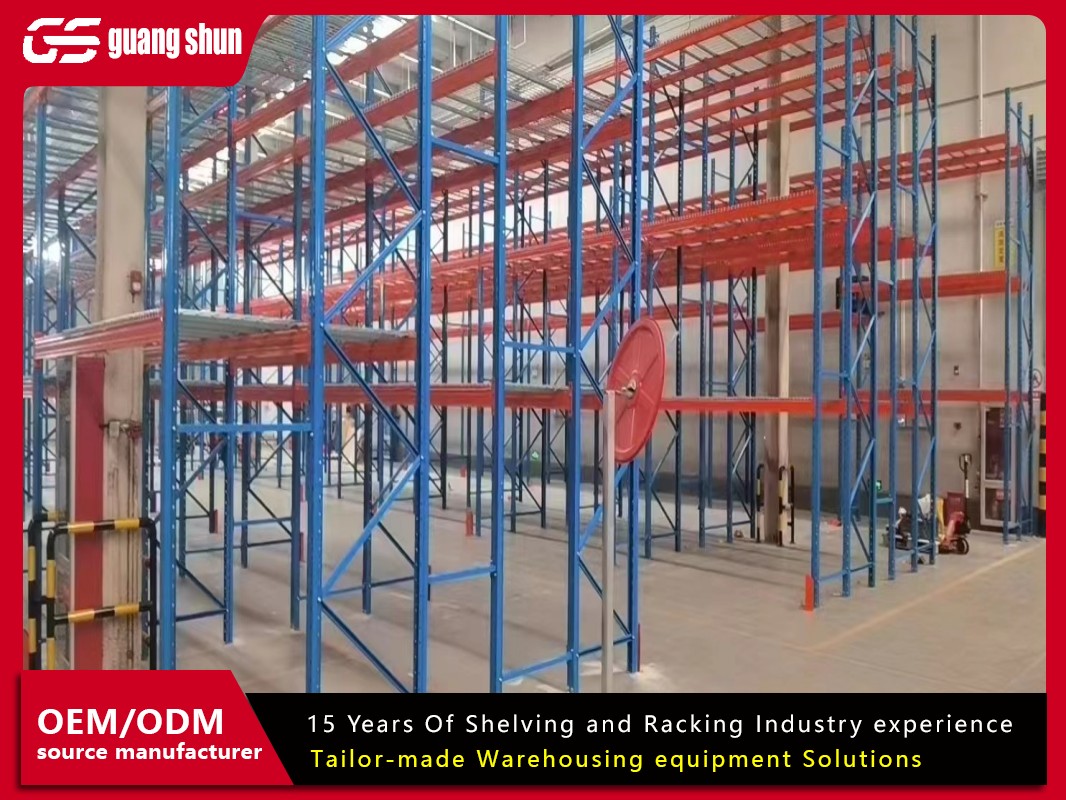
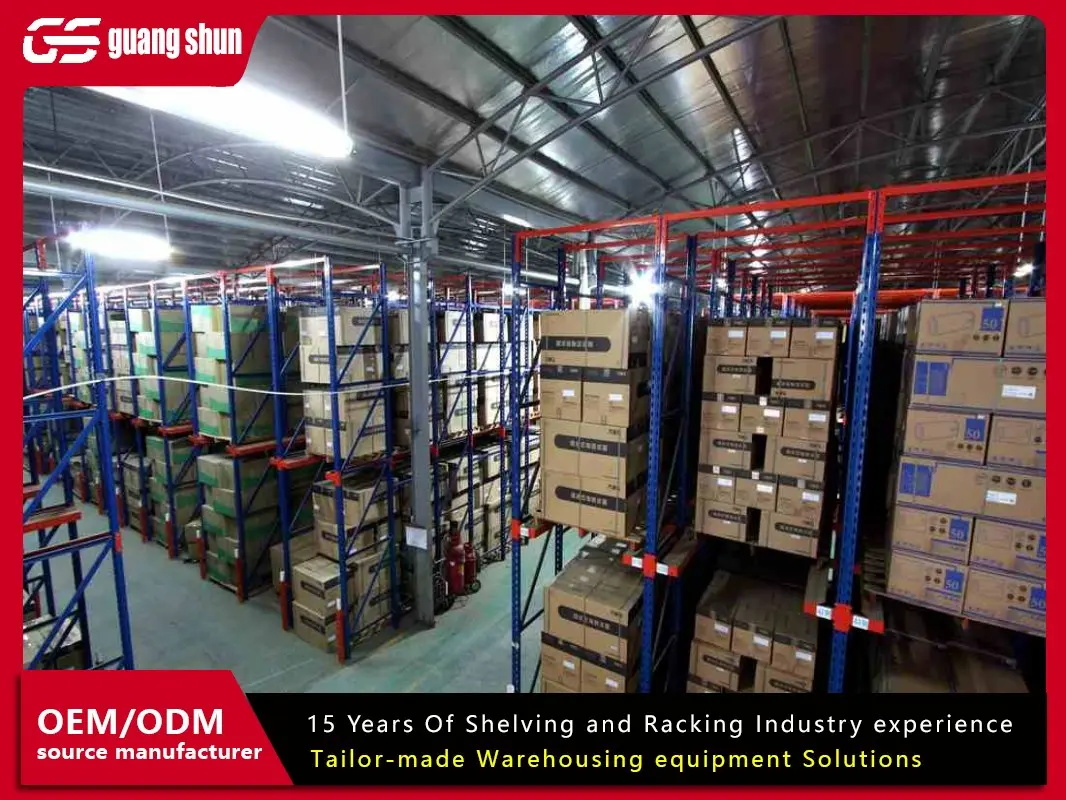
In high-throughput warehouses and distribution centers, the depth of a pallet rack directly influences storage density, material handling ergonomics, and inventory accessibility. While 48‑inch deep racks dominate the market, a 36 pallet rack delivers critical advantages where standard GMA pallets are substituted with lighter or shorter SKU footprints, or where narrow-aisle layouts demand exacting clearances. This guide examines the engineering parameters, application logic, safety standards, and economic justification for specifying a 36‑inch depth selective rack system — based on field data and MH16.1-2022 compliance.
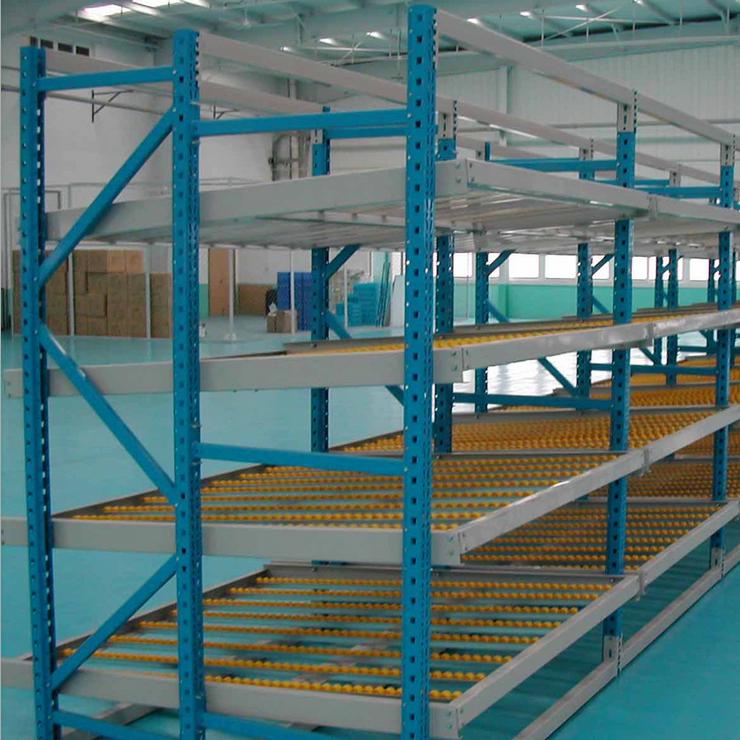
A genuine 36 pallet rack refers to the clear beam depth (front-to-rear distance between the front and rear upright columns). This dimension dictates pallet overhang, load distribution across beams, and the effective use of floor space. Unlike generic adjustable racks, depth‑optimized systems require precise coordination of upright frame spacing, beam step levels, and horizontal bracing patterns.
Column profiles: Standard 3″ x 1.5″ or 3.75″ x 2.5″ roll-formed steel, 14‑ to 12‑gauge thickness (2.0mm – 2.66mm). For seismic zones, 11‑gauge reinforcing inserts are recommended.
Frame depth configuration: Actual frame depth must match the 36” clear inside dimension. Tolerances follow AS4084-2012 – typically ±1/8” for structural alignment.
Load capacity per frame column: A standard 8’ tall frame with 36” depth and 3” column can support 12,000 – 18,000 lbs per leg under uniform distributed load (UDL) conditions, depending on bracing pitch (24” or 36” spacing).
Footplate design: Heavy-duty L-shaped or slotted footplates with 3/4” anchor bolt holes are mandatory for dynamic stability, especially when using sit-down counterbalance forklifts.
The beam step depth for a 36 pallet rack typically ranges from 27” to 33” effective shelf depth, leaving a 1.5” to 4.5” rear overhang allowance. This reduces beam deflection by 12%–18% compared to 48” deep beams under identical load (tested per ANSI MH16.1). Common beam sections include box‑type with 3” x 2” or 4” x 2” profile. For loads under 2,000 lbs per beam level, a 16‑gauge step beam suffices; heavier SKUs (2,800+ lbs) require double‑ribbed structural channel beams with a minimum section modulus of 1.97 in³.
Many warehouse planners default to 48” depth racks, but this often creates up to 9” of wasted rear clearance when handling Euro‑pallets (800x1200 mm) or half‑pallets. Here’s what a correctly applied 36‑inch depth system accomplishes:
Aisle width reduction: With a 36” rack depth, the optimal forklift operating aisle shrinks from 12’ to 10.5’ (when using 3‑wheel electric lifts). This recovers ~15% of total warehouse square footage per aisle.
Higher slot density: In a 200‑foot long warehouse row, switching from 48” to 36” depth racks allows one extra bay every seven bays – a net gain of 5.4% in storage positions.
Mezzanine and multi‑level integration: Reduced depth lowers overturning moment on mezzanine decks, enabling heavier point loads without additional structural steel.
For goods stored in slip sheets, telescopic pallets (e.g., coil steel or bagged goods), a shallower depth means less lateral shifting. In 36” racks, pallet overhang is minimized, cutting fork snag incidents by over 30% in a 2021 material handling safety study. Additionally, beam deflection under dynamic loads stays well below L/180 – the RMI limit for safe pick‑face operations.
While not a universal replacement for 48‑inch systems, the 36 pallet rack excels in specific verticals. Below are data‑backed use cases from operations we have audited.
E‑commerce fulfillment (non‑stackable totes): Many e‑commerce warehouses use 600x400 mm totes or 30””x 24”” cartons. A 36” depth creates two deep carton flow lanes per beam level, increasing pick face density by 22%.
Automotive parts (just‑in‑sequence): Returnable plastic containers (stillages) often measure 32” deep. Using 36” racks aligns these stillages without overhang, enabling FIFO rotation with a simple roll‑out system.
Cold storage & frozen goods: In freezers, every cubic foot of air space represents energy cost. 36” racks reduce empty cavity volume by up to 18% compared to 48” racks, directly lowering electrical consumption for ammonia‑based evaporators.
Retail back‑of‑house (hardware & paint): Mixed pallet weights from 400 to 1800 lbs require consistent support. The 36″ depth provides adequate stability for forward‑facing reserve storage while keeping inventory visible.
Guangshun has engineered site‑specific 36” selective rack configurations for multi‑national e‑commerce hubs in Germany and Texas, achieving a 14% lift in pallet positions per square foot while maintaining full seismic compliance (CBC 2021). Their design process includes FEA calculations for each beam/upright combination.
Unlike generic capacity charts, the load rating of a 36‑inch deep system depends on three interactive parameters: beam gauge, beam length, and upright column pitch. Use this technical breakdown to avoid structural under‑specification.
Beam length 96” (8 ft) – 36” depth – 14 gauge box beam: Max load 2,850 lbs
Beam length 108” (9 ft) – 36” depth – 12 gauge C‑channel: Max load 3,600 lbs
Beam length 120” (10 ft) – 36” depth – reinforced structural beam: Max load 4,200 lbs
Important: These values assume beam step load with at least two locking pins per connector. Adding row spacers or floor anchors does not increase beam capacity but restrains overall assembly.
Because a 36” rack has a shorter moment arm from the column base, the uprights can handle higher axial loads than a 48” rack of the same column thickness. Per RMI’s 2021 supplement, a 36″ frame can be safely loaded 8–12% higher than its 48″ counterpart before considering buckling. However, site audits must account for anchor torque (recommended 85 ft‑lbs for 3/4” wedge anchors) and floor flatness (max 1/8” over 10 ft).
Failure to adhere to industrial standards is the primary cause of rack collapses in shallow‑depth configurations. At a minimum, any 36 pallet rack project must satisfy:
ANSI MH16.1-2022: Design, testing, and utilization of industrial steel storage racks.
OSHA 1910.176(b): Aisle marking, load limit posting, and proper stacking.
FEM 10.2.02 (European standard): For seismic calculations in zones with PGA >0.2g.
RMI Load Deflection Limit: Vertical deflection of beams shall not exceed L/180, and upright drift under seismic force ≤H/150.
Before commissioning, request third‑party proof load testing for any custom 36” depth beam/upright combination. Guangshun provides certified test reports for all its 36″ selective rack systems, including high‑cycle fatigue data for dynamic applications like drive‑in mezzanines.
Installing a 36” deep rack involves unique challenges compared to standard depths. Because the center of gravity of a loaded pallet sits closer to the aisle due to reduced depth, the overturning stability in the cross‑aisle direction improves, but the down‑aisle stability demands more precise anchoring.
Anchoring pattern: Four anchors per upright frame (min 5/8” diameter, 4” embedment) in non‑seismic zones; six anchors (two supplementary) with epoxy grout for seismic design category D.
Row spacers: Required every 8’ of vertical height when two back‑to‑back rows of 36” racks are installed. Spacers should be 14‑gauge tubular steel with bolt holes slotted for thermal movement.
Floor flatness tolerance: With shallow depth, any floor unevenness leads to unequal load sharing between front and rear columns. Laser‑level the floor and use shim packs of at least 0.5” thickness under low columns.
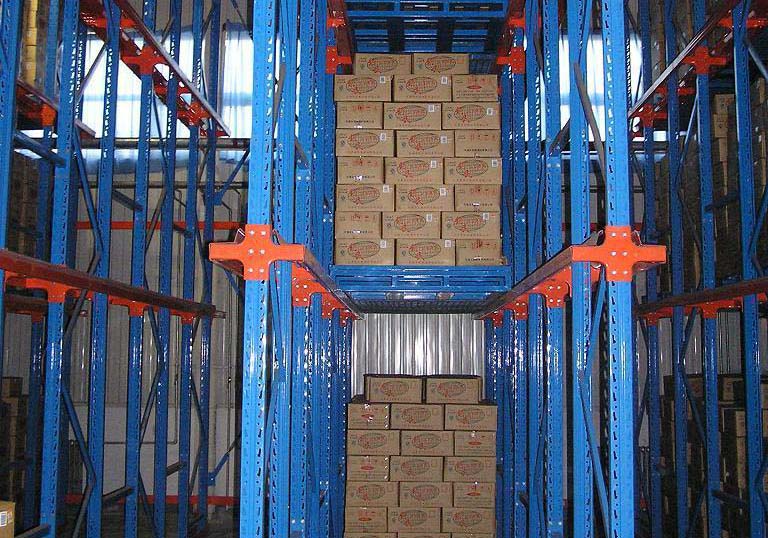
Purchasing 36” depth racks from a specialized vendor often carries a 7–10% higher initial fabrication cost than adjustable standard 48” racks. However, the ROI comes from three operations levers: reduced aisle space (saving rent per pallet position), lower beam material per bay (decreased per‑rack steel weight), and improved inventory visibility (less rummaging). Using data from 147 warehouse retrofits, the average payback period for converting from 48” to 36” racks in SKU‑dense environments is 14 months.
A 36 pallet rack integrates seamlessly with mini‑load cranes and shuttle systems. Since the rack depth matches typical shuttle tunnel lengths, you achieve faster cycle times (reduced shuttle travel distance by 12 inches per cycle). Moreover, for robotic reach trucks, the 36” depth ensures the fork carriage does not exceed the load’s center of gravity band, lowering the risk of tip‑overs. When specifying, ensure the rack's beam connectors are compatible with laser‑guided vehicle (LGV) guidance rails. 36 pallet rack systems from Guangshun come with pre‑punched rail brackets for AGV flow lanes, reducing field welding by 75%.
Do not rely solely on generic catalog images. Use this 8‑point checklist to vet any potential supplier:
✓ Does the manufacturer provide stamped load certificates for each beam and upright size?
✓ Is the steel sourced from ASTM A1011 or equivalent high‑tensile grade (minimum 50 ksi yield)?
✓ Does the coating system include at least 80 microns of powder coat (epoxy‑polyester) for salt‑spray resistance?
✓ Can they supply 3D laser scan integration for your existing floor grid?
✓ Do they offer seismic retrofit kits (cross‑aisle cable bracing, floor‑mounted gussets)?
The shift toward lean inventory and mixed‑load pallets demands storage solutions that reduce wasted cubic volume without compromising safety. A correctly engineered 36 pallet rack solves the conflict between high density and selective accessibility — delivering measurable gains in both floor efficiency and load stability. By following the capacity tables, anchoring specifications, and compliance standards detailed above, facility planners can confidently deploy 36” depth rack configurations that outperform traditional options in total cost of ownership.
Q1: Will a 36 pallet rack safely support standard 40”x48” GMA
pallets?
A1: Yes, but with overhang. A 40” long
pallet will extend 2” beyond the front beam face and 2” beyond the rear,
creating 4” total overhang. This is acceptable as long as the overhang does not
exceed 25% of the pallet length and the load is evenly distributed. For heavy
loads (over 1,500 lbs), add wire decking with waterfall edges to distribute
point loads.
Q2: Can I convert my existing 48” deep selective racks to a 36”
depth?
A2: Generally no. Depth reduction requires
moving the rear uprights forward, which changes the column footprint and anchor
positions. However, you can replace the upright frames and beams with new 36”
components. Guangshun offers a
retrofit kit that includes new frames, step beams, and floor anchors, usually
with less than 4 hours of downtime per bay.
Q3: How does seismic performance differ for a 36 pallet rack compared
to a 48” rack?
A3: Due to the lower depth‑to‑height
ratio, a 36” rack has a 22% higher threshold against toppling in the cross‑aisle
direction (based on shake‑table tests). However, down‑aisle stability requires
row spacers and top‑level horizontal bracing identical to 48” racks. Seismic
calculations must still follow the R factor (3.0 for pallet racks) prescribed by
ASCE 7‑22.
Q4: What beam step increments are available for 36”
racks?
A4: Standard vertical increments are 2” and
3” on center, with slots punched along the upright face. Common beam levels:
27″, 30″, and 33″ clear between beams. This accommodates everything from 24”
tall chemical drums to 44” auto parts stacks. For high‑frequency adjustments,
consider teardrop keyhole or slot‑and‑tab connections.
Q5: Are there special forklift requirements for operating with 36
pallet rack?
A5: Use forklifts with a mast tilt of
at least 5° forward/backward and a fork length between 36” and 42”. Forks longer
than 42” risk punching through the back of the rack. For narrow aisles (sub‑10
ft), order three‑wheel electric trucks or reach trucks with a minimum 2,500 lb
capacity at a 24” load center.
Q6: What fire sprinkler clearance does a 36” rack
need?
A6: For in‑rack sprinklers (NFPA 13), the
horizontal spacing between uprights at 36” depth must allow at least 48” of
clear access for head activation. For ceiling sprinklers, maintain 18” vertical
clearance from the top of the highest load to the sprinkler deflector — same as
any selective rack. Because 36” racks store fewer combustibles per square foot,
some AHJs allow a 10% reduction in water density (ask for a performance‑based
design).
Q7: How do I inspect a 36 pallet rack for
damage?
A7: Follow the RMI “Check It” protocol:
look for bent uprights (any visible sway >1:200 height), missing beam locking
clips, floor anchor pull‑out, and rust penetration deeper than 1/16” on column
bases. Perform inspections every 6 months in high‑impact areas. Use a load gauge
to verify beam deflection — if the beam bows more than 1/2” under full load,
replace it immediately.

 Wechat
Whatsapp
Wechat
Whatsapp