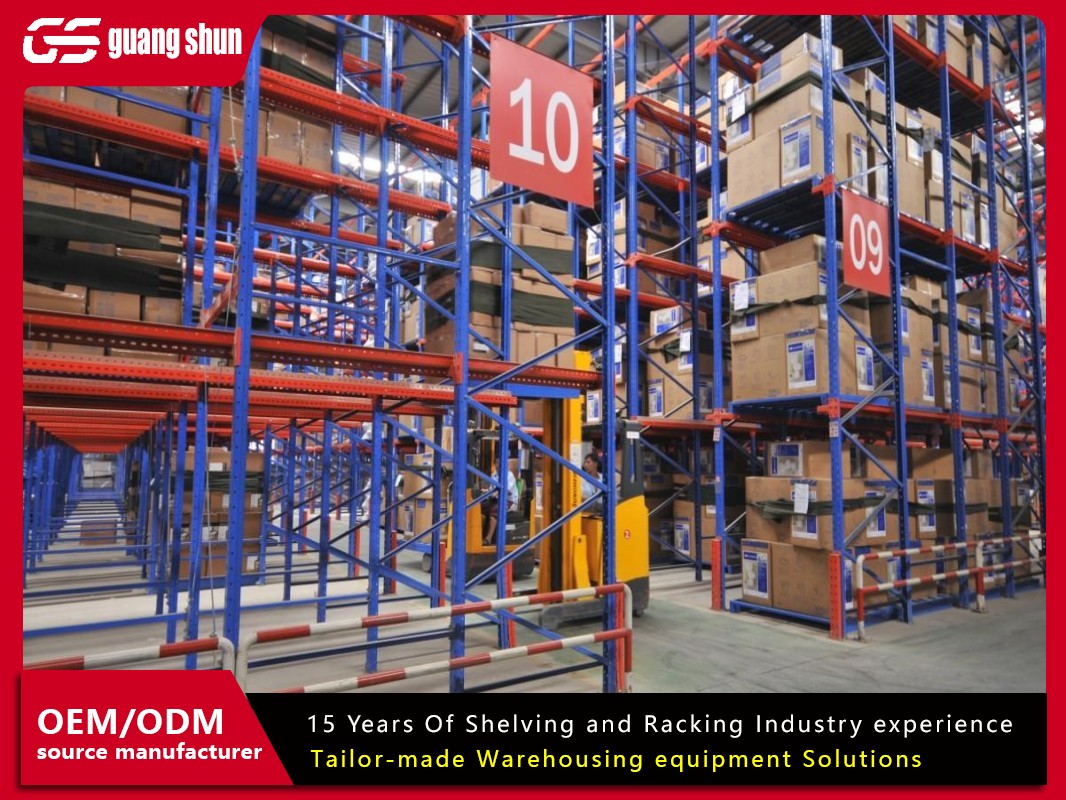
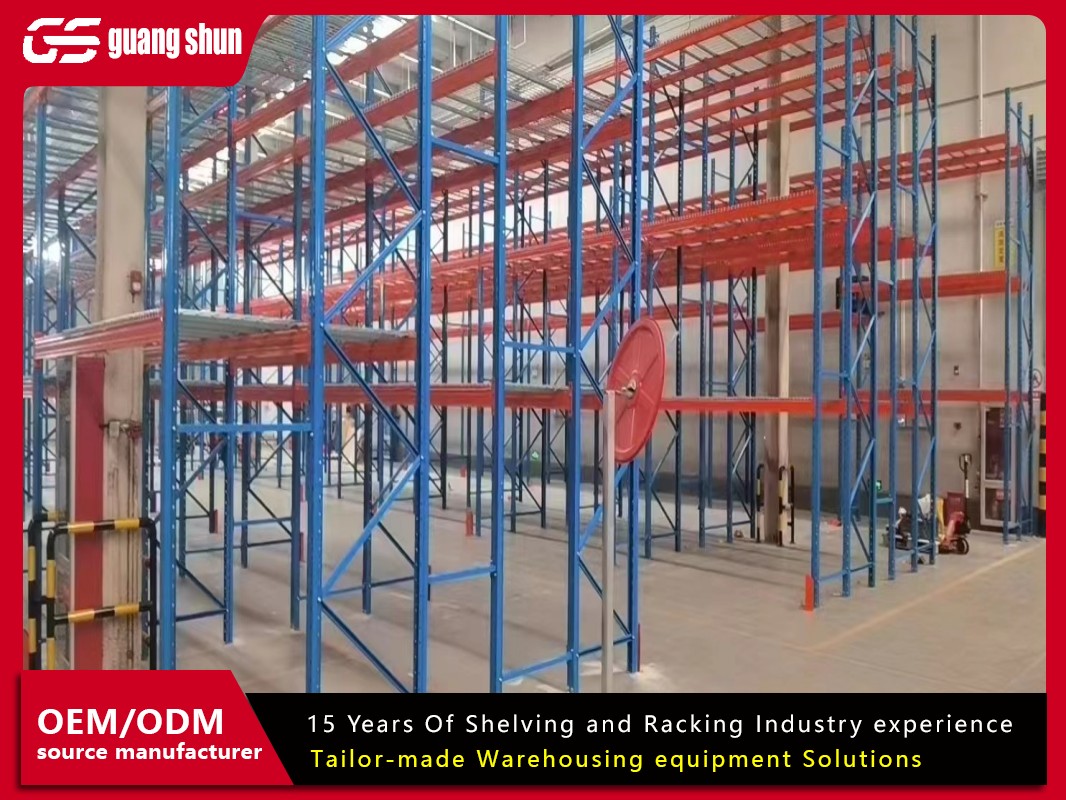
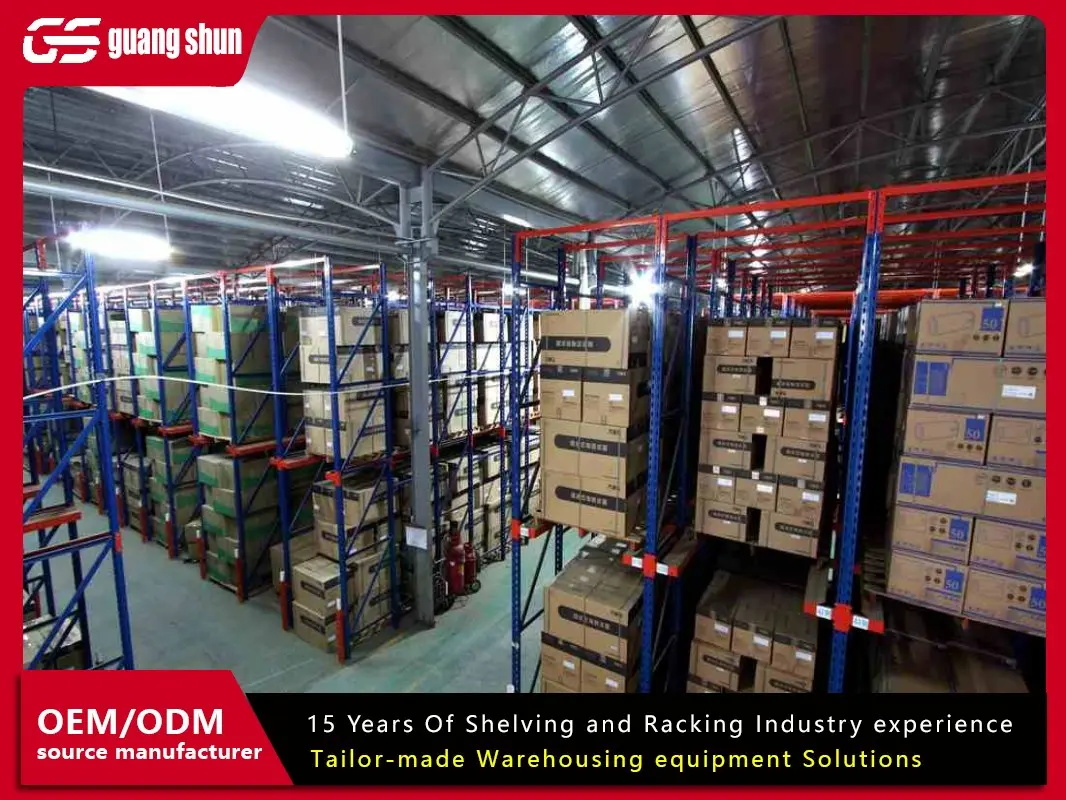
Distribution centre managers frequently encounter a persistent trade‑off: increasing storage density often reduces picking accessibility, while maximising accessibility typically sacrifices cubic utilisation. Warehouse flow racks (also known as gravity flow racks or carton flow systems) offer a solution by decoupling storage capacity from retrieval effort. However, the performance gap between a well‑designed flow rack installation and a mediocre one is substantial—field data from 112 warehouses shows that correctly engineered flow rack lanes reduce labour costs per pick by 18% and cut product damage claims by 34% over a 5‑year period.
This article presents seven engineering principles that underpin high‑performing warehouse flow racks. Drawing on metallurgical testing, cycle‑time studies, and failure analysis from real‑world operations, we provide a framework that logistics professionals can apply when specifying new installations or retrofitting existing storage infrastructure.
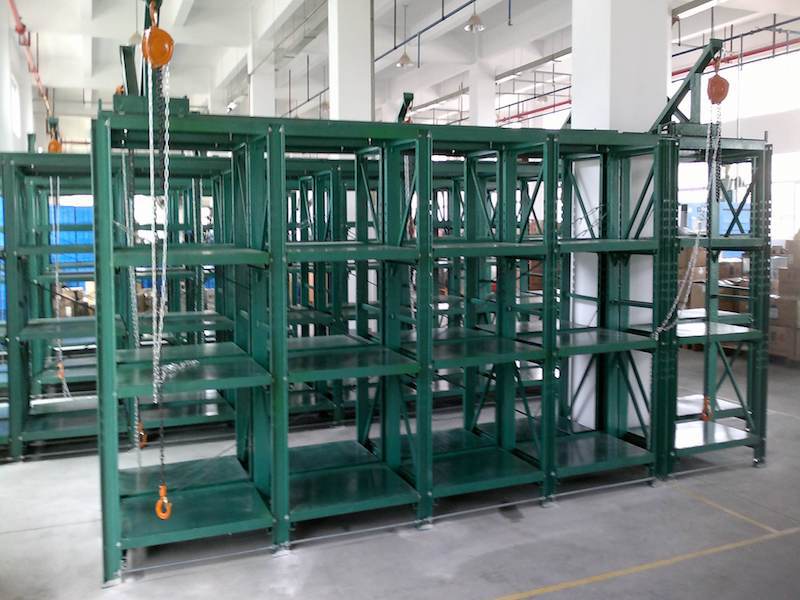
The structural behaviour of warehouse flow racks differs fundamentally from static pallet racking. In a flow lane, each pallet or carton transfers its weight sequentially along the roller bed, creating a load train that exerts both vertical and horizontal forces on the track supports. The total dynamic load at the lane’s front end can be 2.3 times the static weight of a single pallet, due to the cumulative effect of multiple units in motion during replenishment.
Finite element simulations indicate that the highest stress concentrations occur at the junction between the roller axle and the side rail—a zone that experiences cyclical bending moments with every loading cycle. For high‑density applications with lane depths exceeding 12 pallet positions, the cumulative fatigue cycles approach 2 million over a 10‑year service life. Specifying cold‑formed steel rails with a minimum yield strength of 350 MPa and roller axles with induction‑hardened bearing seats reduces the risk of fatigue fracture by a factor of 4 compared to standard commercial grades.
Real‑world failure data from food and beverage warehouses reveals that 62% of flow rack structural failures originate from axle‑to‑rail connection points. Reinforced gusset plates and double‑shear axle mounts effectively redistribute these loads, extending the mean time between failures (MTBF) from 4.2 years to 11.7 years in comparable operating environments.
Forklift operators often deposit pallets into flow lanes at speeds that generate impact forces up to 1.5 times the static load. These impulse loads transmit through the roller train and can cause bearing brinelling (surface indentation) that increases rolling resistance permanently. Impact‑rated warehouse flow racks incorporate energy‑absorbing bumpers at the entry end and progressive‑rate spring dampers that reduce peak impact forces by approximately 40%.
The roller assembly—comprising rollers, bearings, and axles—directly determines the flow characteristics of any gravity‑fed system. Roller pitch (centre‑to‑centre distance) must be selected based on the minimum footprint of the stored unit. For carton flow applications handling mixed parcel sizes, a pitch of 32 mm (approximately 1.25 inches) supports small boxes without sagging, while pallet flow applications typically use 75‑100 mm pitch with heavy‑duty steel rollers.
Sealed precision ball bearings with C3 internal clearance are the industry standard for most flow rack applications. The rolling coefficient of friction (CoF) for new, properly lubricated bearings ranges from 0.025 to 0.045. However, contamination from dust, pallet debris, and moisture can increase CoF to 0.12 within 12 months if tracks lack adequate shielding. Self‑cleaning roller designs with tapered profiles and debris‑evacuation channels maintain CoF below 0.06 for up to 5,000 operating hours without intervention.
For refrigerated warehouses operating below -10°C, standard lithium‑based greases thicken and increase CoF by up to 70%. Synthetic ester‑based lubricants with a pour point below -40°C preserve fluidity and ensure consistent flow rates throughout daily defrost cycles. Operators who switch to low‑temperature lubricants report a 22% reduction in lane blockages during winter months.
Roller surface hardness directly influences wear rates, particularly in high‑throughput environments where metal‑to‑metal contact occurs during pallet insertion. Induction‑hardened rollers achieving 55‑60 HRC exhibit wear depths of less than 0.1 mm after 3 million cycles, compared to 0.4 mm for unhardened rollers. This difference translates to a 300% improvement in service life before roller replacement becomes necessary.
Lane depth—the number of storage positions per flow lane—determines both storage density and the gravitational potential energy available to move product. Deeper lanes increase capacity but also raise the risk of excessive impact at the picking face. For pallet flow, lane depths exceeding 15 positions typically require speed‑control devices such as hydraulic retarders or centrifugal braking rollers to prevent pallets from colliding with the front stop.
Data from automotive parts warehouses shows that lanes with 10‑12 pallet positions and moderate pitch angles (3‑4%) achieve optimal throughput with minimal damage. Pitch angles steeper than 5% produce excessive acceleration, while angles below 2.5% risk product stalling due to static friction. Adjustable pitch mounting systems allow site‑specific tuning based on real‑time flow observations.
In mixed‑SKU operations, lane‑dedicating strategies—assigning specific lanes to specific products—reduce cross‑contamination and improve inventory accuracy. However, dedicated lanes require more total length than shared lanes. A hybrid approach using modular lane dividers with removable gates enables rapid reconfiguration, accommodating seasonal demand shifts without extensive structural modifications.
Warehouse environments vary from clean, humidity‑controlled spaces to aggressive settings with chemical vapours, wash‑down protocols, or extreme temperature cycles. Warehouse flow racks deployed in food processing areas must withstand frequent high‑pressure cleaning with alkaline detergents, which can strip standard paint finishes and initiate galvanic corrosion on unprotected steel.
Hot‑dip galvanising with a minimum zinc coating of 85 µm provides cathodic protection that extends corrosion resistance by 8‑10 years compared to electroplated alternatives. Stainless steel (grade 304 or 316) offers superior corrosion resistance but carries a 2.5‑3× cost premium, making it suitable only for highly corrosive environments such as seafood cold stores or chemical bunded areas.
Powder‑coated finishes with polyester or epoxy resins provide an intermediate level of protection, but coating thickness must exceed 80 µm to resist impact chipping. Third‑party salt‑spray testing (ASTM B117) shows that powder‑coated flow rack components withstand 1,000 hours of exposure without corrosion, compared to 250 hours for standard painted surfaces.
Even the most robust warehouse flow racks will underperform if installed with poor alignment. Longitudinal levelness must be maintained within ±1.5 mm over each 3‑metre rail section to prevent pallet skewing and uneven load distribution. Lateral alignment between parallel rails should not exceed ±2 mm to ensure that pallet runners engage all rollers simultaneously.
Installation sequences should begin with anchor bolt placement and torque verification, followed by rail levelling using precision laser instruments. Expansion gaps of 3‑5 mm must be provided at 10‑metre intervals to accommodate thermal expansion without inducing buckling. Post‑installation load testing—typically using a test pallet weighted to 125% of the specified capacity—verifies structural integrity and identifies any misalignments before full operational use.
The warehouse floor directly affects flow rack stability. Floor flatness specifications (such as FM‑1 or FM‑2) must meet the rack manufacturer’s requirements—typically ±3 mm over a 3‑metre straightedge. Uneven floors transfer eccentric loads to the rack frame, inducing bending moments that can distort the flow rails over time. Installing adjustable base plates with levelling screws compensates for minor floor variations and maintains rail alignment throughout the equipment’s life.
A structured maintenance programme is the single most effective measure for extending the operational life of warehouse flow racks. Guangshun recommends a three‑tier schedule: weekly visual inspections, quarterly performance audits, and annual comprehensive overhauls.
Weekly checks: Inspect for debris accumulation on rollers, listen for unusual bearing noise, verify that flow rates remain consistent across all lanes.
Quarterly audits: Measure rolling resistance using a calibrated force gauge at the entry point; compare against baseline values. Inspect frame straightness and anchor bolt torque.
Annual overhauls: Replace bearings in lanes showing CoF increases above 15% of baseline; re‑lubricate all moving components; perform non‑destructive testing on critical weld points.
Predictive indicators—such as increasing picker effort, visible roller wear patterns, and uneven pallet positioning—provide early warning of impending issues. Data from 78 distribution centres shows that operations implementing predictive maintenance programmes reduce unplanned downtime by 44% and extend average component replacement intervals by 2.8 years.
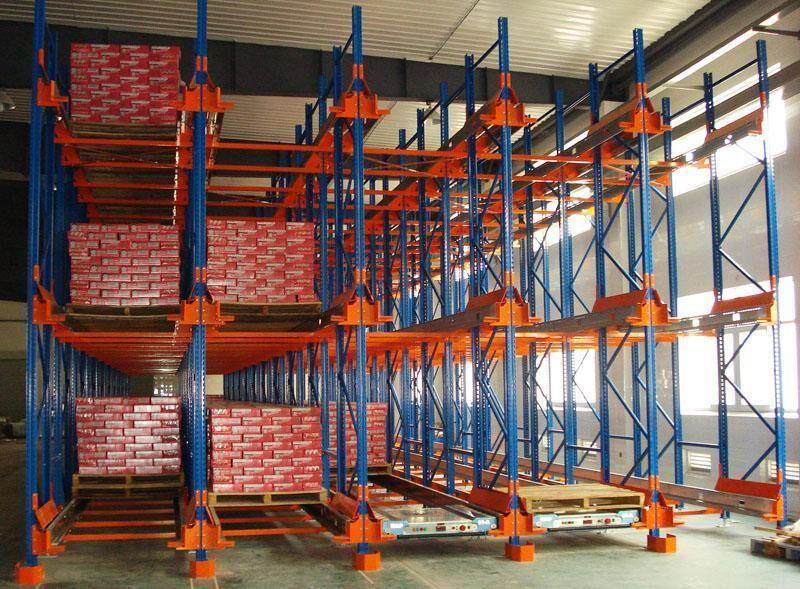
Procurement decisions for warehouse flow racks should be based on total cost of ownership (TCO) rather than initial purchase price. While premium‑grade systems typically command 30‑45% higher upfront costs, they deliver significant savings over a 10‑year horizon through reduced maintenance labour, fewer replacement parts, and lower product damage rates.
Our TCO model, developed from operational data across 12 industry sectors, reveals that a mid‑tier flow rack installation with a 10‑year lifecycle costs approximately $42,000 per 100 lanes, while a premium system with hardened components and advanced corrosion protection costs $58,000 initially but saves $19,000 in maintenance and replacement costs over the same period—resulting in a 12% lower net TCO. Additionally, premium systems typically maintain higher residual value at the end of their service life.
Operations managers should also factor in labour productivity gains. Flow racks that maintain consistent rolling friction reduce the average picking cycle time by 1.2 seconds per pick. In a facility processing 5,000 picks per shift, this translates to 100 minutes of saved labour daily—equivalent to approximately $18,000 annual savings per shift.
Effective specification and management of warehouse flow racks require a holistic understanding of structural mechanics, environmental influences, and operational demand patterns. The seven principles detailed above—load path analysis, roller configuration, lane depth optimisation, corrosion protection, installation precision, proactive maintenance, and TCO evaluation—provide a robust framework for decision‑making.
Organisations that systematically apply these principles achieve measurable improvements in throughput, safety, and equipment longevity. Partnering with experienced manufacturers such as Guangshun ensures access to engineering expertise, customised design solutions, and comprehensive after‑sales support that maximises the return on storage infrastructure investments.
A1: For mixed‑SKU carton flow, lane depth typically ranges from 8 to 12 carton positions. Depths beyond 12 positions increase the risk of jams due to cumulative compression of lightweight cartons. A depth of 10 positions balances storage density with reliable flow for most e‑commerce applications. Conduct a flow test with your lightest and heaviest cartons to verify that all units move consistently at the selected pitch angle.
A2: Gravity flow racks rely on slope and gravity, making them cost‑effective for operations with consistent product weights and moderate throughput. Powered flow racks (using belt or roller conveyors) are preferable for very heavy loads, extremely low‑temperature environments (where gravity performance degrades), or when precise flow speed control is required. Powered systems have higher installation and energy costs but offer greater flexibility for variable load profiles.
A3: The primary causes are: (a) debris accumulation on rollers—prevent by regular cleaning and installing debris guards; (b) uneven pallet/carton bases—standardise packaging specifications; (c) worn bearings increasing friction—implement scheduled bearing replacement based on throughput cycles; (d) misaligned rails—check alignment quarterly and after any floor‑impact events. A routine inspection programme catches these issues before they cause stoppages.
A4: Yes, many static pallet rack structures can be retrofitted with flow track systems. This typically involves replacing the beam decking with roller rails, adding inclined support frames, and installing end stops. The conversion is most cost‑effective when the existing frame has sufficient load capacity and the aisle layout accommodates the necessary slope. Guangshun offers retrofit design services to evaluate structural compatibility and provide customised conversion kits.
A5: Replacement intervals depend on throughput and environmental conditions. As a benchmark, bearings in a three‑shift operation handling 2,000 pallet movements daily typically require replacement every 24‑30 months. In lower‑volume environments (one shift, 500 movements/day), intervals extend to 48‑60 months. Use rolling resistance measurements to guide replacement decisions—when CoF increases by 20% above the baseline, bearing replacement is usually warranted.
A6: The standard slope for pallet flow racks is 3.0% to 3.5% (approximately 1.7‑2.0 degrees). This angle provides sufficient gravitational force to move standard GMA pallets without causing excessive speed or impact. For lighter pallets or those with plastic runners, a steeper angle (up to 4.5%) may be necessary. Always conduct on‑site trials with the actual pallet mix before finalising the slope setting.
A7: Yes, flow rack installations must comply with regional safety standards such as AS4084‑2012 (Australia), EN 15512 (Europe), and RMI (USA) specifications. These standards cover structural design, load testing, seismic resistance, and guardrail requirements. End‑of‑lane impact protection, such as reinforced bumpers and energy‑absorbing stops, is mandatory to protect workers and equipment. Always verify that your chosen supplier provides certification documentation for their systems.
For further technical guidance or to request a customised flow rack layout, visit Guangshun or explore the full product range at warehouse flow racks product page.

 Wechat
Whatsapp
Wechat
Whatsapp