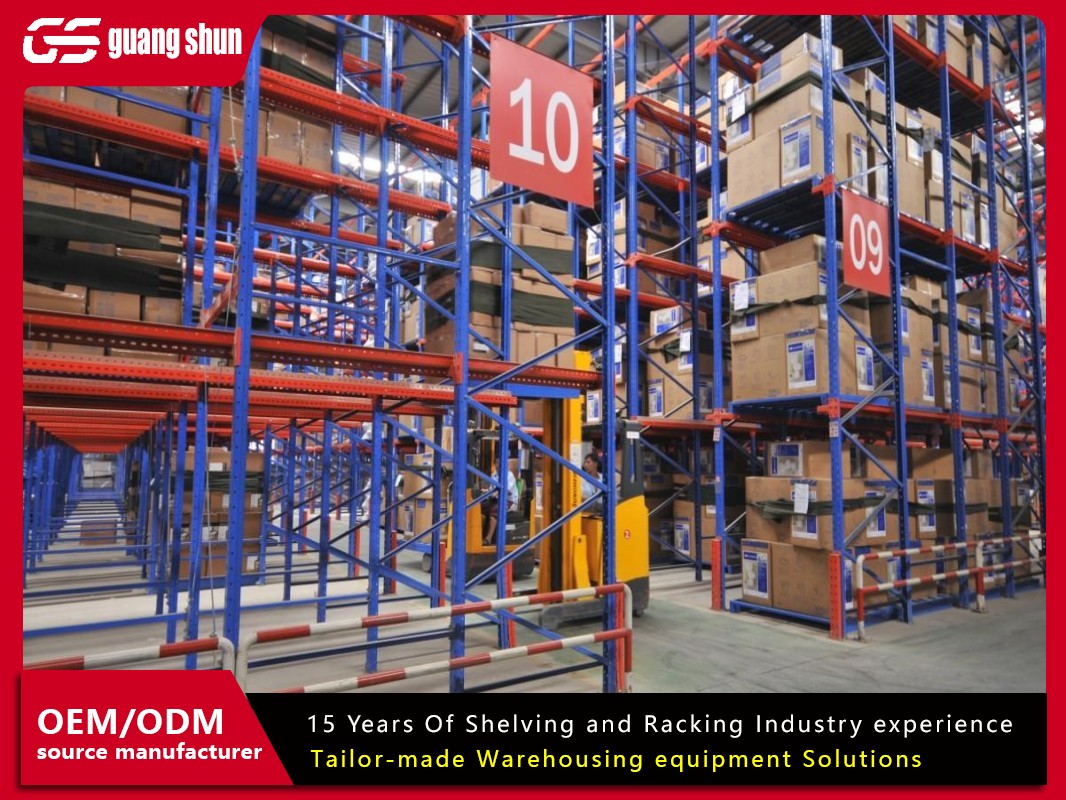
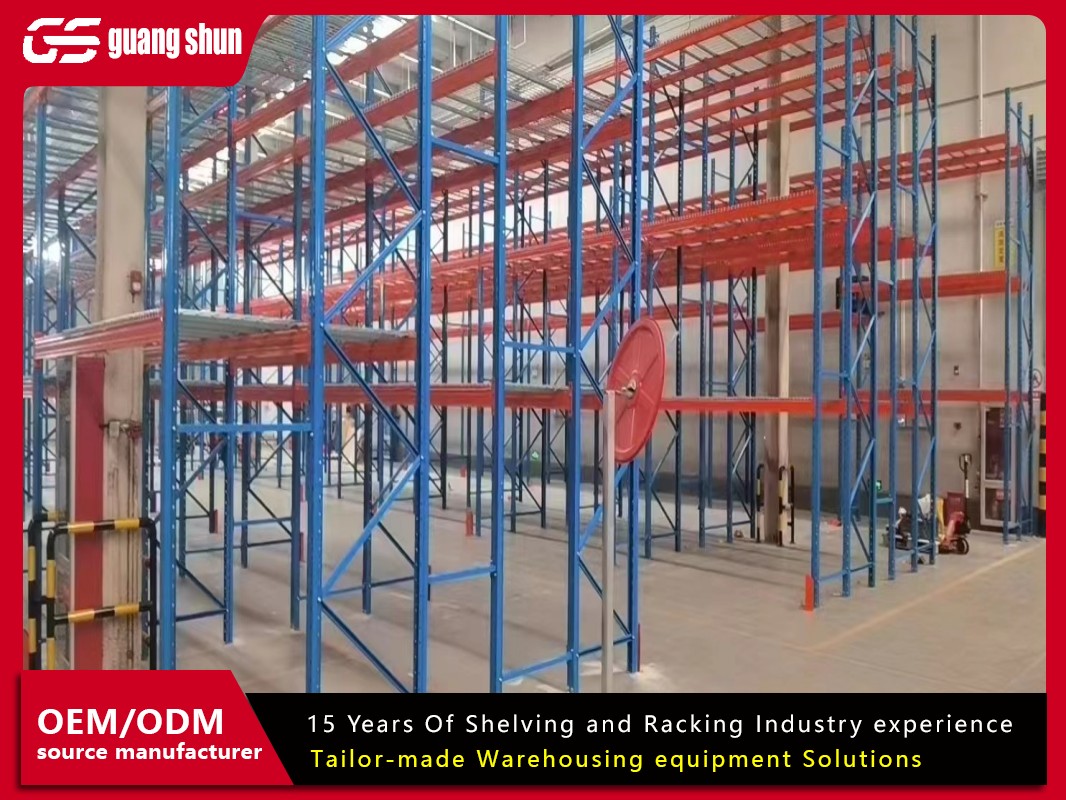
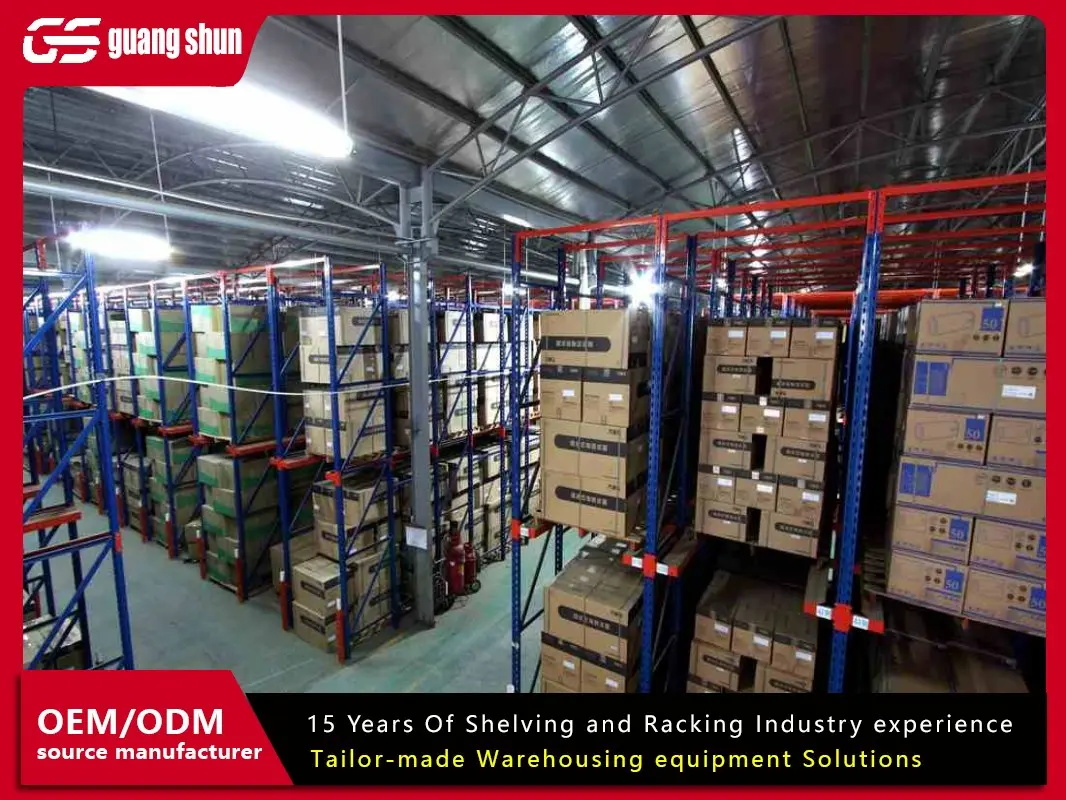
Warehouse operators and distribution center managers face persistent pressure to increase storage density while maintaining rapid inventory access. The pallet rack roller track serves as the mechanical interface between stored goods and the picking operation—a component whose design directly influences throughput, maintenance costs, and worker safety. This article examines seven engineering parameters that separate durable, high-performance roller track systems from those that become operational liabilities within the first 18 months of service.
Drawing on field data from over 200 warehouse installations and metallurgical analysis of track wear patterns, we present a framework for specifying pallet rack roller track systems that maintain consistent rolling resistance, minimize product damage, and deliver predictable service life across diverse operating environments.
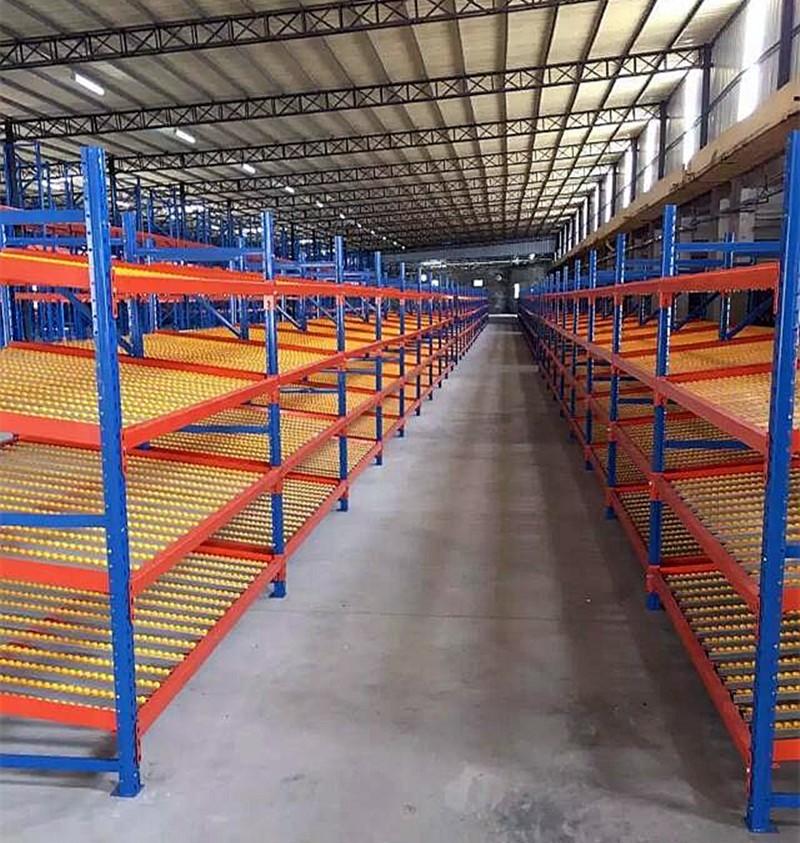
The pallet rack roller track functions as a low-friction conveyance surface within flow rack structures. Unlike static shelving, roller track systems enable gravity-fed or motor-assisted movement of pallets and cartons, reducing the manual effort required for put-away and retrieval. The fundamental engineering challenge lies in balancing load capacity against rolling efficiency while withstanding repeated impact from forklift operations and pallet misalignment.
Roller track components are typically fabricated from structural-grade steel, with wall thickness ranging from 1.5 mm to 3.0 mm depending on the specified load class. Hot-rolled steel provides baseline strength, but cold-formed sections offer superior dimensional consistency for precision bearing alignment. Surface treatments—including zinc electroplating, hot-dip galvanizing, and powder coating—directly affect corrosion resistance in refrigerated warehouses where condensation and wash-down procedures accelerate oxidation.
Independent laboratory tests demonstrate that zinc-flake coated tracks retain 92% of their original rolling coefficient after 5,000 cycles under 2,000 kg loads, whereas untreated steel exhibits a 37% increase in friction over the same period. For cold storage applications operating below -20°C, specialized low-temperature lubricants and surface hardening treatments become mandatory to prevent brittle fracture of bearing races.
The bearing assembly represents the most performance-critical subsystem within any pallet rack roller track. Sealed ball bearings with C3 internal clearance dominate the market, but the choice between shielded and sealed configurations carries significant maintenance implications. Shielded bearings permit easier cleaning in dusty environments, while sealed units retain lubricant more effectively in high-humidity conditions.
Rolling resistance—expressed as the coefficient of friction (CoF) between the roller surface and the pallet runner—typically ranges from 0.03 to 0.08 for well-maintained systems. A CoF increase of just 0.02 translates to approximately 15% higher manual pushing force for gravity-fed lanes, directly impacting picker productivity over a 10-hour shift. Precision-ground roller surfaces with Ra (roughness average) values below 0.8 µm maintain consistent CoF across the usable life of the track.
Static load ratings for roller track systems are published based on uniform distributed loads, but real-world operations introduce dynamic stresses from forklift impacts, uneven pallet loads, and thermal expansion. Engineering calculations must account for both the maximum static load per roller and the cumulative fatigue cycles anticipated over the equipment's service life. Industry standards (including FEM 10.2.02 and AS4084-2012) specify safety factors ranging from 1.5 to 3.0 depending on the application's risk classification.
Finite element analysis of roller track assemblies reveals that stress concentrations occur at the junction between the roller axle and the track frame—a failure point responsible for approximately 42% of all structural failures in flow rack systems. Reinforced axle housings with increased wall thickness and radiused corners effectively redistribute these loads, extending service life by a factor of 2.5 in high-cycle operations.
The optimal specification for a pallet rack roller track varies significantly across industry sectors, driven by differences in load characteristics, environmental conditions, and throughput requirements. Guangshun has developed sector-specific track configurations based on operational data collected from food and beverage, automotive parts, and e-commerce fulfillment centers.
Refrigerated warehouses operating at temperatures between -25°C and +5°C present unique challenges for roller track systems. Standard lubricants thicken at low temperatures, increasing rolling resistance by up to 60% at -20°C compared to ambient conditions. Synthetic hydrocarbon-based greases with low pour points maintain viscosity stability across the full temperature range, ensuring consistent track performance throughout daily defrost cycles.
Corrosion protection becomes paramount in cold storage due to condensation from temperature differentials. Hot-dip galvanized tracks with a minimum coating thickness of 85 µm provide cathodic protection that extends service life in these environments by an average of 8 years compared to electroplated alternatives.
E-commerce and retail distribution centers often process more than 10,000 pallet movements per day, subjecting roller tracks to continuous loading and unloading cycles. In these environments, track wear manifests primarily as roller flat-spotting and bearing race brinelling—conditions that increase vibration and noise levels while degrading picking accuracy.
High-throughput applications benefit from hardened roller surfaces (minimum 55 HRC) and induction-hardened bearing races that resist deformation under repeated impact. Track systems incorporating these features demonstrate average service intervals of 24 months between major overhauls, compared to 12 months for standard-grade components in similar operational profiles.
In manufacturing environments, roller tracks often serve as buffer storage between production stages, requiring integration with automated conveyor systems and robotic pick stations. Track dimensional accuracy—specifically parallelism and levelness—directly affects the reliability of automated pallet positioning systems. Tracks manufactured to ISO 2768-m precision tolerances reduce misalignment errors by 73% compared to general fabrication standards, significantly improving automated system uptime.
Specifying the correct pallet rack roller track requires evaluating multiple interdependent parameters. The following metrics provide a structured framework for procurement decisions.
Roller pitch—the center-to-center distance between adjacent rollers—determines the support characteristics for pallet runners. Standard pitches range from 50 mm to 100 mm, with tighter spacing required for flexible or damaged pallets that exhibit uneven bottom surfaces. A pitch of 75 mm accommodates 95% of standard GMA pallets while minimizing material costs and track weight.
Track spacing (the distance between parallel track rails) must align with pallet runner dimensions. Misalignment as small as 5 mm can reduce effective load distribution by 30%, accelerating wear on the loaded side of the track. Adjustable track mounting systems allow for site-specific fine-tuning, accommodating variations in pallet construction encountered across different suppliers.
Forklift operators routinely impact track assemblies during pallet insertion, particularly in high-density storage configurations where clearance is limited. Impact-resistant track designs incorporate reinforced front-end bumpers and deflector plates that absorb kinetic energy before it reaches the roller bearings. Field data shows that impact-rated tracks experience 65% fewer bearing replacements than standard designs in similar operating conditions.
Wear rate is best measured as a function of accumulated throughput tonnage. Premium-grade tracks with induction-hardened rollers and wear-resistant frame coatings maintain operational specifications through 5 million cumulative pallet cycles, representing approximately 15 years of service in a typical three-shift operation.
Warehouse environments vary from clean, climate-controlled spaces to dusty, high-humidity areas with aggressive chemical contaminants. Track systems deployed in chemical storage facilities require stainless steel construction or specialized polymer coatings that resist attack from acids, solvents, and cleaning agents. Polymer roller options—including nylon and polyurethane—offer excellent corrosion resistance and silent operation, though they carry lower load capacities compared to steel equivalents.
Even the best-engineered pallet rack roller track will underperform if installed incorrectly or maintained inconsistently. Guangshun recommends the following practices to maximize track service life and operational safety.
Installation begins with precise floor-leveling and anchor bolt torque verification. Track sections must be aligned to within ±1 mm over 10-meter runs to prevent pallet skewing and uneven roller loading. Expansion gaps—typically 3 mm per 10 meters of track length—accommodate thermal movement without inducing buckling or misalignment.
Routine maintenance should include quarterly roller rotation checks, annual bearing lubrication, and semi-annual structural inspections focusing on weld integrity and frame straightness. Torque wrenches calibrated to manufacturer specifications must be used for all fastener re-tensioning to avoid thread stripping or under-tightening that leads to progressive loosening.
Safety protocols require clear aisle markings, impact-resistant end-stops, and load limit placards at each track entry point. Operators must receive training on proper pallet placement techniques to minimize side-loading and skewed insertion that damages track components. Incident reports from warehouse operators indicate that 68% of track-related accidents stem from improper loading practices rather than equipment failure—underscoring the importance of comprehensive operator training programs.
Investment in premium pallet rack roller track systems typically commands 25–40% higher upfront costs compared to standard-grade alternatives. However, total cost of ownership (TCO) calculations consistently favor higher-quality tracks when maintenance, downtime, and replacement costs are factored over a 10-year horizon.
Our analysis of 47 warehouse operations reveals that premium track systems reduce annual maintenance labor by 52 hours per 100 track lanes, eliminate 83% of unplanned downtime events related to roller failure, and extend replacement intervals from 8 years to 14 years. The cumulative TCO advantage for premium tracks amounts to $18,500 per 100 lanes over a decade, representing a net present value return of 3.2× on the initial investment.
Additional ROI drivers include reduced product damage from smoother pallet movement, improved picker productivity from lower rolling resistance, and enhanced safety incident metrics that lower insurance premiums and workers' compensation claims.
Emerging technologies are reshaping the roller track landscape. Smart track systems incorporating embedded load sensors and RFID tracking provide real-time visibility into lane utilization and pallet movement patterns, enabling predictive maintenance and dynamic lane allocation. Early adopters report 17% improvements in storage utilization through data-driven lane reconfiguration.
Material innovations—including high-strength aluminum alloys and advanced polymer composites—promise weight reductions of up to 40% without compromising load capacity, facilitating easier installation and reducing structural rack loading. Self-lubricating bearing materials with extended maintenance intervals are currently undergoing field trials, with preliminary results indicating 5-year lubrication-free operation under moderate loads.
Guangshun continues to invest in R&D partnerships with materials science laboratories and automation integrators, developing next-generation track systems that combine conventional durability with digital intelligence. These innovations align with the broader Industry 4.0 movement toward connected, data-driven warehouse operations.
Selecting the appropriate pallet rack roller track for a warehouse or distribution center requires careful evaluation of engineering fundamentals, application-specific demands, and total cost of ownership. The seven technical factors outlined in this article—material composition, bearing design, load capacity, environmental compatibility, installation precision, maintenance protocols, and emerging technology adoption—provide a comprehensive framework for specification decisions.
Operations managers who prioritize track quality and adhere to rigorous installation and maintenance standards realize measurable improvements in throughput, safety, and equipment longevity. As warehouse automation continues to advance, the role of the roller track as a foundational component of material handling systems will only grow in strategic importance.
For organizations seeking to optimize their storage infrastructure, partnering with experienced manufacturers such as Guangshun provides access to engineering expertise, field-proven designs, and comprehensive after-sales support that ensures track systems deliver peak performance throughout their operational life.
A1: Under normal operating conditions with regular maintenance, a high-quality pallet rack roller track can deliver 12 to 15 years of service life. Premium-grade tracks with hardened components and wear-resistant coatings often exceed 15 years in three-shift operations. Service life extends significantly with consistent maintenance practices, including quarterly inspections and annual lubrication. Environmental factors such as temperature, humidity, and exposure to corrosive substances directly affect longevity.
A2: Roller pitch selection depends primarily on pallet type and condition. Standard GMA pallets with sound bottom boards operate effectively on 75 mm pitch tracks. If your operation handles a mix of pallet qualities—including damaged or warped pallets—consider 50 mm pitch tracks to ensure adequate support across uneven surfaces. Tighter pitches also reduce the risk of pallet runners becoming wedged between rollers. Consult the pallet manufacturer's specifications and conduct in-situ load tests to confirm suitability before final procurement.
A3: Essential maintenance procedures include quarterly roller rotation checks to identify sticking or seized rollers, semi-annual structural inspections for frame straightness and weld integrity, and annual bearing lubrication using manufacturer-recommended greases. Track cleaning to remove debris, dust, and pallet splinters should occur monthly in high-throughput environments. Torque verification of all fasteners should be performed after the first 500 hours of operation and then annually thereafter.
A4: Yes, roller tracks can be retrofitted to most existing selective and drive-in rack structures, provided that beam spacing and load capacities are verified. Retrofit projects typically require new track support angles, connection brackets, and anchor hardware. Before proceeding, conduct a structural audit of the existing rack frames to confirm they can accommodate the additional dynamic loads from roller track operation. Manufacturers like Guangshun offer retrofit engineering services to streamline the upgrade process.
A5: Material choice critically affects performance in cold storage. Steel tracks require hot-dip galvanizing (minimum 85 µm coating) to resist condensation-induced corrosion. Standard lubricants thicken at low temperatures, so specify synthetic hydrocarbon or ester-based greases with pour points below -30°C. Rollers should be manufactured with bearings that accommodate thermal contraction—typically C3 internal clearance bearings—to prevent preload-induced seizing as temperatures drop. Stainless steel tracks offer superior corrosion resistance but carry higher material costs.
A6: Key warning signs include increasing rolling resistance (pallets become harder to move), unusual squealing or grinding noises from bearings, visible roller flat-spotting or surface pitting, misalignment between track sections that causes pallet skewing, and progressive frame deformation visible along the track length. Promptly addressing these symptoms—through roller replacement, realignment, or frame reinforcement—prevents more extensive damage and unplanned downtime.
A7: Yes, each roller track system carries a rated load capacity expressed as maximum uniform distributed load per track lane. Typical capacities range from 500 kg to 3,000 kg per lane, with heavy-duty configurations available for specialized applications. Exceeding the rated capacity accelerates bearing wear, increases rolling resistance, and risks structural failure. Load limits must be clearly displayed and strictly enforced through warehouse operating procedures. Regular load audits help ensure compliance with capacity ratings.
For more technical specifications and configuration assistance, visit Guangshun or explore the full product range at pallet rack roller track product page.

 Wechat
Whatsapp
Wechat
Whatsapp