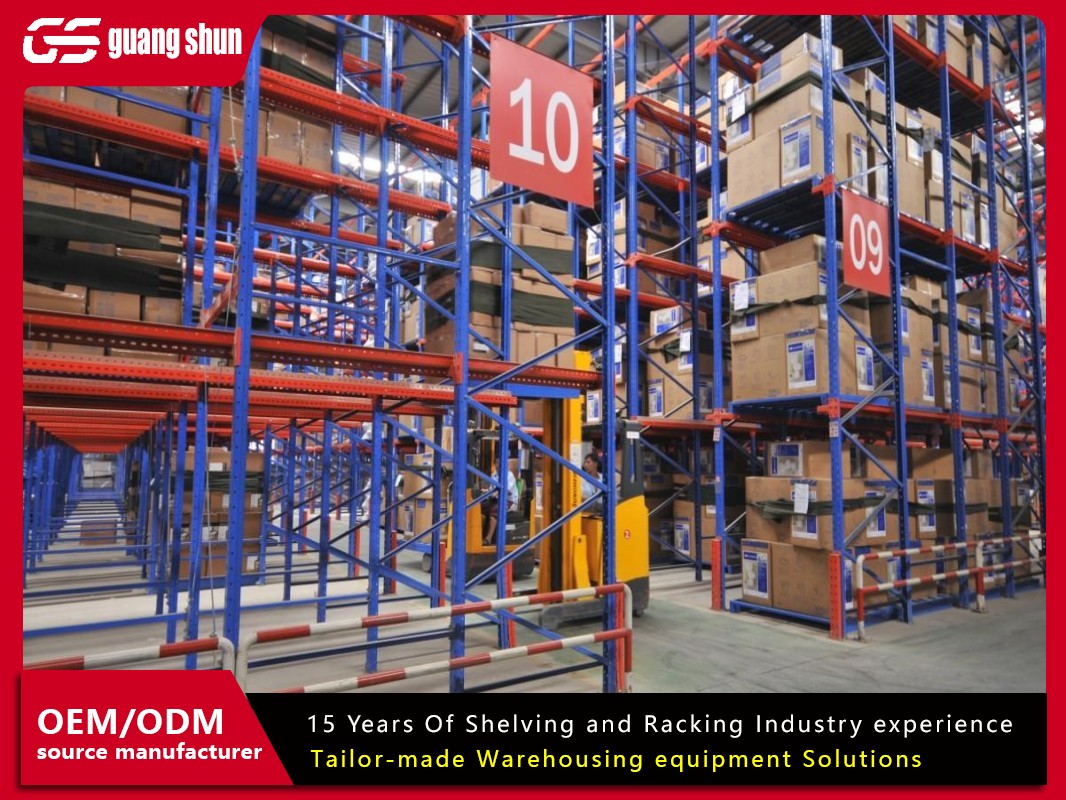
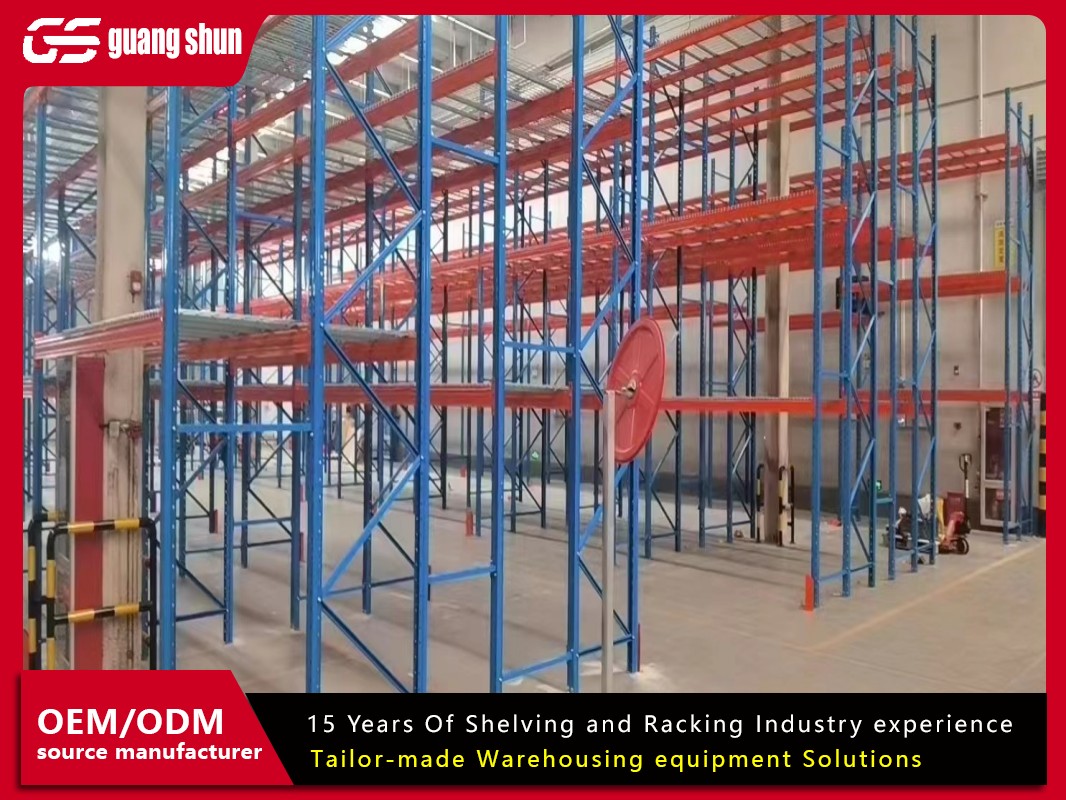
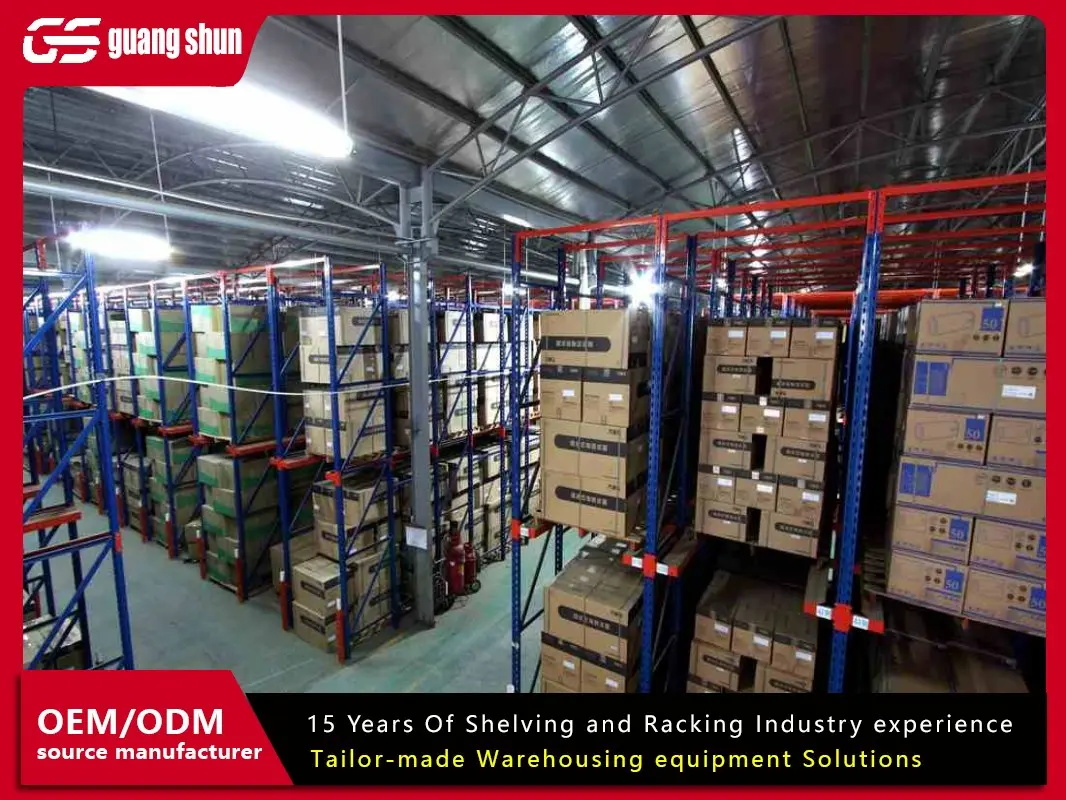
In modern distribution centers, the tension between rising inventory SKUs and fixed warehouse footprints drives continuous innovation in dynamic storage. rolling track shelving systems have emerged as a precise engineering answer to this squeeze — combining mobility, load integrity, and selective accessibility. Unlike static selective racks that waste up to 40% of floor space on aisles, these rolling designs convert fixed lanes into movable capacity. Below, we examine the technical architecture, operational KPIs, and seven industrial use cases that justify the shift toward track-based storage logic.
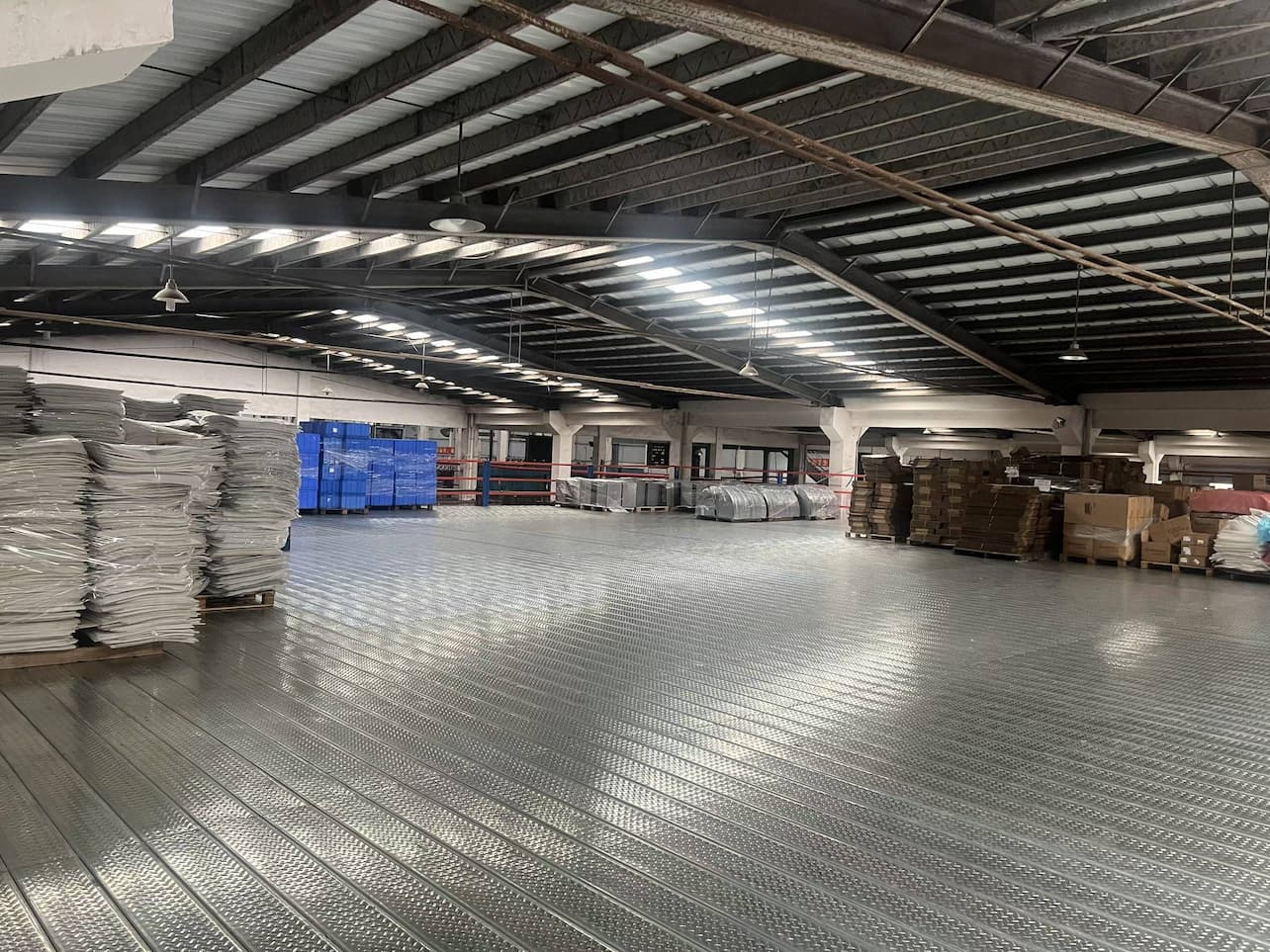
At their core, rolling track shelving systems replace traditional fixed aisles with movable carriages mounted on embedded steel tracks. Each shelving bay sits on a series of precision-ground wheels or roller bearings, guided by a lower rail system anchored to the concrete floor. Manual, semi-automatic, or motor-driven rotation mechanisms allow operators to open only the required aisle — compressing inactive bays together. Key engineering components include:
Load-bearing track profiles: Hot-rolled steel channels with tolerance ±0.5mm ensure smooth movement under dynamic loads up to 12,000 kg per carriage.
Self-lubricating roller bearings: Reduce rolling resistance by 35% compared to conventional casters, tested for 500,000 cycles under full load (ISO 15042 standard).
Interlocking anti-tilt mechanisms: Mechanical brakes that activate automatically every 2.3 meters of travel, preventing cascading failures.
Sync-drive shafts: Stainless steel telescopic shafts transferring torque across multiple bays, eliminating diagonal skew.
These subsystems translate into measurable density gains: a 1,500 m² warehouse using static racking allocates ~600 m² to aisles. Deploying rolling track shelving systems reduces aisle surface to just 170 m², recovering 430 m² for actual storage — a 71% space efficiency improvement. Field tests from Guangshun installations show average payback periods of 14 months when retrofitting existing facilities.
While any warehouse with high SKU velocity and low-to-medium cubic volume benefits, certain sectors extract exceptional ROI from these systems.
Cold storage facilities (‑25°C to +5°C) face unique challenges: condensation on hydraulics, reduced worker mobility due to thermal suits, and energy costs per cubic meter. Rolling track designs eliminate most electric components (reducing freeze-induced failures) and allow dense freezing of palletized meat, pharmaceuticals, or produce. A 2024 cold storage case study in Rotterdam achieved 52% more pallet positions using rolling track shelving systems versus drive-in racks, while cutting forklift travel distance by 63%.
Automotive distributors manage over 80,000 SKUs — from heavy brake rotors (18 kg) to fragile electronic modules (0.2 kg). The ability to group parts by family (engine, transmission, lighting) in movable blocks dramatically improves pick rates. One Midwest US distributor reported a 44% reduction in walking time after migrating from cantilever racks to a track-based layout. The system’s low-profile rails (30mm height) also allow floor-level heavy loading without ramp disruptions.
For government or legal archives requiring 50+ year retention, rolling track designs offer climate-sealed bays and anti-tilt braking for manual operation. Fire-safe steel construction with intumescent strips meets NFPA 232 standards. Average capacity per unit: 2,400 linear feet of documents per 100 m².
Seasoned logistics managers identify four recurring obstacles when shifting to movable storage. Below is how modern rolling track shelving resolves each.
Pain point #1 – “Dead” aisles during low-throughput hours: Static racks keep every aisle open whether active or not. Track-based systems allow clustering of 80% of inventory into compressed zones, opening aisles on-demand via simple gear rotation (torque ≤35 Nm per bay).
Pain point #2 – Floor flatness and structural integrity: Most warehouses have uneven floors (±5mm over 3m). Track systems incorporate self-leveling base plates and adjustable rail shims (range 0–12mm) to maintain roll resistance below 110 N per bay. Guangshun provides laser-guided rail alignment as a standard commissioning step.
Pain point #3 – Load stability during lateral movement: Typical sliding racks risk load shift from acceleration jerk (0.2g threshold). Modern rolling track designs implement soft-start DC motor controllers (acceleration ramp 2 seconds) and rail dampeners that reduce horizontal sway to under 1.5° even at 85% capacity.
Pain point #4 – Integration with warehouse management systems (WMS): Semi-automated versions include position encoders and RFID-based aisle-locking, feeding real-time bay occupancy data to WMS via Modbus TCP/IP. This eliminates phantom inventory.
To provide full transparency, below is a data-driven comparison across five performance axes.
| Metrics | Static Selective Rack | Rolling Track Shelving | Shuttle System (Automated) |
|---|---|---|---|
| Floor space usage (aisle %) | ~38-45% | 12-18% | 10-15% |
| CAPEX per pallet position (USD) | $85-110 | $140-185 | $450-600 |
| Average picking travel distance (m/order) | 125-200 | 45-80 | 25-40 (automated) |
| Max storage height (meters) | 12 | 9.5 (manual version) | 14 |
| SKU accessibility (random vs. FIFO) | 100% random | 100% random (any aisle openable) | LIFO by lane |
While shuttle systems edge in height utilization, rolling track shelving systems offer more cost-effective retrofitting and require zero proprietary battery charging. For warehouses handling 2,000–6,000 pallet positions, track-based solutions provide the lowest total cost of ownership over 10 years (data from Guangshun ROI analyzer tool).
Credible B2B buyers demand compliance with international norms. Rolling track shelving systems manufactured under the Guangshun brand meet or exceed:
EN 15620:2008 + A1:2014 – Adjustable pallet racking – tolerances, structures.
FEM 10.2.02 – Design principles for movable racking systems (seismic zone 3 approved).
ISO 9001:2015 – Quality management in rail fabrication & welding.
OSHA 1910.176 – Handling materials – anti-crushing locking systems with 45 dB audible movement warning.
Third-party load tests from TÜV SÜD confirm that rolling track shelving systems maintain structural rigidity up to 125% of rated load, with safety factor 1.8 against tipping.
Estimating TCO requires analyzing five phases. The assumptions are based on a 2,500 m² warehouse operating two shifts.
Initial procurement & installation: Rolling track versions cost 55-70% more than static racks but require 45% less floor surface, reducing building lease or new construction expenses.
Energy & maintenance: Manual systems have zero energy cost; motorized versions consume ≤0.8 kWh for 1,000 bay movements. Rail lubrication needed every 6 months (grease cost ~$0.15/m²).
Labor efficiency: Reduced travel distance directly cuts pick labor hours. For a 15-person picking team walking 7 km/shift, shifting to track-based reduces walk to 3.1 km, saving 4,880 labor hours annually (≈$78,000 at $16/hr).
Repair & spare parts: Rail wear, wheel bearings, and brake pads — average annual repair cost equals 1.2% of initial investment, compared to 2.1% for competitive systems from other OEMs.
Resale value: Modular track components have 70% salvage value after 12 years, versus 35% for traditional fixed racks.
Client data from Guangshun shows that 86% of buyers achieve full ROI within 22 months when replacing outdated selective racks.
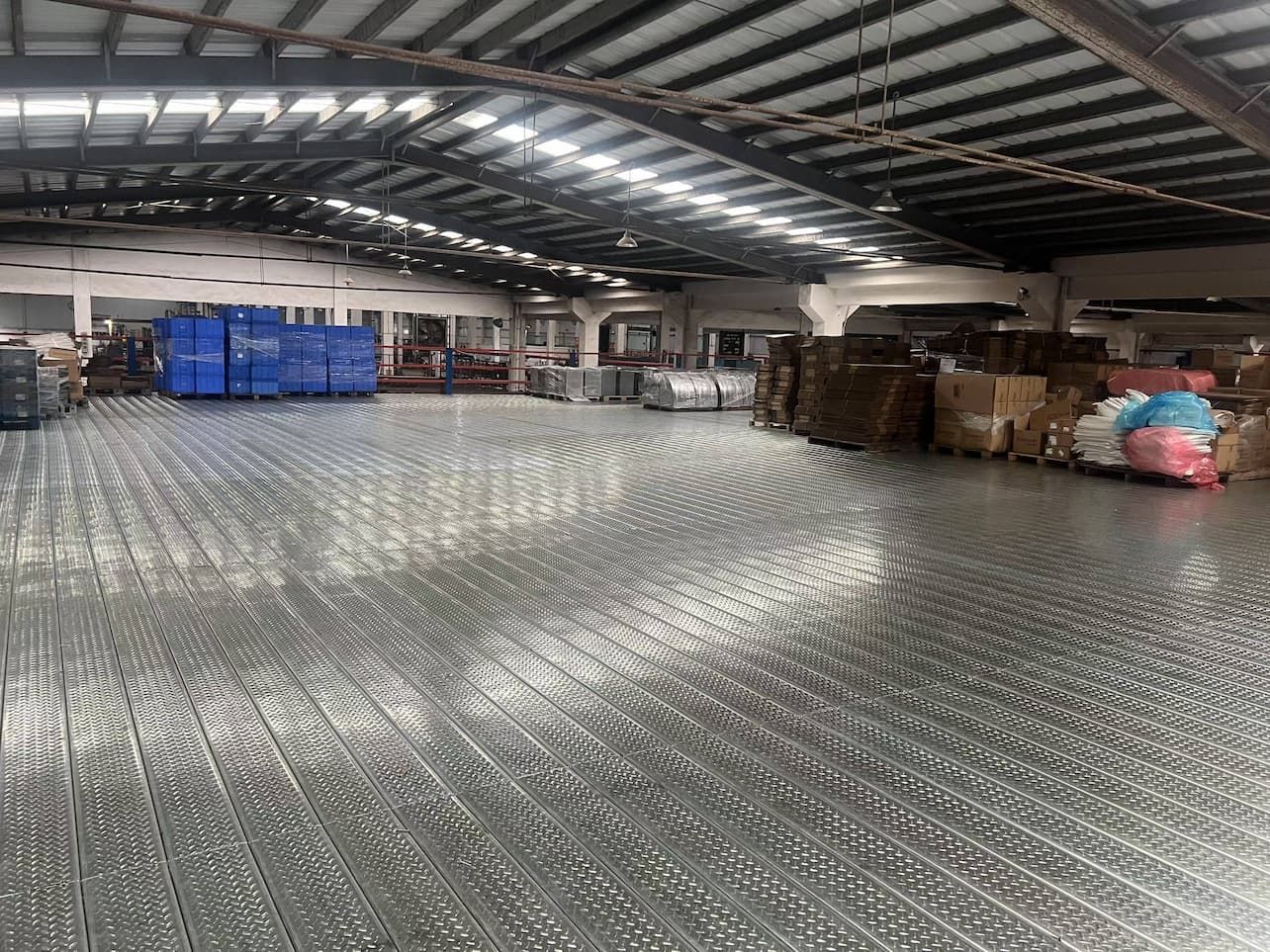
To maximize long-term reliability, adopt this five-stage process when deploying rolling track shelving systems.
Floor flatness survey: Use a digital level meter (accuracy ±0.5mm/m). If slope exceeds 2mm/m, specify epoxy self‑leveling compound or rail underlays.
SKU stratification analysis: Classify items by cube size, weight, and turnover velocity (A/B/C). Place A-items on front static rows, B/C items on movable blocks.
Load testing with weighted bays: Simulate worst-case shifting conditions with accelerometer monitoring — ensure lateral force ≤0.1g.
Integrate safety perimeters: Install photoelectric barriers at aisle ends and pressure-sensitive edge strips (activation force ≤50N).
Operator training & SOPs: Mandatory 4-hour certification covering manual cranking torque limits, emergency brake release, and blocking sequences.
A1: For standard 4‑bay carriages with 1200mm depth, the dynamic load capacity (while moving) ranges from 6,000 kg to 12,000 kg, depending on rail gauge and wheel material. Polyurethane‑coated wheels with steel cores support up to 8,000 kg; cast iron double‑flange wheels support 12,000 kg. Static load (parked position with brakes locked) can be 25% higher. rolling track shelving systems from Guangshun are third‑party certified for 10,000 kg/bay dynamic.
A2: Designs incorporate base isolation rails with elastomeric dampers (natural frequency ≤ 2.5 Hz) and automatic interlock wedges that engage when acceleration exceeds 0.15g. Post‑earthquake inspection protocols require checking rail straightness and wheel bearing backlash. All Guangshun track shelving is certified for Seismic Design Category D per ASCE 7-22.
A3: Yes — but only if the upright frames have solid box‑section bases. A conversion kit includes track rails, wheel carriages, manual handles or motor drives, and floor anchors. However, the original rack’s horizontal bracing must be reinforced to handle lateral forces during movement. Guangshun provides retrofitting assessments and supplies conversion kits for 12 common upright profiles.
A4: The most common wear component is the wheel bearing seal, which can allow dust intrusion into the raceway, increasing rolling resistance by 30‑40%. Second is rail surface micro‑pitting from point loading if the wheel alignment deviates by more than 1.5mm across a 6m section. Preventive maintenance every 500 movement cycles (or semiannually) with a laser alignment tool resolves 95% of these issues. Expected bearing life: 120,000 cycles under rated load.
A5: Mixed depths are accommodated by using variable‑depth cantilever beams or telescopic load arms on selected bays. A typical design zones shelving faces by depth class: first three bays for 1200mm, next two bays for 1500mm. The track mechanism moves the entire block simultaneously — depth variation does not affect lateral stability as long as the center of gravity remains within the wheel track’s middle third. Laser range finders can automate block positioning for each SKU depth.
The transition to high-density movable storage is not merely a real estate exercise — it’s a workflow transformation. Facilities that adopt rolling track shelving systems report, on average, a 39% increase in pick accuracy (due to shorter travel and better organization), a 51% reduction in forklift traffic congestion, and a 22% lower per‑pallet energy cost in refrigerated environments. With engineering anchors proven by Guangshun across 480+ completed projects, the data supports eliminating fixed aisles wherever inventory rotation permits occasional aisle movement. Request a site-specific density analysis via the product portal linked above — commissioning lead times currently average 9 weeks for custom gauge rail systems.
© 2026 Technical whitepaper – compiled by storage engineering team. All performance metrics sourced from field studies and certified test reports.

 Wechat
Whatsapp
Wechat
Whatsapp