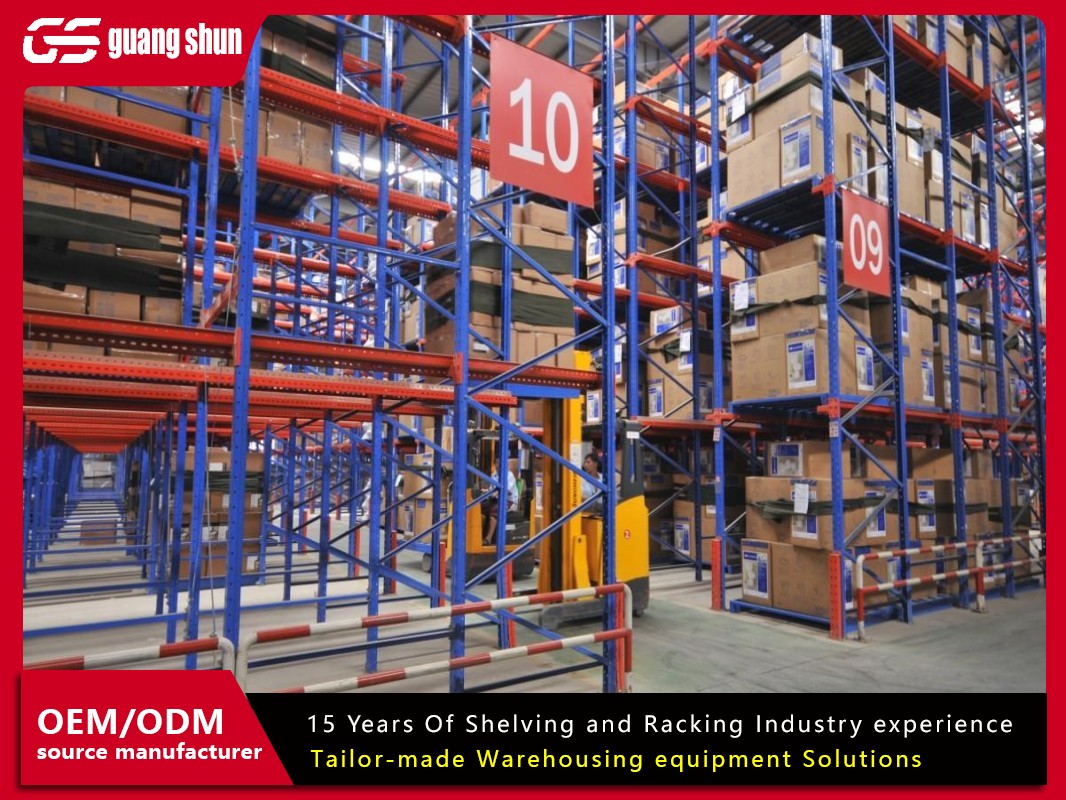
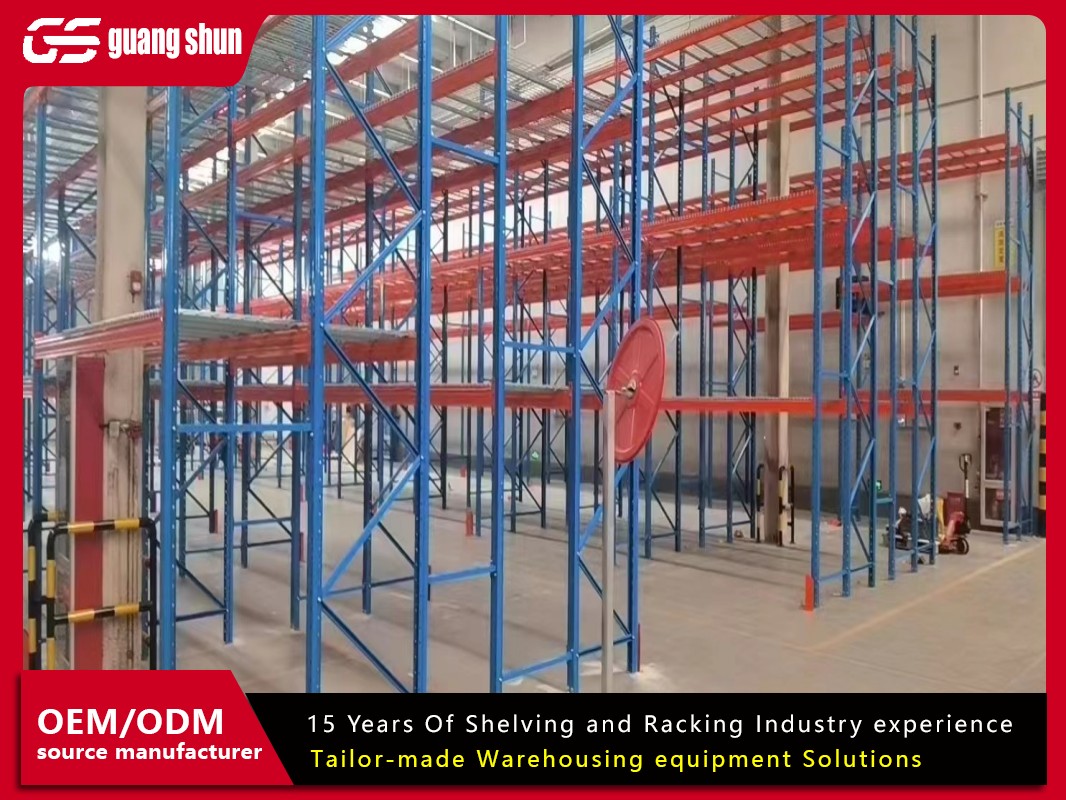
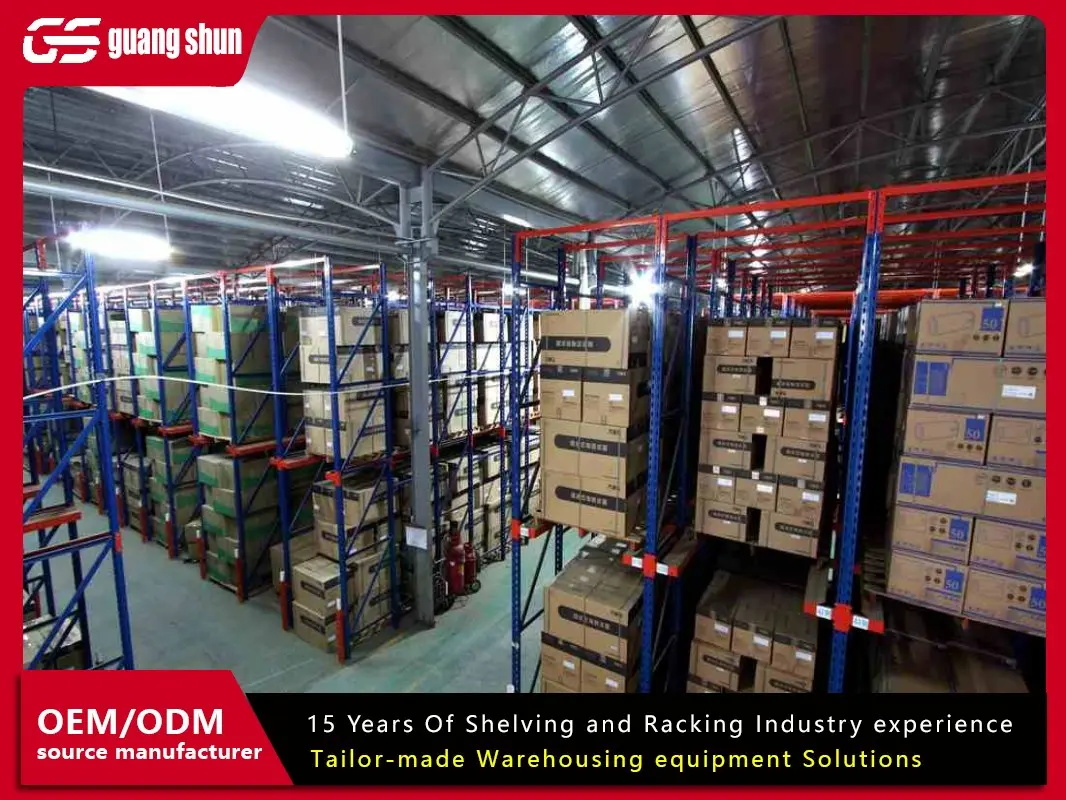
Is your warehouse running out of space? Are you storing large quantities of the same product, but finding that standard shelving just isn't efficient? You might be looking at the problem from the wrong angle. Instead of expanding outwards, the answer could be to store deeper.
That's where a drive in storage racking system comes into play. This is a popular type of pallet racking designed to maximize storage density in your existing footprint. It’s a go-to choice for many operations needing to store a lot of a few things, not a little of many things.
Let’s break down what this system is, how it works, and whether it’s the right fit for your storage challenges.
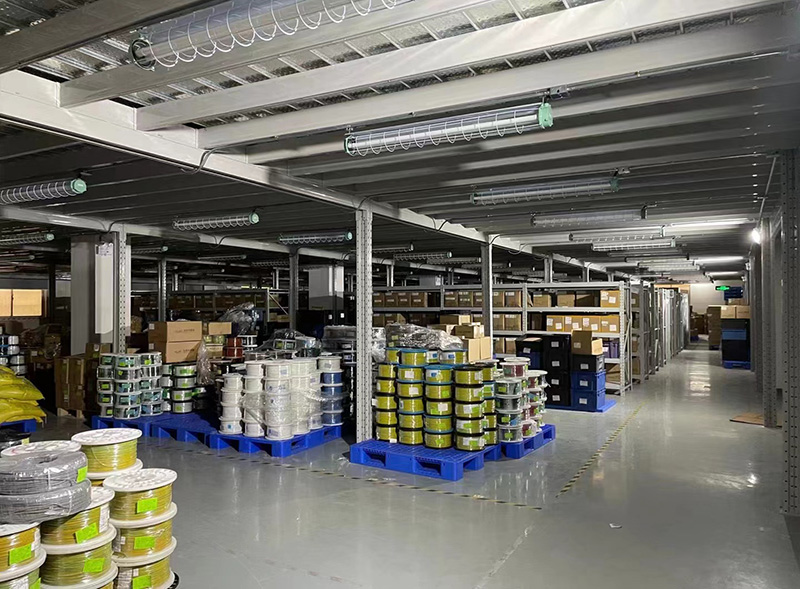
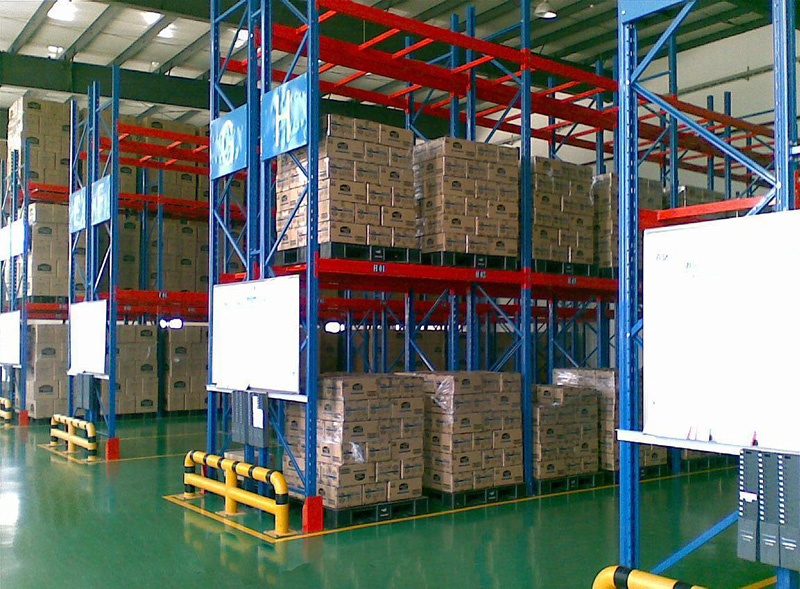
A drive in storage racking system is a high-density pallet storage solution. Unlike selective racking where each pallet faces an aisle, this system allows forklifts to literally drive into the rack structure itself.
Pallets are stored on rails that run multiple pallets deep, from the front to the back of a single, continuous lane. There are no aisles between the racks within a single bay. Aisles only exist at the front of each lane for the forklift to enter and exit.
This design philosophy sacrifices direct access to every single pallet. In exchange, it offers significantly higher storage density by eliminating numerous access aisles. It’s a classic trade-off: space savings for accessibility.
The operation of a drive in racking system is straightforward but requires a skilled forklift operator. The structure consists of upright frames and horizontal rails that create a series of "tunnels" or lanes.
Each lane can be several pallets deep. The forklift enters the lane, places a pallet on the rails at the desired depth, and reverses out. To retrieve a pallet, the process is reversed.
Most systems operate on a Last-In, First-Out (LIFO) basis. The last pallet put into the lane is the first one taken out, as it blocks access to the pallets behind it. Some configurations can be designed for First-In, First-Out (FIFO) access by having an entrance on one side and an exit on the other, though this is less common.
The rails are the critical component. They must be robust enough to support the load and guide the forklift’s wheels safely into the structure. Safety features like guide rails and wheel guards are integral to the design.
Why would a warehouse manager choose this system? The benefits are compelling for the right application.
The number one advantage is unparalleled storage density. By removing interior aisles, you can often store 60-75% more pallets in the same floor space compared to selective racking. This directly translates to lower cost per stored pallet.
It is excellent for high-volume storage of products with low SKU variety. Think seasonal items, beverage cans, packaging materials, or raw materials used in large, consistent batches.
The system itself is relatively simple in design. It uses standard upright frames and heavy-duty rails. This can make it a more cost-effective high-density option compared to more complex automated systems.
It also provides good protection for the stored goods. The pallets are housed within the rack structure, less exposed to potential damage from passing forklift traffic in main aisles.
No system is perfect. The drive in storage racking system has several significant limitations that must be understood before implementation.
The most notable drawback is reduced selectivity. You cannot access any pallet at any time. If you need a pallet from the back of a full lane, you must first remove all the pallets in front of it. This is called "honeycombing" and it kills productivity.
It inherently operates on a LIFO inventory method. This makes it unsuitable for perishable goods, items with expiration dates, or products requiring strict lot rotation. It’s built for bulk storage, not rotation.
Forklift operation within the rack is slower and requires a high level of skill. The operator must navigate narrow lanes precisely to avoid costly collisions with the rack structure. This can increase training needs and insurance costs.
The system’s throughput speed is lower than selective racking. It is designed for storage, not fast-paced order picking for multiple SKUs.
The suitability of a drive in racking system is almost entirely defined by your inventory profile.
It shines when you have a high volume of a single SKU. Examples include a brewery storing pallets of the same beer can, a paper products company with rolls of the same paper grade, or a freezer warehouse storing one type of frozen vegetable.
It is perfect for seasonal goods. Off-season items like patio furniture, holiday decorations, or winter tires can be densely stored away and retrieved in bulk when the season arrives.
It works well for raw materials in manufacturing that are used in large, predictable batches. Long-term storage of stable, non-perishable products is its sweet spot.
If your operation requires frequent access to many different SKUs, this is the wrong system for you.
How does a drive in storage racking system stack up against its cousins in the high-density family?
Compared to Selective Pallet Racking, the difference is clear: selective offers 100% accessibility with lower density. Drive-in sacrifices access for space. The choice is between flexibility and volume.
Push-Back Racking is a close relative. It also stores pallets multiple deep but uses a series of nested carts on inclined rails. It offers better selectivity than drive-in (typically 2-4 pallets deep per lane) and operates on LIFO. It’s often seen as a more user-friendly, but more expensive, step between selective and drive-in.
Pallet Flow Racking (gravity flow) is a high-density system built for FIFO. Pallets flow from the load side to the pick side on rollers. It’s excellent for fast-moving, perishable goods but is more complex and costly than a basic drive in system.
Drive-Through Racking is essentially a drive-in rack with access from both ends, enabling FIFO operation. It requires more aisle space but solves the inventory rotation problem for drive-in racking.
Safety is paramount when operating within a rack structure. A drive in racking system introduces unique hazards.
The rack structure itself becomes a confined space for the forklift. Robust column guards, rail protectors, and guide rails are non-negotiable to prevent structural damage from impacts.
Forklift operators require specialized training. They must be proficient in maneuvering in tight spaces, positioning loads at depth, and understanding the lane’s weight limits and clearances.
The design must include clear visibility aids, proper lighting within the lanes, and highly visible aisle markers. Floor quality is also crucial; a level, durable floor is needed to ensure smooth and safe forklift entry.
Regular, documented inspections of the rack structure for damage, especially on the guide rails and uprights inside the lanes, are essential. A single bent component can lead to a major accident.
Success with a drive in racking system starts with meticulous planning.
First, conduct a thorough analysis of your inventory. You need clear data on SKU counts, pallet volumes, and turnover rates for each product. This system is not for unpredictable or highly varied inventory.
Work with a qualified rack designer or engineer. They will calculate the load requirements, determine the optimal lane depth (balancing density with accessibility), and design the layout to integrate with your existing warehouse flow.
Consider the forklift equipment. Not all forklifts are suitable. You may need models with specific mast configurations, visibility features, or maneuverability ratings to operate safely and efficiently within the racks.
Plan for the future. While the system is less flexible, consider how future inventory changes might affect its utility. Some modularity in design can be helpful.
Once installed, proper operation and maintenance sustain the system’s safety and efficiency.
Enforce strict rules about lane dedication. Never mix SKUs within a single lane. This is a recipe for confusion, inefficiency, and product loss.
Implement a clear lane management system. Use signage to indicate the product stored, the date of storage, and the lane’s maximum capacity. Warehouse management system (WMS) integration is highly beneficial for tracking which pallet is in which position.
Schedule regular professional inspections of the entire structure. Focus on connection integrity, alignment, and any signs of impact or wear on the critical rails and uprights inside the lanes.
Train all staff, not just operators, on the system’s limitations. Everyone should understand why certain access rules are in place to prevent unsafe retrieval attempts.
Q1: What is the main difference between drive-in and drive-through racking?
A1: The main difference is access. A drive in storage racking system has access from only one side of the lane, leading to LIFO inventory flow. Drive-through racking has access from both ends, allowing pallets to be loaded on one side and retrieved from the other, enabling FIFO flow.
Q2: How deep can the lanes typically be in a drive-in system?
A2: Lane depth is variable and depends on the product weight, forklift type, and turnover needs. Lanes commonly range from 3 to 10 pallets deep. Beyond this, retrieval inefficiencies and "honeycombing" often outweigh the space benefits.
Q3: Is drive-in racking safe? It looks risky for forklift drivers.
A3: With proper design, training, and operation, it can be very safe. Key safety elements include qualified forklift operators, comprehensive impact protection (column guards, guide rails), adequate lighting, a level floor, and a strict adherence to loading/unloading procedures and lane discipline.
Q4: Can I use any type of forklift with this system?
A4: No. Forklifts need to be compatible with the rack’s clearances. Factors like mast height, overall truck width, and load capacity are critical. Using a forklift that is too large or not designed for this environment is dangerous and can damage the rack.
Q5: For what type of products is drive-in racking a poor choice?
A5: It is a poor choice for perishable goods, items with expiration dates, products requiring strict lot control (FIFO), high-SKU environments, and for fast-moving order picking operations where access to many different SKUs is needed quickly. It is designed for bulk, low-variety storage.

 Wechat
Whatsapp
Wechat
Whatsapp