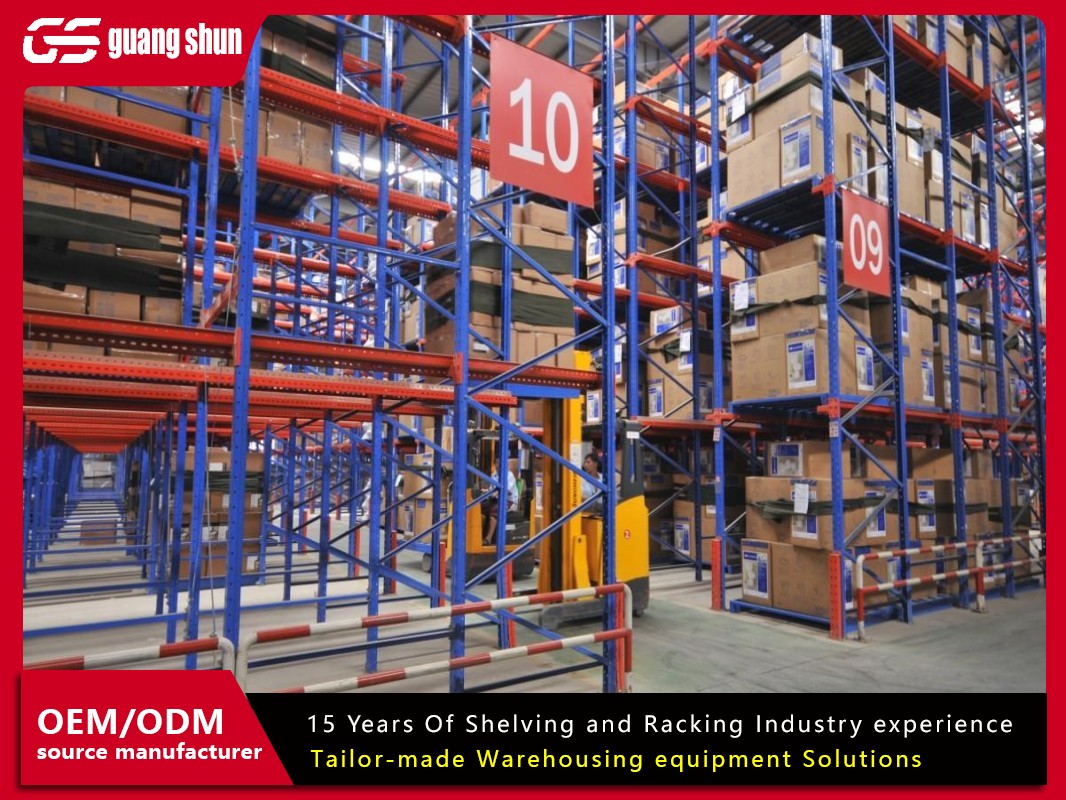
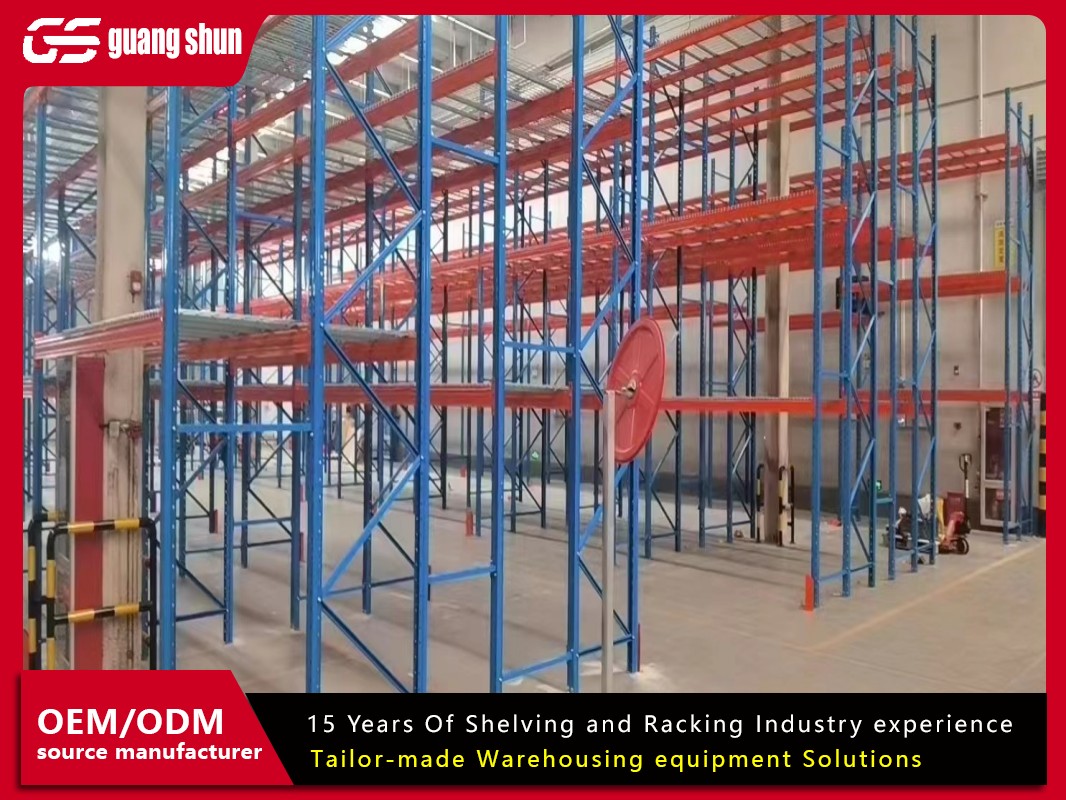
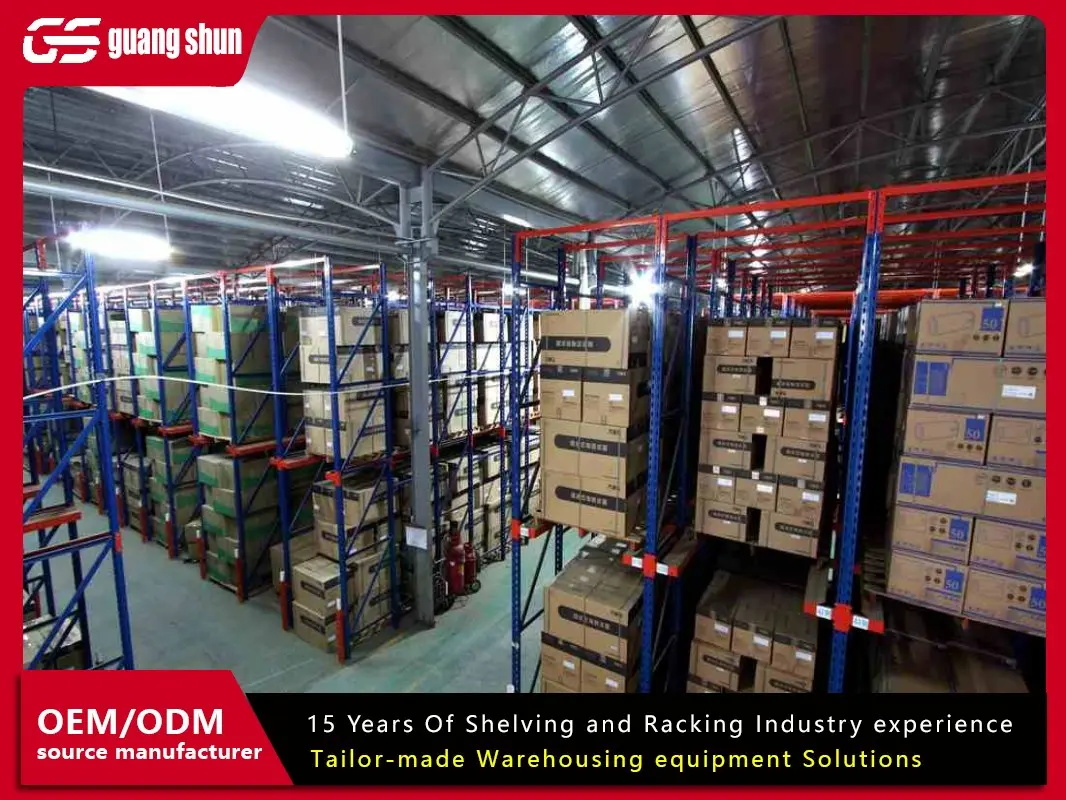
If you're searching for "drive in pallet racking prices," you're likely evaluating your warehouse's storage density needs. You know this system saves space, but the cost landscape can be confusing. Prices aren't a single number; they are a sum of many variables.
Understanding these variables is the key to making a smart investment and accurate budgeting. This breakdown will clarify what you're actually paying for and how to navigate the purchasing process effectively.
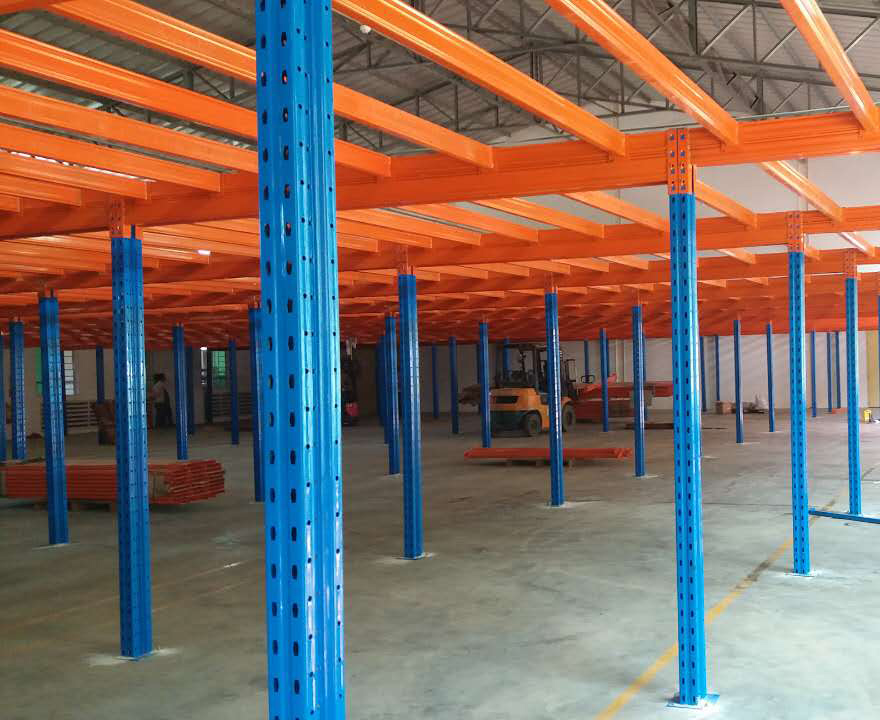
Drive-in pallet racking prices are primarily dictated by three tangible factors: the amount of steel, its quality, and the engineering complexity.
First, configuration scale is paramount. The price is essentially calculated per "bay" (a vertical storage opening). A system that is 6 levels high will cost significantly more per bay than one 3 levels high, as it uses more upright frames, rails, and safety components. The total number of bays you need directly multiplies the cost.
Second, material specifications matter immensely. The thickness of the steel in the upright columns (measured in gauge) and the structural depth of the load beams are critical. Heavier load capacities (e.g., 2,000 lbs per pallet vs. 1,000 lbs) require more robust, and therefore more expensive, components. The quality of the steel grade and the paint finish also influence both price and longevity.
Finally, site-specific design and engineering contribute to the final quote. Is your floor perfectly level? Does the design require special bracing for seismic zones? Complex installations or need for professional CAD drawings will add to the initial project cost but are non-negotiable for safety and performance.
Providing a single price for drive in pallet racking is misleading. However, for budgeting purposes, you can think in terms of cost per bay. For a standard, medium-duty configuration, expect a range.
For a typical bay supporting pallets around 1,500 to 2,500 lbs, prices can range from $1,200 to $2,500+ per bay. This is a very broad range because it depends entirely on the factors above.
A basic, 2-pallet-deep bay with 3 levels might fall toward the lower end. A high-bay, 5-pallet-deep system designed for 3,000 lb loads will push toward the high end or exceed it. Remember, this bay cost usually includes the upright frames, rails, entrance guides, and necessary safety locks. It typically does not include pallets, forklifts, or sometimes even installation.
When comparing drive in pallet racking prices, look beyond the per-bay figure. The total project cost includes several ancillary items that can surprise unprepared buyers.
Professional installation is a major line item. Installing drive-in systems is complex and dangerous if done incorrectly. Installation costs can add 15% to 30% on top of the rack material cost. Always factor this in.
Required accessories are not optional. Pallets must be in exceptional condition and are often specially specified. Forklift guidance systems (like wheel guides on the floor) are highly recommended to protect the structure. Column protectors, end-of-aisle guards, and signage are critical safety adds.
Site preparation can be a cost. This may include floor leveling, sealing, or marking. Don't forget freight/shipping costs for the heavy steel, which have risen dramatically and are often quoted separately.
To move from online estimates to a firm price, you need to prepare. Follow these steps to ensure you get comparable, accurate quotes from suppliers.
First, document your specs clearly. Know your pallet dimensions (length, width, height, weight) and the total number of unique SKUs you need to store. Calculate your required throughput (pallets in/out per day).
Second, map your space. Have accurate warehouse drawings with clear ceiling height, column locations, sprinkler head positions, and door placements. This is crucial for a proper design.
Third, solicit multiple designs. Provide your specs to several reputable suppliers. Ask them to provide a CAD layout and a detailed line-item quote. This allows you to compare not just the total drive in pallet racking prices, but the component quality and design efficiency.
Finally, compare the total package. Scrutinize the quote for material specs (steel gauge), included accessories, warranty terms, installation cost, and delivery timeline. The cheapest material price may lead to higher installation costs or a less durable system.
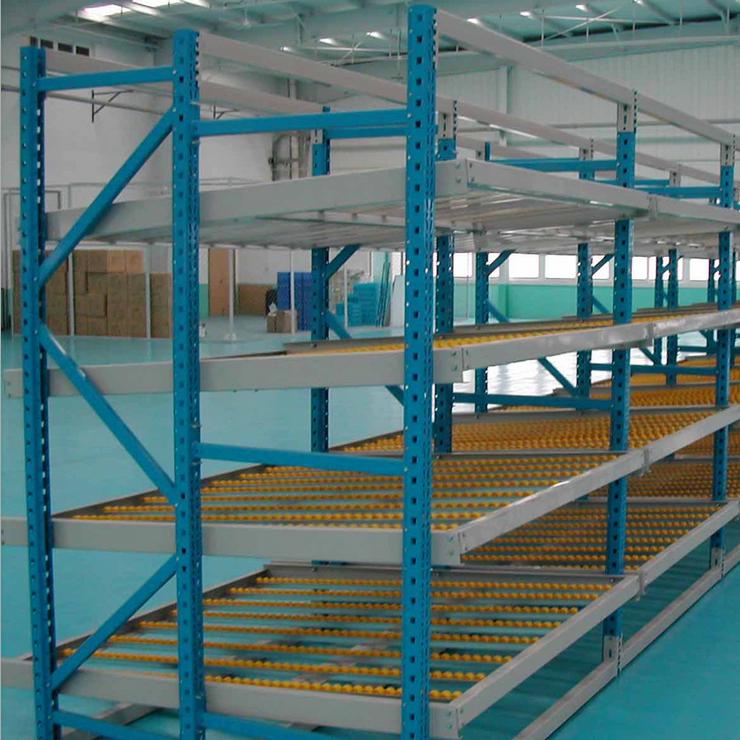
The lowest initial drive in pallet racking prices do not always mean the best value. Consider the total cost of ownership over 10-15 years.
A slightly more expensive system with thicker steel, a superior powder-coat finish, and professional installation will resist damage better, require less maintenance, and have a longer lifespan. It will also dramatically reduce the risk of catastrophic collapse—a risk you cannot afford.
Invest in quality engineering and professional installation. It protects your inventory, your personnel, and your operational continuity. The right drive-in system, chosen for value, pays for itself through reliable, dense storage for years to come.
Q1: What is the typical price range for a complete drive-in pallet racking system?
A1: There is no single "typical" price, as it scales with size and specs. For budgeting, think in terms of $1,200 to $2,500+ per storage bay. A full system with 20 bays could range from approximately $24,000 to $50,000 or more for the racking materials alone, before installation, accessories, and shipping.
Q2: What are the biggest factors that cause drive in pallet racking prices to vary?
A2: The three largest factors are: 1) System Height and Depth (more levels and depth = more steel), 2) Load Capacity Requirements (heavier loads need thicker, costlier steel), and 3) Site-Specific Engineering (complex layouts or seismic requirements add design and material cost).
Q3: Can I install drive-in racking myself to save on costs?
A3: It is strongly discouraged. Drive-in systems are complex and require precise alignment and torquing of bolts to be safe and stable. Improper installation is a leading cause of racking failure. Professional installation, while adding to the initial drive in pallet racking prices, is a critical safety and warranty investment.
Q4: Are used drive-in racking systems a good way to save money?
A4: They can be, but caution is essential. You must verify the exact specifications (load capacity, condition) match your needs. Used components from different manufacturers are often incompatible. Have a qualified engineer inspect the used racks for damage or wear, especially at connection points, before purchase.
Q5: Does the price include necessary safety accessories?
A5: Often, basic safety items like column guards and rail locks may be included in a quote. However, crucial items like forklift guidance systems, high-visibility end-of-aisle protectors, and comprehensive signage are frequently listed as separate line items. Always clarify what is and isn't included in the quoted drive in pallet racking prices.

 Wechat
Whatsapp
Wechat
Whatsapp