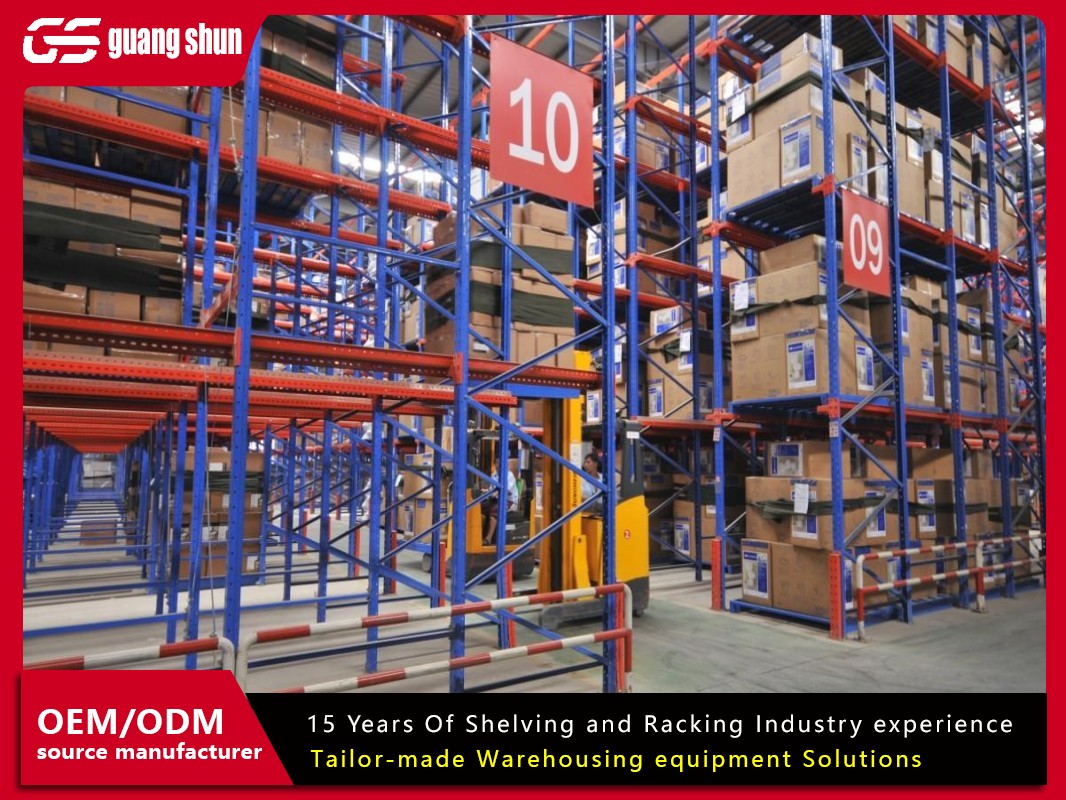
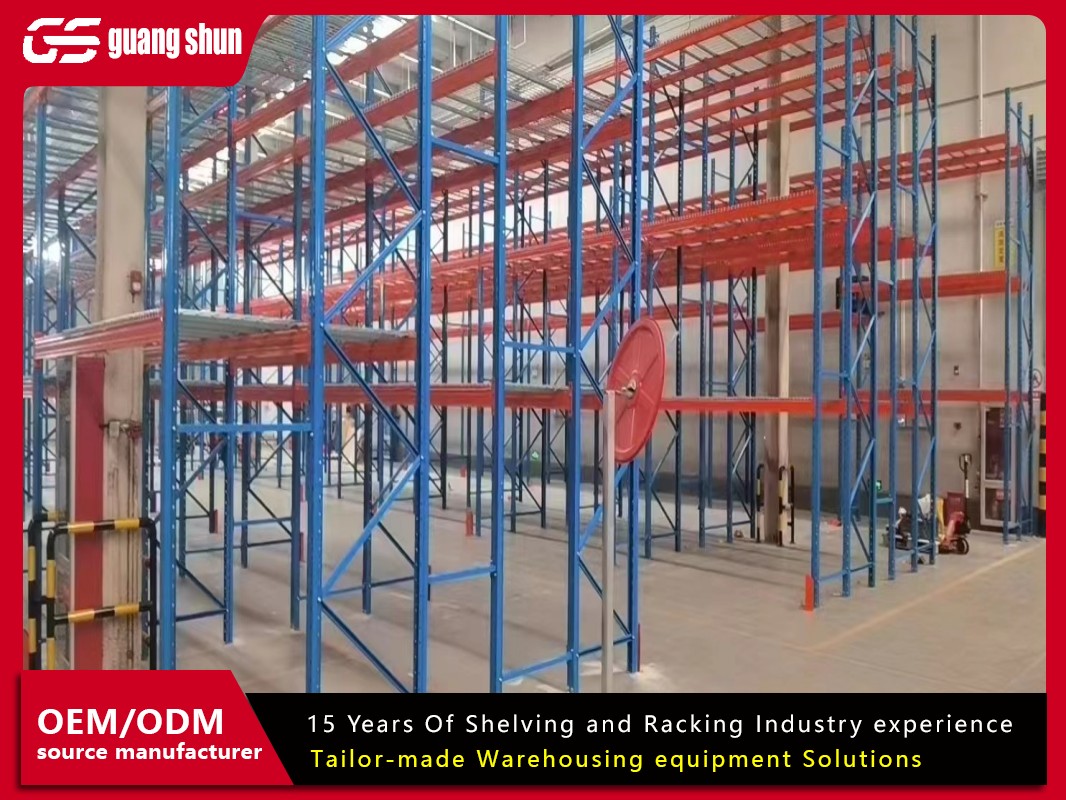
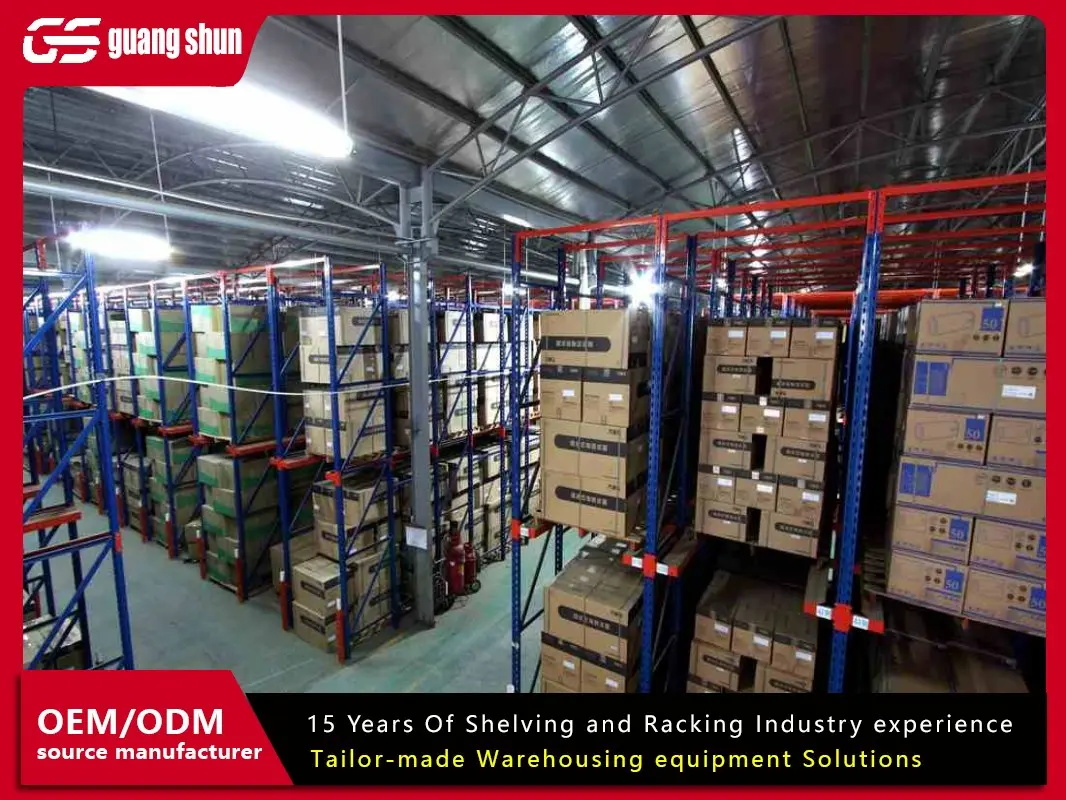
Running out of space is a constant headache for warehouse managers. You look around your facility and see aisles taking up more room than the actual product. Moving to a bigger facility is expensive and disruptive. Expanding your current footprint might not be an option. This is where high-density storage solutions come into play. Among the most effective options available today is the rack penetrable drive in system.
This storage method changes the rules of traditional warehousing. It eliminates the need for multiple service aisles. It allows you to store more pallets in less cubic footage. If you deal with large quantities of uniform goods, this might be the game-changer your logistics operation needs.
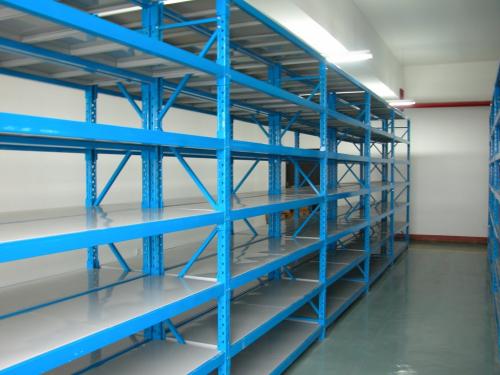
At its core, a rack penetrable drive in configuration is a high-density storage system. Unlike standard selective racking where you need an aisle between every row, this system allows forklifts to drive directly into the racking structure. The term "penetrable" refers to this specific ability of the material handling equipment to enter the rack bays to deposit or retrieve loads.
The design creates storage lanes rather than simple shelves. These lanes can be multiple pallets deep. Some systems allow for storage that is six, seven, or even ten pallets deep. This depth is what generates massive space savings. By removing aisles, you are converting wasted air space into profitable storage volume.
How does a rack penetrable drive in actually work day-to-day? The mechanics are straightforward but require precision. Pallets are not placed on horizontal beams like in standard racking. Instead, they rest on continuous rails that run the depth of the lane.
The forklift driver lifts the pallet to the required level. They then drive the vehicle into the lane. The pallet is lowered onto the rails, and the driver backs out. To retrieve a pallet, the process is reversed. Because the truck enters the structure, the uprights and rails must be engineered to withstand potential impacts, though avoiding impact is the goal.
When implementing a rack penetrable drive in solution, you must understand inventory flow. These systems almost exclusively utilize the Last-In, First-Out (LIFO) principle. The last pallet you put into a lane is the first one you can take out.
This happens because the entry point is the same as the exit point. You cannot reach the pallet at the back of the lane without removing all the pallets in front of it. This makes the rack penetrable drive in ideal for products that do not rot quickly or for high-volume SKUs where rapid turnover ensures stock doesn't sit too long.
The primary reason companies invest in a rack penetrable drive in is space efficiency. Standard selective racking is notorious for poor floor utilization. You often lose 50% to 60% of your floor area to aisles.
With a rack penetrable drive in setup, you can reduce aisle space by up to 75%. This creates a dense block of storage. If you are paying a premium for warehouse square footage, specifically in urban areas, this system pays for itself quickly. You are essentially doing more with the same amount of real estate.
Not every warehouse should use this system. It is a specialized tool. The rack penetrable drive in is perfect for businesses with a low number of SKUs but a high volume of pallets per SKU.
If you have 500 pallets of the exact same product, this system is perfect. You can fill entire lanes with that single product. However, if you have 500 different products with one pallet each, a rack penetrable drive in would be a disaster. You would spend all day moving pallets just to reach the one you need.
One specific industry relies heavily on rack penetrable drive in technology: Cold Storage. Freezers and coolers are the most expensive square footage in the logistics world. Cooling air is costly.
In a freezer, you want as little empty space as possible. Empty space is just expensive air being cooled for no reason. A rack penetrable drive in minimizes air volume and maximizes product density. This makes the cooling system more efficient and lowers the energy bill significantly.
The components of a rack penetrable drive in are different from standard racks. The rails are the critical element. They must be strong enough to hold heavy loads over long spans without sagging.
The uprights are also usually reinforced. Since the forklift drives inside the rack, the risk of collision is higher. A sturdy rack penetrable drive in will often feature heavy-duty column guards, floor guide rails, and rubbed rails to help steer the forklift and protect the structure.
You cannot just use any forklift with a rack penetrable drive in. The truck needs to be narrower than the opening of the rack lane.
Standard counterbalanced trucks often work, but the overhead guard must clear the first rail level. Operators need to be aware of the truck’s mast width and the pallet width. If the pallet is significantly wider than the truck, it offers some natural protection. If the truck is wide, the margin for error inside the rack penetrable drive in becomes razor-thin.
Safety is paramount when using a rack penetrable drive in. Driving a heavy machine into a confined steel tunnel requires skill. There is no room for distraction.
Managers must invest in specific training for rack penetrable drive in operations. Drivers need to learn how to enter slowly, keep the mast vertical, and back out without turning the wheels prematurely. A turned wheel inside the lane can cause the rear of the forklift to swing out and hit an upright, potentially causing a collapse.
When looking at high-density storage, many people consider automated shuttles or mobile racking. While those are effective, they are expensive. A rack penetrable drive in is a static solution. It has no motors, no sensors, and no software glitches.
It provides a density similar to automation but at a fraction of the capital investment. For companies that want density on a budget, the rack penetrable drive in remains the king of cost-effective storage.
To determine if a rack penetrable drive in is right for you, look at your storage costs. Calculate the cost per pallet position.
Include the cost of the rack, the installation, and the floor space. Usually, a rack penetrable drive in lowers the cost per pallet significantly compared to selective racking because you fit so many more pallets in the building. The Return on Investment (ROI) is often seen in under two years purely based on rent savings or the avoidance of off-site storage fees.
Maintenance is vital for a rack penetrable drive in. Because of the interaction between the truck and the frame, wear and tear are accelerated.
You should implement a weekly inspection protocol. Look for dented uprights. Check the anchors to ensure they haven't been sheared off by impact. Ensure the rails in your rack penetrable drive in are not bent. Bent rails can cause pallets to fall, which is a catastrophic safety failure.
It is important to be honest about the downsides. Accessibility is the main trade-off. In a rack penetrable drive in, you sacrifice selectivity for density.
If you have a fast-paced operation where you need instant access to every single pallet, this is not for you. This system is also susceptible to "honeycombing." This happens when deep lanes are only partially filled, leaving empty slots that cannot be easily used by other products. Efficient inventory management is required to keep a rack penetrable drive in fully utilized.
When you order a rack penetrable drive in, you must decide on lane depth. How deep should you go? Three deep? Ten deep?
The answer depends on your inventory turnover. If you go ten deep, you need to have enough stock to fill that lane completely at one time. If you only receive five pallets at a time, a ten-deep rack penetrable drive in lane results in 50% wasted space. Match the lane depth to your average batch size for maximum efficiency.
There is a variation often discussed alongside the rack penetrable drive in. It is called Drive-Through racking.
In a standard drive-in, you enter and exit from the same side (LIFO). In a Drive-Through, you can enter one side and exit the other. This allows for FIFO (First-In, First-Out) if managed correctly. However, Drive-Through requires an aisle on both ends, which reduces the space savings slightly compared to a pure rack penetrable drive in.
Installing a rack penetrable drive in can actually help improve safety culture. Because the system requires such disciplined driving, it forces the warehouse team to slow down and focus.
Markings on the floor are essential. Bright paint or tape should indicate exactly where the forklift needs to line up before entering the rack penetrable drive in. Good lighting is also crucial. It is dark inside those deep lanes. Installing lights on the forklift overhead guard or sensor lights in the rack helps prevent accidents.
You cannot build a high-density system on a weak floor. A rack penetrable drive in places massive concentrated loads on the floor slab.
Before installation, you must have a structural engineer verify the concrete slab's capacity. The uprights are often close together, creating high point loads. If the concrete is too thin, the weight of a fully loaded rack penetrable drive in can crack the foundation.
In selective racking, the pallet sits on two beams. In a rack penetrable drive in, the pallet sits on side rails. The center of the pallet is unsupported.
This means you must use high-quality pallets. Weak, broken, or cheap disposable pallets will bow in the middle. If a pallet snaps inside a rack penetrable drive in, retrieving it is a nightmare. It creates a safety hazard and stops operations. Standardization of pallet size and quality is a strict requirement.
Loading a rack penetrable drive in requires a strategy. You generally start from the top and work down, or start from the back and work forward.
The most common method is filling the lane from back to front, bottom to top (depending on specific structural design). Operators must follow the established pattern. Deviation leads to lost space or difficult retrieval. Management systems should direct drivers specifically to empty lanes to ensure the rack penetrable drive in is filled systematically.
Even with the rise of robotics, the rack penetrable drive in is not going away. It is too simple and too effective to become obsolete.
We are seeing hybrid systems emerge. Some companies put automated shuttles inside a standard rack penetrable drive in frame. This upgrades the system later on. But for raw, affordable storage density, the manual drive-in system remains the industry workhorse.
Space is money. Efficiency is survival. The rack penetrable drive in offers a robust solution for warehouses drowning in pallets but limited by walls. By understanding the LIFO nature, training your drivers, and maintaining the structure, you can transform your facility's capacity.
It requires a shift in mindset and operation, but the rewards in rental savings and consolidation are undeniable. If your SKUs align with the profile, a rack penetrable drive in is likely the smartest investment you can make this year.
Q1: What is the main difference between selective racking and a rack penetrable drive in?
A1: Selective racking allows you to access every single pallet directly from the aisle, but it requires many aisles. A rack penetrable drive in removes most aisles to save space, but you can only access the front pallet in a lane, making it a LIFO (Last-In, First-Out) system.
Q2: Can I use any type of pallet in a rack penetrable drive in system?
A2: No, you cannot. Because the pallets rest on edge rails and are unsupported in the center, the pallets must be high-quality and structurally sound. Weak or damaged pallets can sag, break, or fall between the rails, causing severe safety hazards and operational downtime.
Q3: How deep should my storage lanes be?
A3: Lane depth should match your inventory flow. A common rule is to design the depth based on the number of pallets you typically receive or ship in a batch. If you usually handle batches of 10 pallets, a 10-deep rack penetrable drive in lane is efficient. If you only move 3 at a time, a deep lane will result in wasted "honeycomb" space.
Q4: Is a rack penetrable drive in suitable for perishable goods?
A4: It depends on the shelf life. Since it is a LIFO system, the first pallet loaded is the last one out. This is generally not ideal for items with short expiration dates unless you completely empty the lane frequently (batch rotation). For rapid turnover perishables in cold storage, it is very common due to energy savings.
Q5: What kind of forklift is required for this system?
A5: You need a forklift that is physically narrower than the rack opening. Most standard counterbalanced trucks or reach trucks can work, but you must measure the overhead guard and mast width. Many companies purchase "drive-in spec" modifications which include narrower overhead guards to fit safely inside the rack penetrable drive in structure.

 Wechat
Whatsapp
Wechat
Whatsapp