The Rack LIFO System: When Last In, First Out Makes Perfect Sense-Guangshun

Knowlege
Learn more about storage racking equipment and follow us.

The Rack LIFO System: When Last In, First Out Makes Perfect Sense

Source:Guangshun
Update time:2025-12-30 15:10:26

If you manage a warehouse, storage area, or even a small workshop, you've likely faced the puzzle of how to store items for maximum efficiency. For many operations, the answer lies in a surprisingly simple yet powerful concept: the rack LIFO system.

This storage method directly influences how quickly you can access goods, how much space you use, and ultimately, your operational speed. Let's break down exactly what a Lack LIFO setup is, where it shines, and how to implement it effectively.
rack lifo

What is a LIFO Rack System?

LIFO stands for "Last In, First Out." In practical terms, it means the most recently stored item is the first one you'll retrieve.

A rack LIFO configuration is the physical infrastructure that makes this possible. It’s designed so that the last pallet, bin, or box loaded into a storage lane is positioned at the front, blocking access to the items behind it.

To retrieve a different item, you must first remove the front one. Think of it like a stack of plates in a cafeteria; you take the top plate first, which was the last one placed on the stack.

This is fundamentally different from FIFO (First In, First Out) systems, where the oldest stock is accessed first. The LIFO rack design is all about density and access speed for specific types of inventory.

How Does a LIFO Storage Rack Actually Work?

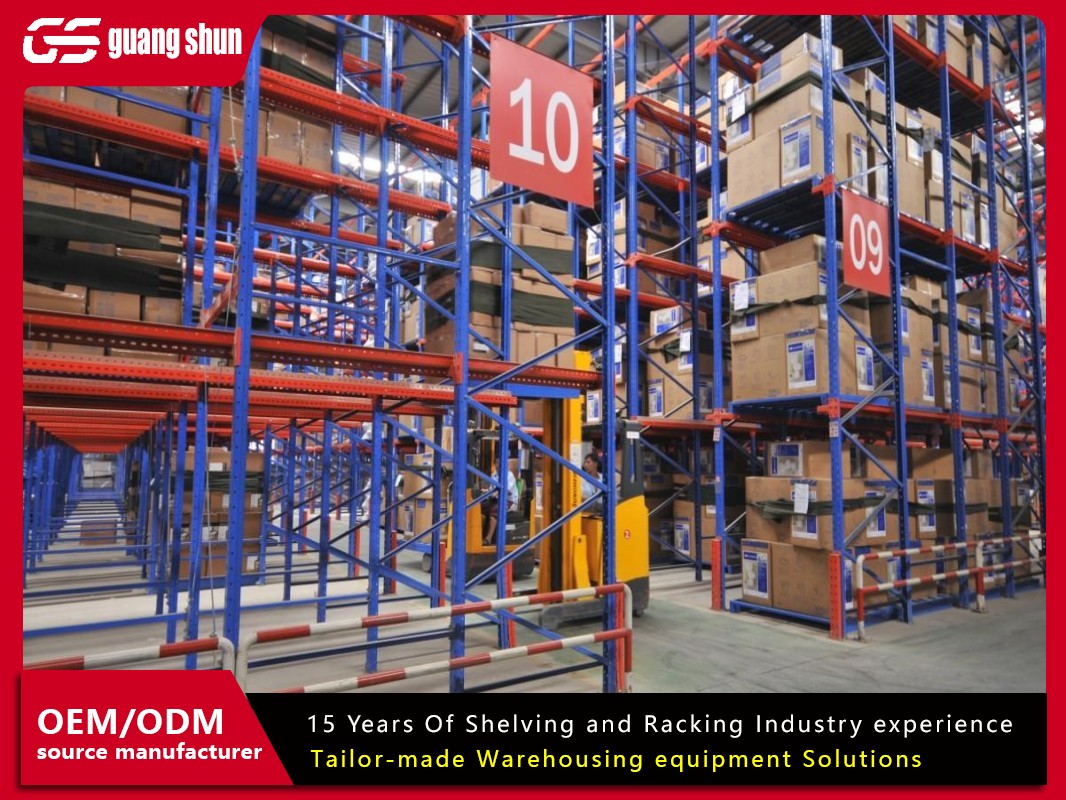
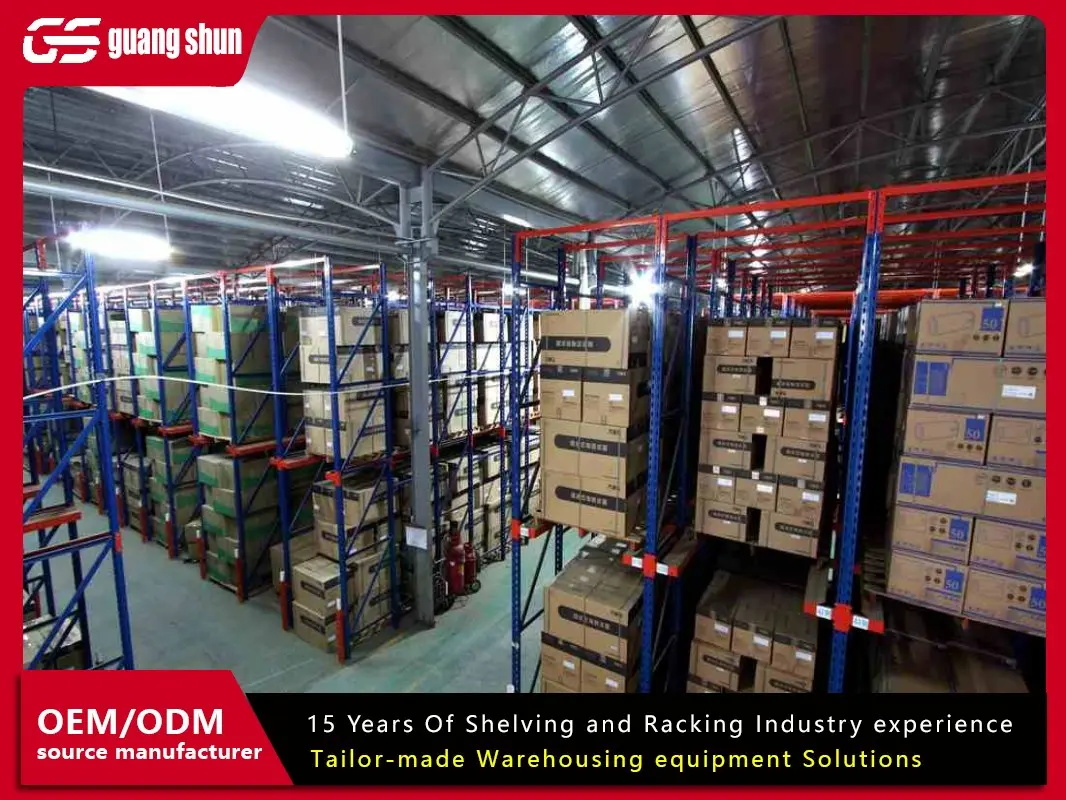
The mechanics of a LIFO racking system are straightforward but require specific equipment. The most common type is the Drive-In or Drive-Through rack.

In these systems, forklifts drive directly into the rack structure itself. The racks have guide channels on the floor and along the uprights. Pallets are placed on rails or arms within a single, deep lane.

When a forklift deposits a pallet, it places it at the front of the lane, pushing any existing pallets further back. The next pallet goes in front of it, and so on.

Retrieval works in reverse. The driver lifts the front pallet—the last one stored—and removes it. The lane is now blocked by the next pallet in line. This LIFO storage method creates a very high-density layout, as aisles are minimized. You only need an aisle at the front of each set of lanes.

Ideal Applications for a LIFO Racking Strategy

Not every warehouse benefits from rack LIFO. Its efficiency comes from matching the storage method to the product characteristics. Here are the prime candidates:

  • Homogeneous, Non-Perishable Inventory: This is the golden rule. If you are storing many pallets of the same, identical product (e.g., bags of cement, cases of canned goods from the same lot, paper products), LIFO racking is perfect. Product rotation is not a concern.
  • Bulk Storage with Few SKUs: When you need to store large quantities of a limited number of items, the high density of a LIFO rack system maximizes your cube utilization.
  • Seasonal or Long-Term Storage: Items that are held for long periods without frequent turnover, like archival materials or seasonal decorations, fit well in a LIFO storage environment.
  • Finished Goods in Production: Sometimes, in manufacturing, finished products are stored temporarily before a bulk shipment. The last produced becomes the first loaded.

Key Advantages of Implementing LIFO Racks

Choosing a rack LIFO design brings several tangible benefits:

  • Exceptional Space Density: By eliminating multiple aisles and storing pallets deep into the rack, you can increase storage capacity by up to 75% compared to selective pallet racking. This is its biggest selling point.
  • Lower Initial Cost per Pallet Position: Due to the high density, the cost of the rack structure per stored pallet is often lower than other systems requiring more aisles.
  • Simplified Management for the Right Inventory: When storing uniform products, tracking is simple. There's no need for complex rotation schemes.
  • Improved Building Utilization: For expensive warehouse space, fitting more product into the same square footage directly boosts your return on investment.

Potential Drawbacks and Considerations of LIFO Systems

It's crucial to understand the limitations of the LIFO rack approach:
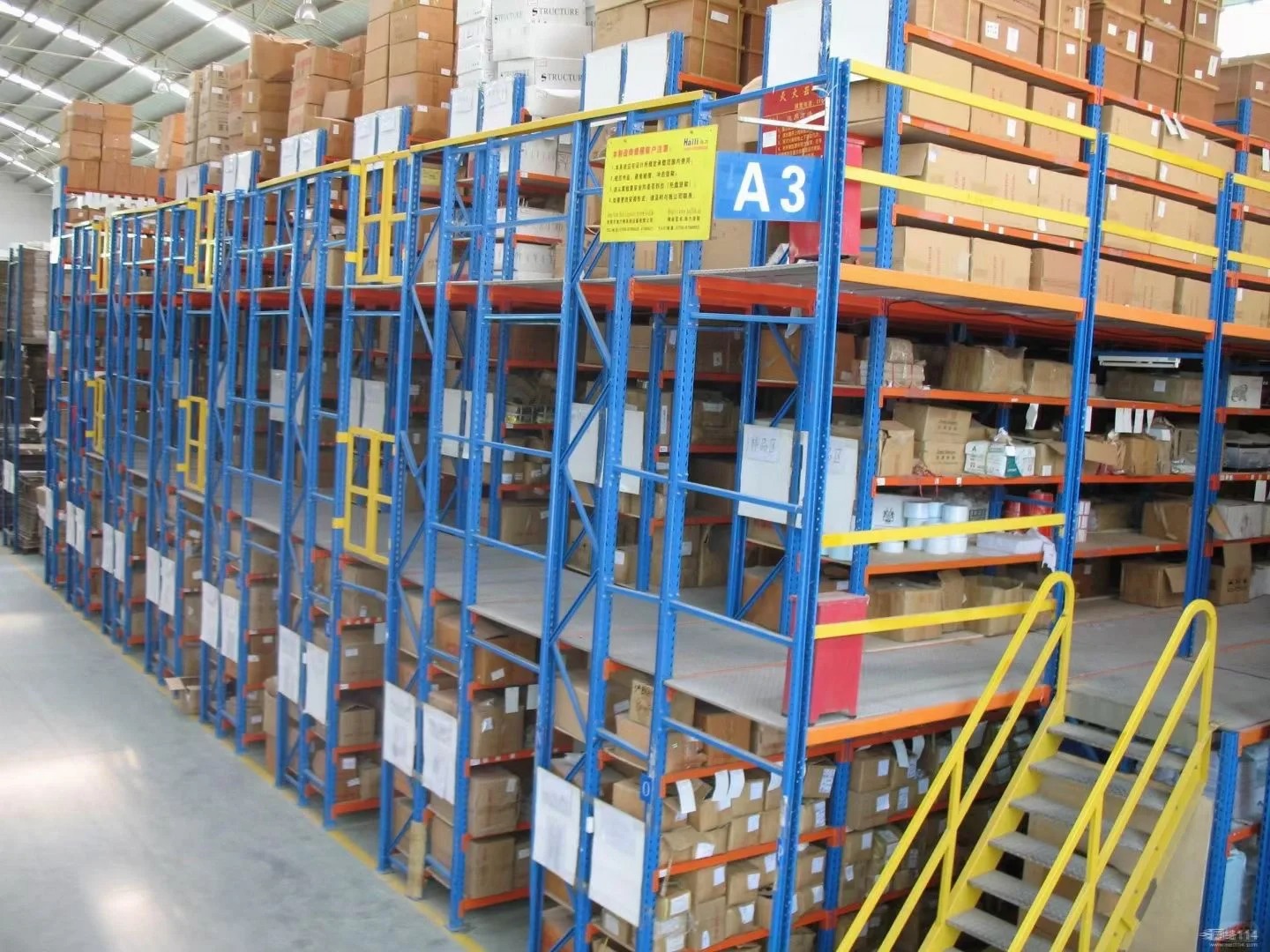
  • No Selective Access: You cannot access any pallet at any time. All pallets behind the front one are "locked in" until the lane is emptied. This is the core trade-off for density.
  • Not Suitable for Perishables or Date-Sensitive Goods: This system violates FIFO principles. It should never be used for food, pharmaceuticals, chemicals with shelf lives, or any lot-tracked materials where rotation is critical.
  • Lower Throughput Speed: If you need frequent access to multiple different SKUs stored in the same lane, throughput can slow down as lanes must be cleared.
  • Higher Risk of Damage: The nature of drive-in racks requires precise forklift operation within a confined space. Product and rack damage can be more common than in open-aisle systems.
  • Specialized Forklift Handling: Operators need training to work efficiently and safely within the narrow confines of the LIFO racking structure.

rack lifo

LIFO vs. FIFO: Choosing the Right Storage Philosophy

The choice between rack LIFO and rack FIFO isn't about which is better overall, but which is better for your specific products.

  • FIFO (First In, First Out): Used for perishable goods, items with expiration dates, or where lot control is essential. Examples include food, beverages, pharmaceuticals, and raw materials with a shelf life. Flow racks or pallet flow systems are common FIFO solutions.
  • LIFO (Last In, First Out): Used for stable, non-perishable, homogeneous goods where space savings is the top priority. Examples include building materials, appliances, packaged goods with no expiry, and long-term archives.

Matching the storage method to your inventory profile is the single most important decision in warehouse design.

FAQs About Rack LIFO Systems

Q1: Can I use a LIFO rack for food products?
A1: It is strongly discouraged and often against safety regulations. LIFO racking does not allow for proper stock rotation (FIFO), which is essential for perishable food items to prevent spoilage and ensure consumer safety.

Q2: Is a Drive-In rack always a LIFO system?
A2: In its standard configuration with access from only one side, yes, a Drive-In rack operates strictly on a LIFO principle. However, if configured as a Drive-Through rack with access on both ends, it can be operated as a FIFO system, with loading on one side and unloading from the other.

Q3: What is the biggest risk when using LIFO storage racks?
A3: Beyond using it for the wrong type of inventory, the primary operational risk is product and rack damage from forklifts. The confined operating space requires highly skilled drivers. A single mistake can block an entire lane and cause significant downtime.

Q4: How many pallets deep can a typical LIFO rack lane be?
A4: Lanes can typically range from 3 to 10 pallets deep, depending on the weight of the product, the forklift's capabilities, and the specific rack design. Deeper lanes increase density but also increase retrieval time for the pallet at the very back.

Q5: Are there automated versions of LIFO racking?
A5: Yes, the high-density principle of LIFO storage is carried into automated systems like Deep-Lane AS/RS (Automated Storage and Retrieval Systems). These use robotic shuttles to store and retrieve pallets in very deep lanes, following a LIFO or sometimes a more complex sequence, all managed by software for maximum efficiency and minimal manual handling.


Tags:
Hot Tags
Storage racking Warehouse racking Warehouse shelves Through-type racking Logistics racking Chemical heavy-duty shelves Corridor-style racking Factory racking loft style shelves Flow rack shelving Flow Racking cantilever shelving Mezzanine Rack Storage Racking drive-in racking system dynamic racking flow racking dynamic rack shelving flow rack shelving Ladder Cart Storage Cage pallet-shuttle racking cantilever shalving rack shelving dynamic rack shelving Medium shelves Light shelves Storage racks warehouse mezzanines floor Heavy duty Mezzanine rack supported platform Mezzanine Shelves Storage loft platform Mezzanine racking Mezzanine rack Narrow Aisle Racking Heavy duty shelves Drive-in rack double deep pallet racking Pallet Racking Pallet racking racking system projects Warehouse racking system design gondola shelving for sale shop gondola shelving supermarket storage racks for sale storage racks and shelving pallet storage racks industrial mezzanine racking system racking and mezzanine mezzanine storage rack warehouse pallet racking system adjustable pallet racking assembling racking system for sale racking syste types of racking system mezzanine rack factory racking storage racks Heavy duty racking systems storage shelves heavy duty Heavy duty storage shelves racks drive-in racking Warehouse racking projects racking projects Drive-In Racking warehouse racking Warehouse Racking Cantilever shelving stacking rack Storage Racking Manufacturers Stacking rack Manufacturers Stacking rack Ladder Cart Manufacturers Storage Cage Manufacturers Shelves for placing molds Manufacturers Shelves for placing molds Pallet Shuttle Racking Manufacturers Pallet Shuttle Racking Cantilever Shalving Manufacturers Cantilever Shalving flow racking Manufacturers Dynamic Racking Manufacturers Medium racking Manufacturers Medium racking Medium Shelves Warehouse Mezzanines Floor Manufacturers Warehouse Mezzanines Floor Heavy Duty Mezzanine Manufacturers Heavy Duty Mezzanine Rack Supported Platform Manufacturers Rack Supported Platform Mezzanine racking Manufacturers Storage Loft Platform Manufacturers Storage Loft Platform Mezzanine Racking Manufacturers Narrow Aisle Racking Manufacturers Heavy Duty Racking Manufacturers Heavy Duty Racking Heavy Duty Shelves Drive-in Racking manufacturers Drive-in Racking pallet racking manufacturers pallet racking Double deep pallet racking manufacturers Double-deep-pallet-racking Pallet Racking Manufacturers Pallet Racking System Storage Racks manufacturers Storage Racks Mezzanine Racking storage racking storage racking factories racking manufacturers flow rack storage dynamic rack storage