Push Back Storage: The High-Density Racking That Balances Space and Speed-Guangshun

Knowlege
Learn more about storage racking equipment and follow us.

Push Back Storage: The High-Density Racking That Balances Space and Speed

Source:Guangshun
Update time:2025-12-30 15:12:53

If your warehouse is running out of space but you still need to access a variety of pallets quickly, you know the struggle. Traditional selective racks waste space with wide aisles. Drive-in racks lock your stock away. There has to be a better middle ground.

For many operations, that middle ground is push back storage. This racking system has become a go-to solution for warehouses that need high density without sacrificing selectivity. Let’s look at how it works, where it fits, and whether it might be the right upgrade for your facility.
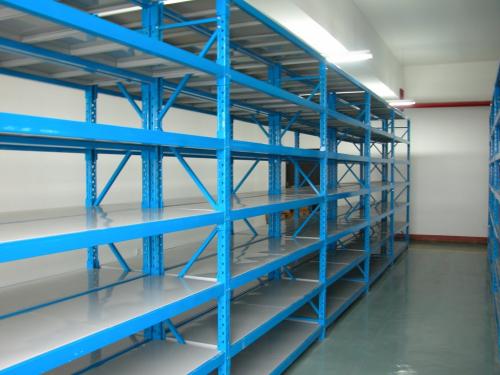
push back storage

What is Push Back Storage, Exactly?

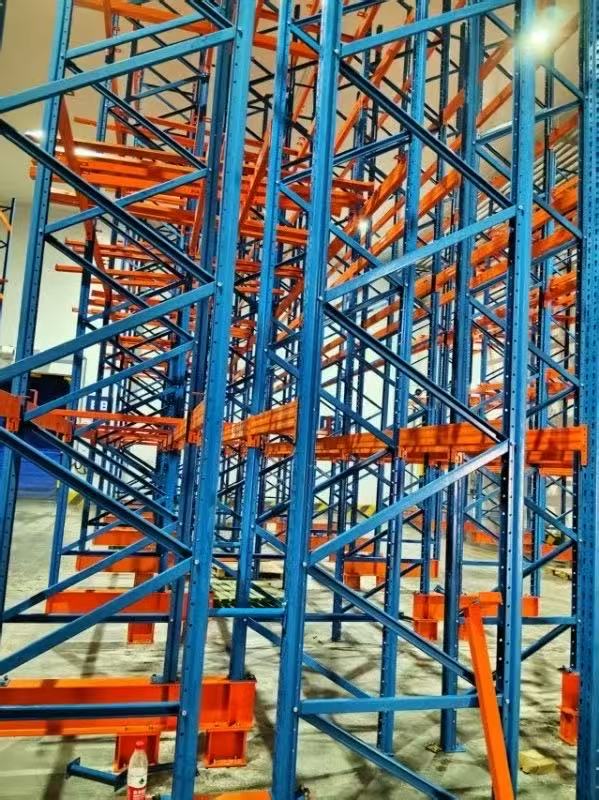
Push back storage is a type of pallet racking system that allows for multiple pallets to be stored deep—typically 2 to 6 pallets deep—in a single lane, with access from only one side. The key feature is that every pallet in the lane is accessible from the front aisle.

It operates on a Last-In, First-Out (LIFO) basis, but with a crucial twist. Unlike drive-in racks where the forklift enters the structure, in a push back rack system, the forklift never enters the lane. It only works from the aisle.

The magic happens on inclined rails and carts. This design creates a high-density setup that still offers more selectivity than its drive-in or drive-through cousins.

How Does Push Back Racking Actually Work?

Understanding the mechanism clears up why push back storage is so effective. Each lane consists of a series of nested carts or carriages that ride on inclined rails.

When a pallet is loaded, the forklift places it on the front cart. The weight of the pallet pushes that cart (and any pallets already behind it) gently backward and upward along the incline. This creates space at the front for the next pallet.

The next pallet is loaded, pushing the first pallet back one more position. This process repeats until the lane is full.

Retrieval is straightforward and fast. The forklift driver simply removes the front pallet. Once that weight is released, the inclined rails cause the next pallet in line to roll or glide smoothly down to the front position, ready for immediate pickup.

This cycle of push back and roll-forward is the heart of the system’s efficiency.

The Clear Advantages of Choosing Push Back Storage

Why do so many warehouses switch to this system? The benefits are compelling when it matches your inventory profile.

  • Higher Density Than Selective Racking: By storing pallets 2-6 deep, you dramatically reduce the number of aisles needed. This can increase your storage capacity by up to 60% compared to single-deep selective racks.
  • Better Selectivity Than Drive-In Racks: Each lane holds multiple SKUs (if desired), and every pallet is accessible from the front without needing to move others. This improves throughput for mixed-SKU lanes.
  • Improved Safety: The forklift operator works entirely from the safety of the aisle. There is no need to enter a confined rack structure, reducing the risk of product and structural damage common in drive-in systems.
  • Faster Throughput: The dynamic push back and roll-forward mechanism allows for rapid loading and unloading compared to more cumbersome deep-storage options.
  • LIFO with Flexibility: It’s an ideal LIFO system for products where that is acceptable, but it allows for better stock management within each lane than simpler alternatives.

Potential Drawbacks to Consider

No system is perfect for every scenario. Push back storage has some limitations you must weigh.

  • Cost: It is a more complex system with more moving parts (carts, rails) than selective or drive-in racking. The initial investment per pallet position is higher.
  • Limited Lane Depth: While it offers good density, it is generally not as deep as a drive-in rack system. Very high-volume storage of a single SKU might be better served elsewhere.
  • LIFO Restriction: It is inherently a LIFO system. It is not suitable for products requiring strict FIFO (First-In, First-Out) rotation, such as perishable foods or pharmaceuticals.
  • Maintenance of Moving Parts: The carts and rails, while robust, are mechanical components that require inspection and maintenance over time. A failure can block a lane.
  • Weight and Product Suitability: There are weight limits for the carts, and the system works best with sturdy, uniformly sized pallet loads. Fragile or unstable loads may not be ideal.

Push Back Storage vs. Other High-Density Systems

How do you choose between the different high-density options? Here’s a quick comparison.

  • vs. Selective Pallet Racking: Selective racking gives you 100% selectivity and FIFO capability but has the lowest density. Push back racking sacrifices some selectivity for much greater space utilization.
  • vs. Drive-In/Drive-Through Racking: Drive-in systems offer greater depth and slightly higher density but almost no selectivity within a lane and higher damage risk. Push back storage offers a safer, more accessible middle ground.
  • vs. Pallet Flow (FIFO) Systems: Pallet flow uses gravity rollers for true FIFO operation, essential for perishables. Push back is LIFO and often has a lower cost per lane than flow systems. The choice hinges entirely on your needed inventory rotation method.

Ideal Applications: Where Push Back Racking Shines

This system isn't for everyone, but it's perfect for specific use cases.
  • Beverage and Bottling Industries: Storing multiple SKUs of cans or bottles (same size, different products) where LIFO is acceptable and density is critical.
  • Cooler and Freezer Warehouses: The high density reduces the expensive cooled air lost to aisles, making push back storage a popular choice in cold storage logistics.
  • Distribution Centers with Medium-SKU Volumes: Perfect for storing 5-10 pallets of a fast-moving SKU, allowing the newest stock to be picked first without trawling through a deep drive-in lane.
  • Manufacturing for Finished Goods: Storing non-perishable finished products before shipment, where production lots are not critical.
  • Any Warehouse Needing a Density Boost: If your selective racks are maxed out and your product mix fits the LIFO model, implementing a push back rack system is a logical next step for expansion without a new building.

push back storage

Is Push Back Storage Right For You?

The decision comes down to your inventory and operational goals. Ask these questions:

  1. Do my products allow for LIFO retrieval?
  2. Do I need to store between 2 and 6 pallets deep per SKU?
  3. Is improving storage density my top priority, but I still need relatively fast access?
  4. Is my product sturdy and palletized uniformly?
  5. Is my budget ready for a higher initial investment for long-term gains?

If you answered "yes" to most of these, a deep dive into push back storage solutions is likely your next step.

Frequently Asked Questions About Push Back Racking

Q1: Can push back storage systems be used for FIFO inventory?
A1: No. The fundamental mechanics of a push back rack system are based on Last-In, First-Out (LIFO) principles. The last pallet loaded is the first one retrieved. For FIFO requirements, you should consider pallet flow systems or selective racking with proper rotation discipline.

Q2: What is the typical maximum depth for a push back lane?
A2: While configurations can vary, most push back storage lanes are designed to hold between 2 and 6 pallets deep. Three to five deep is the most common range, offering an optimal balance of density and accessibility for most applications.

Q3: How does the weight capacity compare to selective racking?
A3: The weight capacity per pallet position in a push back rack is typically very high and comparable to heavy-duty selective racking. However, the capacity is governed by the specific design of the carts and rails. Always consult with a rack engineer to ensure your loads are within the system's rated specifications.

Q4: Is product damage a concern with the rolling carts?
A4: When properly loaded with stable, uniform pallets, product damage is minimal. The movement is controlled and along a gentle incline. Damage risk is generally considered lower than in drive-in systems where forklifts navigate inside the rack. Proper pallet integrity and operator training are key.

Q5: What’s the main cost driver for a push back system compared to simple racking?
A5: The increased cost comes from the precision-engineered components: the inclined rail structure, the rolling carts or carriages for each pallet position, and the associated hardware. This material and engineering complexity makes the initial price higher than static racking, but the space savings often justify the cost.


Hot Tags
Storage racking Warehouse racking Warehouse shelves Through-type racking Logistics racking Chemical heavy-duty shelves Corridor-style racking Factory racking loft style shelves Flow rack shelving Flow Racking cantilever shelving Mezzanine Rack Storage Racking drive-in racking system dynamic racking flow racking dynamic rack shelving flow rack shelving Ladder Cart Storage Cage pallet-shuttle racking cantilever shalving rack shelving dynamic rack shelving Medium shelves Light shelves Storage racks warehouse mezzanines floor Heavy duty Mezzanine rack supported platform Mezzanine Shelves Storage loft platform Mezzanine racking Mezzanine rack Narrow Aisle Racking Heavy duty shelves Drive-in rack double deep pallet racking Pallet Racking Pallet racking racking system projects Warehouse racking system design gondola shelving for sale shop gondola shelving supermarket storage racks for sale storage racks and shelving pallet storage racks industrial mezzanine racking system racking and mezzanine mezzanine storage rack warehouse pallet racking system adjustable pallet racking assembling racking system for sale racking syste types of racking system mezzanine rack factory racking storage racks Heavy duty racking systems storage shelves heavy duty Heavy duty storage shelves racks drive-in racking Warehouse racking projects racking projects Drive-In Racking warehouse racking Warehouse Racking Cantilever shelving stacking rack Storage Racking Manufacturers Stacking rack Manufacturers Stacking rack Ladder Cart Manufacturers Storage Cage Manufacturers Shelves for placing molds Manufacturers Shelves for placing molds Pallet Shuttle Racking Manufacturers Pallet Shuttle Racking Cantilever Shalving Manufacturers Cantilever Shalving flow racking Manufacturers Dynamic Racking Manufacturers Medium racking Manufacturers Medium racking Medium Shelves Warehouse Mezzanines Floor Manufacturers Warehouse Mezzanines Floor Heavy Duty Mezzanine Manufacturers Heavy Duty Mezzanine Rack Supported Platform Manufacturers Rack Supported Platform Mezzanine racking Manufacturers Storage Loft Platform Manufacturers Storage Loft Platform Mezzanine Racking Manufacturers Narrow Aisle Racking Manufacturers Heavy Duty Racking Manufacturers Heavy Duty Racking Heavy Duty Shelves Drive-in Racking manufacturers Drive-in Racking pallet racking manufacturers pallet racking Double deep pallet racking manufacturers Double-deep-pallet-racking Pallet Racking Manufacturers Pallet Racking System Storage Racks manufacturers Storage Racks Mezzanine Racking storage racking storage racking factories racking manufacturers flow rack storage dynamic rack storage