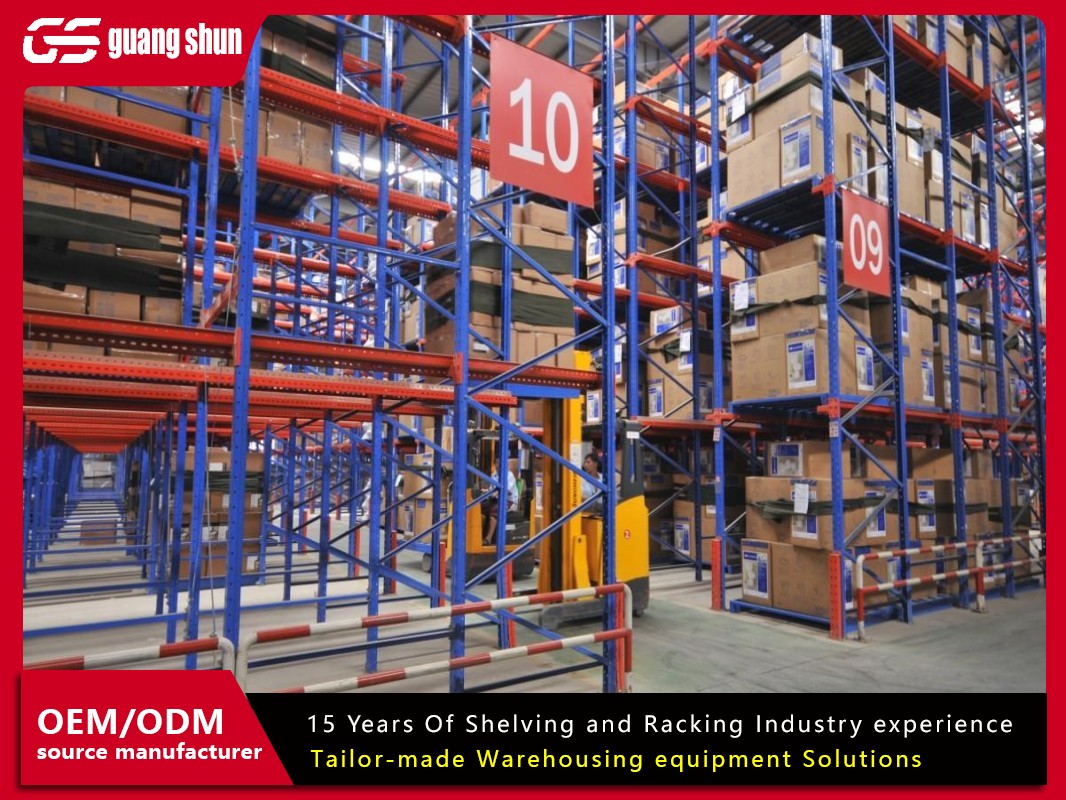
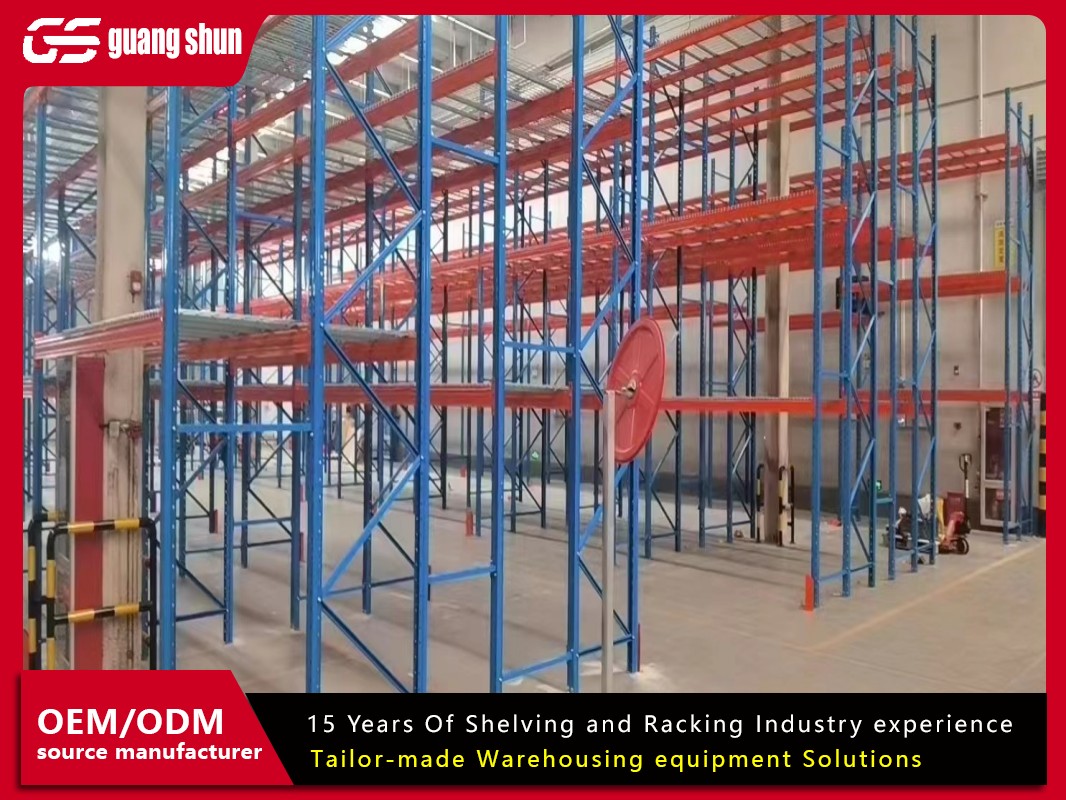
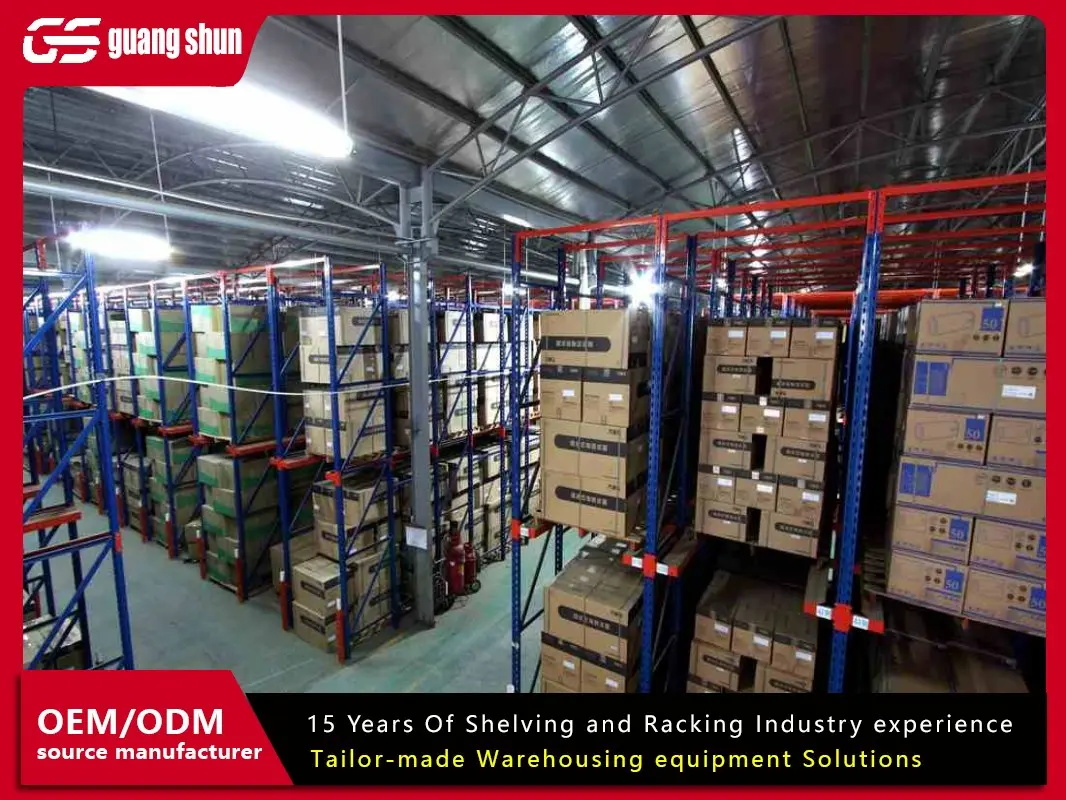
If you're running out of space or struggling with warehouse organization, you're not alone. Efficient storage is the backbone of any successful operation involving goods and inventory. This is where investing in the right pallet rak system becomes a game-changer. A well-chosen system can dramatically increase your storage capacity, improve safety, and streamline your workflow.
Forget about cluttered floors and inefficient use of your building's vertical space. The right pallet rak solution is a strategic asset.

Let's start with the basics. A pallet rak, more commonly spelled "pallet rack," is a material handling storage system. It is designed to store materials on pallets in horizontal rows with multiple levels. This creates vertical storage tiers.
These systems are the skeleton of a warehouse. They support enormous weight and provide direct access to every single stored load. The core principle is simple: maximize cubic space by building upwards, not outwards.
Not all storage needs are the same. Different pallet rak designs cater to different inventory styles and retrieval methods. Choosing the right type is crucial for efficiency.
Selective Pallet Rak
This is the most common and versatile type. It allows direct access to every single pallet location. This makes it perfect for warehouses with a wide variety of SKUs. You can load and unload any pallet without moving others.
Drive-In / Drive-Through Rak
These systems are designed for high-density storage of similar products. Forklifts actually drive into the rack structure to place or retrieve pallets. They are ideal for storing large quantities of a single item with low variety.
Push-Back Pallet Rak
This system offers a good balance between selectivity and density. Pallets are loaded from the front onto nested carts on a slightly inclined rail. When a new pallet is loaded, it pushes the existing pallets back. Last-in, first-out (LIFO) inventory flow is common here.
Cantilever Rak
When you need to store long, bulky items like pipes, timber, or furniture, cantilever racks are the answer. They feature arms that extend from a central column, providing unobstructed access along the entire length of the item.
Why should you allocate budget to a pallet rak installation? The return on investment is clear across several areas.
First, it's all about maximized storage density. By utilizing your warehouse's vertical height, you can often double or triple your storage capacity without expanding your building's footprint. This is the most significant advantage.
Second, improved organization and accessibility lead to faster order picking. Workers can locate and retrieve inventory quickly and safely. This reduces labor costs and speeds up fulfillment times.
Third, enhanced safety is a major factor. Properly installed racks keep heavy loads securely elevated off the floor. This reduces trip hazards and the risk of product damage from stacking. A structured system also promotes cleaner aisles.
Finally, there is a strong cost-efficiency argument. While there's an upfront cost, the long-term savings in space, labor, and product loss are substantial. It's an investment that pays for itself.
Selecting a system isn't just about picking the first one you see. You need a thoughtful assessment of your specific needs.
Start by analyzing your inventory profile. What are the dimensions and weights of your pallet loads? Do you have many different SKUs (requiring selectivity) or deep runs of few SKUs (requiring density)? What is your inventory turnover? Fast-moving goods need easy access.
Next, evaluate your available space. Precise measurements of your warehouse's length, width, and clear ceiling height are non-negotiable. Don't forget to account for necessary clearance for sprinklers, lights, and HVAC systems.
Consider your material handling equipment. The capabilities of your forklifts—their lifting height, turning radius, and fork dimensions—will dictate the design of your pallet rak aisles and beam heights.
Finally, be realistic about your budget. While selective racks are often the most affordable per bay, a drive-in system might offer a lower cost per pallet position due to higher density. Factor in both installation and potential future reconfiguration costs.
A pallet rak is a engineered structure. Professional installation is critical. Ensure your floor is level and can bear the significant point loads. All components must be assembled exactly according to the manufacturer's specifications and local codes.
Once installed, ongoing maintenance is simple but vital. Implement a regular inspection routine. Look for any signs of damage, especially from forklift impacts. Bent beams, dented uprights, or missing safety locks must be addressed immediately.
Never exceed the stated load capacities for each beam level. Use proper pallets that are in good condition. Ensure all employees are trained on safe loading and unloading practices within the pallet rak system.
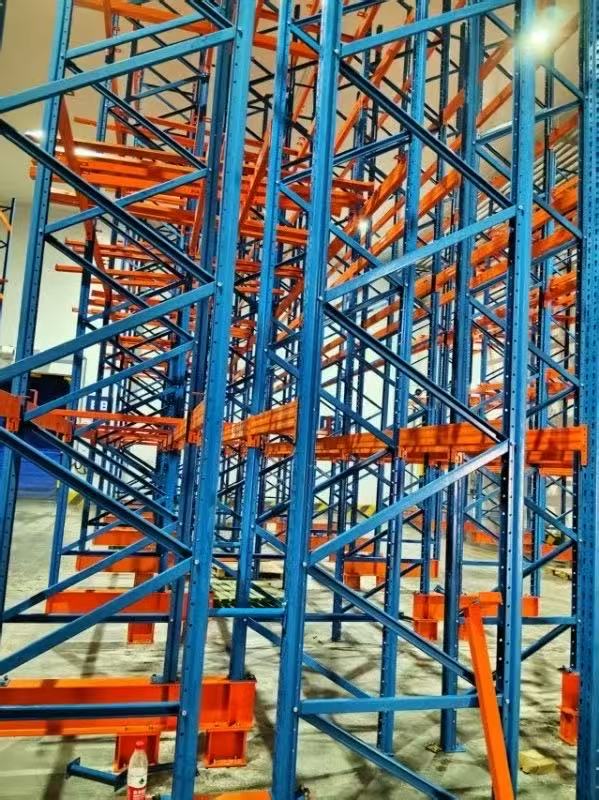
Investing in a proper pallet rak system is a strategic decision for business growth. It brings order, efficiency, and safety to your core operations. By understanding the different types, assessing your needs accurately, and committing to proper maintenance, you build a storage infrastructure that supports your business for years to come.
Take the time to plan correctly. The right system will unlock the true potential of your warehouse space.
Q1: What is the most common type of pallet rak used in warehouses?
A1: The most common and versatile type is the selective pallet rack. It allows direct access to every pallet, making it ideal for warehouses with a diverse product range and high turnover rates.
Q2: How much weight can a typical pallet rak beam hold?
A2: Load capacity varies greatly by design and component quality. Standard beams can often hold between 2,000 to 10,000 pounds per pair, but capacities can be much higher for heavy-duty applications. Always adhere to the manufacturer's rated capacity for your specific beam and upright combination.
Q3: Can I install a pallet rak system myself?
A3: It is strongly discouraged. Pallet rack systems are engineered structures that must be installed precisely to be safe and bear their intended loads. Professional installers ensure correct assembly, anchoring, and alignment, which is critical for safety and system integrity.
Q4: How often should I inspect my pallet rak system?
A4: You should perform a visual inspection regularly, such as at the start of each shift or week. A formal, documented inspection by a competent person should be conducted at least annually, or more frequently in high-traffic environments. Any impact from equipment warrants an immediate inspection.
Q5: What's the difference between drive-in and push-back pallet rak?
A5: Both are high-density systems. In a drive-in rack, a forklift drives directly into the structure to access pallets, typically following a last-in, first-out (LIFO) flow. Push-back rack uses carts on inclined rails; loading a new pallet pushes previous ones back, also usually LIFO, but it offers slightly better selectivity than drive-in systems.

 Wechat
Whatsapp
Wechat
Whatsapp