Let's talk about the cost of getting organized. If you're searching for pallet rack shelving prices, you've likely discovered there's no single, simple number. The final price tag can feel confusing, with quotes varying wildly from one supplier to the next.
Why is that? It’s because the cost of pallet racking isn't like buying a standard shelf unit. It's a customized industrial system. The price you pay depends entirely on the specific puzzle pieces you need for your unique warehouse.
This guide will break down the real factors that determine pallet rack shelving prices. We'll look at what impacts cost, give you realistic price ranges, and show you how to budget smartly. By the end, you'll know exactly what to ask for and how to compare quotes fairly.
Before you look at a single price list, understand these variables. They are the main levers that move the final number up or down.
System Type and Design
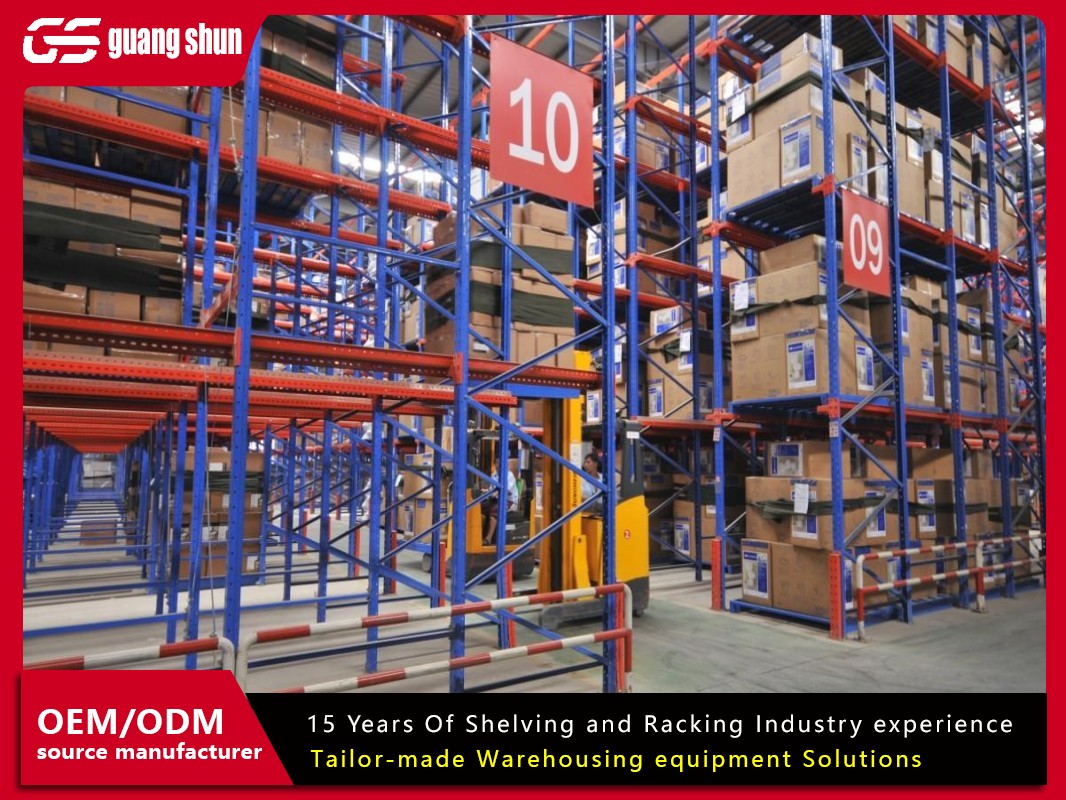
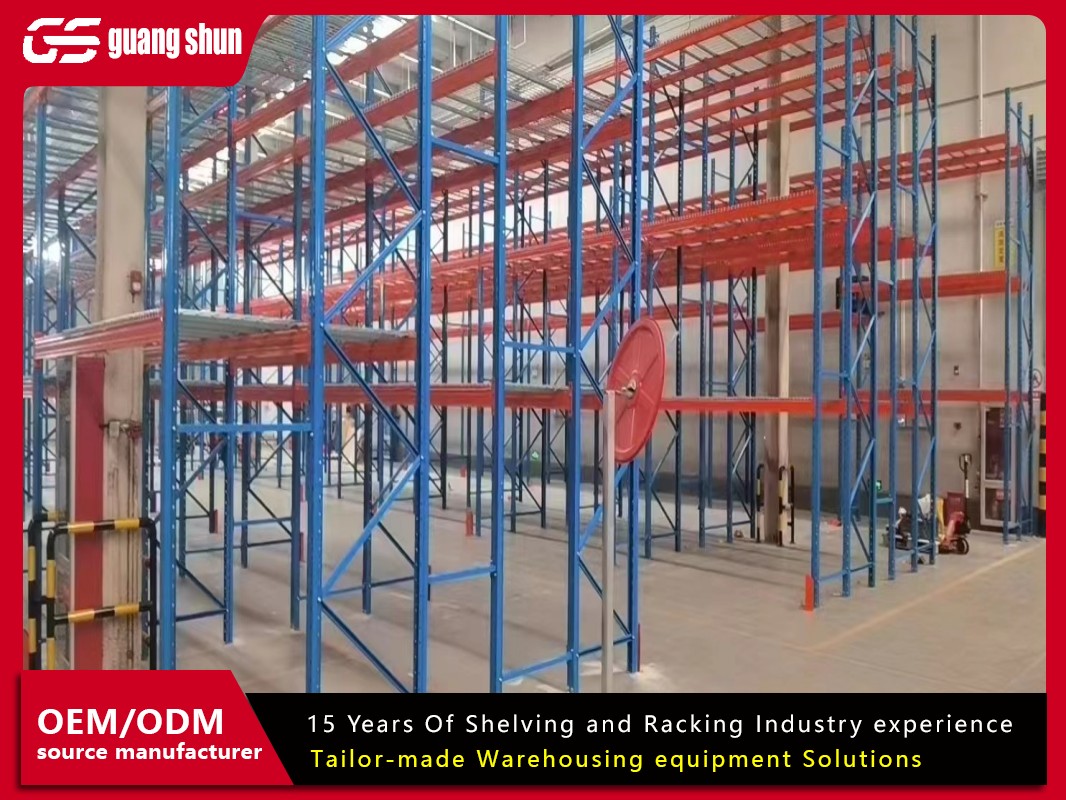
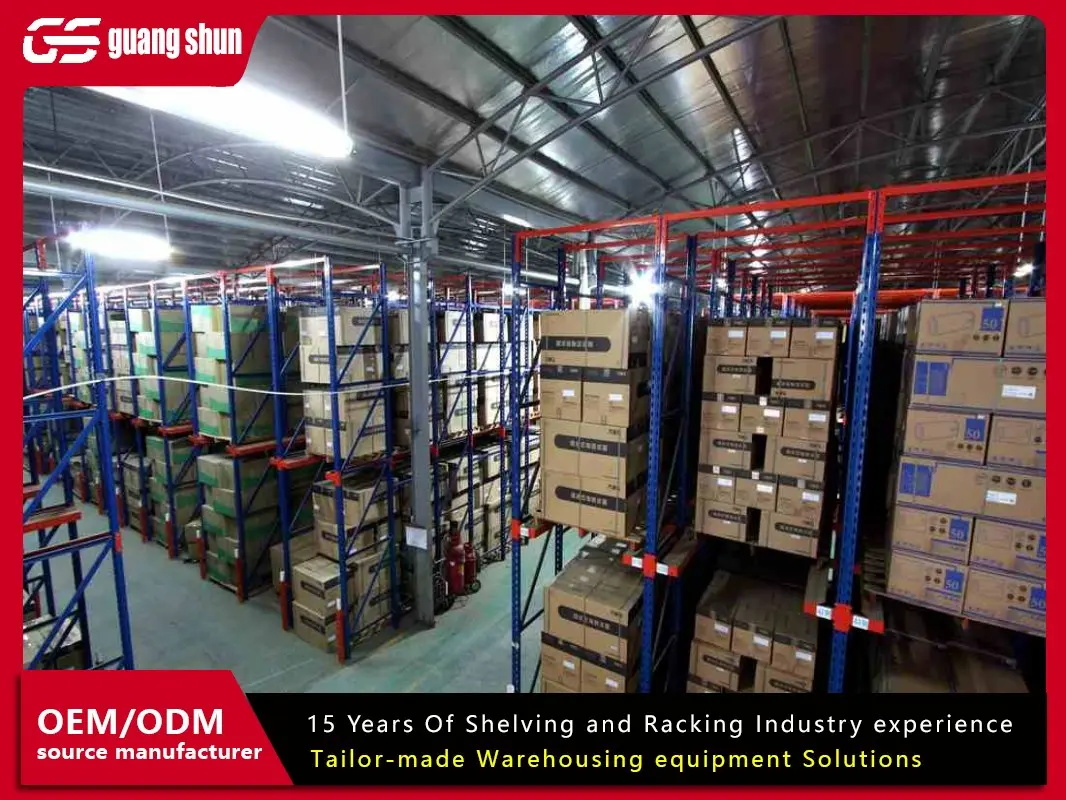
This is the biggest price determinant. A simple selective pallet rack system is often the most budget-friendly per bay. More complex designs cost more.
Drive-in or drive-through racks, which offer high density, require heavier frames and guides, increasing material costs. Push-back rack systems, with their moving carts and rails, are a premium option with a higher upfront cost.
Material and Capacity
What are your racks made to hold? Light-duty racks for smaller loads will use thinner steel. Heavy-duty systems designed for 20,000+ pounds per level use thick, rolled steel uprights and beams.
The stronger the steel and the higher the weight capacity, the higher the pallet rack shelving prices. You’re paying for the material and the engineering.
Dimensions and Configuration
Height, depth, and beam length directly impact price. Taller upright frames cost more. Longer beams cost more. A system that reaches 30 feet high will have a significantly different price point than one that stops at 15 feet.
The number of bays and levels you need is simple math: more storage positions mean more components and a higher total cost.
New vs. Used Racks
This is a major crossroads. New racking comes with warranties, guaranteed compatibility, and meets current safety standards. Used or "reconditioned" racking can offer savings of 30-50%, but requires careful inspection for damage and may have limited sizing options.
Let’s attach some numbers. Remember, these are estimated ranges for the equipment only. Installation, freight, and accessories are extra.
Selective Pallet Racking (per bay)
This is your standard, versatile workhorse.
Drive-In / Drive-Through Racking (per pallet position)
Priced by the position due to its density focus.
Push-Back Racking (per pallet position)
A premium for dense, last-in-first-out storage.
The base frames and beams are just the start. Your final quote must account for these items, or you'll be hit with surprise charges.
Freight and Delivery
Industrial rack components are heavy and bulky. Shipping costs can be substantial, especially for cross-country deliveries. Always ask if the quoted pallet rack shelving prices include shipping to your dock.
Professional Installation
Never attempt a DIY install. Professional installation is a critical safety and performance cost. Expect to pay between $1,000 and $5,000 or more for a typical small to mid-sized project, depending on complexity and labor rates in your area.
Essential Accessories
These "extra" parts are usually necessary:
Permits and Engineering Stamps
Your local building department may require a permit and a stamped engineering drawing for your rack layout. This service from the supplier or a third-party engineer can cost several hundred dollars.
Don't just call and ask for a price. Be prepared. Here's how to get comparable, useful quotes.
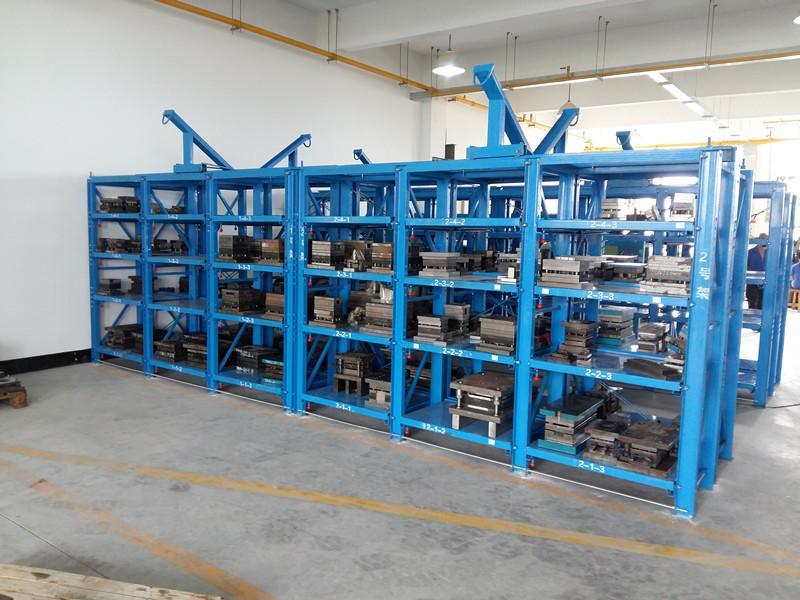
Focusing only on the lowest pallet rack shelving prices can be a costly mistake. A poorly designed or under-specified system leads to inefficiency, safety risks, and costly replacements down the line.
Think of this purchase as infrastructure. The right system pays for itself through improved productivity, better space utilization, and reduced product damage. Budget for quality, professional installation, and the necessary safety accessories.
Your goal is a fair price for a safe, durable system that fits your operation perfectly. Now that you understand what drives the costs, you can budget confidently and make a smart investment in your warehouse's efficiency.
Q1: What is the most affordable type of pallet racking?
A1: For most applications, standard selective pallet racking offers the lowest cost per bay. It uses the fewest specialized components and is widely available, both new and used, which helps keep pallet rack shelving prices competitive.
Q2: Does the price usually include installation?
A2: Typically, no. Equipment (the rack components) and installation are almost always quoted as separate line items. It is crucial to factor professional installation into your total project budget from the start, as it is a non-negotiable safety expense.
Q3: How much does used pallet racking cost compared to new?
A3: You can generally expect to pay 30% to 50% less for used or reconditioned racking. However, availability is limited to common sizes, and you must thoroughly inspect all components for structural integrity before purchase.
Q4: Are there recurring costs after the initial purchase?
A4: Beyond the initial purchase and installation, ongoing costs are minimal but important. You should budget for annual professional inspections and immediate replacement of any damaged components (beams, uprights, safety locks) to maintain safety.
Q5: Why do I need wire mesh decking, and how does it affect the price?
A5: Decking is required if you are storing loose cartons, small items, or using non-durable pallets. It prevents products from falling and is a key safety feature. Adding decking to a system can increase the total project cost of pallet racking by 10-20%, depending on the size and material.

 Wechat
Whatsapp
Wechat
Whatsapp