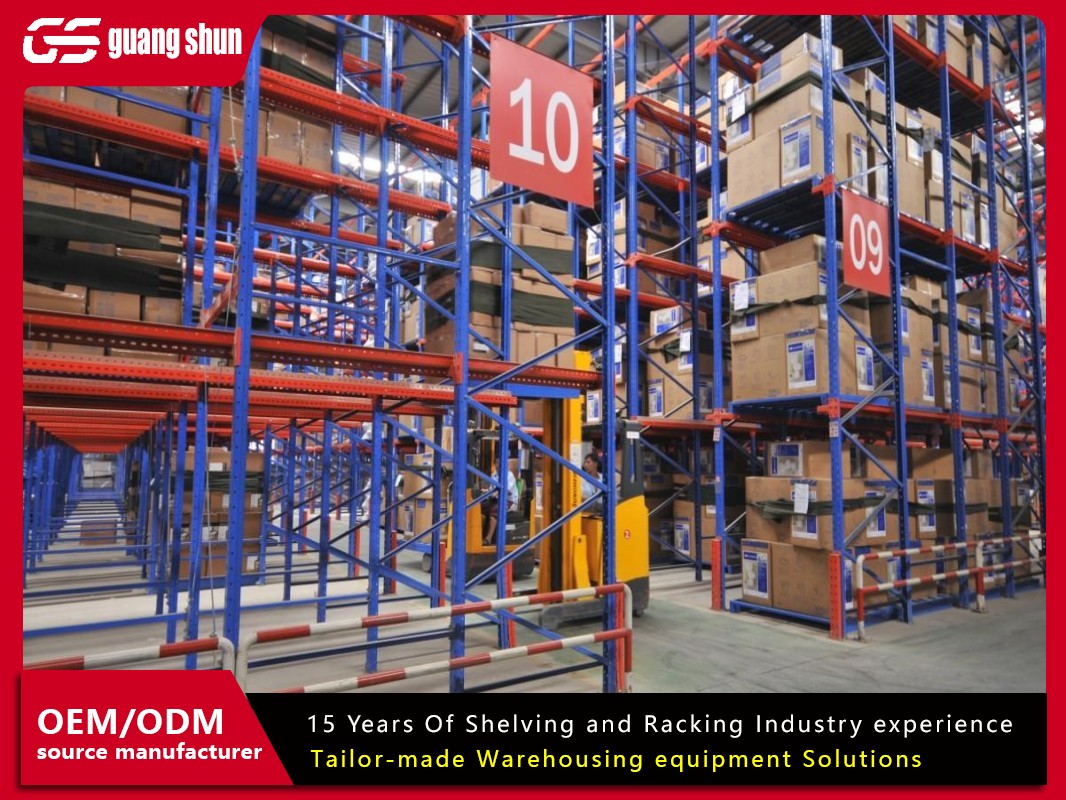
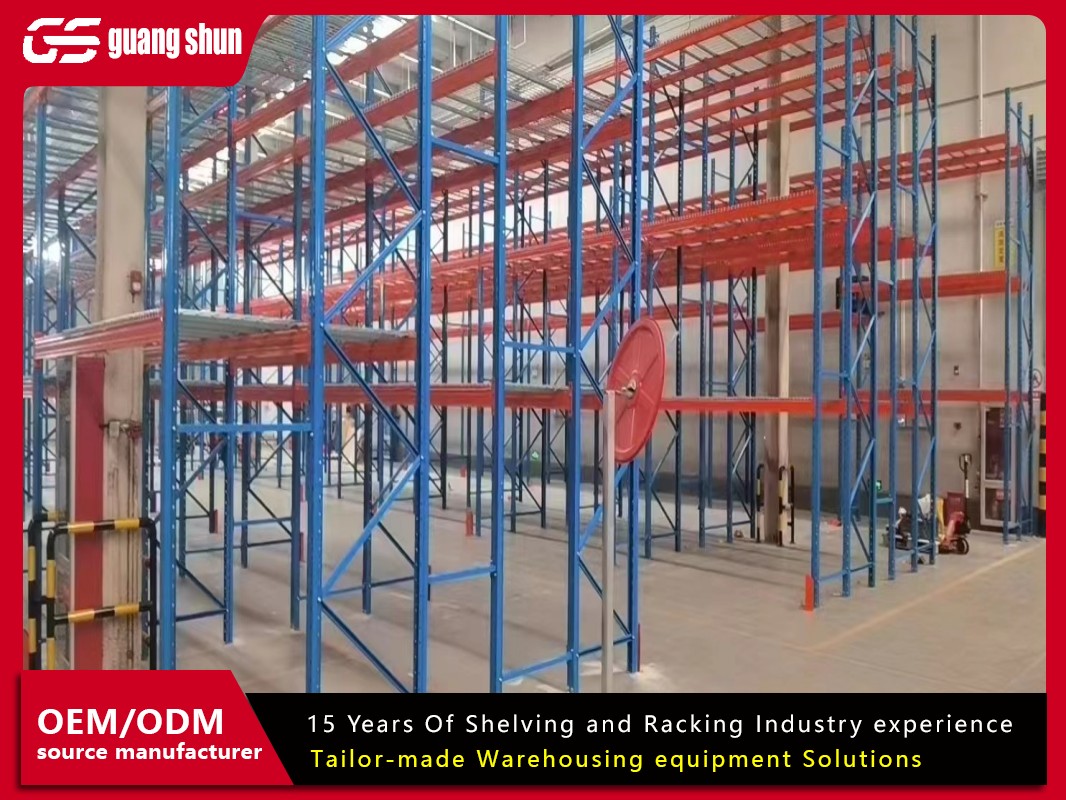
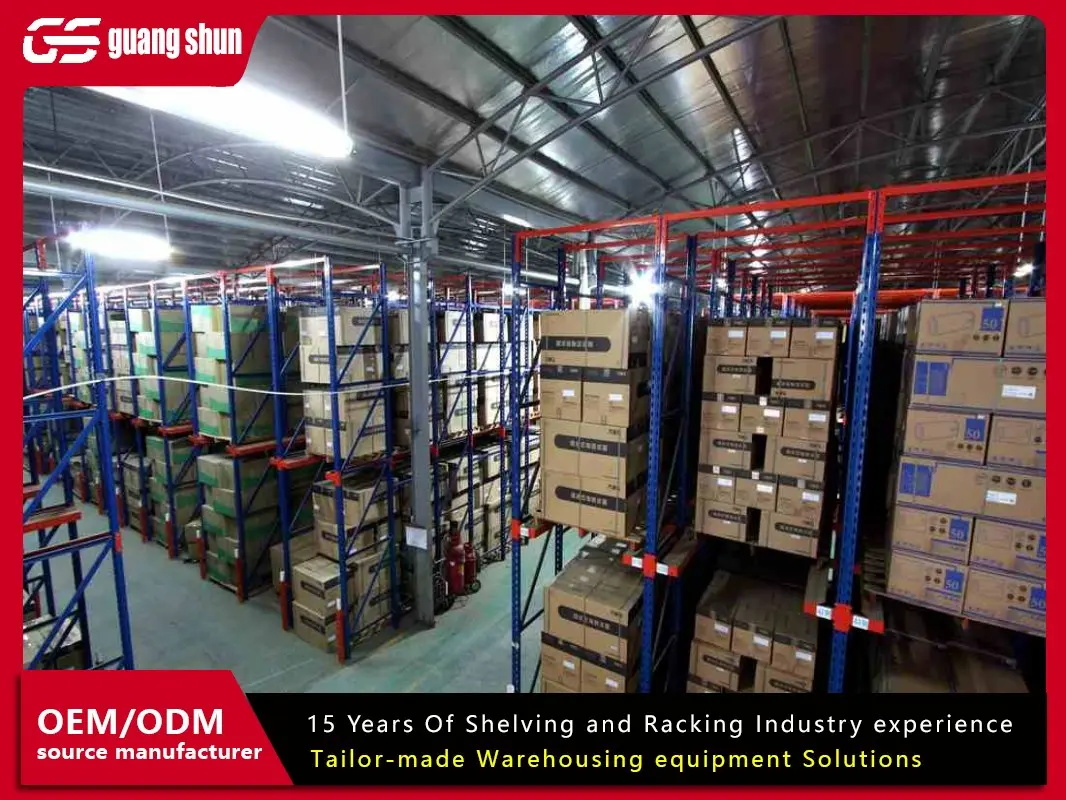
When a warehouse needs to adapt—whether to increase storage density or rearrange the floor plan—moving warehouse racking becomes a central topic. This concept covers both the installation of mobile racking systems that glide on rails, and the physical task of relocating existing shelving units. Efficient moving warehouse racking directly impacts daily operations, safety, and storage capacity. Below we examine the systems, planning steps, and maintenance required to get the most out of your investment.
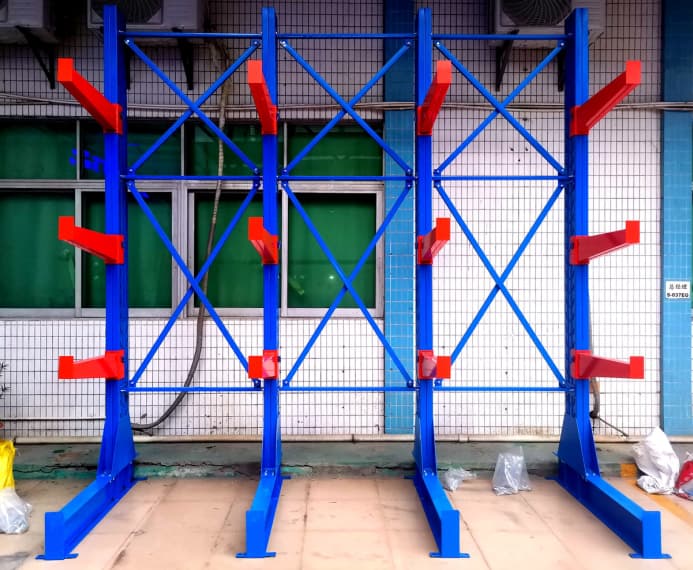
In the storage industry, moving warehouse racking has two distinct meanings. The first refers to mobile racking systems (also called movable aisle systems) where entire rack sections are mounted on carriages that move laterally on tracks. This eliminates fixed aisles and can increase capacity by up to 80%. The second meaning involves the actual process of dismantling, transporting, and reassembling standard pallet racks to a new location within a facility or to another site.
Both interpretations share a common goal: better utilisation of floor space and improved workflow. However, each requires different equipment, expertise, and safety measures. Knowing which type of moving warehouse racking your project needs is the first step toward a successful warehouse upgrade.
Installing mobile (moving) racking brings quantifiable benefits to warehouses handling high volumes or diverse stock. Below are the primary advantages:
Space savings: By compressing aisles when not in use, moving racking can double storage capacity within the same footprint.
Improved inventory organisation: Racks can be shifted to create wider aisles exactly where needed for loading or picking.
Energy efficiency: Fewer aisles mean reduced lighting and temperature control requirements, lowering utility bills.
Flexibility: Modular designs allow future reconfiguration as product lines change.
Faster retrieval times: Operators can open an aisle directly in front of the required SKU, reducing travel time.
These advantages make moving warehouse racking an attractive option for cold storage, archival facilities, and distribution centres where every square metre counts.
Choosing the right mechanism depends on load weight, frequency of access, and budget. Here are the common configurations:
Manual mobile racking: Operated by a hand wheel or crank. Suitable for low-to-medium frequency access and lighter loads. Cost‑effective and simple to maintain.
Electric mobile racking: Motorised carriages move via push‑button or remote control. Ideal for heavy loads (up to several tons per rack) and frequent use.
Mechanical-assist systems: Use a combination of gears and chains to reduce the effort needed to move the racks. A middle ground between manual and electric.
High-density mobile pallet racks: Designed for unit loads on pallets, often with reinforced bases and anti-tilt features.
Each type of moving warehouse racking must be matched to the floor condition and the nature of the stored goods. Consult with engineers before purchasing.
Before committing to a mobile system or planning a relocation, evaluate these factors carefully:
Floor flatness: Rails require a level concrete surface. Deviations greater than 3mm over 3m may cause binding or uneven movement.
Load capacity: Calculate both static and dynamic loads, including the weight of the rack structure plus inventory.
Safety features: Look for anti-collision sensors, floor tracks that are flush with the surface, and manual overrides.
Aisle requirements: Determine how many movable aisles you need and whether any fixed aisles are necessary for emergency exits.
Installation timeline: Factory‑built moving racking can take weeks to manufacture and install; plan for operational downtime.
Ignoring these details often leads to costly retrofits or unsafe working conditions. A professional audit of your facility is recommended before any moving warehouse racking project begins.
Whether you are installing a brand‑new mobile system or relocating existing static racks, follow this structured approach:
1. Planning and layout: Measure the space, identify obstacles (columns, doors), and mark rail positions. For relocations, label every beam and upright to simplify reassembly.
2. Empty the racks: Remove all products. For mobile systems, the racks are usually installed empty; for relocation, empty racks are lighter and safer to dismantle.
3. Dismantling (if applicable): Disassemble racks in reverse order of installation. Use appropriate lifting equipment and keep hardware organised.
4. Rail installation / floor preparation: For moving racking, rails must be anchored and levelled precisely. For relocation, ensure the new area has a clean, level floor.
5. Reassembly and alignment: Erect racks, install anti‑tip devices, and check that all moving parts glide smoothly. Test the movement across the full range.
6. Load testing and inspection: Gradually add weight while observing rack behaviour. Verify that safety locks engage correctly.
Professional riggers and certified rack installers should handle critical stages of moving warehouse racking to avoid structural damage or injury.
Regular upkeep ensures smooth operation and prevents unexpected failures. Focus on these areas:
Track and wheel inspection: Clean debris from rails monthly. Look for flat spots on wheels or signs of wear.
Bolt torque checks: Vibration from movement can loosen connections. Re‑torque critical bolts every quarter.
Lubrication: Apply manufacturer‑approved grease to moving parts—avoid over‑greasing, which attracts dust.
Safety system tests: Verify that floor locks, emergency stops, and sensors function correctly before each heavy use.
Annual professional inspection: A structural engineer should assess the entire moving warehouse racking assembly for hidden damage or fatigue.
Well‑maintained mobile racks can last 20 years or more, making them a durable asset for growing businesses.
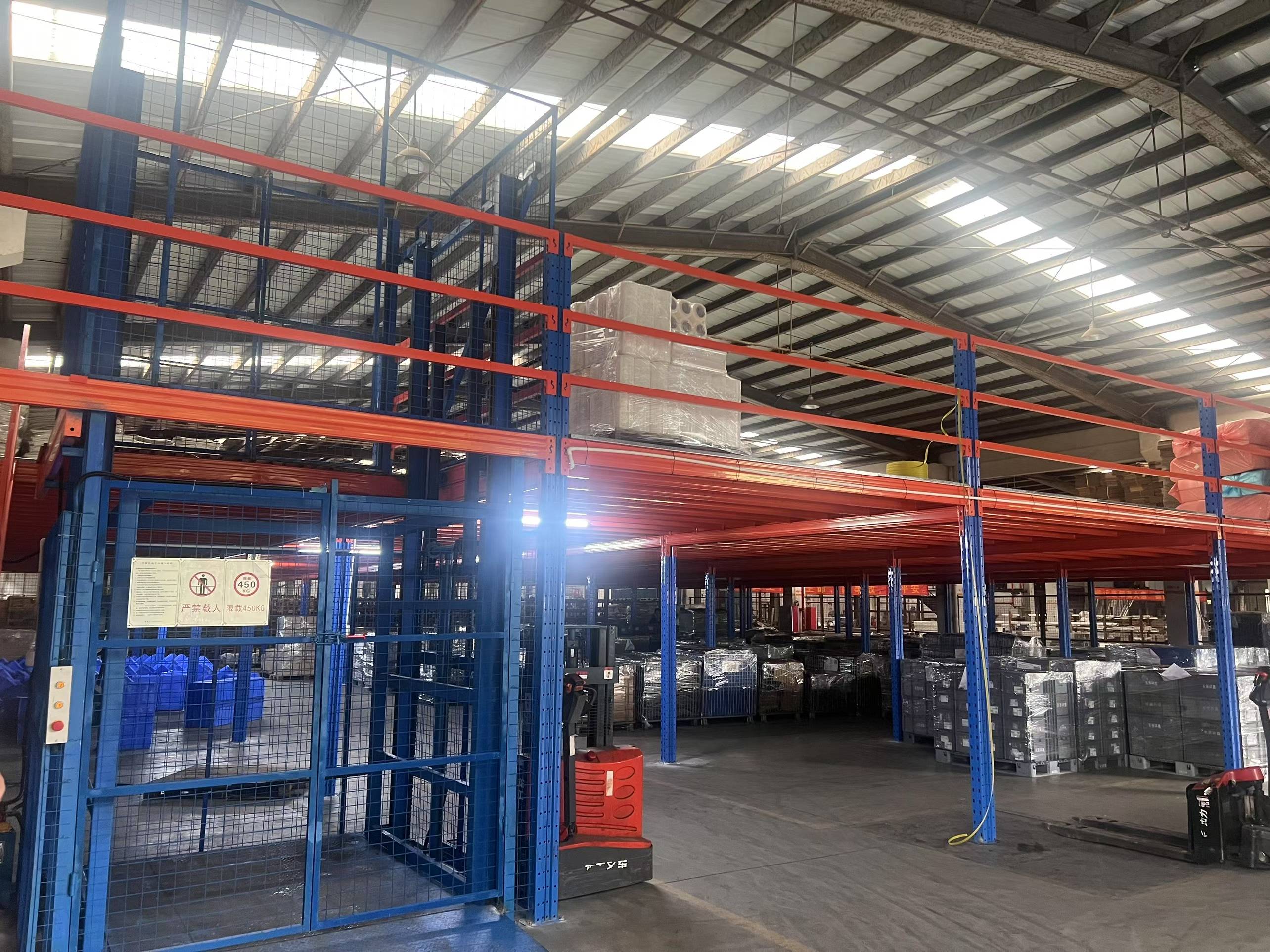
Moving racks—whether manual or electric—present specific hazards. Enforce these rules:
Train all operators in how to activate and deactivate the moving mechanism. Never allow untrained personnel to operate the system.
Keep aisle floors clear of obstacles. Even a small pallet piece can derail a carriage.
Respect load limits. Overloading a moving rack can cause the base to deform or the drive motor to fail.
Install warning lights or audible alarms for electrically powered systems to alert nearby workers.
Never attempt to move a rack while someone is inside the aisle. Use lockout/tagout procedures during maintenance.
By integrating safety into daily routines, companies reduce accidents and extend the service life of their moving warehouse racking equipment.
From increasing storage density to reorganising an entire facility, moving warehouse racking offers tangible improvements in efficiency and space utilisation. Whether you opt for a new mobile system or need to relocate existing racks, thorough planning, proper installation, and consistent maintenance are the cornerstones of success. With the right partner and a clear understanding of your operational needs, your warehouse can achieve a new level of productivity.
Q1: What is the typical cost range for installing moving warehouse racking?
A1: Costs vary widely based on system type, size, and level of automation. Manual mobile racking can start around $2,000–$3,000 per bay, while electric heavy‑duty systems may exceed $10,000 per bay. Site preparation, rails, and installation labour add 20–40% to equipment costs. Always request detailed quotes from at least three suppliers.
Q2: Can moving warehouse racking be installed on an existing floor, or does it require a new slab?
A2: Most systems can be installed on existing concrete floors provided they are sufficiently flat and level. If the floor has cracks, dips, or uneven joints, surface grinding or a thin levelling course may be necessary. A professional floor survey is recommended before ordering rails.
Q3: How much weight can a typical moving warehouse racking system hold?
A3: Load capacities range from about 1,000 kg per shelf level in light‑duty systems up to 4,000–6,000 kg per level in heavy‑duty pallet versions. The total system capacity depends on the number of bays, the carriage design, and the floor strength. Check the manufacturer’s load chart for exact figures.
Q4: Is it possible to convert existing static pallet racks into moving warehouse racking?
A4: In some cases, yes. Specialist companies can retrofit static racks with mobile carriages and rails, provided the rack frames are in good condition and can be adapted. However, this is often as expensive as buying a new integrated mobile system, and structural certification is required.
Q5: How often should I schedule maintenance for moving warehouse racking?
A5: Basic visual checks should be done weekly (looking for debris, unusual noises, or misalignment). A more thorough inspection—including torque checks, wheel wear, and safety device testing—should occur quarterly. An annual inspection by a certified rack engineer is strongly advised to maintain warranty and insurance compliance.
Written for warehouse managers, logistics coordinators, and facility planners. This guide provides general information; always consult licensed professionals for your specific moving warehouse racking project.

 Wechat
Whatsapp
Wechat
Whatsapp