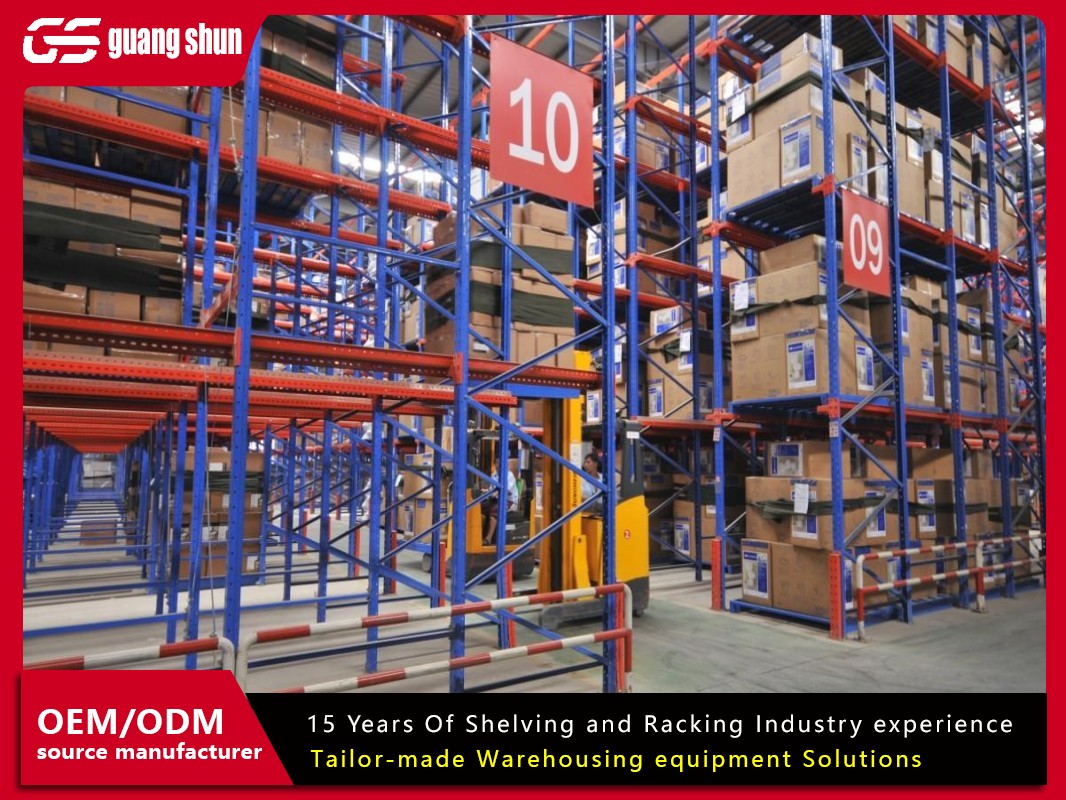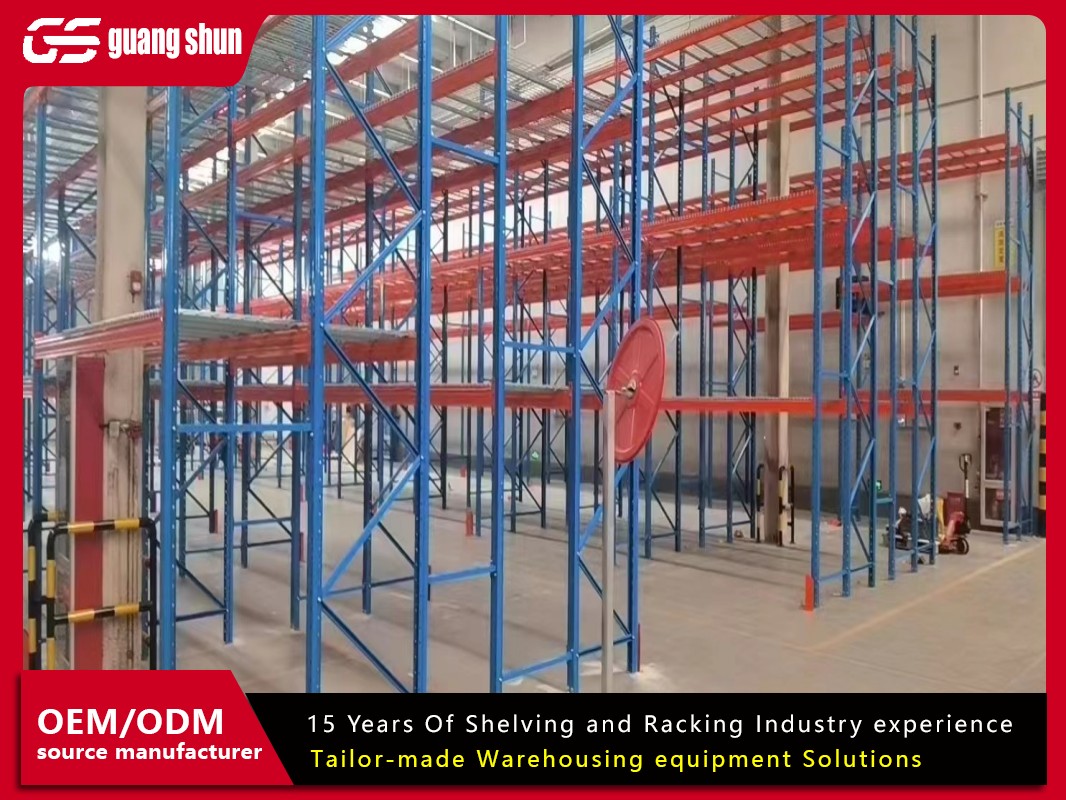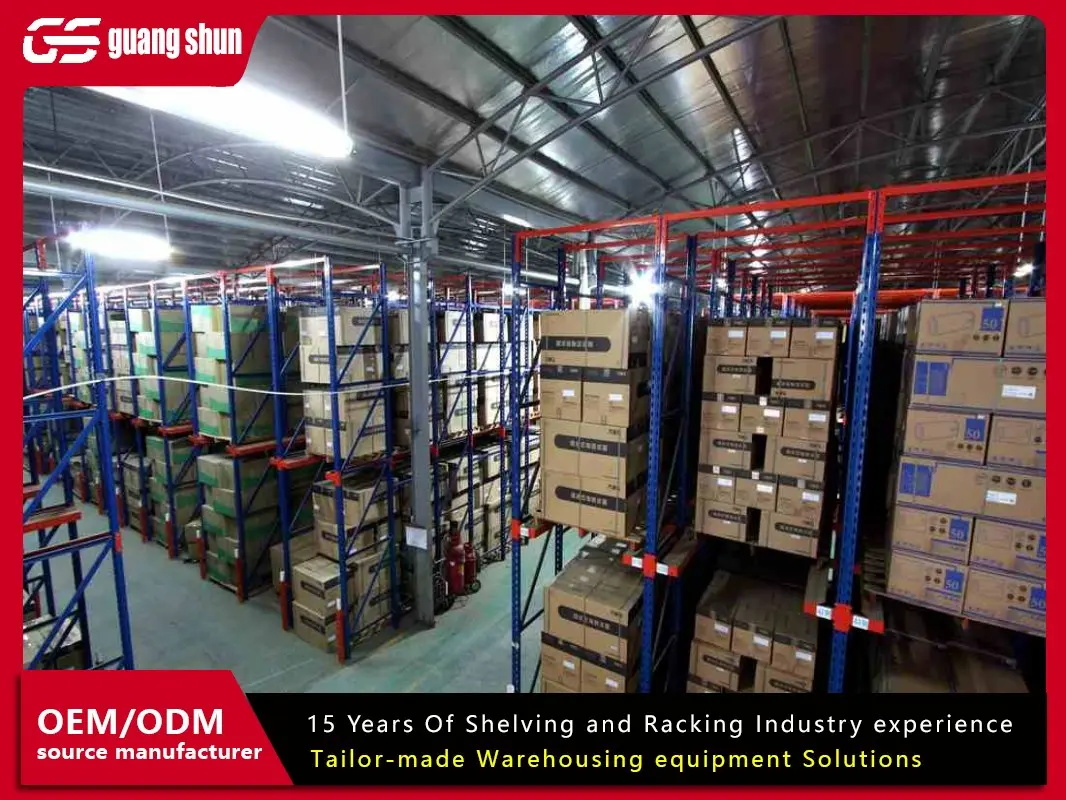
In modern logistics, every square foot of warehouse space directly impacts the bottom line. A pallet rack moving system — often called mobile racking or moving pallet racks — has evolved from a niche solution to a mainstream strategy for companies battling rising real‑estate costs and capacity demands. Unlike static selective racks that sacrifice up to 60% of floor space to fixed aisles, moving systems compress aisles into one single access aisle that opens only when and where needed. This guide dives into the mechanical engineering, economic justification, and safety protocols behind these high‑density systems.
What Is a Pallet Rack Moving System? Definition & Core Concept
A pallet rack moving system is a motorised or manually operated storage solution where entire rows of pallet racks are mounted on movable carriages that run on floor‑embedded rails. By eliminating multiple permanent aisles and creating one “floating” aisle, storage density can increase by 50–100% compared to conventional racking. The concept is simple: racks move laterally (side‑to‑side) to open an aisle at the required picking position. Modern systems are equipped with intelligent controls, anti‑collision sensors, and often integrate with WMS (Warehouse Management Systems).
Typical Applications
Cold storage – reducing refrigerated space by consolidating pallets.
Spare parts warehouses with low turnover but high variety.
Food & beverage facilities requiring FIFO (First‑In, First‑Out) managed by moving racks.
Chemical or pharmaceutical storage where segregation is critical.
Key Components and Engineering Behind Moving Racks
Understanding the anatomy of a pallet rack moving system is essential for specification and maintenance. Every robust system comprises five critical subsystems.
1. Mobile Carriages and Rail Systems
Heavy‑duty steel carriages support the entire rack structure. They ride on precision‑levelled rails embedded in the concrete floor. Rail flatness tolerance is typically ± 2 mm over 3 meters to ensure smooth travel and prevent load sway. Carriages are equipped with guide rollers and often with anti‑lift devices to withstand seismic events.
2. Drive Mechanisms: Electric Motors and Controls
Most industrial moving systems use three‑phase electric motors (0.5–2 kW per carriage) driving a chain or direct axle system. Variable frequency drives (VFDs) provide soft start/stop, reducing inertial stress on pallets. Control panels may feature:
Manual push‑button pendants
Radio remote controls
Wi‑Fi enabled tablet interfaces with WMS integration
3. Safety Features and Redundancies
Safety is paramount because moving racks can weigh dozens of tons. Modern systems include:
Photoelectric sensors that detect any person or obstacle in the aisle before closure.
Mechanical safety edges (physical pressure bars) as a secondary backup.
Aisle lighting that only illuminates the active aisle, saving energy.
Emergency stop cords along each moving row.
Manual override hand wheels for power‑out situations.
Quantifying the Benefits: Hard Data and Operational Gains
The decision to install a pallet rack moving system must be backed by measurable KPIs. Below are typical metrics from completed installations in European and North American distribution centres.
Storage density increase: 60–100% more pallet positions within the same footprint (source: FEM 9.831).
Aisle reduction: from multiple 2.8 m aisles to a single 1.8 m operative aisle.
Energy savings in cold stores: up to 35% because less air volume is circulated (fewer open aisles).
Payback period: typically 18–36 months, depending on land value and operational throughput.
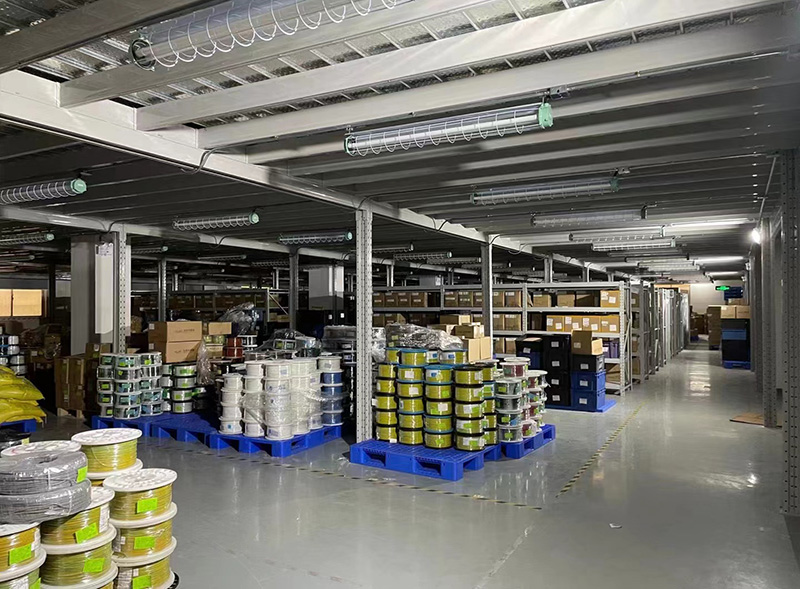
For facilities requiring even greater space utilization, consider pairing the moving system with a mezzanine rack system to add an entire secondary floor of storage — effectively doubling the footprint again.
Critical Considerations Before Installation
A successful pallet rack moving system project demands early engineering analysis. Overlooking site conditions is the primary cause of underperformance.
Floor Flatness and Load‑Bearing Requirements
Mobile racking imposes dynamic point loads as carriages move. Floors must meet FM 2 or DIN 18202 standards (e.g., maximum deviation 5 mm over 3 m). Superflat floors (FM 1 or better) are recommended for systems exceeding 15 m in height. Static load capacity under each wheel can reach 2–4 tons; therefore, subgrade reinforcement may be necessary.
Integration with Existing Warehouse Workflows
Moving racks generally suit low‑to‑medium throughput (under 15 picks/hour/aisle). If your operation requires continuous access to many SKUs, consider hybrid layouts: some static lanes for fast‑movers combined with moving sections for the remaining inventory.
Seismic and Safety Compliance
In earthquake‑prone regions, the pallet rack moving system must incorporate base isolation or locking mechanisms that engage automatically during seismic activity. Rack manufacturers usually provide FEM or RMI seismic calculations. Always verify compliance with local building codes (IBC, ASCE 7).
Step‑by‑Step Implementation Guide
Site audit & load analysis – floor flatness, column positions, available height.
System design & simulation – 3D modelling of rack movement, cycle times.
Foundation preparation – cutting trenches for power/control cables, rail installation.
Rack assembly on carriages – usually performed by factory‑trained teams.
Electrical integration & testing – load tests, emergency stop verification.
Operator training & documentation – safety drills, remote control handling.
Real‑World Applications: Industries Benefiting Most
Food & Beverage Cold Storage
A UK frozen food distributor installed a pallet rack moving system in their -25°C chamber. By reducing aisles from five to one, they added 1,200 pallet positions without expanding the building footprint. The motor drives are specified with low‑temperature grease and sealed enclosures to withstand condensation.
Automotive Spare Parts
A German car manufacturer uses mobile racks for slow‑moving spare parts. With 8,000 SKUs, the system integrates with their SAP EWM: when a pick is requested, the relevant rack row automatically opens, and pick‑to‑light guides the operator.
Addressing Common Myths and Misconceptions
Myth: “Mobile racking is too slow for daily operations.”
Fact: Modern systems move at 0.2–0.4 m/s, and aisle opening time (8–12 seconds) is negligible compared to travel time in large warehouses.
Myth: “Power outages stop all access.”
Fact: Every carriage includes a manual hand crank or battery backup that allows operation without mains power.
Maintenance Best Practices for Longevity
Preventive maintenance extends the life of a pallet rack moving system beyond 20 years. Key tasks:
Monthly inspection of rail alignment and carriage rollers.
Quarterly torque check on motor mount bolts.
Annual load testing of safety edges and photocells.
Lubrication of drive chains (where applicable) with food‑grade lubricant if in food storage.
Frequently Asked Questions (FAQ)
Q1: What is the typical lifespan of a pallet rack moving system?
A1: With proper maintenance, the structural components (carriages, rails) last 20–25 years. Motors and electronic controls may need replacement after 10–15 years depending on usage cycles. Many systems installed in the 1990s are still operating after component upgrades.
Q2: Can a pallet rack moving system be installed outdoors?
A2: Outdoor installation is uncommon because rails and electronics must be weather‑protected (IP65/NEMA 4). Specialized outdoor moving systems exist for lumber or pipe storage but require covers and drainage. Most suppliers recommend covered or indoor installations.
Q3: How does a mobile racking system compare to VNA (Very Narrow Aisle) trucks?
A3: VNA trucks still need permanent aisles (approx. 1.8 m) and expensive wire‑guidance. Moving racks eliminate all aisles except one, so space utilization is higher. However, VNA can achieve faster throughput per aisle; therefore, moving racks are best for medium‑density storage, while VNA suits high‑frequency picking.
Q4: What happens during a power outage?
A4: Every carriage is equipped with a manual override system — usually a hand crank or hydraulic pump — that allows operators to move racks manually. Many modern systems also include battery backup that automatically engages, providing 10–20 full opening/closing cycles.
Q5: What are the load capacity limits for moving carriages?
A5: Standard modular carriages support up to 60 tons per row (including rack and pallet weight). Custom engineered systems can go higher — some heavy‑duty applications in steel coils reach 120 tons per carriage. Floor bearing capacity must be verified accordingly.
Q6: Is it possible to retrofit moving systems into existing rack structures?
A6: Yes, in many cases existing selective or drive‑in racks can be adapted by installing new baseplates and mounting them onto carriages. However, seismic certification must be recalculated because the dynamic behaviour changes. Retrofitting is often 30% cheaper than a completely new system.
Selecting and implementing a pallet rack moving system is a multi‑disciplinary project involving civil, mechanical, and logistic experts. When engineered correctly, it transforms storage capacity without expanding the building shell. For facilities that also need to exploit vertical space, combining the moving system with a mezzanine rack system offers a complete high‑density solution. Always partner with experienced suppliers who provide FEM‑certified calculations and on‑site project management.